Your search Bad Homburg gave 143 results.
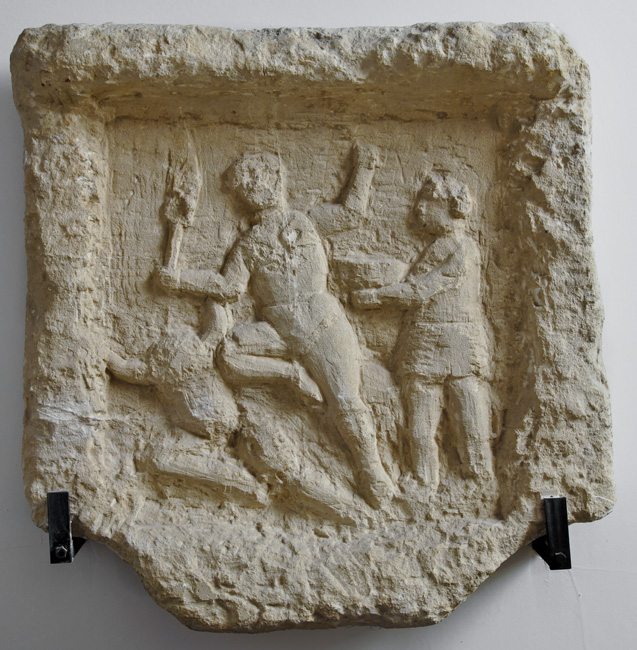
Possibly a Mithraic scene discovered in Mödling, Austria.

Badly damaged sandstone statue of a togatus from the Mithraeum at Mackwiller, preserving only fragments of the head and garment.
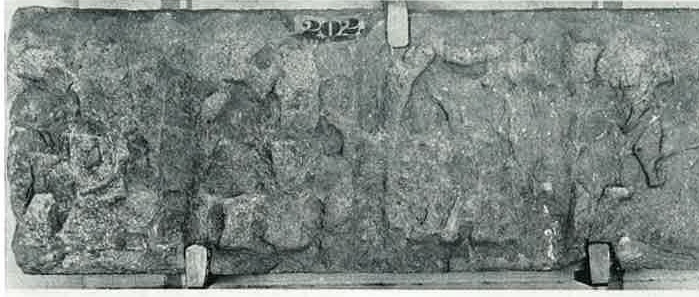
Badly damaged red sandstone relief from Hölzern, Germania Superior, depicting the standard bull-slaying scene; possibly forming part of the border zone of a larger composition.
A badly damaged marble torso from Rome, carved from Luna marble, possibly representing a Mithraic torchbearer dressed in tunic, long cloak and anaxyrides.
Badly damaged fresco fragment showing a person in red attire in a kneeling position, from the initiation sequence of the Mithraeum of Capua.
Badly damaged limestone statuette of a standing figure in Eastern attire, head, arms and feet lost, from the Mithraeum near Memphis, Egypt.
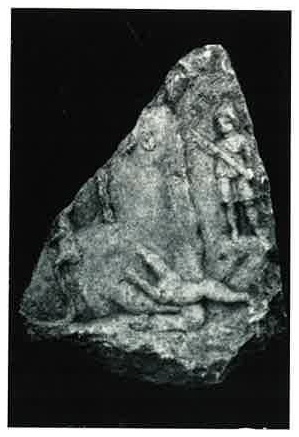
Foremost part of a white marble tauroctony from the Mithraeum at Sarmizegetusa, Dacia, showing the badly weathered bull-slaying with cross-legged Cautes raising the torch with both hands.
Eight small, badly weathered marble fragments from Cinçsor, Dacia, belonging to at least three different reliefs.

Small marble tauroctony relief from Ruše, Noricum, badly weathered, depicting the bull-slaying in a grotto-like niche with cross-legged torchbearers on bases.
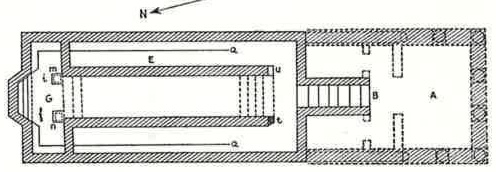
Second Mithraic sanctuary discovered in 1826 some 150 metres west of Mithraeum I at Heddernheim, ancient Nida, with finds in the Wiesbaden museum.
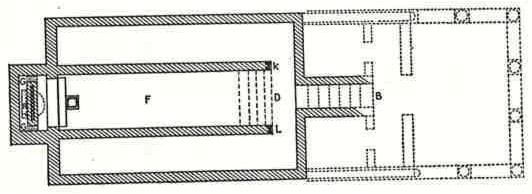
First Mithraic sanctuary discovered at Heddernheim (ancient Nida) in 1826, with finds preserved in the Städtisches Museum at Wiesbaden.

Wiesbaden is the capital of the German state of Hesse, and the second-largest Hessian city after Frankfurt am Main.
The Bad Ischl area has been inhabited since the time of the prehistoric Hallstatt culture. Documentary evidence of the settlement dates back to 1262, when it was referred to as Iselen.

Mithraeum I in Güglingen, Landkreis Heilbronn (Baden-Württemberg).
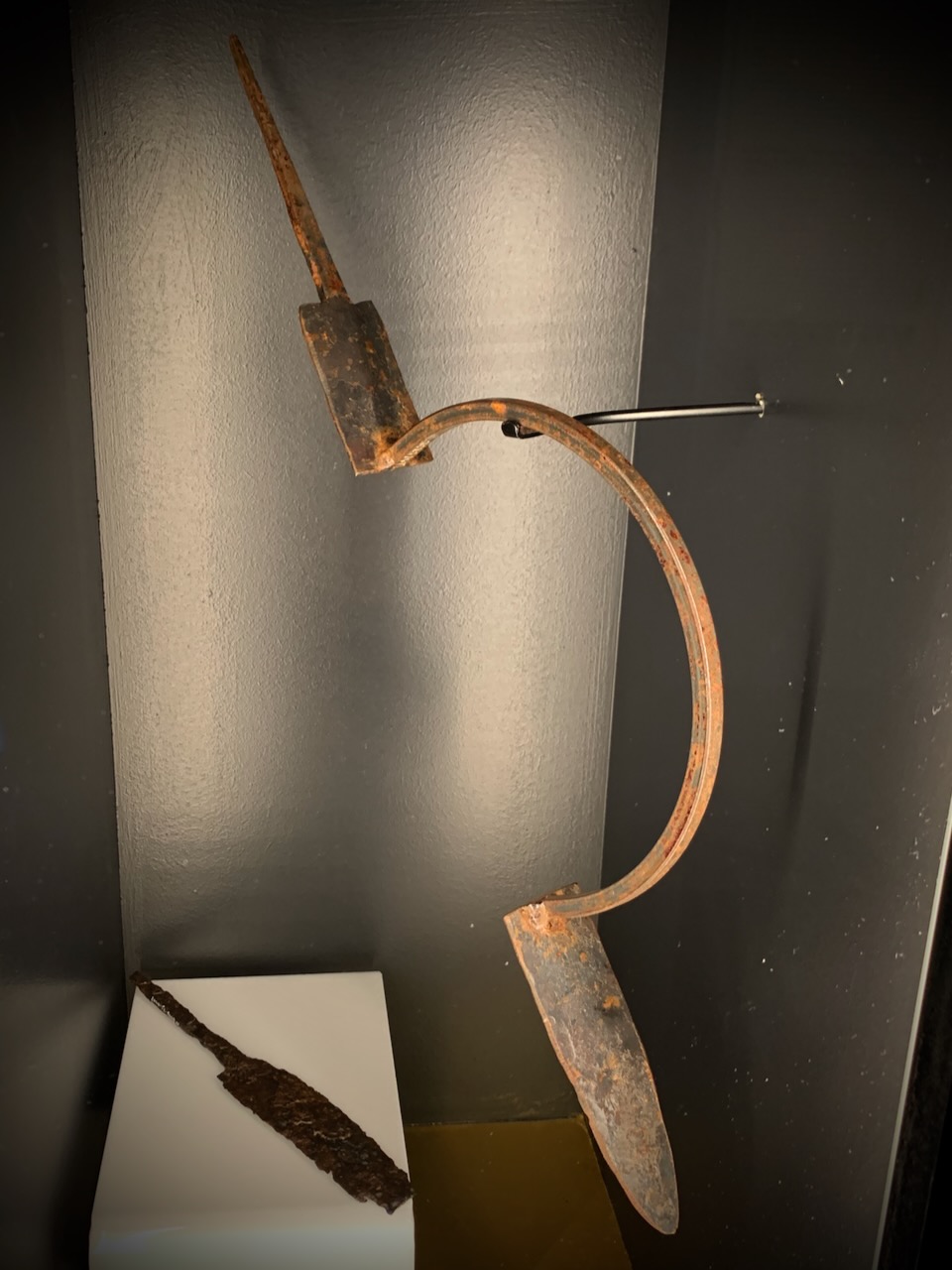
Several iron fragments found in the second mithraeum of Güglingen may have been used during mithraic ceremonies.
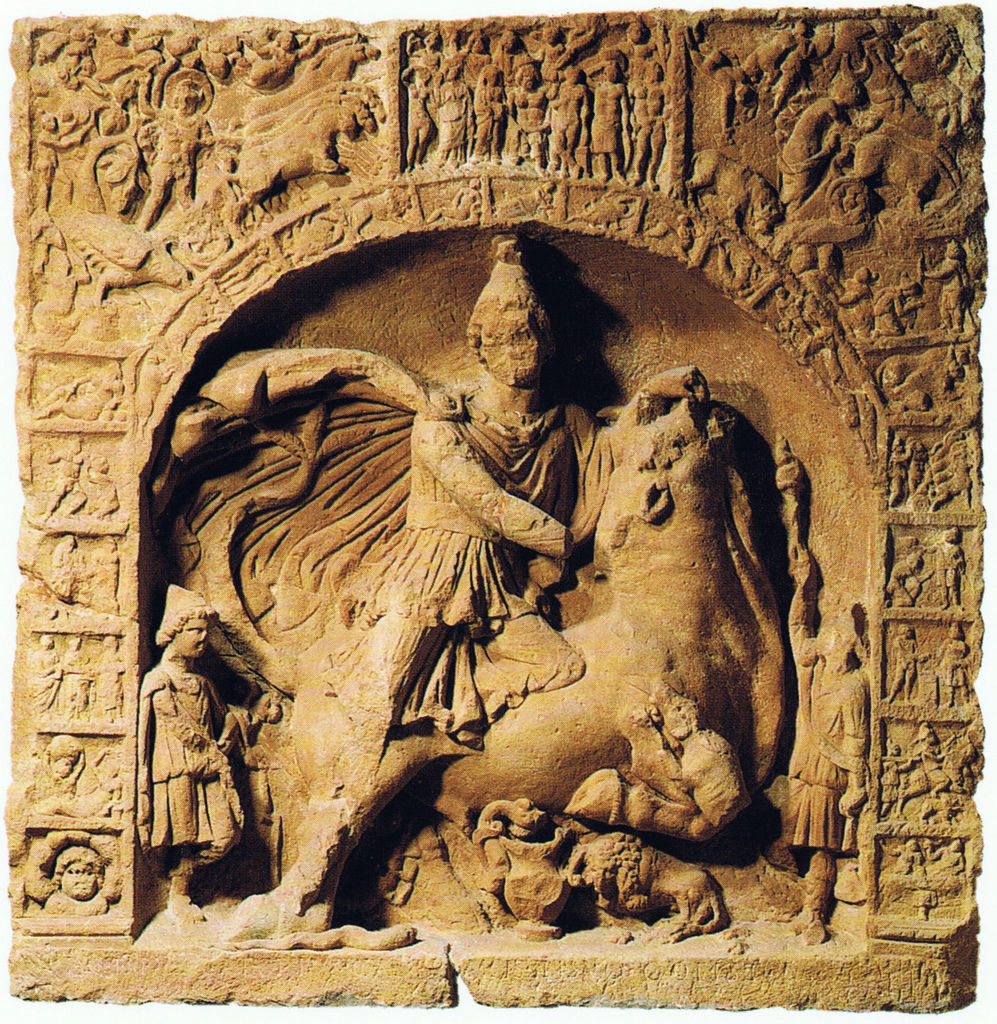
Franz Cumont considers the bas relief of Osterburken ’the most remarkable of all the monuments of the cult of Mithras found up to now’.
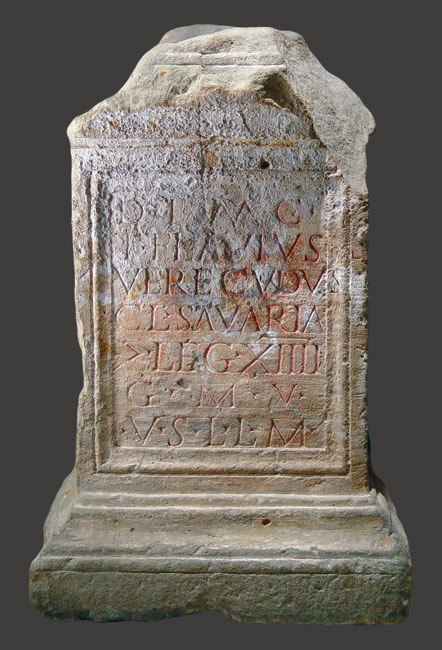
This monument to Mithras and Cautes (or Cautopates) was erected in Carnuntum by the centurion Flavius Verecundus of Savaria.
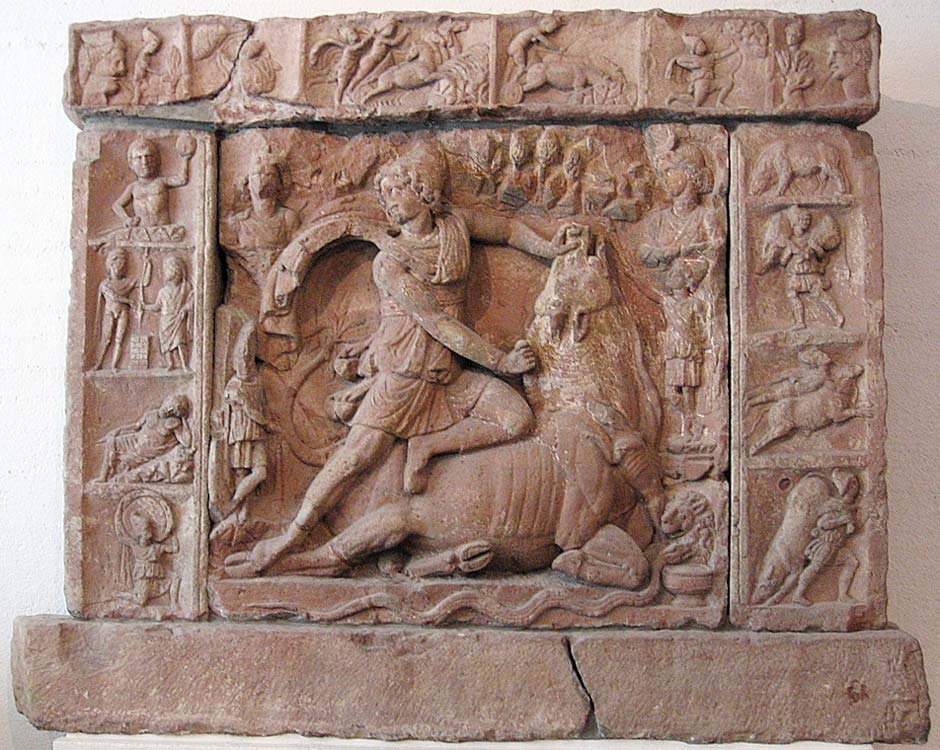
The Tauroctony relief of Neuenheim, Heidelberg, includes several scenes from the deeds of Mithras and other gods.
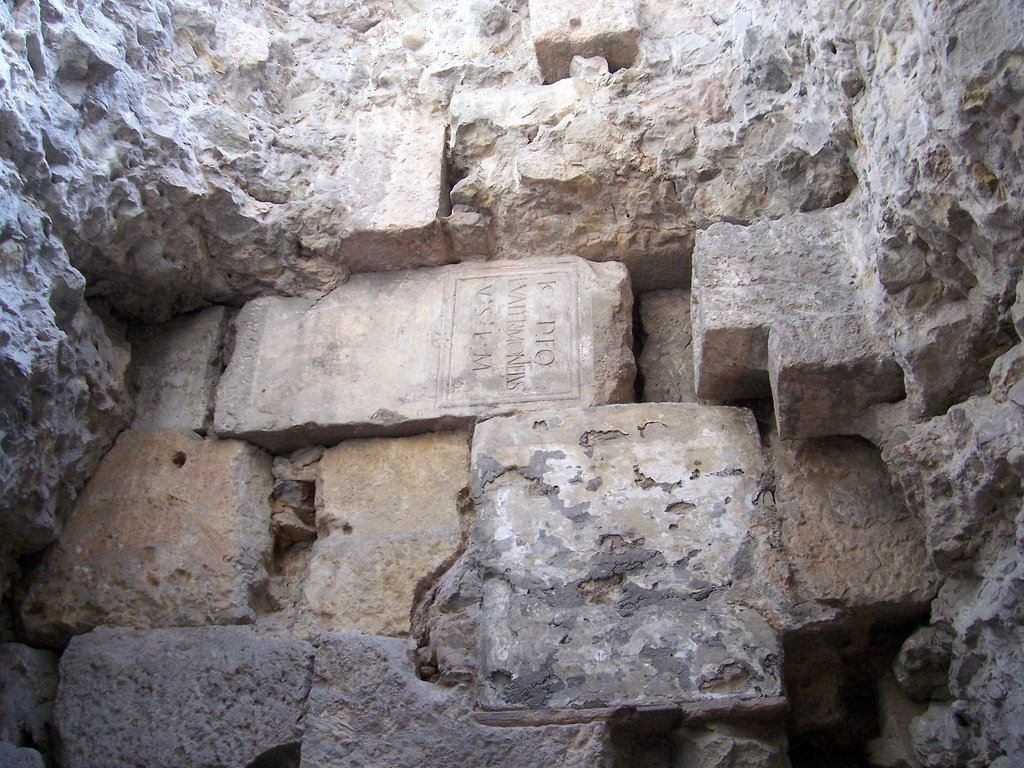
This altar was dedicated to Cautes by a certain Lucius in Baetulo (Badalona), near Barcino (Barcelona).