Your search Bad Ischl im Salzkammergut gave 2085 results.

The Mithraeum under and behind S. Prisca on the Aventine is without doubt the most important sanctuary of the Persian god in Rome.
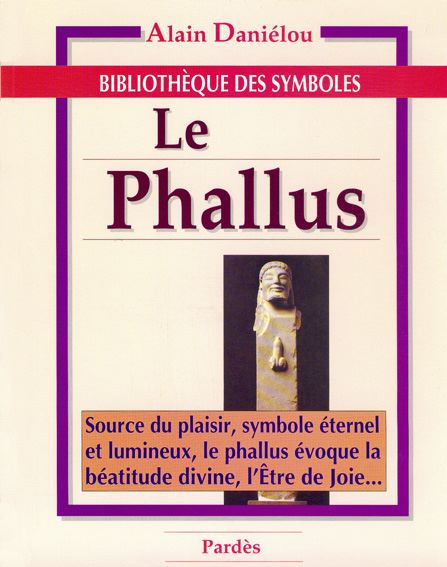
It is only when the penis stands up straight, that it emits semen, the source of life. It is then called the phallus and has been considered, since earliest prehistory the image of the creative principle, a symbol of the process by which the Supreme

The Mithraeum at Capua is in many respects one of the most important sanctuaries of the Iranian god who in the first centuries of our era conquered the Roman world.

Roger Beck describes Mithraism from the point of view of the initiate engaging with the religion and its rich symbolic system in thought, word, ritual action, and cult life.
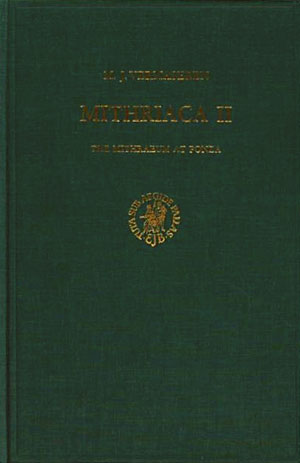
Second volume of Vermaseren's series Études préliminaires aux religions orientales dans l'Empire romain, Mithriaca, dedicated to a small Mithraic sanctuary on the island of Ponza in the Tyrrhenian Sea.

Corpus Inscriptionum et Monumentorum Religionis Mithriacae (or CIMRM) is a two volume collection of inscriptions and monuments relating primarily to the Mithraic Mysteries.
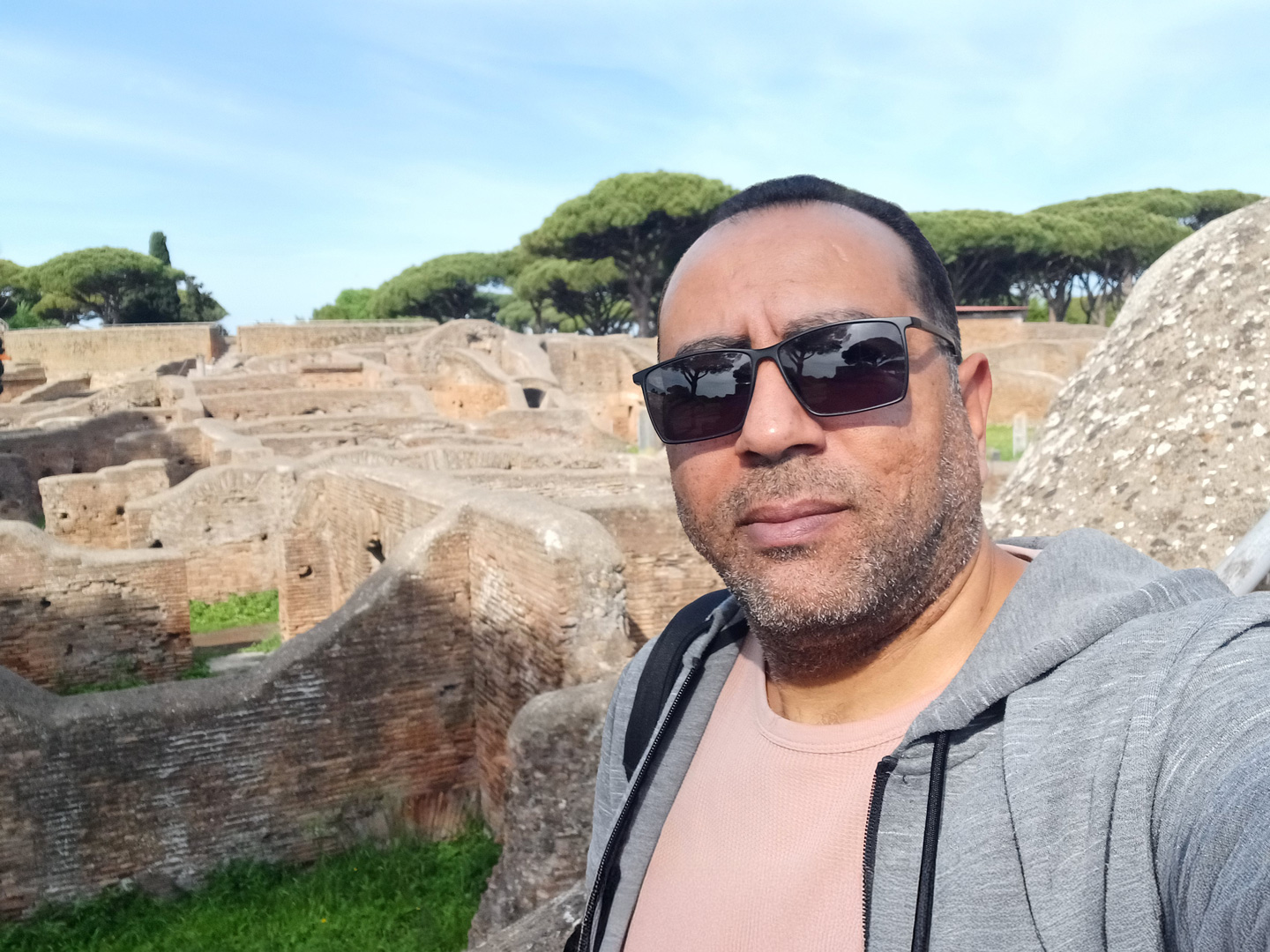
In his first book, Fahim Ennouhi sheds light on the cult of Mithras in Roman Africa. A marginal and elitist phenomenon, confined to restricted circles and largely absent from local religious dynamics, yet revealing.

Statue of a standing person in eastern attire in red, local limestone with inscription.

An inscription mentioning a speleum decorated by Publilius Ceionius suggests the location of a mithraeum in Cirta, the capital of Numidia.
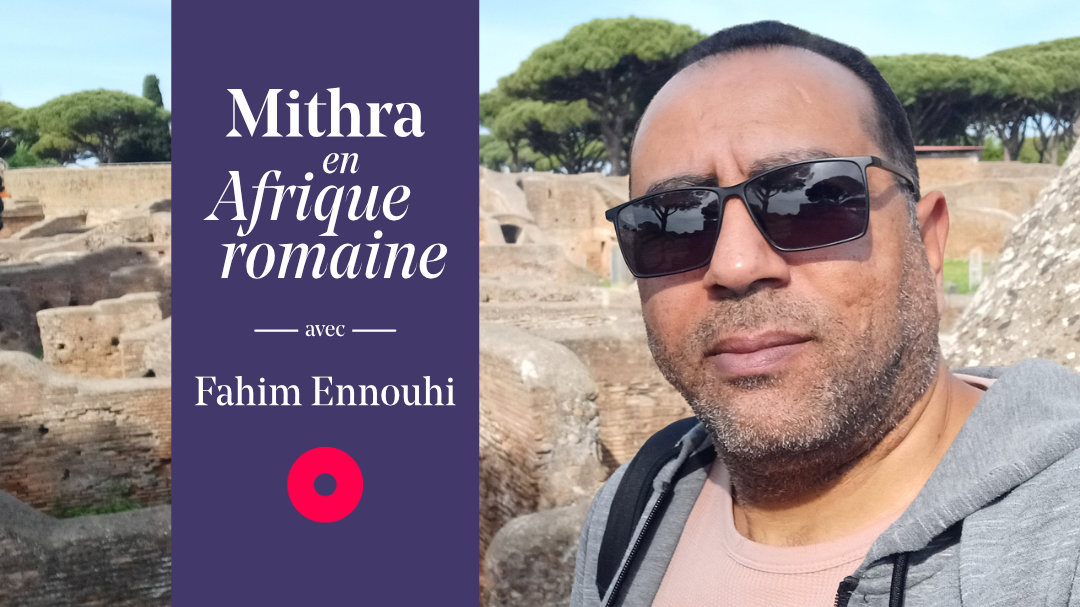
Interview avec Fahim Ennouhi à l’occasion de la publication de son premier livre, Le culte de Mithra en Afrique du Nord antique, consacré à cette présence restée élitiste et marginale dans cette région de l’Empire.
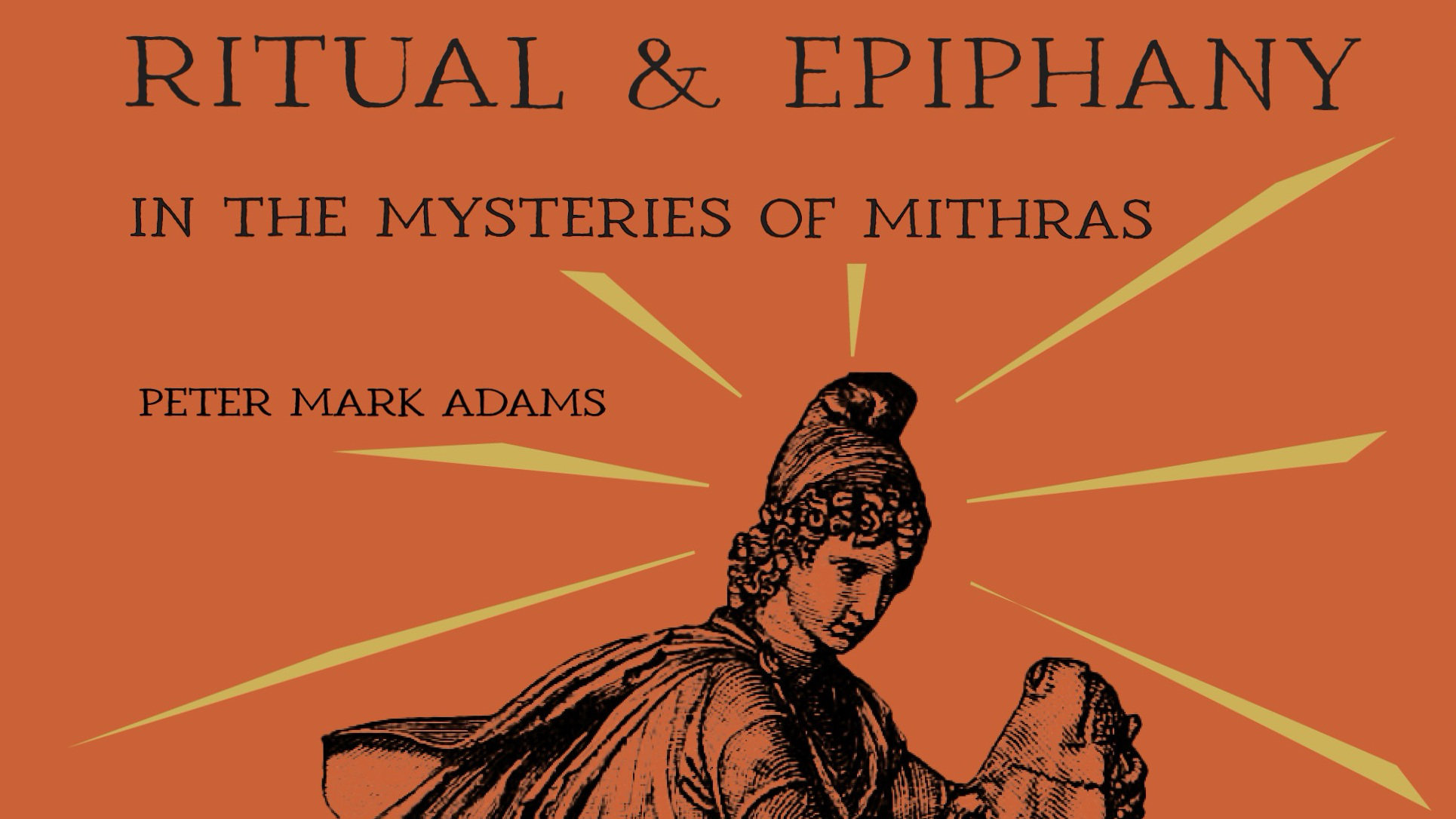
Acclaimed esoteric scholar @peter.mark.adams talks about his latest book, ‘Ritual and Epiphany in the Mysteries of Mithras’, interviewed by professor, writer and host of The New Mithraeum podcast @andreu.abuin.

Two extracts from De abstinentia ab esu animalium by Porphyry on sacrifices and the importance of abstinence from animal food among Persian Magi.

Of Isis and Osiris or Of the Ancient Religion and Philosophy of Egypt, Plutarch, The Moralia.

Dion Chrysostom, c. 100 A.D., a philosophical writer under the emperors Nerva and Trajan, composed a series of discourses or essays (λόγοι) on various subjects, in one of which he reports concerning the doctrines and practices of the magi.

Commentaries by Pseudo-Nonnus, also known as Nonnus the Abbot, on Gregory Nazianzen’s In Julianum Imperatorem Invectivae Duae and In Sancta Lumina.

Vir clarissimus and governor of Numidia, who dedicated a temple to Mithras with its images and ornaments in Cirta.

He commissioned the main cult relief found in the Mithraeum of Circo Massimo.

Decurion and member of the same college as Aemilius Chrysanthus.

He was cornicularius, supply officer, to the prefect of the Legion XXII Primigenia.

He built the sacred area of the Mitreo del Circo Massimo at his own expense.
