Your search Bad Ischl im Salzkammergut gave 1088 results.


Governor of Numidia in 303, vir perfectissimus Valerius Florus was a well-known persecutor of Christians.

Slave of the imperial family and dispensator who repaired an image of Mithras in Tibur, near Rome.

Textile merchant from Augusta Treverorum and Pater of his community, he left testimony of his cult to Mithras in the 3rd century.





Imperial slave who donated an altar to Mithras for the benefit of the emperor Caracalla.

Gladiator to whom his companions Cimber and Pietas erected a monument in Colonia, Germania.

A bronze plaque with a tauroctony dedicated by him was found between the blocks of the base of the cult relief in one of the Stockstadt temples.

Dedicated multiple monuments to Mithras, Fortuna Primigenia and Diana in Etruria.

Servus of a certain Primus, Prudentus offered a sculpture of Mithras rock-birth in Poetovio.



Pro praetor legate during the reign of Maxime, he dedicated an altar to Mithras in Lambaesis.

Soldier of the XXII Legio Primigenia Pia Fidelis stationed in Mainz that erected an altar to Mithras in Sumelocenna.
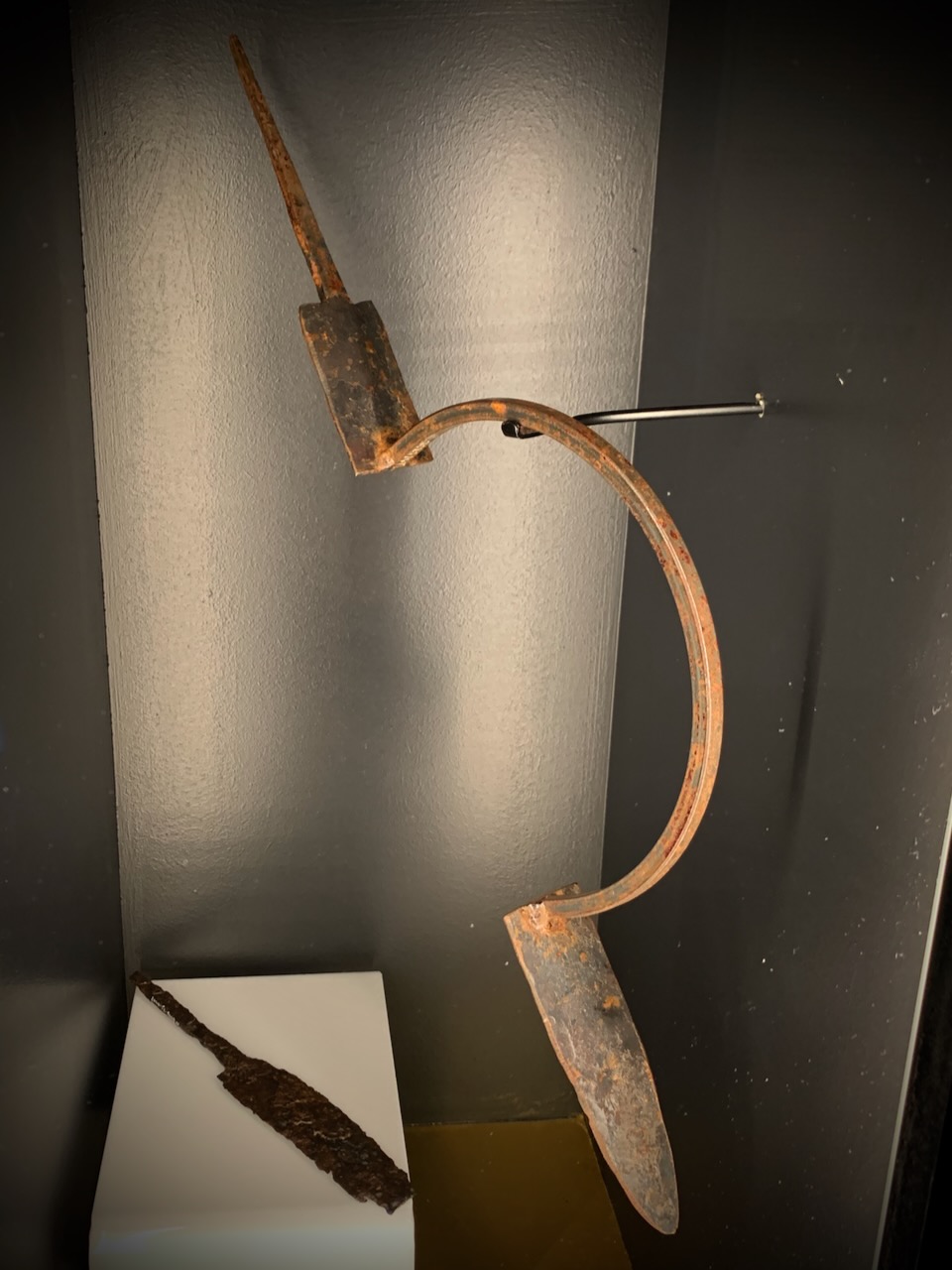
Several iron fragments found in the second mithraeum of Güglingen may have been used during mithraic ceremonies.
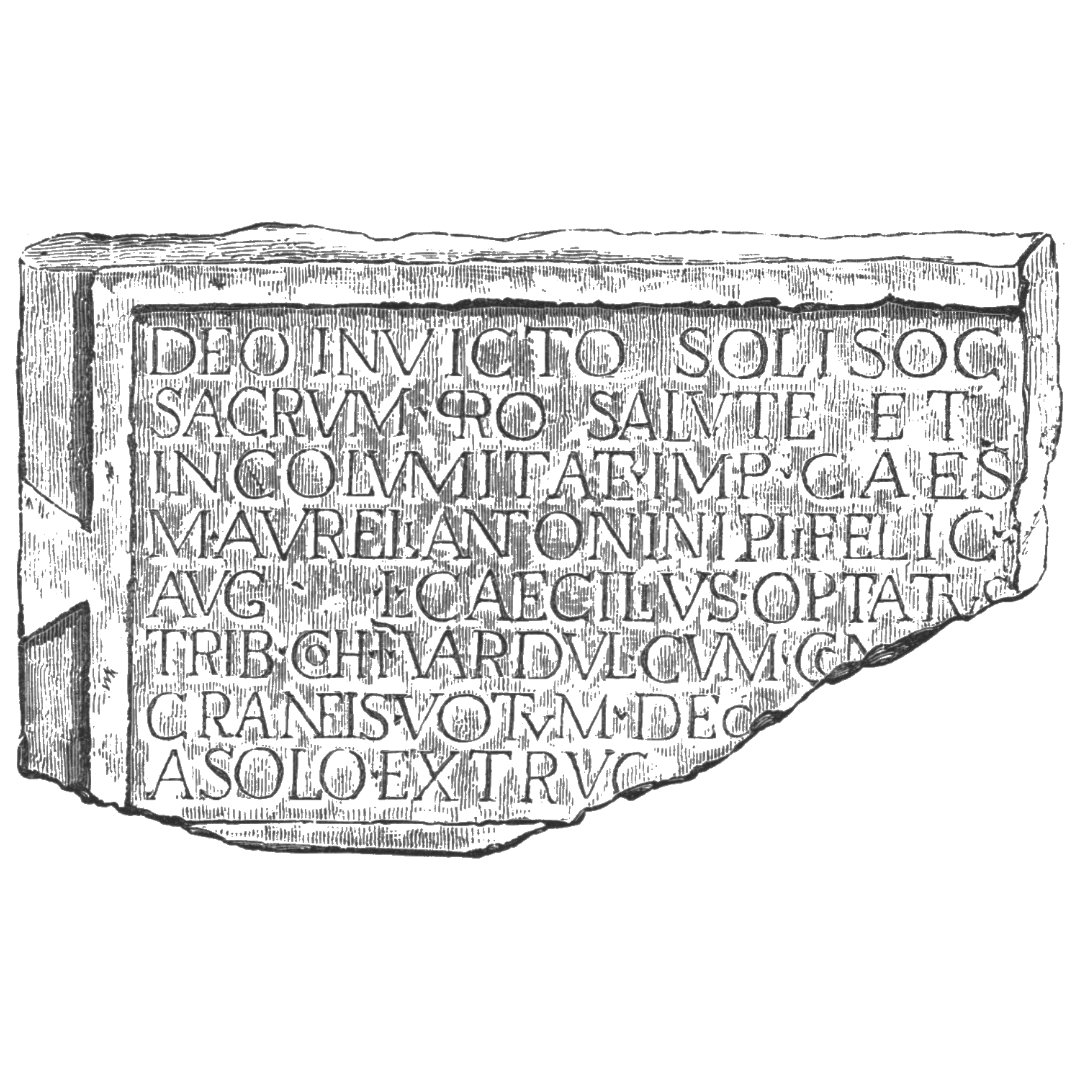
This inscription commemorates the building of a mithraeum in Bremenium with fellow worshippers of Mithras.
