Your search for Bourg-Saint-Andéol gave 115 results.

Bourg-Saint-Andéol is a commune in the Ardèche department in the Rhône Valley in southern France.
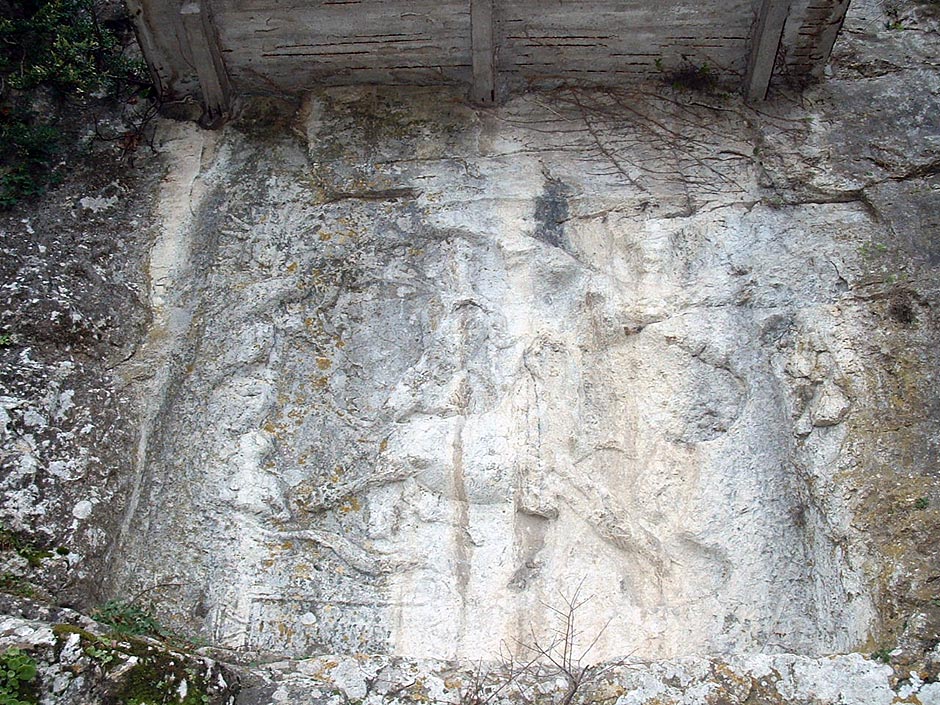
The low relief of Bourg-Saint-Andéol depicting Mithras killing the bull has been chiseled on the rock.
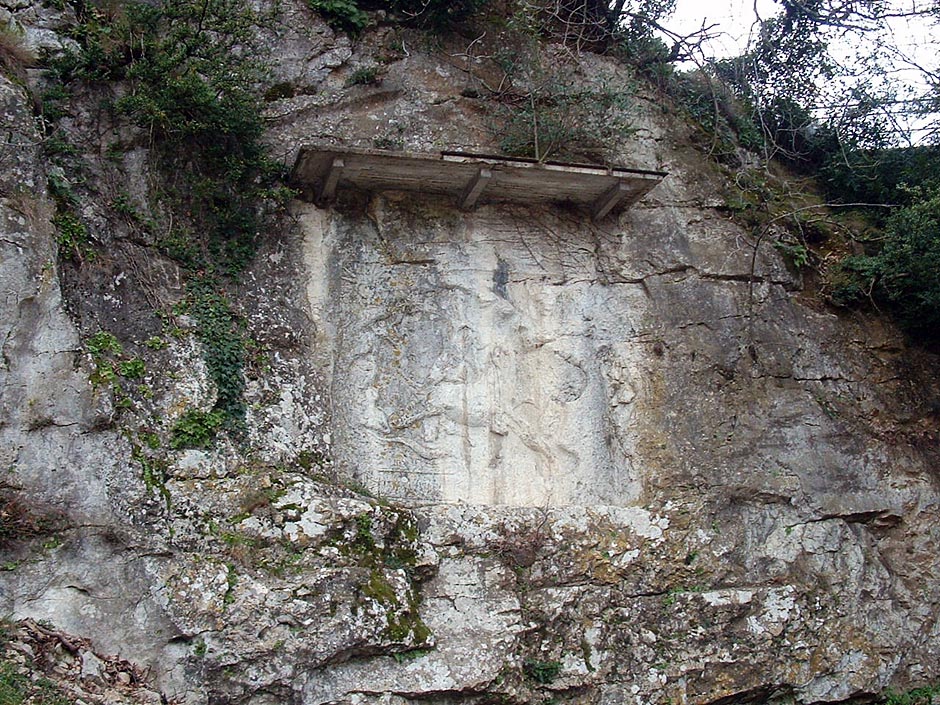
The Mithréum de Bourg-Saint-Andéol was built against a rock where the main Tauroctony was chiseled.
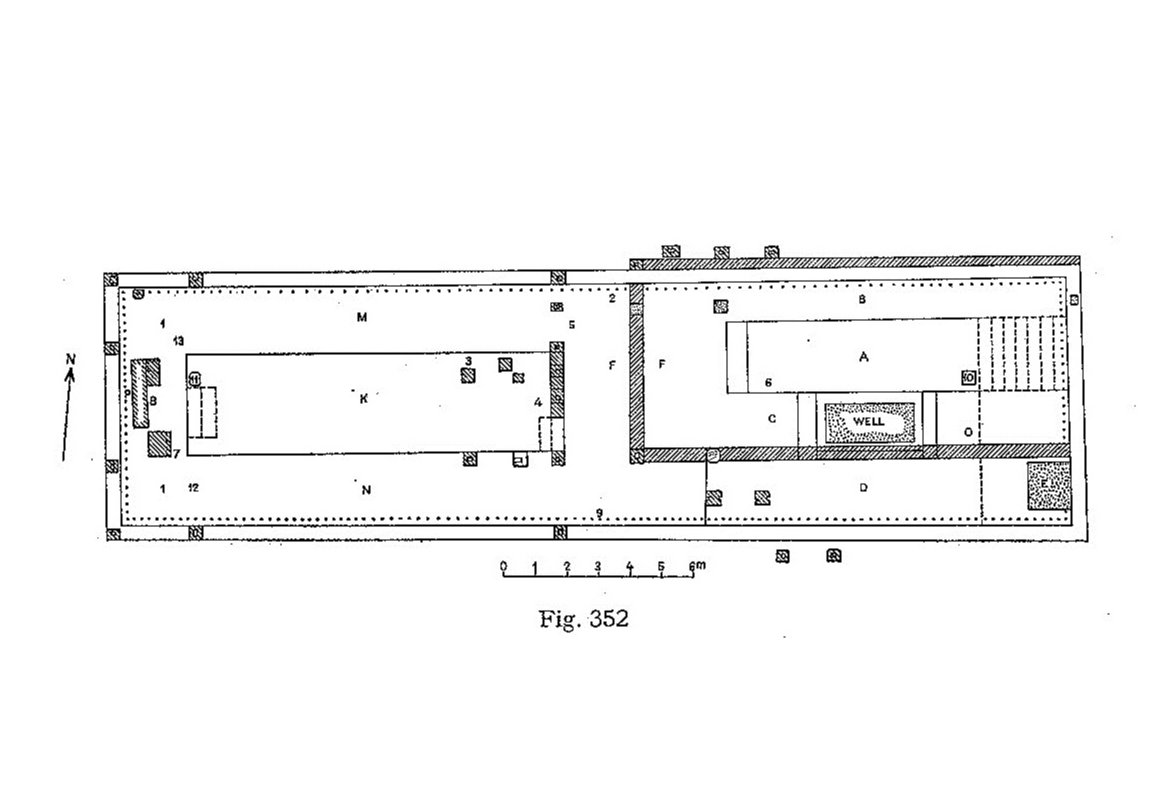
Lors de la construction de l’église Saint-Paul en 1911, un mithraeum a été mis au jour à Königshoffen, vicus gallo-romain situé aux abords du camp légionnaire de Strasbourg-Argentorate.
Nuits-Saint-Georges is a commune in the arrondissement of Beaune of the Côte-d'Or department in the Bourgogne-Franche-Comté region in Eastern France.
Glanum was an important Roman town in Narbonensis near modern Saint-Rémy-de-Provence.
The locality of Saint Pierre de Messeane is associated with archaeological discoveries from Roman Gaul.

Structure in the Tarn region initially reported as a Mithraeum but later identified as an ordinary silo.
Mithra et ses actualités - Journée d'études (17 décembre 2021) au Musée royal de Mariemont.
Alesia became famous as the site of Caesar’s decisive siege during the Gallic Wars.
A dedicatory inscription to Sol Invictus, made by an individual named Eudaemon, found at Glanum (modern Saint-Rémy-de-Provence) in Narbonensis.
A collection of 284 coins, spanning from 254 to 395 AD and mostly of the fourth century, found in the Mithraeum at Pons Saravi (modern Saarburg) in Belgica, indicating that the sanctuary was founded under the Severan dynasty and destroyed in the fourth century…
A skeleton of a man aged approximately thirty to forty years, with arms tied behind his back and wrists bound with an iron chain, found lying on a fragment of the main relief at the back of the Mithraeum at Pons Saravi (modern Saarburg) in Belgica…
A small terracotta lamp from the Mithraeum at Pons Saravi (modern Saarburg) in Belgica, bearing a beardless head on its upper surface and the inscription SOLI on its underside, found among numerous lamp fragments.
Numerous animal bones including birds, beasts of prey, and the muzzle of a wild boar, found as ritual deposits in the Mithraeum at Pons Saravi (modern Saarburg) in Belgica.
A collection of ritual vessels from the Mithraeum at Pons Saravi (modern Saarburg) in Belgica, including a stone vase, a plate with a lion's head in relief, a terra-sigillata plate with a hunting scene, and an urn filled with ash, bird bones, and rings.