Your search Bu Njem gave 1882 results.
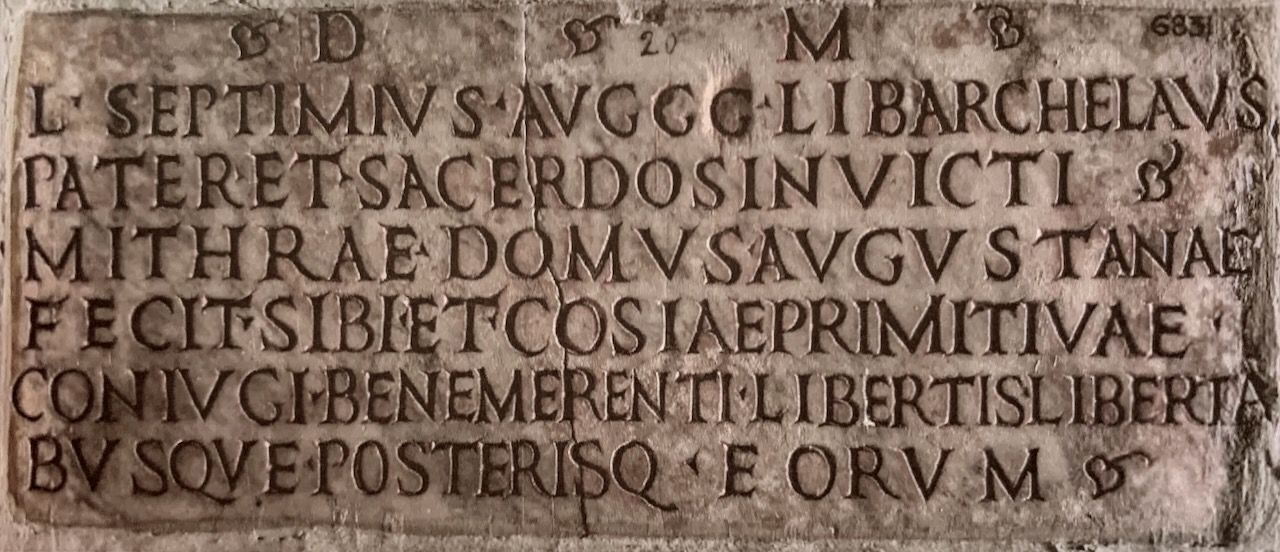
Marble funerary plaque erected by Lucius Septimius Archelaus, a Pater and priest of Mithras, for himself, his wife, and their freedmen and descendants.
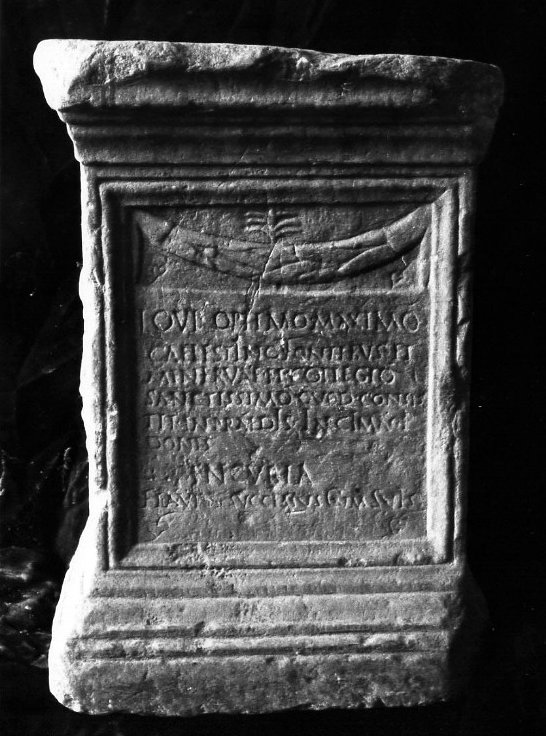
According to the inscription on it, this altar probably supported a statue of Jupiter.
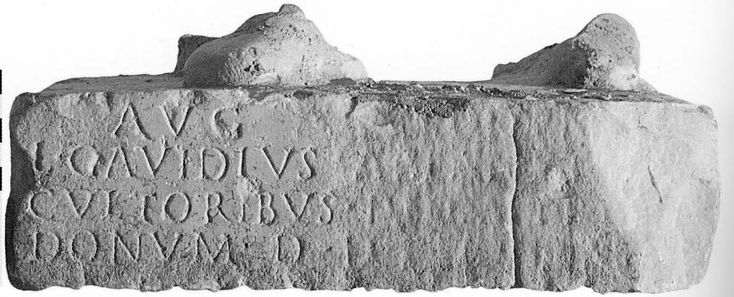
This inscription on white marble by Lucius Gavidius uses the term ther cultores to refer to his Mithraic community in Stabiae, Italy.
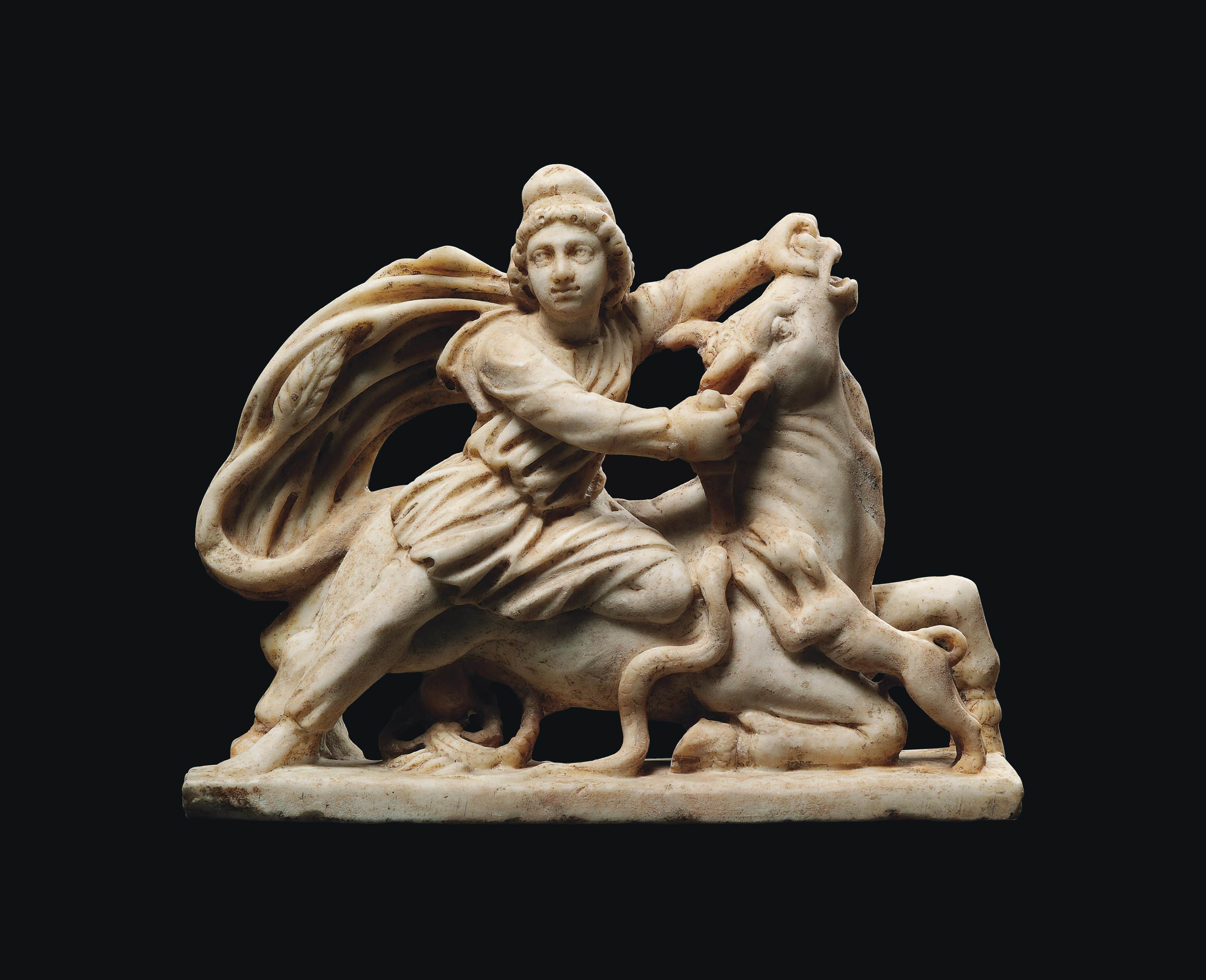
Marble group of Mithras slaying the bull, formerly sold by Antiquarium Ltd., New York.
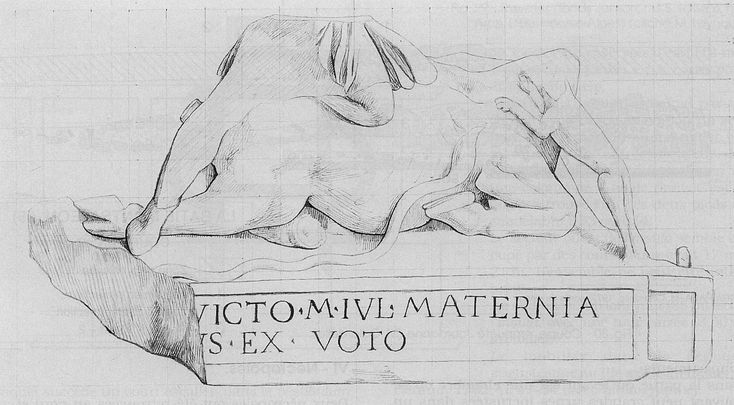
This damaged relief of Mithras killing the bull found in 1804 and formerly exposed at Gap, is now lost.
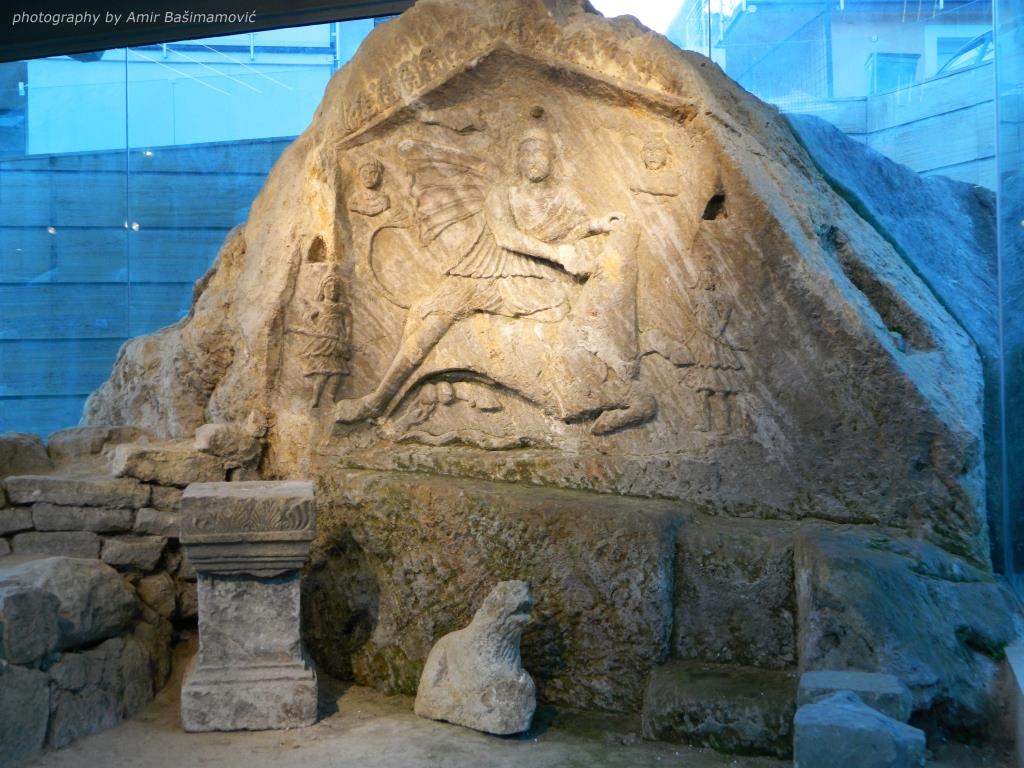
The relief of Mithras killing the bull from the Jajce Mithraeum is walled into the cult niche and surmounted by a roof.
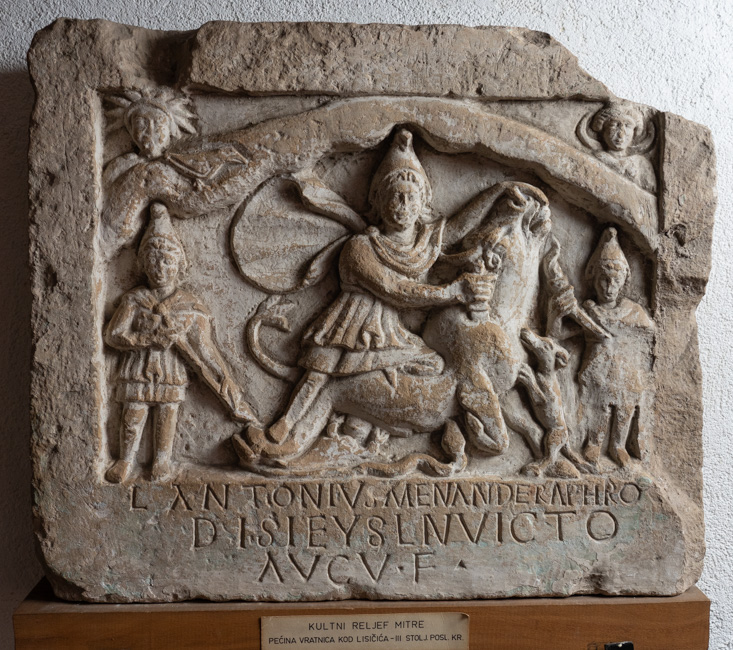
This relief of Mithras as a bullkiller found at Vratnitsa, near Lisicici in northern Macedonia, was signed by a certain Menander Aphrodisieus.
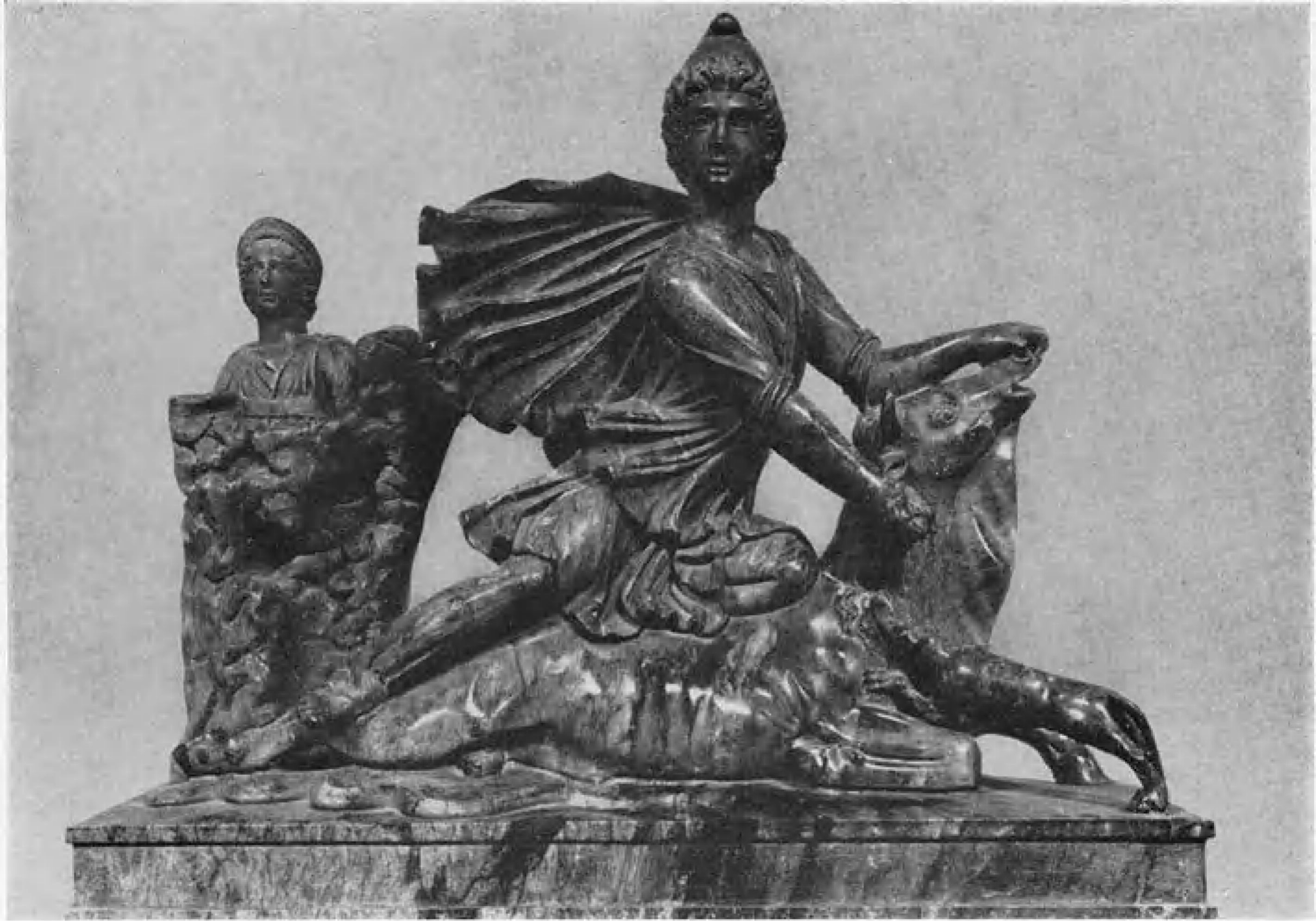
This black marble of Mithras killing the Bull has belonged to the sculptor Carlo Albacini.

This altar was dedicated by a certain Marcus Aurelius Decimus to Sol Mithras and other gods in Diana, Numibia, present Argelia.
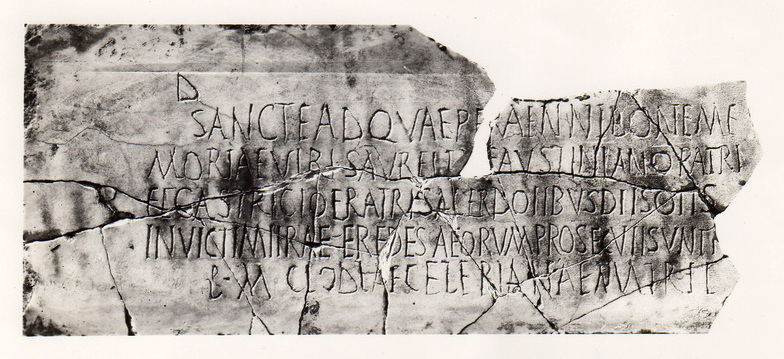
This inscription was commissioned by a family of priests of the invincible god Mithras.
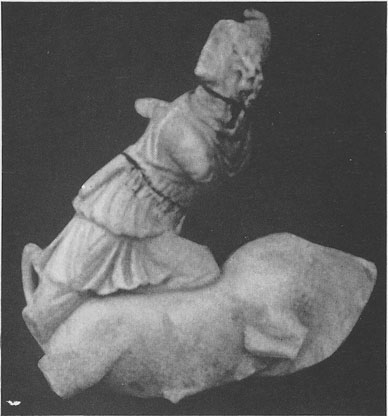
Fragment of a white marble statue of Mithras killing the bull from Rusicade, today Skikda, Algeria.
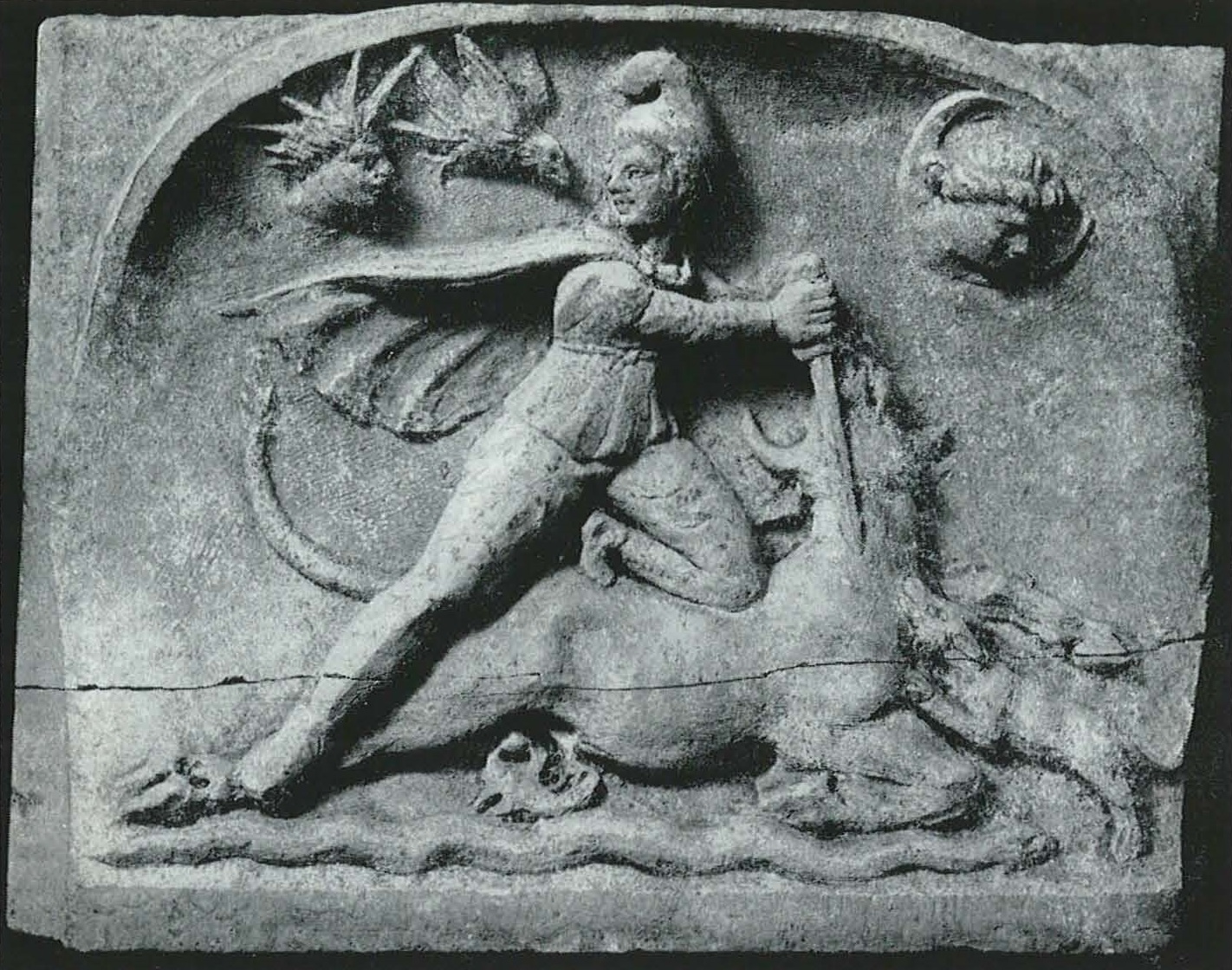
This simple relief of Mithras killing the bull without his companions Cautes and Cautopates was found in the so-called Mithraeum of the Esquilino, Rome.

This bronze arm, with stars and a swastika, was once thought to be part of a Mithras statuette but has since been dismissed as unrelated to the Mithras cult.

White marble statue of Mithras killing the sacred bull preserved in the Museo Nacional Romano.

The importance of the Mithraeum of Marino lies in its frescoes, the most significant of which is that of Mithras slaying the bull, surrounded by mythological scenes.
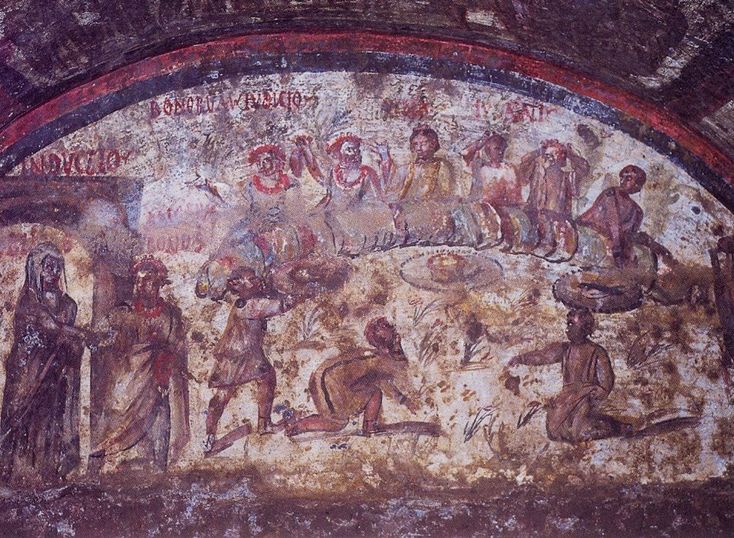
The epigrahy includes a mention of Marcus Aurelius, a priest of the god Sol Mithras, who bestowed joy and pleasure on his students.
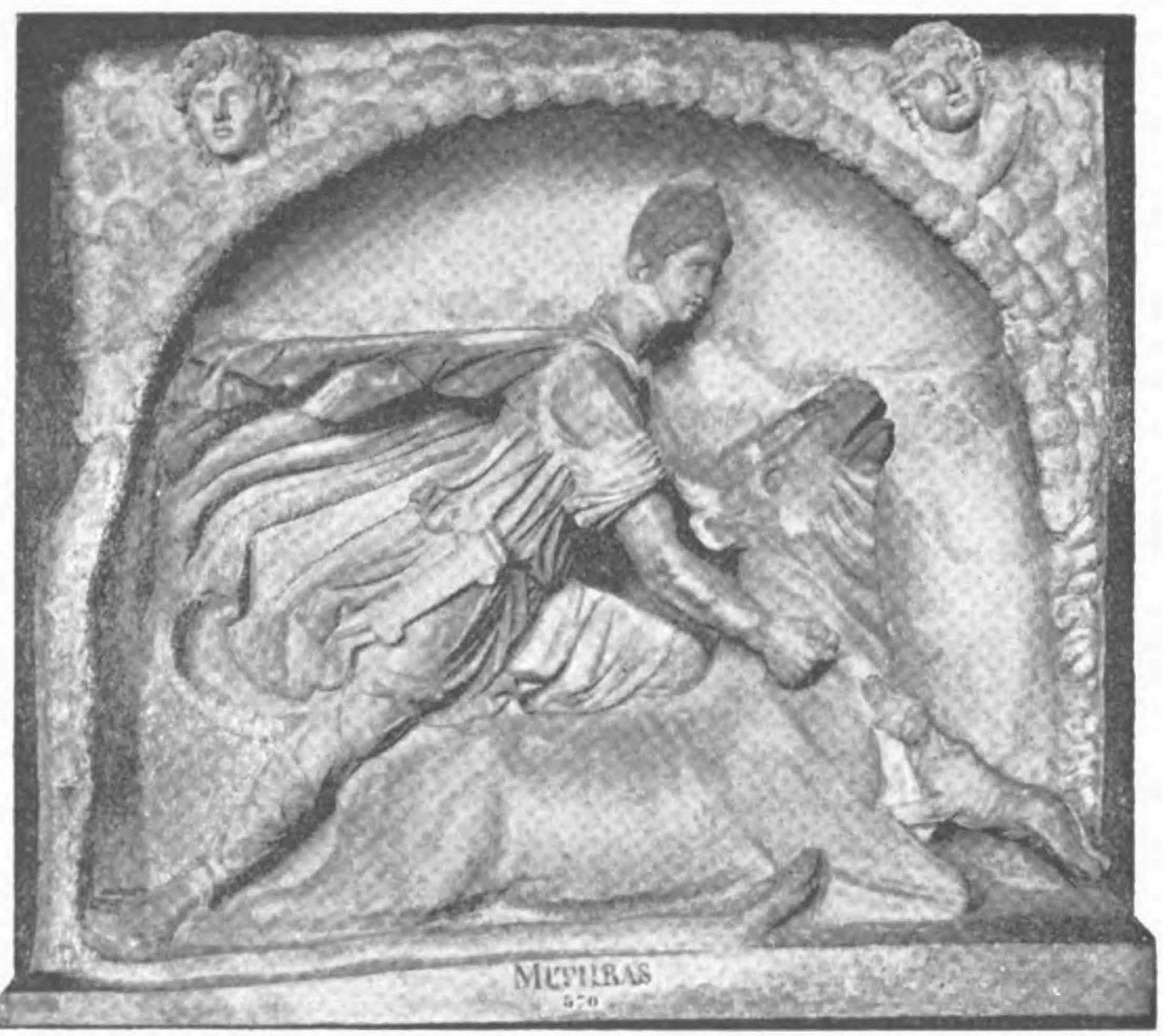
This is one of the three reliefs depicting Mithras killing the bull that the Louvre Museum acquired from the Roman Villa Borghese collection.
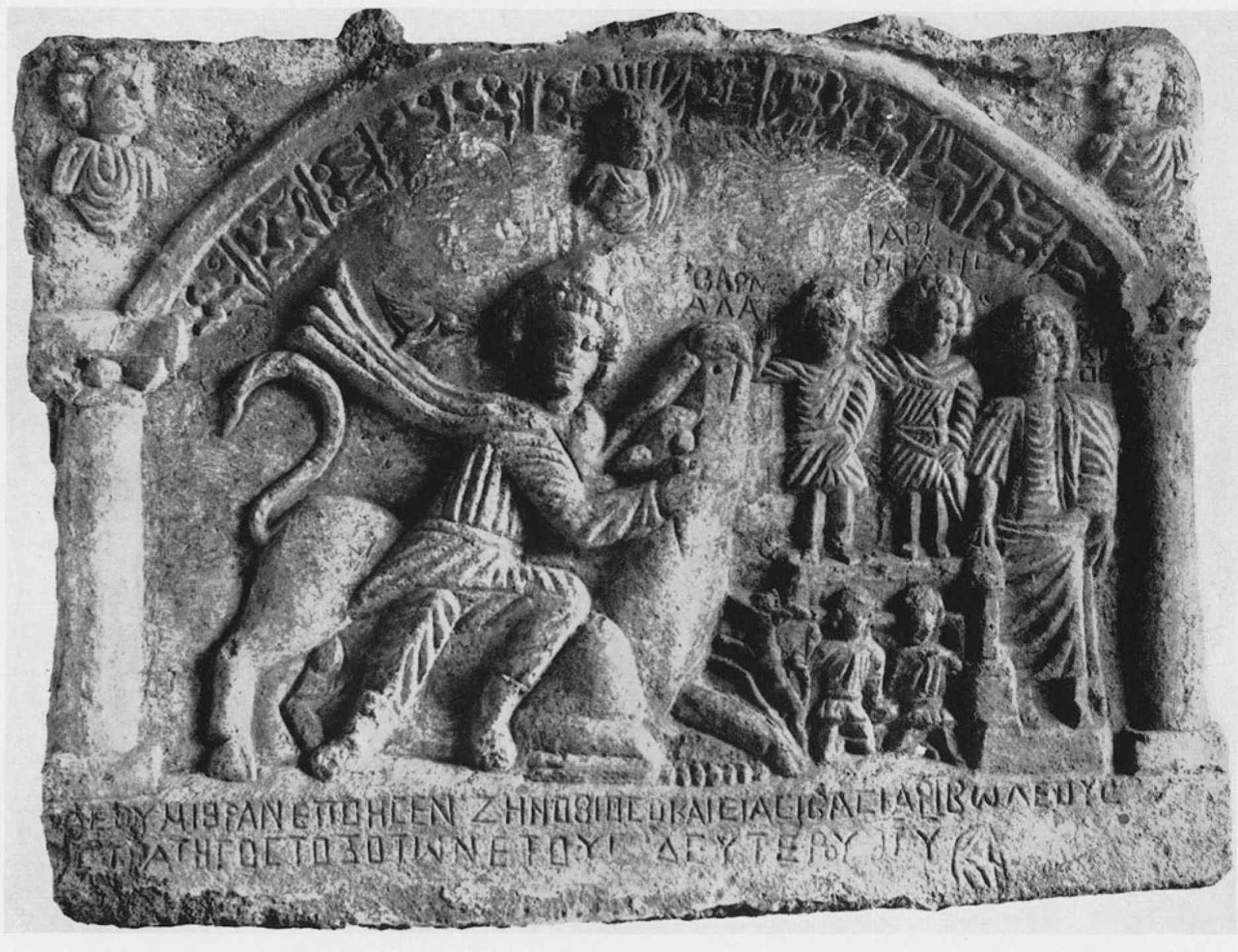
The main relief of Mithras killing the bull from the Mithraeum of Dura Europos includes three persons named Zenobius, Jariboles and Barnaadath.
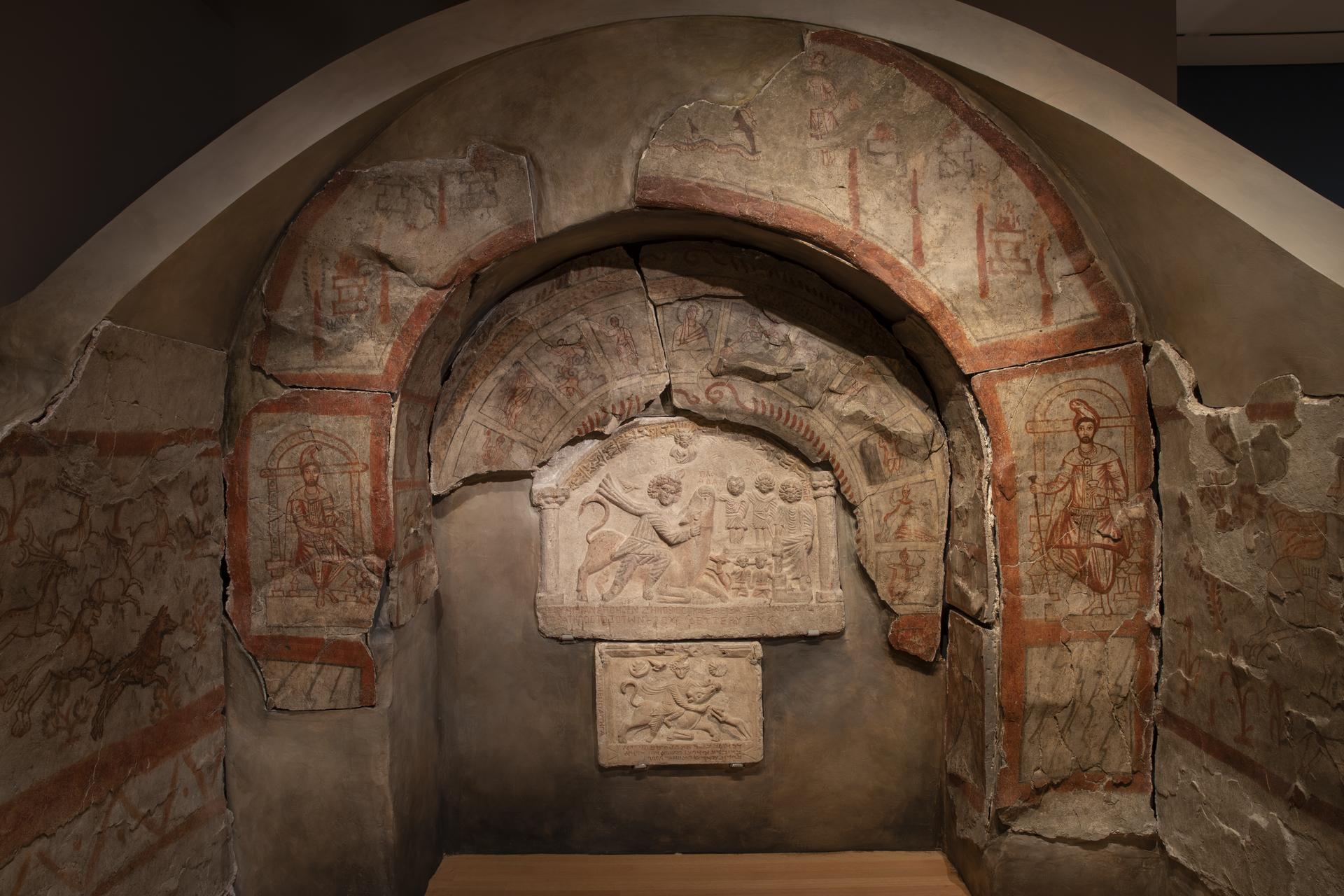
This enigmatic fresco on top of the main tauroctony shows Mithras killing the bull, accompanied by Cautes and Cautopates, surrounded by burning altars and cypress trees.
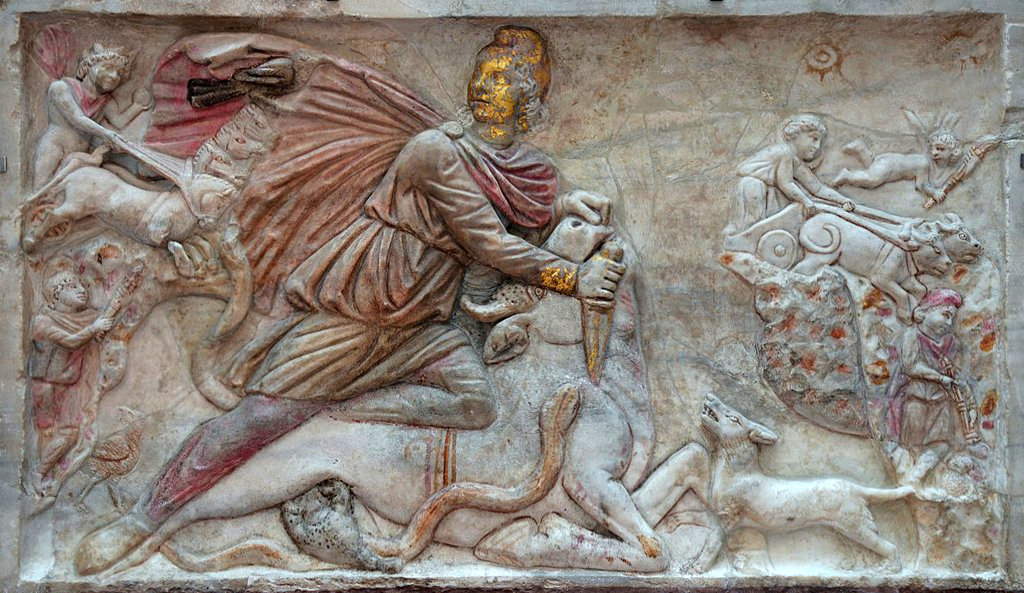
The relief of Mithras killing the bull of Stefano Rotodon preserves part of his polycromy and depicts two unusual figures: Hesperus and an owl.
