Your search Bu Njem gave 1882 results.

Two sandstone altar fragments from Mainz, ancient Mogontiacum, with a partially preserved dedication to Deo invicto Mithrae
Fragmentary sandstone altar from Mainz, ancient Mogontiacum, dedicated to Deo invicto Mithrae by Marcus A., a duplicarius of an ala
Miscellaneous objects from the Rückingen Mithraeum including stone balls, cult-vase fragments, lamps, and two candlesticks
Sandstone Mithras relief discovered in 1950 near Rückingen, proving the existence of a Mithraeum there from the late second to early third century AD
Square bronze plate from Mithraeum III at Heddernheim, ancient Nida, probably a cult tessera bearing barely legible engraved letters

Fragment of a statuette on a sandstone base found in Mithraeum III at Heddernheim, ancient Nida, formerly in the Häberlin collection
Two sandstone reliefs from Vibbel, found in a pit at Heddernheim, ancient Nida, in 1884, probably lost during the Second World War
Tall sandstone column base from Mithraeum I at Heddernheim, ancient Nida, with an inscription set between two columns, possibly naming Mithras
Basalt relief from Mithraeum I at Heddernheim, ancient Nida, featuring a depiction of the goddess Epona, found in a Mithraic context
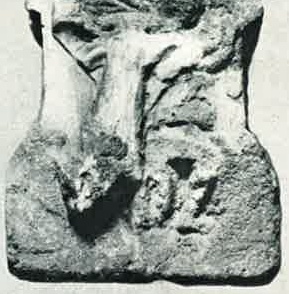
Small sandstone altar from Mithraeum I at Heddernheim, ancient Nida, bearing a snake and cult imagery consistent with Mithraic worship
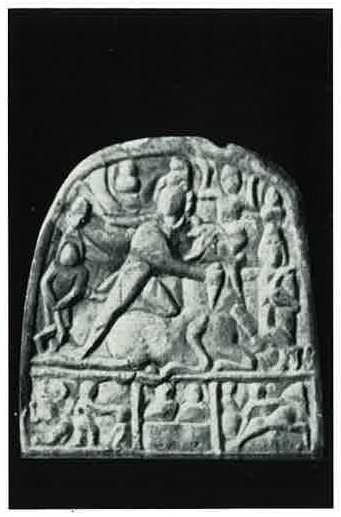
Small tauroctony relief in white marble, preserved in five fragments, from Mithraeum I at Heddernheim, ancient Nida
Sandstone relief preserving parts of Mithras, the dog and Cautopates from a lost third Mithraeum at Friedberg.
Ritual coin deposits beneath sanctuary bases helping date the Mithraeum to the late second century A.D.
Sandstone altar from the centre of the sanctuary dedicated to the goddesses Quadrubiae near a crossroads shrine.
Inscribed altar from the Friedberg Mithraeum erected by the beneficiarius consularis Caius Paulinius Iustus.
Large quartzite tauroctony relief with torchbearers, zodiacal imagery and traces of ancient red paint from the Friedberg Mithraeum.
Fragmentary inscription possibly connected to Sol or Mithras, though attribution remains uncertain.
Complex military inscription invoking Apollo, Sol and Luna under Severus Alexander.
Mithraic altar inscription set up by the centurion Marcus Iulius Martius in 189 CE.
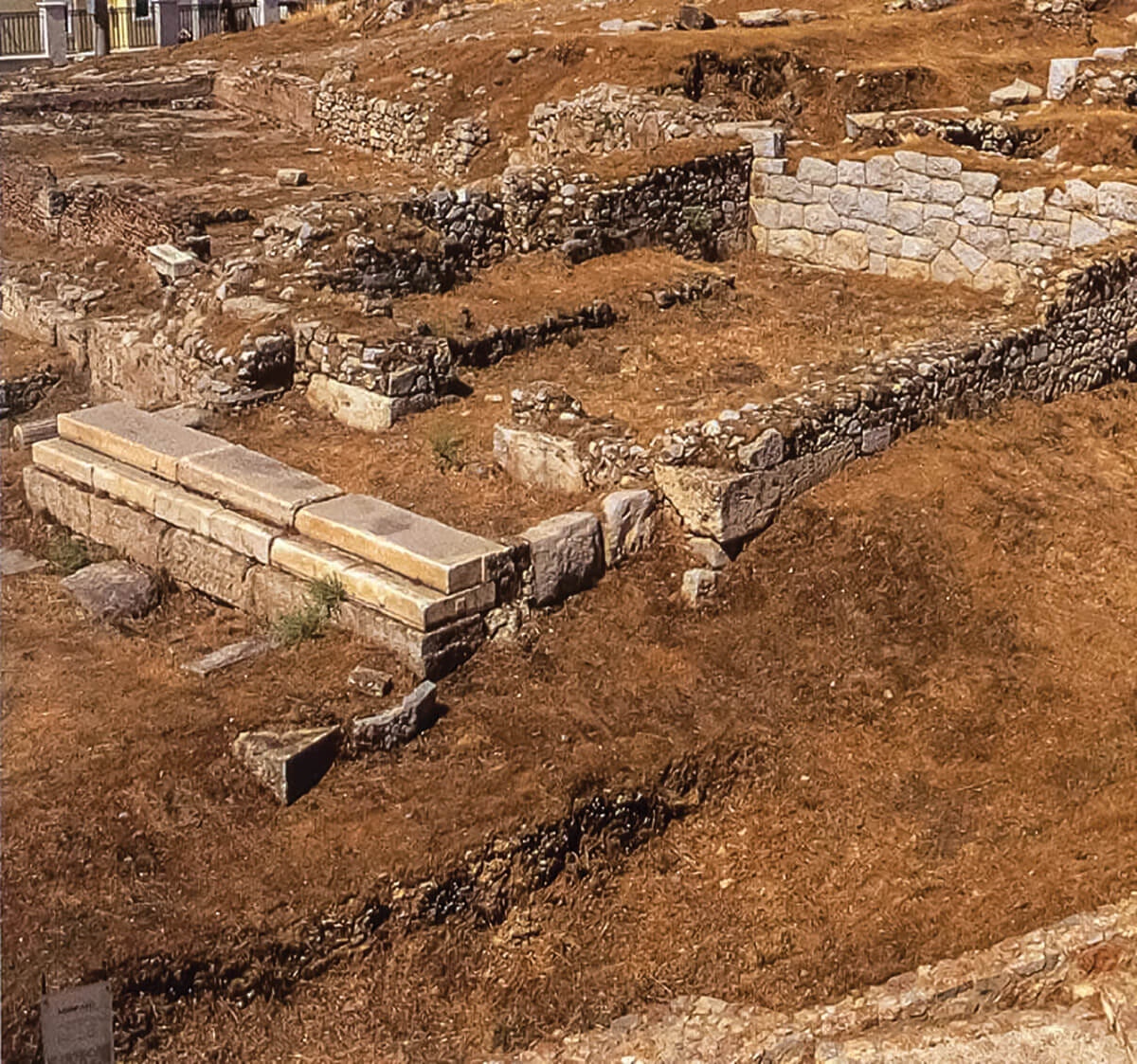
A Mithraeum has been identified in Eleusis where the last Hierophant form thespia had the rank of Father in the Mithraic Mysteries.
