Your search Cabrera de Mar gave 1568 results.
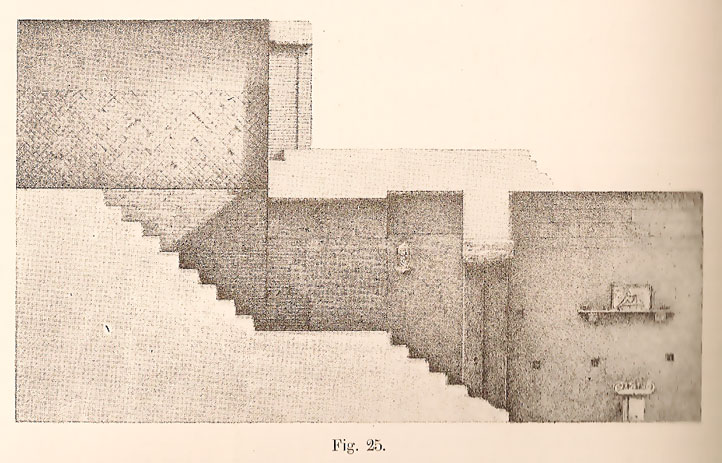
In a house from the time of Constantine, a Lararium was found with a statue of Isis-Fortuna. The Mithraeum was a door next to it, on a lower room.
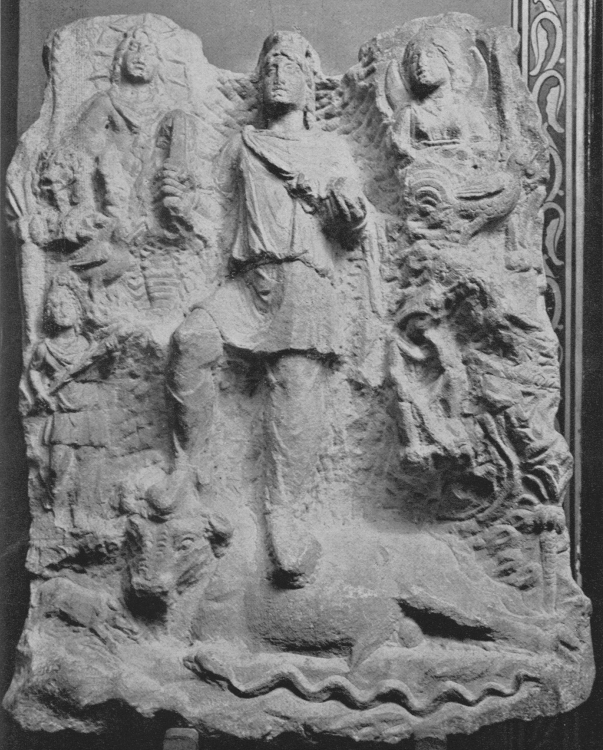
This unusual representation of Mithras standing on a bull was kept in the Casino di Villa Altieri sul Monte Esquilino until the 19th century.
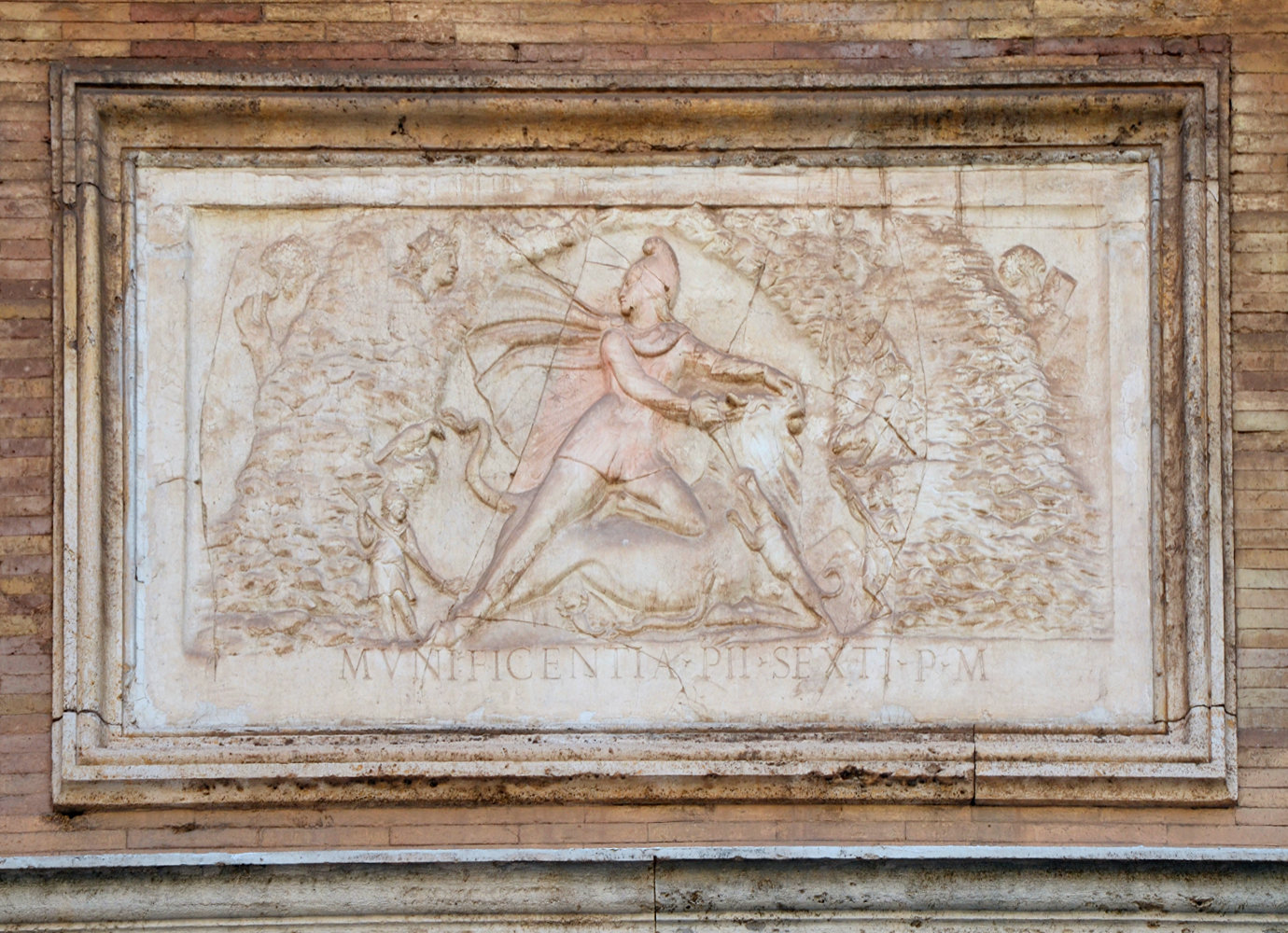
The Tauroctony relief of Mithras killing the bull walled in the Cortile of the Belvedered, Vatican City, was found by Fagan near Ostia.

Statuettes of eastern deities including Mithras, found in a walled compartment near a Punic cemetery at Duimes, Carthage.
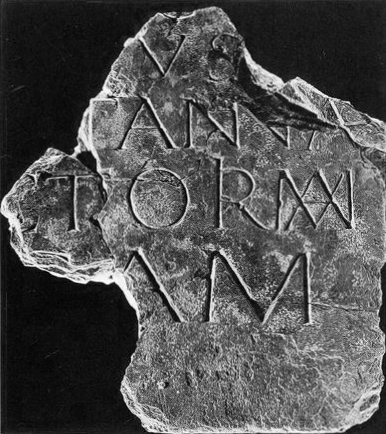
Archaeological material from the Mithraeum of Londinium discussed in Hill’s study of Roman London.
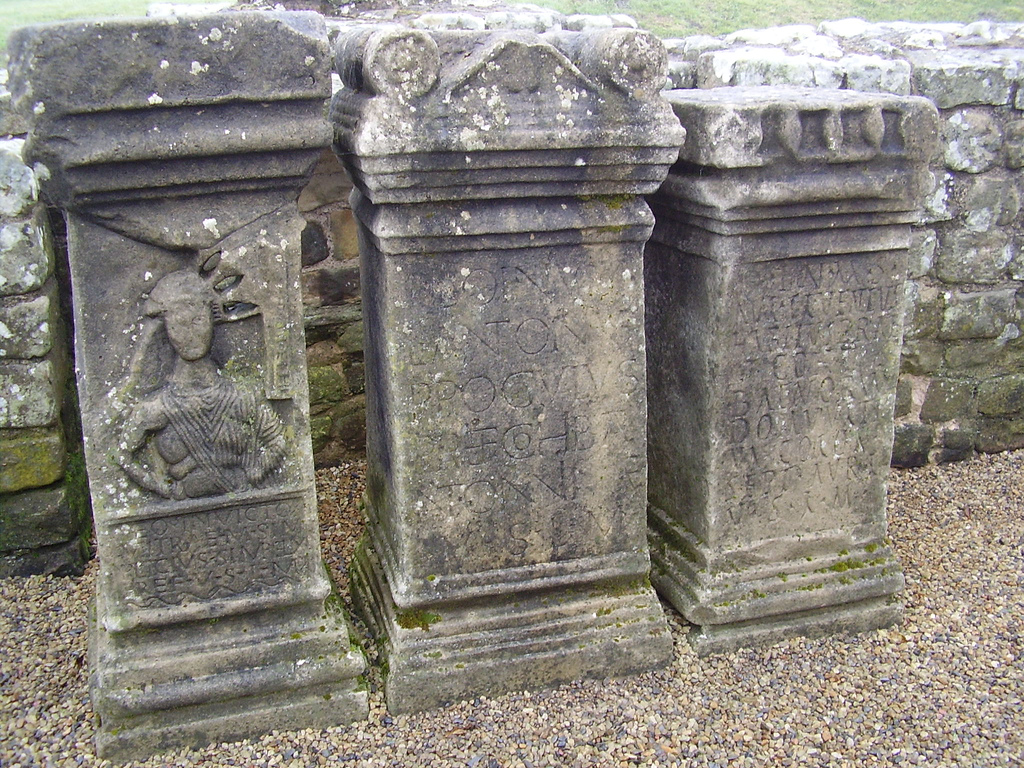
One of the altars from the Carrawburgh Mithraeum depicts the bust of Mithras or Sol.
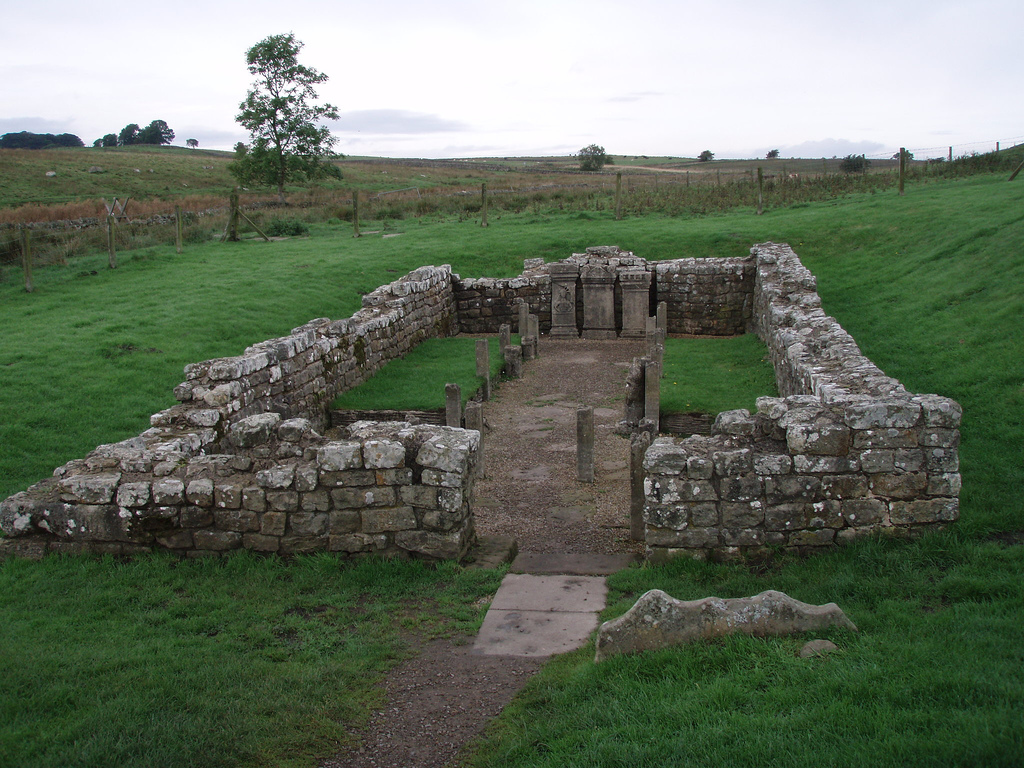
The temple of Mithras of Carrawburgh, Brocolita, disclosed three main stages of development, the second exhibiting two reconstructions.
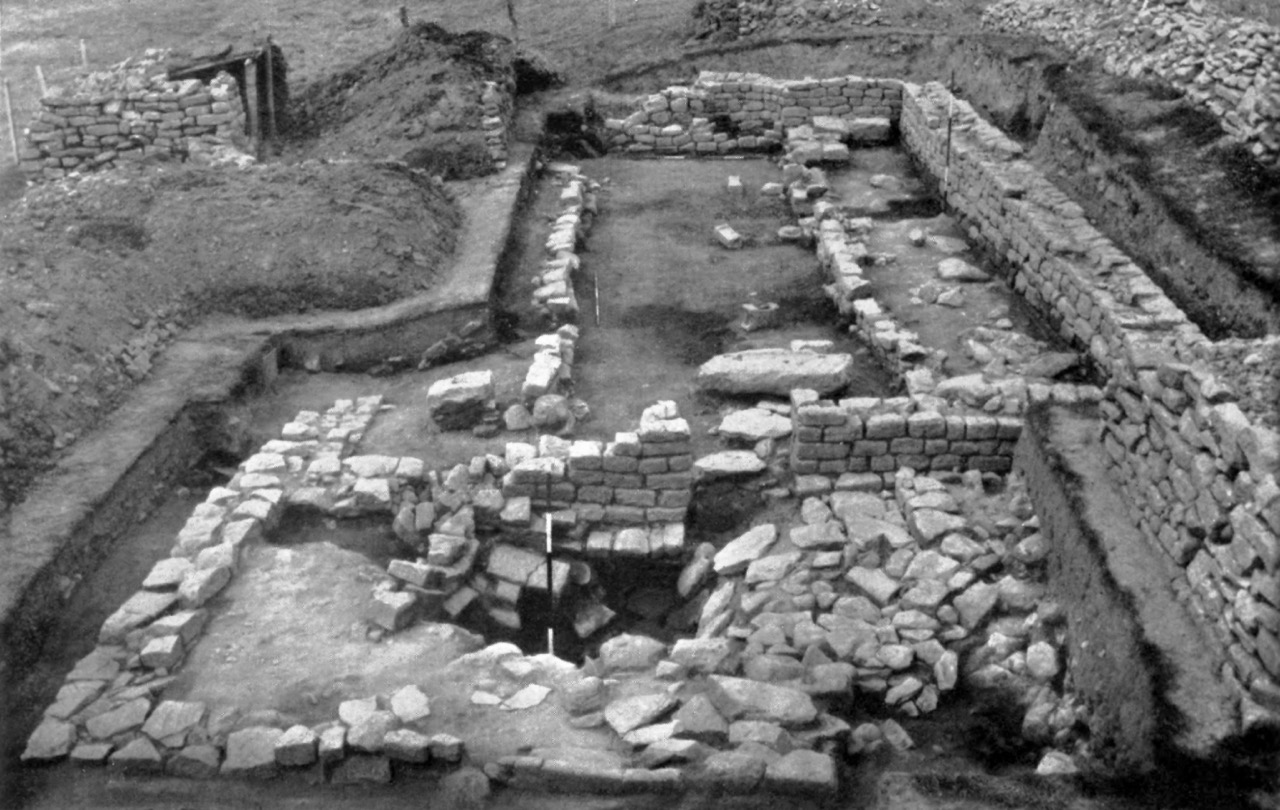
The Mithraeum of Rudchester was discovered in 1844 on the brow of the hill outside the roman station.
Epigraphic monument from Tripolitania preserving a corrected reading discussed in later scholarship.
Fragmentary inscription from Dolni Vadin, Thracia, preserving only the word sancto — probably part of a dedication to Deo sancto invicto.
Altar from Kokardscha near Adam Klissi, ancient Tropaeum Traiani in Moesia Inferior, dedicated to Deo invicto for the welfare of Emperor Marcus Antoninus Verus by Annius Saturninus, centurion of Legio XI Claudia.
Limestone altar from Stojnik, Moesia Superior, found at a house at Guberevci, dedicated to Deo Mithrae Soli for the welfare of Emperor Severus Alexander.
Primitive marble tauroctony relief from the Museum at Cluj, Dacia, attributed to Micia but with uncertain provenance; a rough representation of Mithras killing the bull without Phrygian cap.
Left portion of a large limestone tauroctony relief from Mintia, ancient Micia in Dacia, depicting Mithras killing the bull with a belt, the bull's tail ending in corn-ears, together with subsidiary Mithraic scenes.
Inscription from Decea Mureșului, ancient Bruckla in Dacia, dedicated to Invicto Mithrae; the dedicant's name is only partially preserved.
Inscription from Narona, Dalmatia, dedicated to Deo Soli Iovi optimo maximo aeterno sacrum; the Mithraic attribution is doubtful.
Altar found at Vid near Metković, ancient Narona in Dalmatia, dedicated to Invicto deo Soli by the freedman Marcus Lusius Trofimas.
Fragmentary inscription from Rittium, Pannonia Inferior, dedicated to Deo invicto Mithrae.
Fragment of a marble tauroctony relief from Surduk, ancient Rittium in Pannonia Inferior, preserving only Mithras's right foot and leg with the bull below.
Bronze plate from Budapest, ancient Aquincum or vicinity, preserving a Mithraic representation of uncertain composition; no longer in a known collection.
