Your search Catacombe dei Santi Marcellino e Pietro gave 242 results.

Base of a Venus statuette preserving only the feet and a jug with a cloth on the right side, from the Mithraeum at the Palazzo dei Musei, Rome; a second broken base may also have belonged to a Venus statuette.
Lower part of a small statuette of Minerva in a long chiton, leaning on a shield with her left hand, from the Mithraeum at the Palazzo dei Musei, Rome.
Marble pilaster broken in two with ridges on all four sides and the head of Sol in a radiate crown at the top, from the Mithraeum at the Palazzo dei Musei, Rome.
Marble serpent's head with a small hole at the beginning of its neck, belonging to a Mithras bull-killing group or a rock-birth scene, from the Mithraeum at the Palazzo dei Musei, Rome.
Fragment of a small white marble relief showing Cautes in tunica manicata and long cloak with an upraised flaming torch, from the Mithraeum at the Palazzo dei Musei, now at Via Portico d'Ottavia 29, Rome.
Small undecorated altar of travertine without inscription, from the Mitreo dei Serpenti at Ostia.
Late Roman funerary inscription from Antium commemorating the senator, governor of Numidia and Mithraic pater Alfenius Ceionius Iulianus Kamenius.
Large marble base from near Kutyamál at Apulum, Dacia, dedicated ex iussu dei Apollinis and naming the Fons Aeternus — the eternal spring — by Ulpius Proculinus, speculator of Legio XIII Gemina.
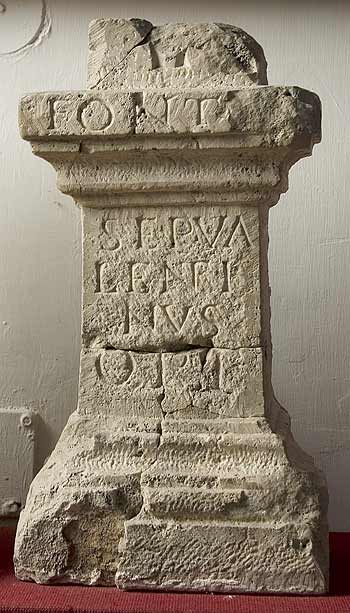
Fragmentary limestone altar dedicated by Septimius Valentinus, an optio, probably discovered in Mithraeum IV at Aquincum.

Italica was an ancient Roman city in Hispania; its site is close to the town of Santiponce in the province of Seville, Spain.
This inscription probably belonged to the fourth mithraeum of Poetovio and records the restoration of a Mithraic temple by the dux Aurelius Iustinianus.
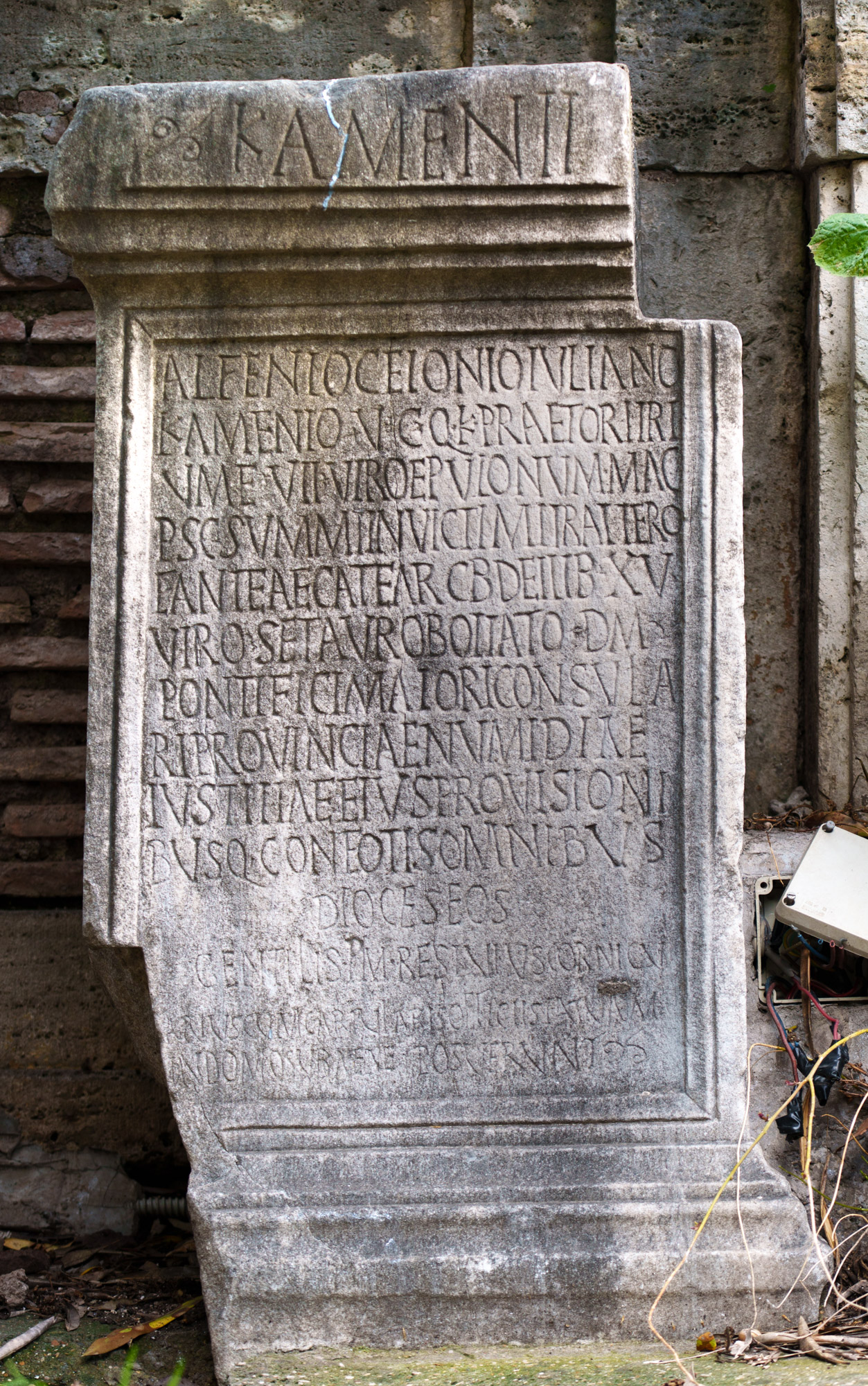
Honorific marble statue base dedicated to the senator and Mithraic pater Alfenius Ceionius Iulianus Kamenius by members of his provincial administration.

This marble altar was found ’in the street called di Branco’, behind the palace of the Cardinal of Bologna, in Rome.
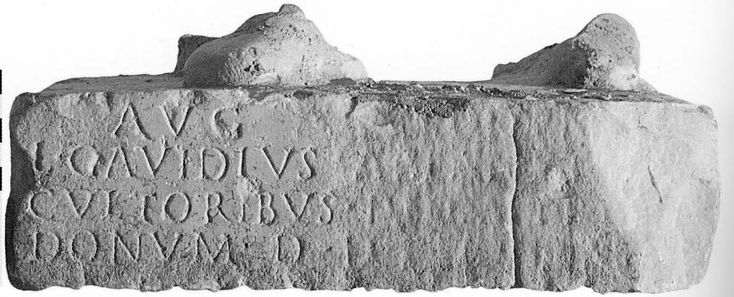
This inscription on white marble by Lucius Gavidius uses the term ther cultores to refer to his Mithraic community in Stabiae, Italy.
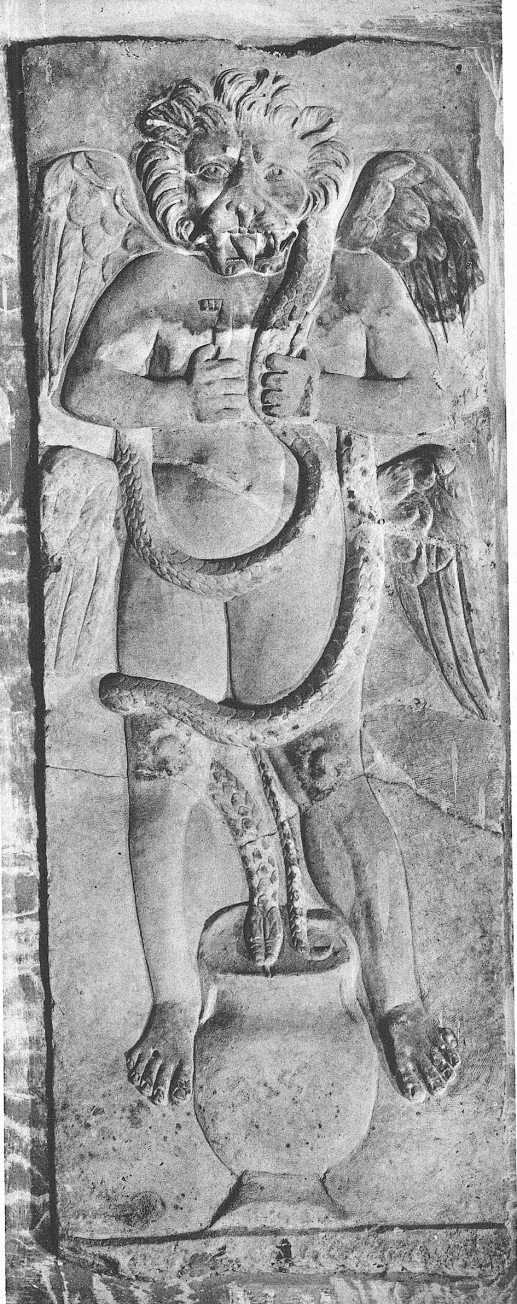
This white marble relief depicting a lion-headed figure from Ostia is now exposed at the Musei Vaticani.
This cylindrical marble altar was dedicated by the same Pater Proficentius as the slab, both monuments found in the Mithraeum beneath the Basilica of San Lorenzo.

Ernest Renan suggested that without the rise of Christianity, we might all have embraced the cult of Mithras. Nevertheless, it has had a lasting influence on secret societies, religious movements and popular culture.
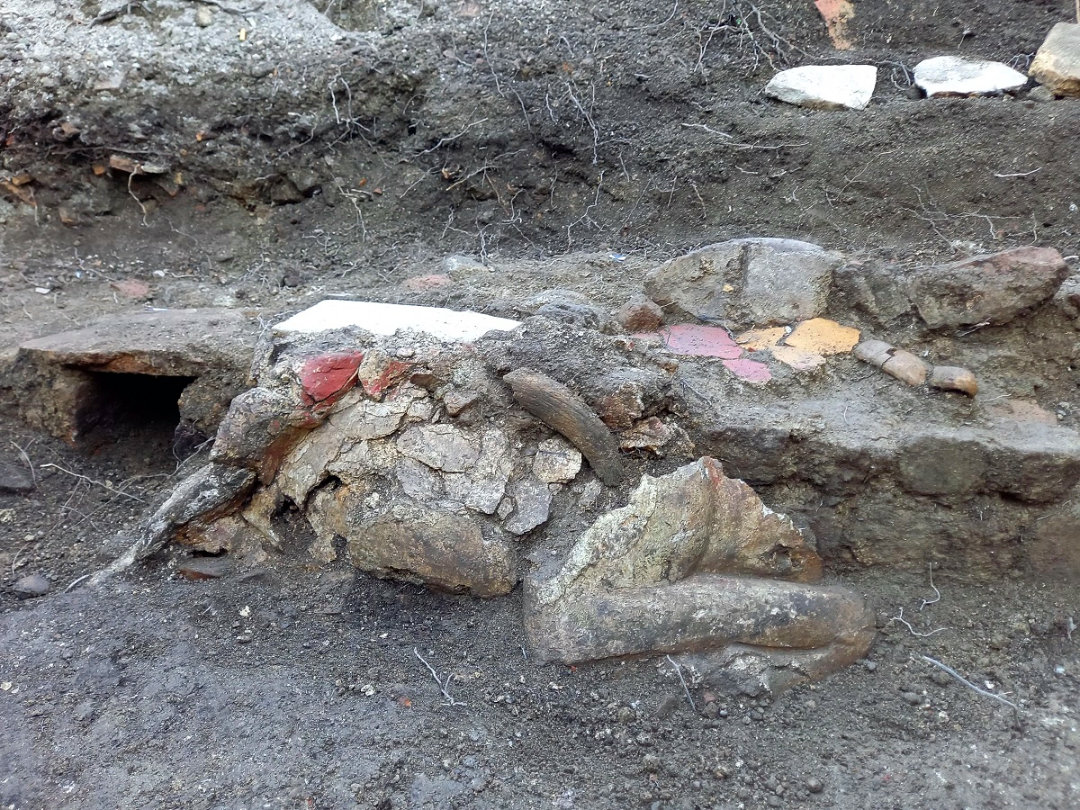
Archaeologists discovered the 20th temple dedicated to Mithras in Ostia during the restoration of the domus del capitello di stucco in 2022.
In this 4th-century Roman altar, the senator Rufius Caeionius Sabinus defines himself as Pater of the sacred rites of the unconquered Mithras, having undergone the taurobolium.
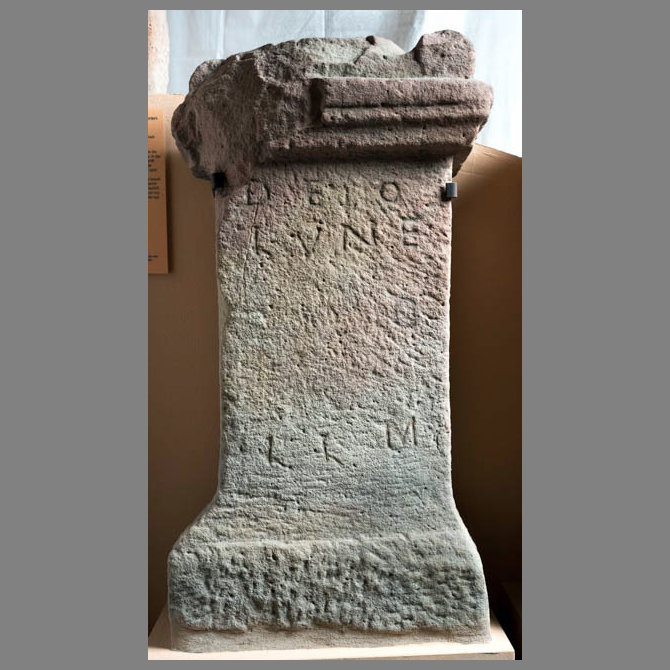
This sandstone altar was dedicated to Luna, who is mentioned as a male deity.
