Your search Como gave 33 results.

An inscription recording the completion and dedication of the Temple of Sol at Como by T. Flavius Postumius Titianus, corrector of Italy, by order of the emperors Diocletian and Maximian, with Axilius the Younger as curator of the city of the Comenses.
A marble slab reused as a tombstone in Comodilla's catacombs near the Via Ostiense in Rome, originally inscribed by Titus Flavius Eutychus as a gift to the Invincible and Holy god.
Lower part of a white marble cinerary casket decorated with a relief of Mithras killing the bull, from the necropolis area near the amphitheatre of Sabratha.
Limestone keystone dedicated to the invincible Sun by Peticius Pastor and preserved at Lepcis Magna.
Epigraphic monument from Tripolitania preserving a corrected reading discussed in later scholarship.
Bergamo is a city in the alpine Lombardy region of northern Italy, approximately 40 km northeast of Milan, and about 30 km from Switzerland, the alpine lakes Como and Iseo and 70 km from Garda and Maggiore.

Tribune of the First Cohort of Vardulli, he erected a mithraeum at Bremenium together with his consacranei.

A selection of texts gathered by Ernesto Milá that reinterprets Mithraism as an initiatory, solar, and heroic cult. It includes the so-called Great Magical Papyrus of Paris, translated and commented by Julius Evola and the Ur Group.

Este es un libro que pretende esbozar un panorama general de los documentos mitraicos repartidos a lo largo del Imperio romano.

Una novela negra, adictiva e irreverente sobre un triángulo amoroso perdido en la España vaciada.

Tercera entrega de la trilogía de Jaime Alvar dedicada al estudio de los cultos a dioses procedentes de Oriente en la Península Ibérica.

Peter Kingsley interpreta el poema de Parménides a la luz de inscripciones del sur de Italia y lo sitúa en un trasfondo religioso ligado a los ritos de incubación y a los sacerdotes de Apolo.

Centurio frumentarius probably from Tarraco, who served in the Legio VII Gemina located in Emerita Agusta.
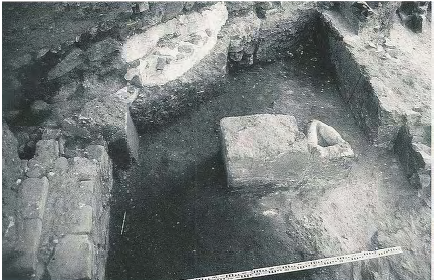
The Mithraeum at Espronceda Street, in Merida, was discovered in 2000. It is a semi-subterranean temple.