Your search Farid ud-Din Attar gave 1805 results.
Yolanda’s multimedia dissertation focuses on the cognitive mechanisms that motivate Mithras worshippers. Her work includes a podcast entitled Conversations about Mithras.
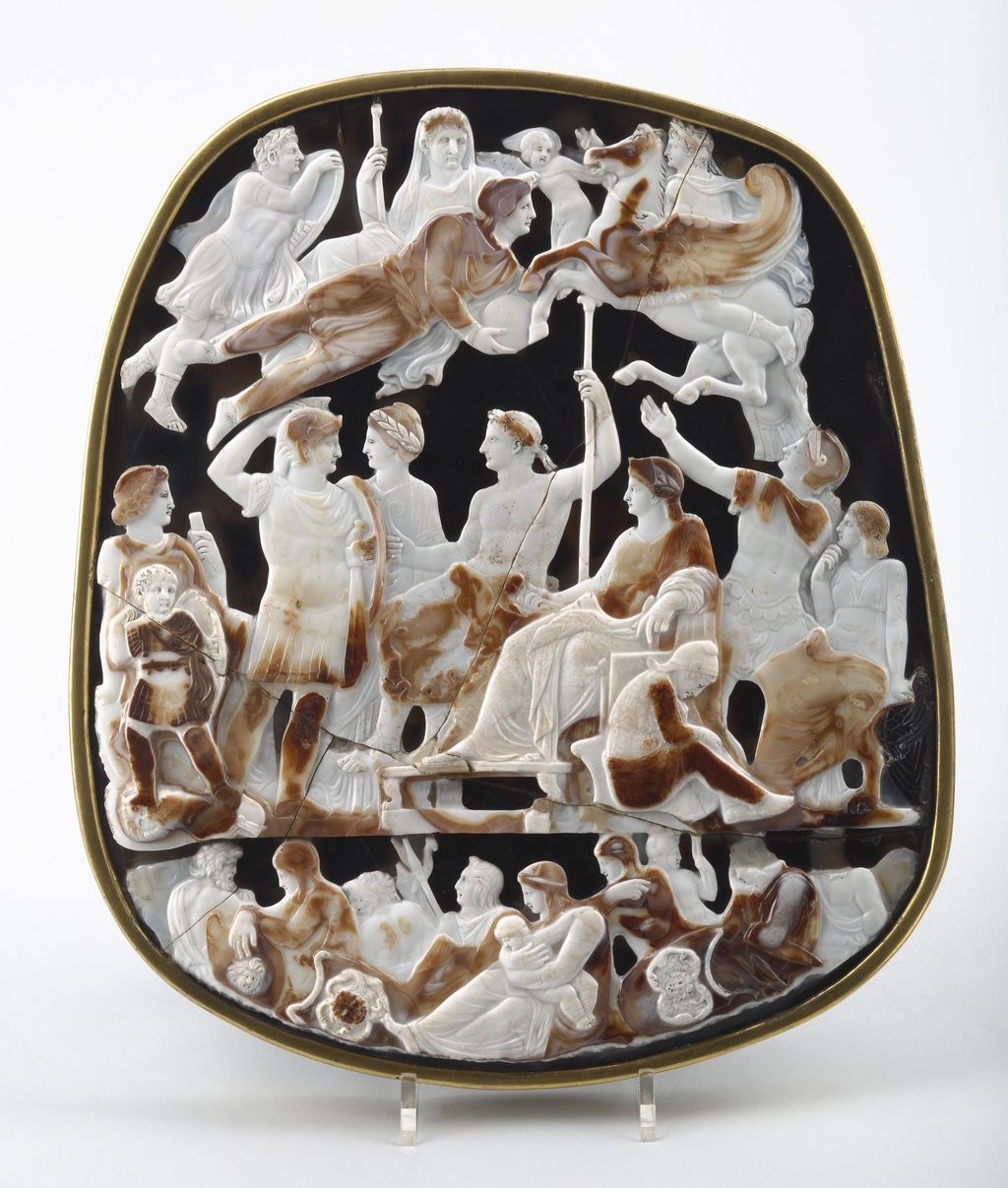
Some authors have speculated that the flying figure dressed in oriental style and holding a globe could be Mithras.
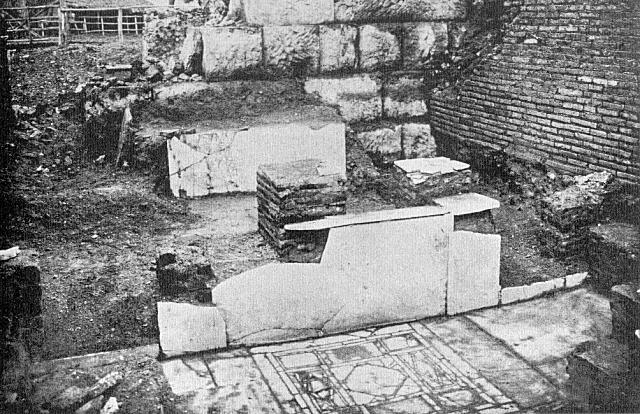
The Mithraeum of Aldobrandini was excavated in 1924 by G. Calza on the premises belonging to the Aldobrandini family.

PhD Thesis by Vittoria Canciani, coordinated by A. Mastrocinque. Verona, 14th April 2022.
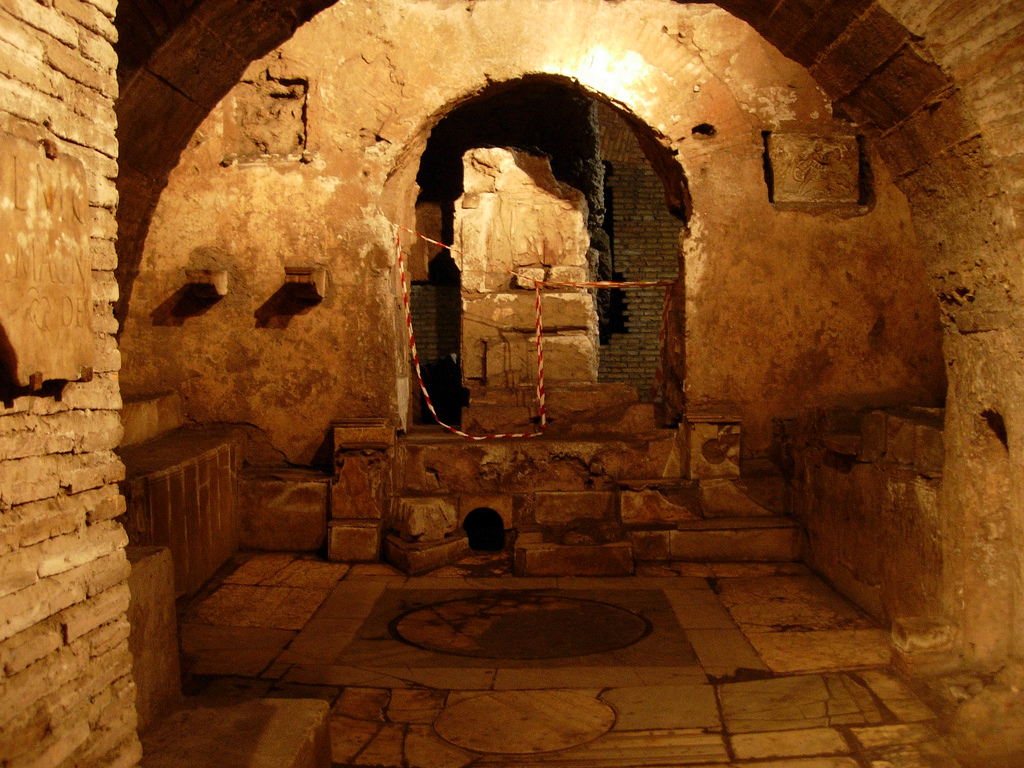
The Mithraeum of the Circus Maximus was discovered in 1931 during work carried out to create a storage area for the scenes and costumes of the Opera House within the Museums of Rome building.
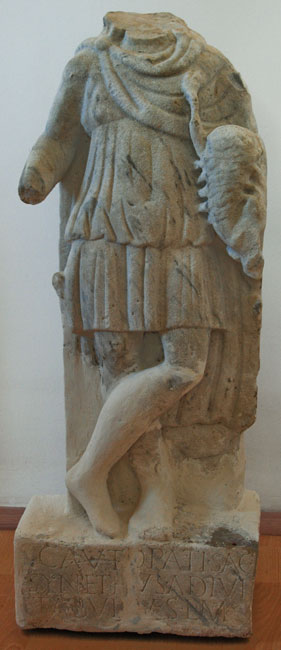
The Cautopates with scorpion found in 1882 in Sarmizegetusa includes an inscription of a certain slave known as Synethus.
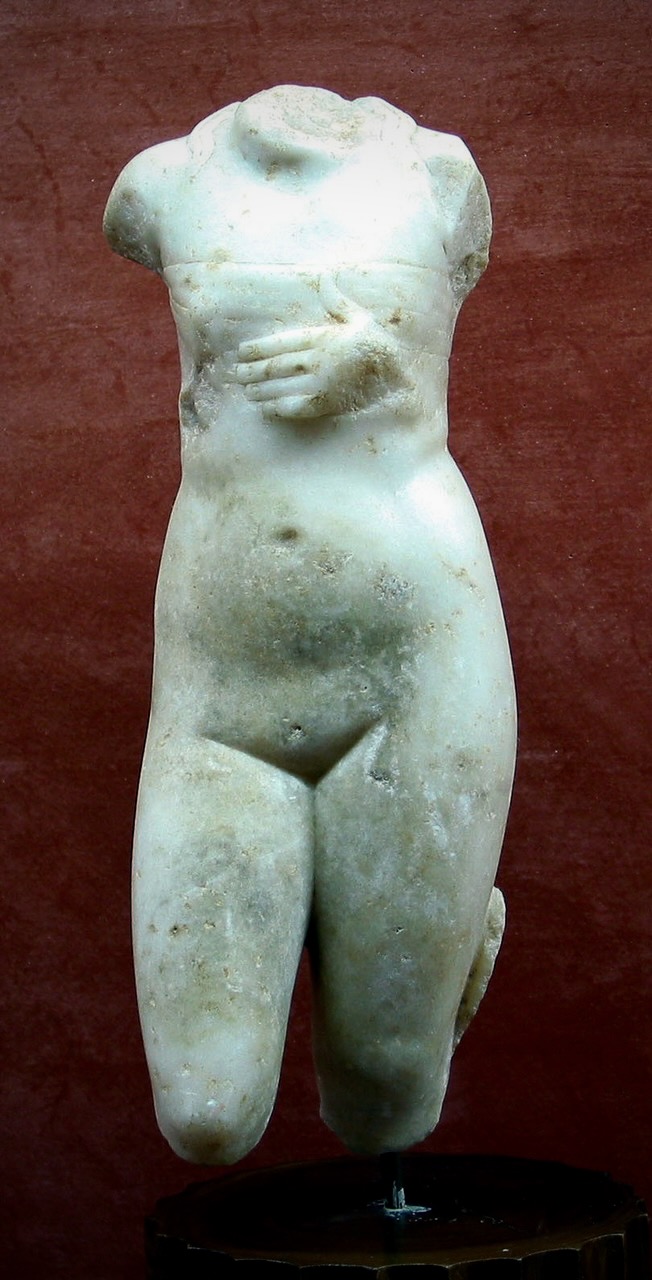
The lack of attributes and its decontextualisation prevent us from attributing a specific Mithraic attribution to this small Venus pudica from Mérida.
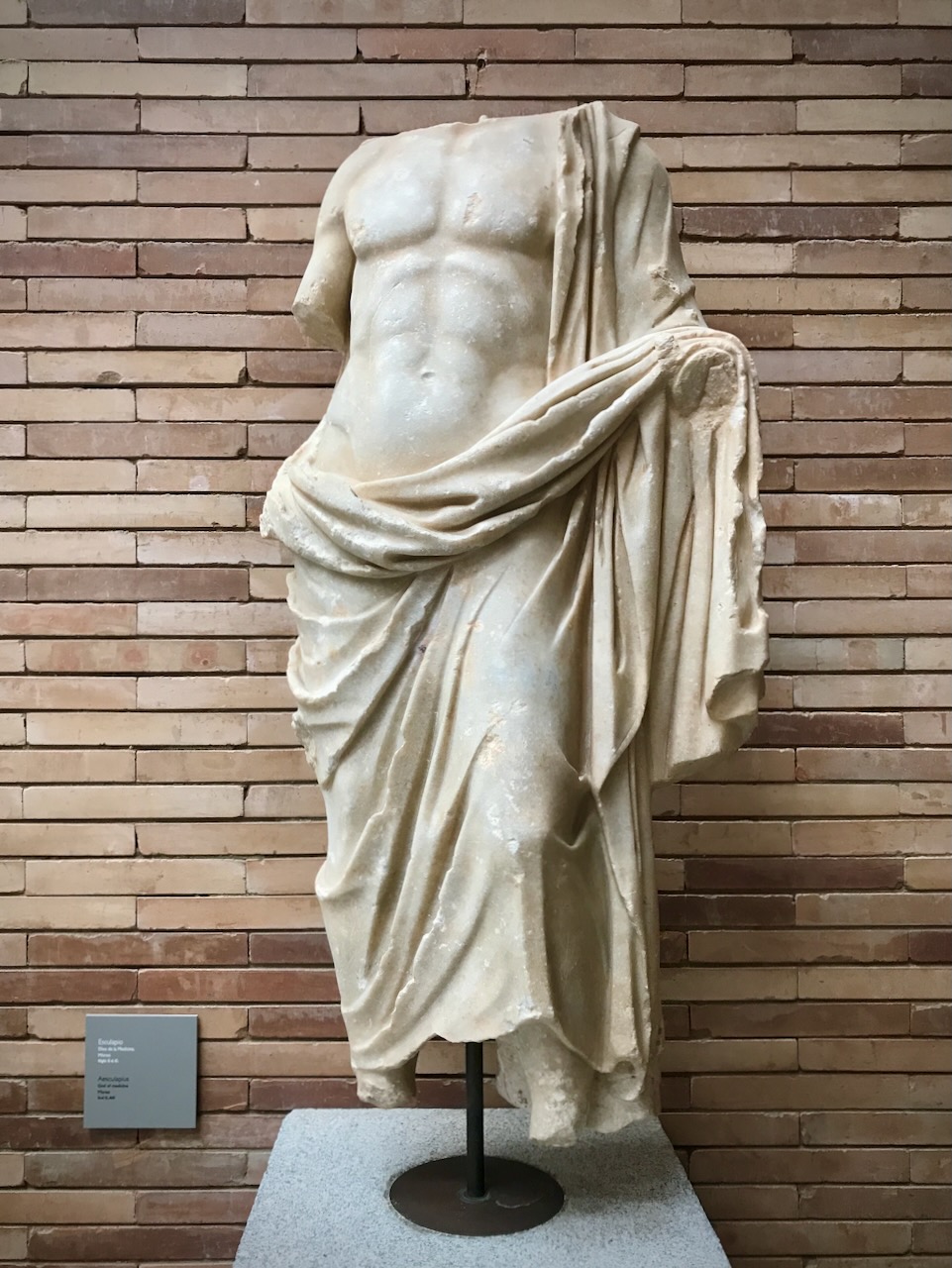
This standing sculptural figure from Mérida appears to carry the serpent staff, characteristic of the medicine god Aesculapius.
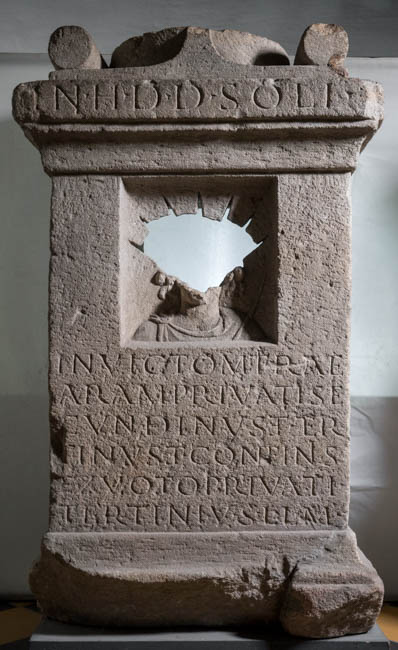
The altar of the Sun god belongs to the typology of the openwork altar to be illuminated from behind.
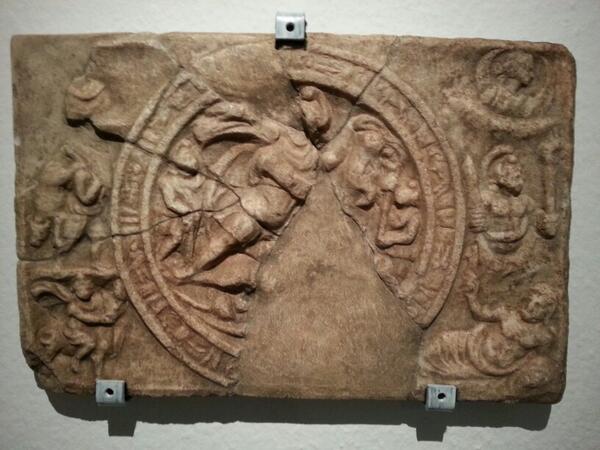
The relief of Mithras slaying the bull of Sisak includes the zodiac and multiple scenes from the myth of Mithras.
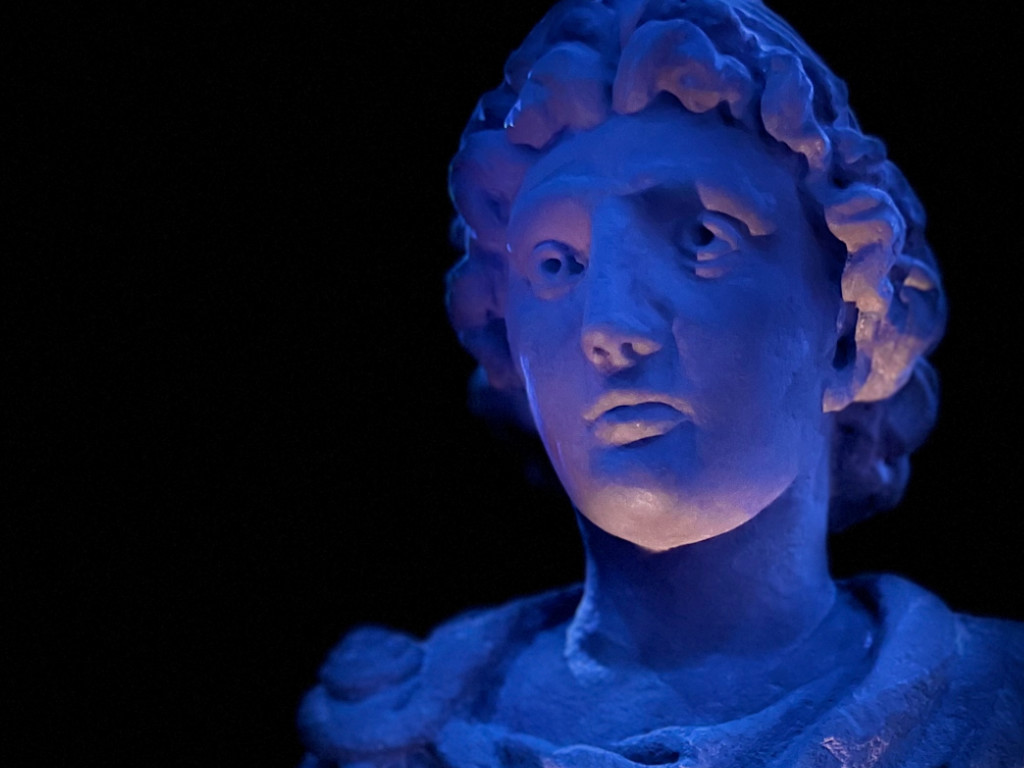
The exhibition The Mystery of Mithras opens at the Mariemont Museum in Belgium, home of Franz Cumont, the father of studies on the solar god.
Prof. Parvaneh Pourshariati; 9th European Conference of Iranian Studies, Free University of Berlin, September 2019.
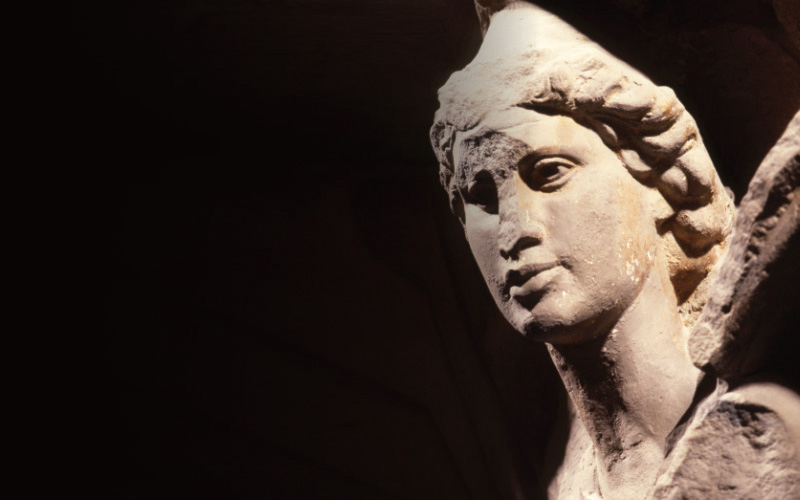
On the occasion of the exhibition, the Royal Museum of Mariemont invites five experts from Europe to emulate the research on the cult of Mithras.
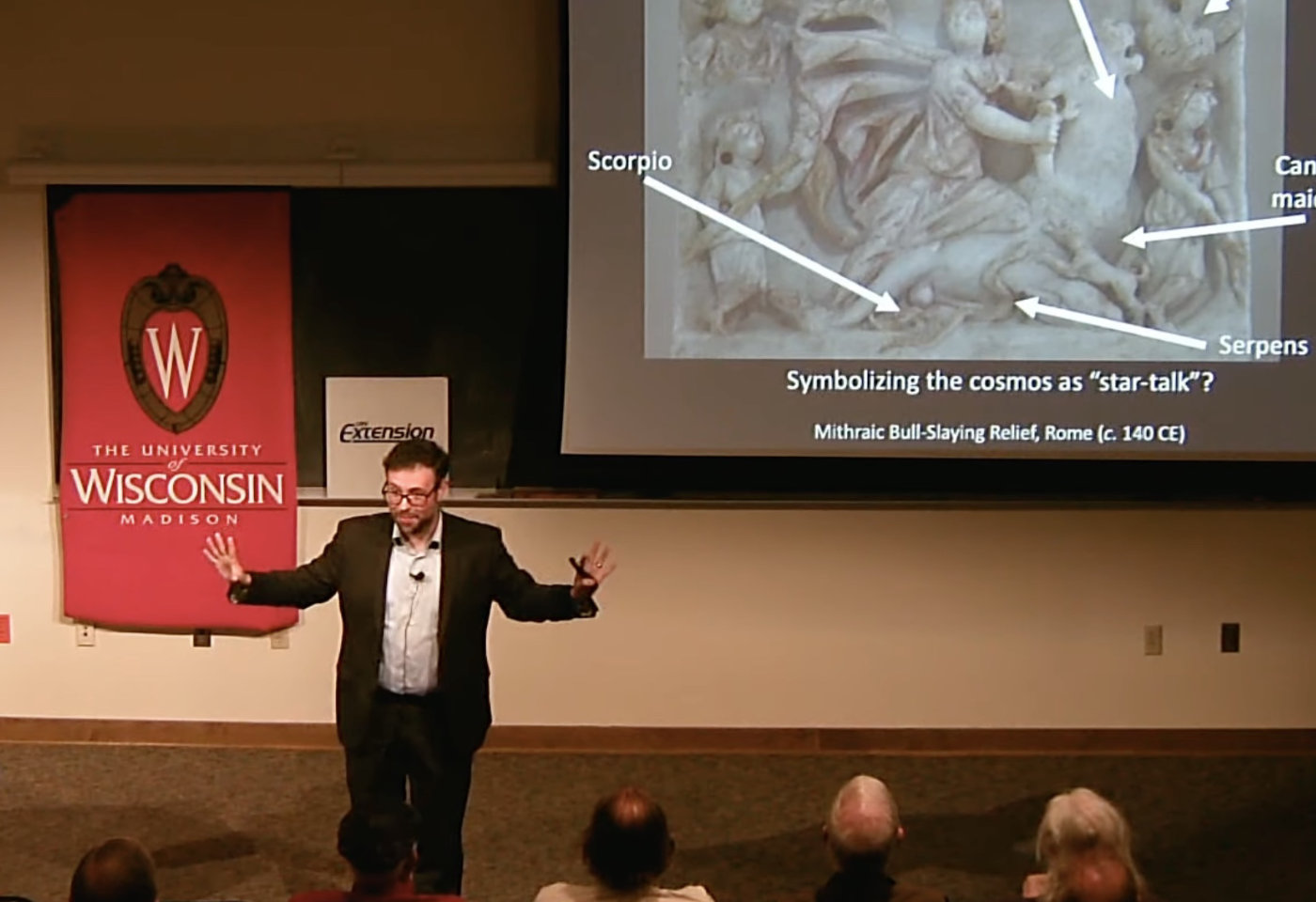
Our modern understanding of Mithraism, though, depends largely on a few short (and very problematic) literary mentions, mostly written by the cult’s Christian rivals.
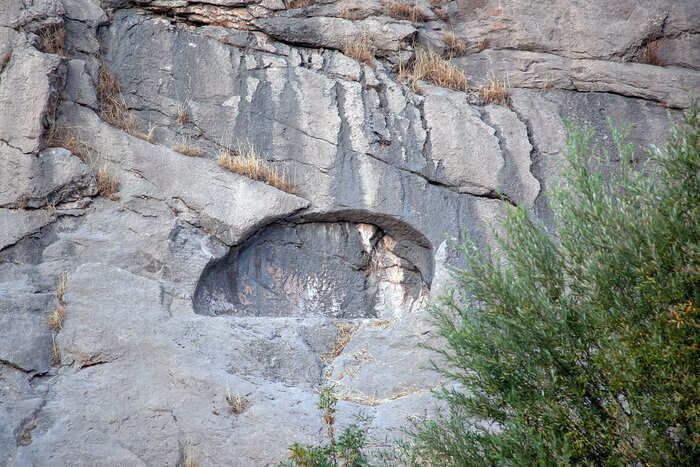
Some Iranian archaeologists suggest that the carving was created by a follower of Mithraism as it depicts a simple portrayal of a human with his right hand raised and an object in his hand. But, experts say it needs much more study in order to date the pe
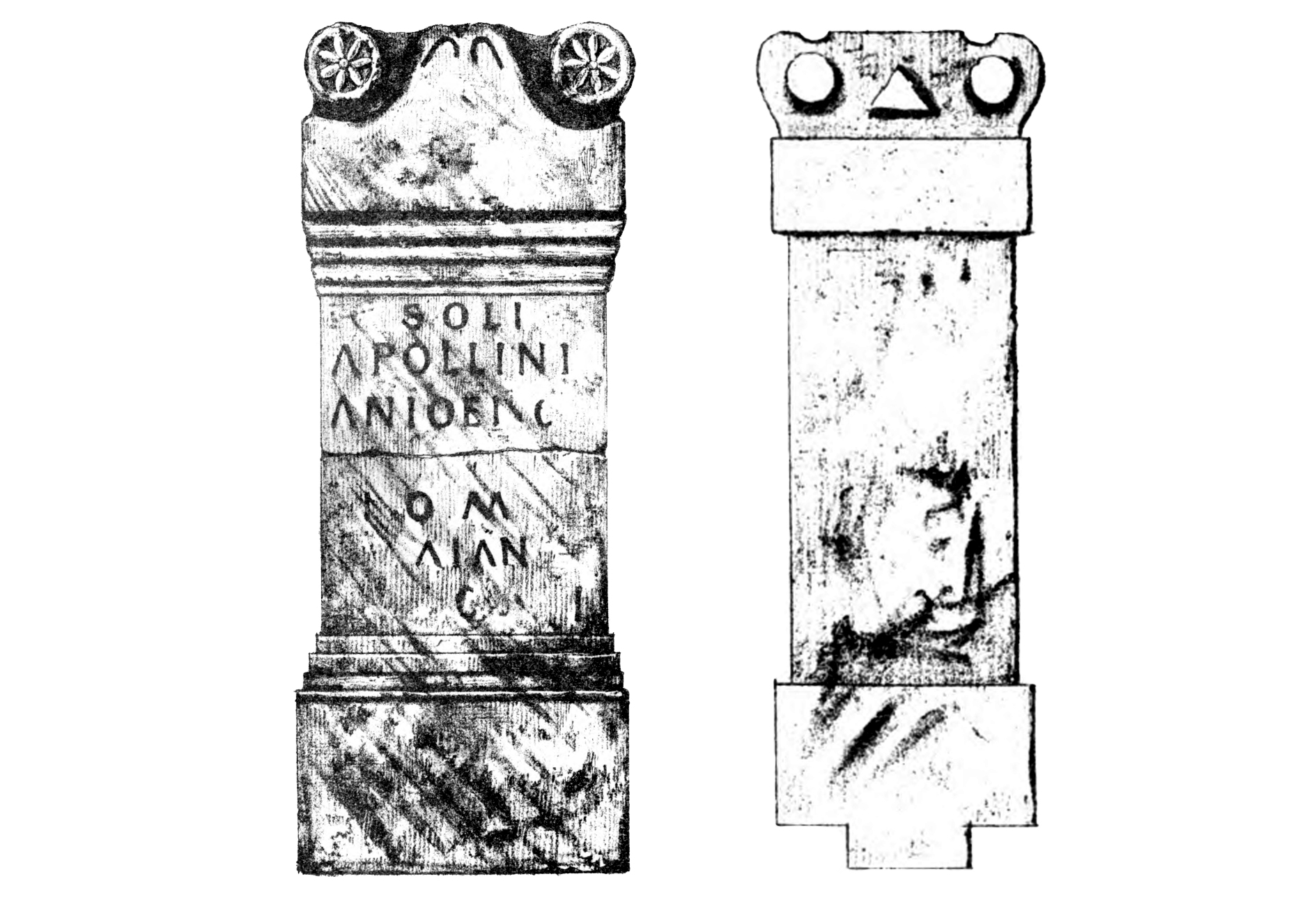
Fragmentary inscription from Vindobala preserving a rare dedication to “Sol Apollo Anicetus” within a Mithraic context on Hadrian’s Wall.

Allmendingen near Thun occupies a strategic position between the Swiss plateau and Alpine communications routes.

A white marble statue from the Mithraeum at Walbrook in London, depicting Bonus Eventus standing in a long hanging cloak, leaning on a ship's stem, holding a cornucopia against his shoulder and a patera above a burning altar from the back of which a…

The last pagan emperor of Rome, closely associated with Mithras and Neoplatonic interpretations of the Sun God.
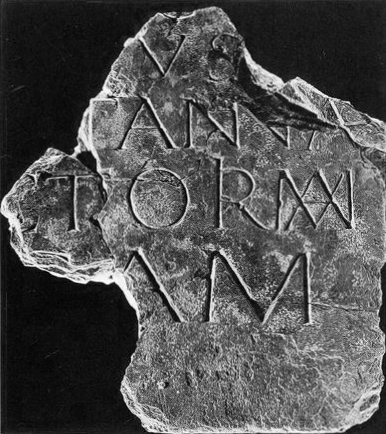
Archaeological material from the Mithraeum of Londinium discussed in Hill’s study of Roman London.
