Your search Farid ud-Din Attar gave 893 results.
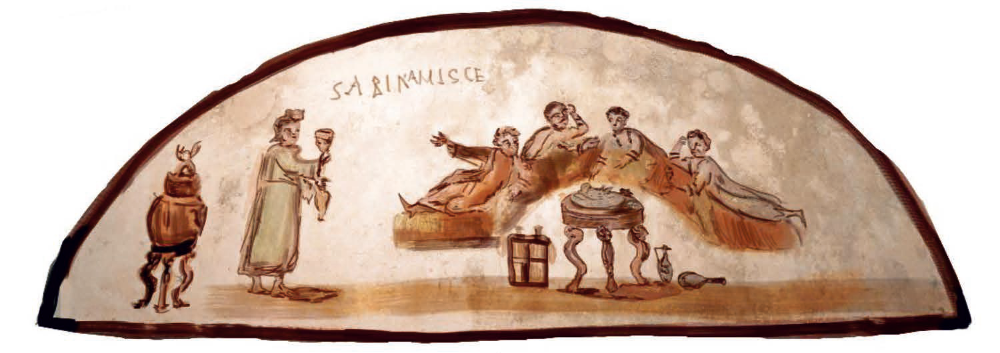
A dinner scene with Sabina from the Catacombe dei Santi Marcellino e Pietro, near Rome, may have been commissioned by a follower of Mithras.
Mithraic stele, from Alba Iulia, Romania, with inscription.
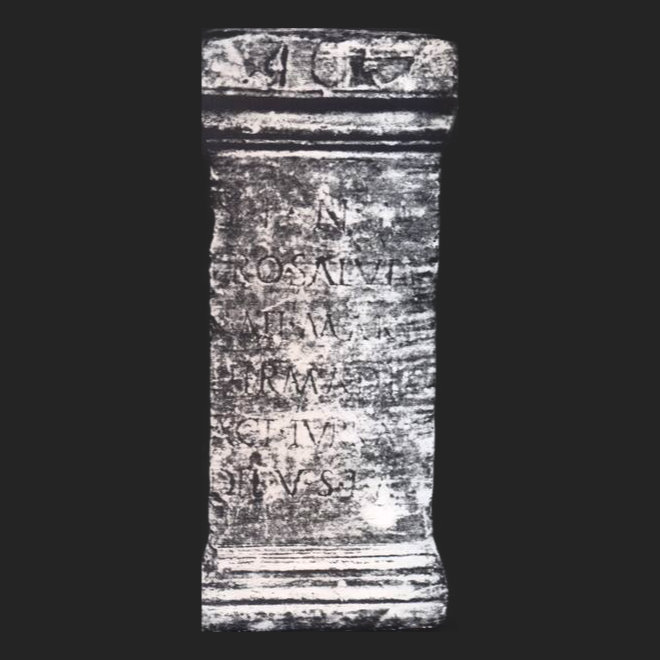
This altar was erected by Hermadio, who also signed other monuments in Dacia and even in Rome.
Solis invicti Mithrae studiosus astrologiae who was at the same time ’caelo devotus et astris’.

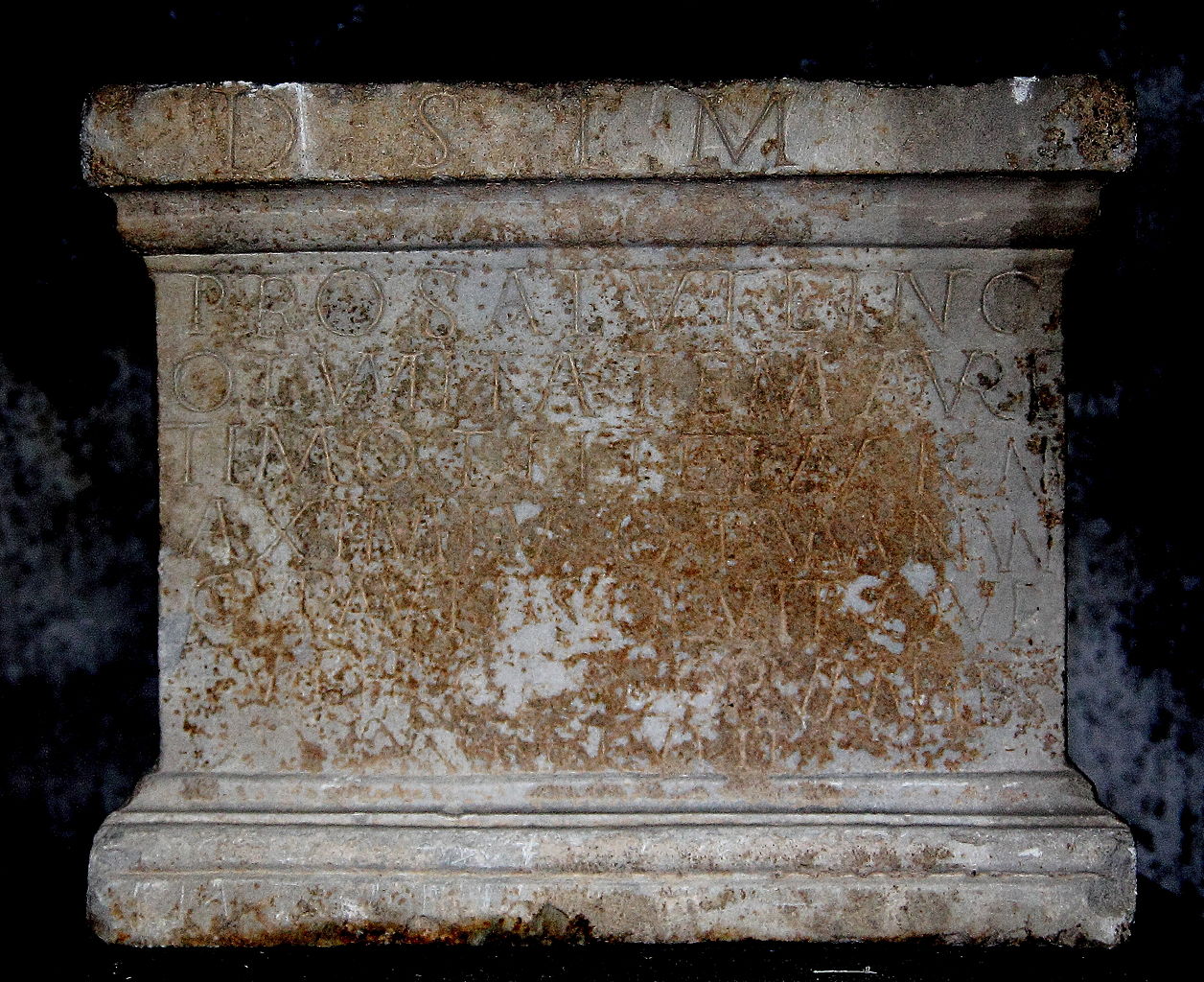
This is one of the at least three inscriptions of Dioscorus, servant of Marcus to Mithras Invictus found in Alba Iulia, Romania.
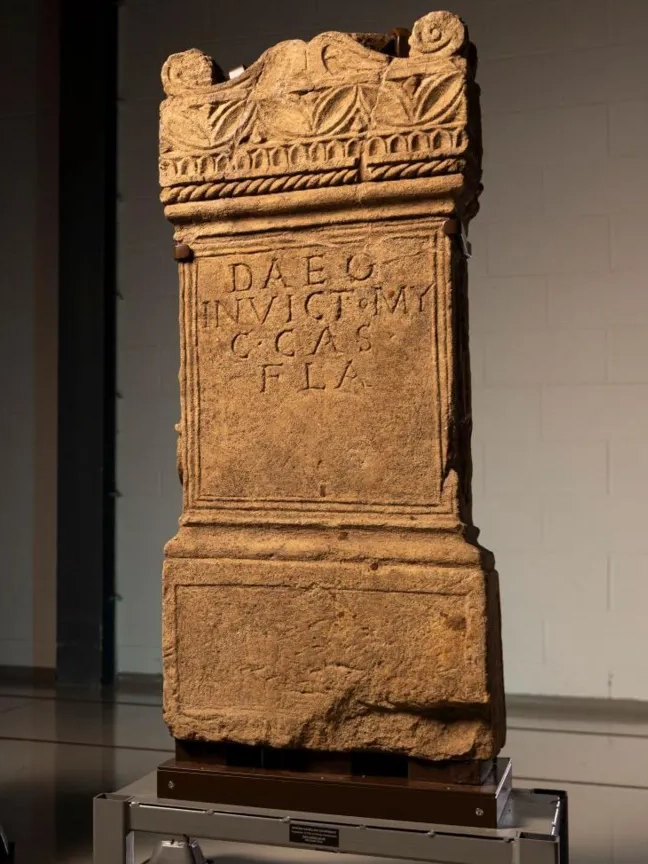
This second altar discovered to date near Inveresk includes several elements unusual in Mithraic worship.
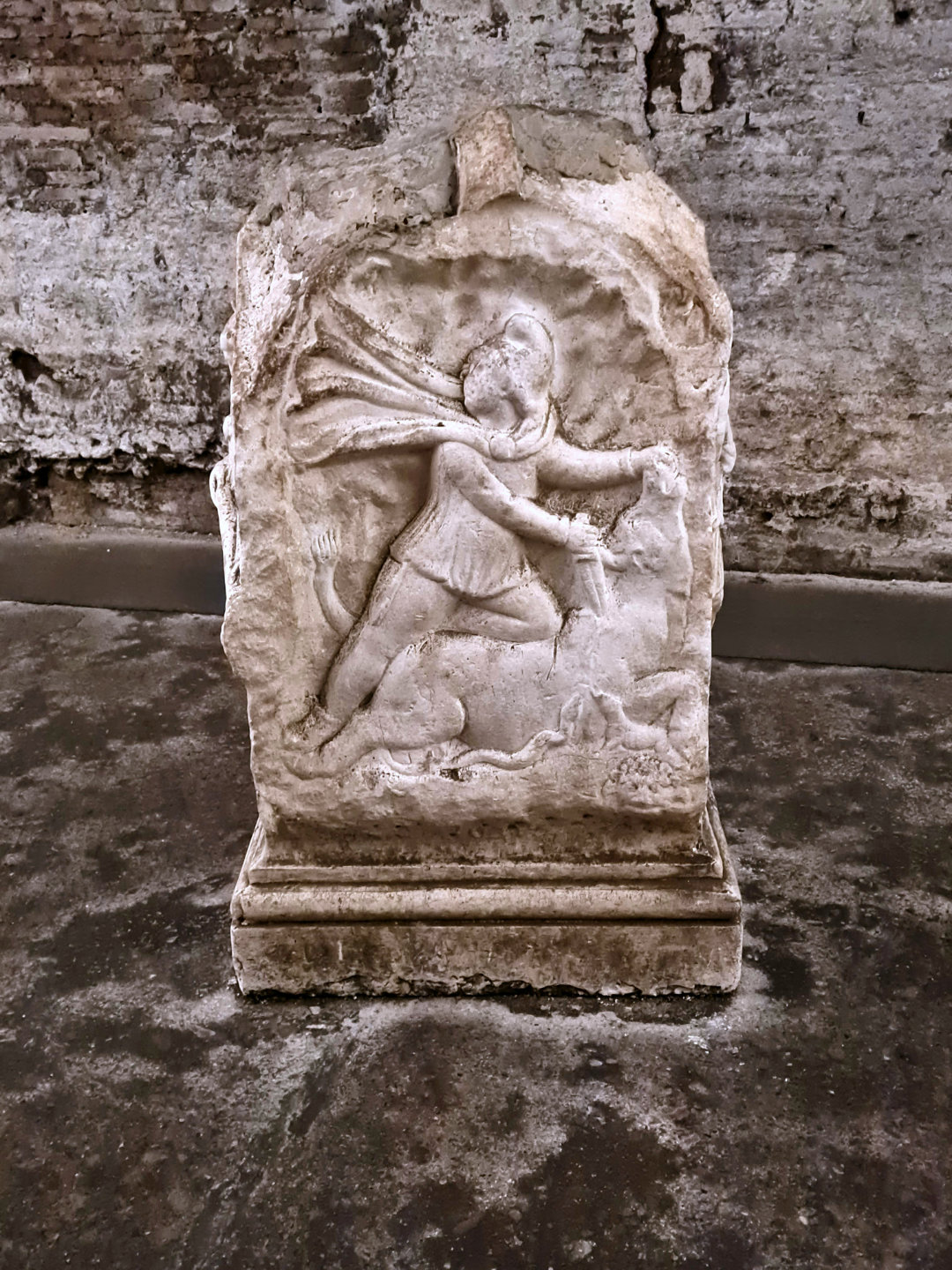
The altar of the Mithraeum of San Clemente bears the Tauroctony on the front, Cautes and Cautopates on the right and left sides and a serpent on the back.
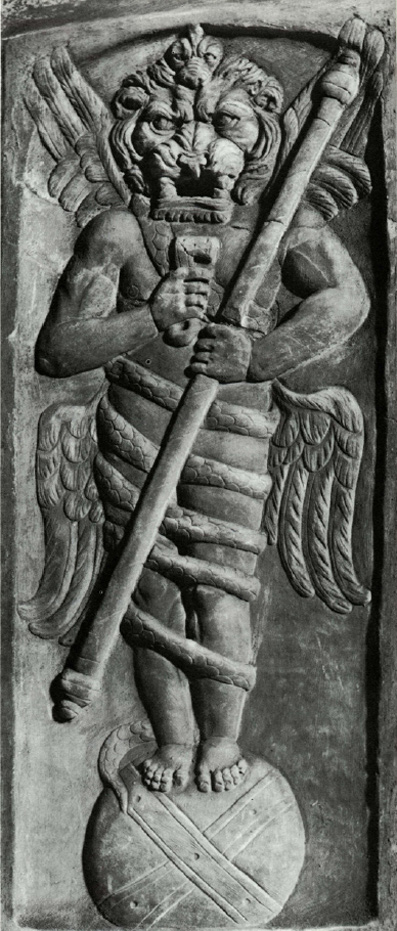
The lion-headed god is standing on a globe encicled by two crossed bands on which five pearls.
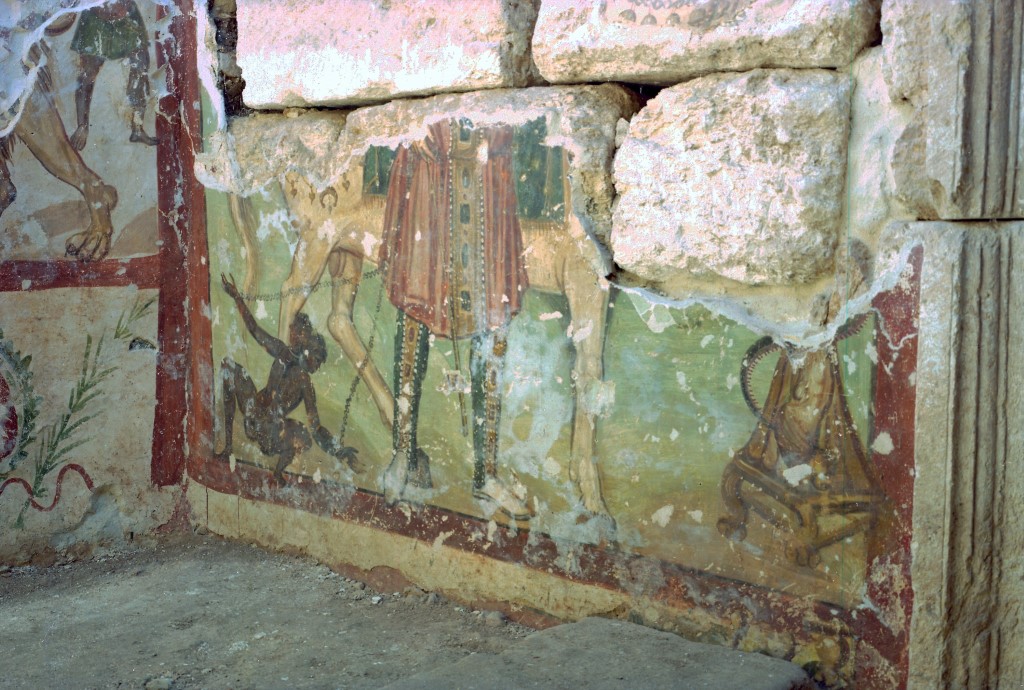
This painting depicts an Iranian knight holding in a chain a black naked figure with two heads.

This remarkable marble relief from the end of the 3rd century was discovered in the most remote room of the Mithraeum in the Circo Massimo.
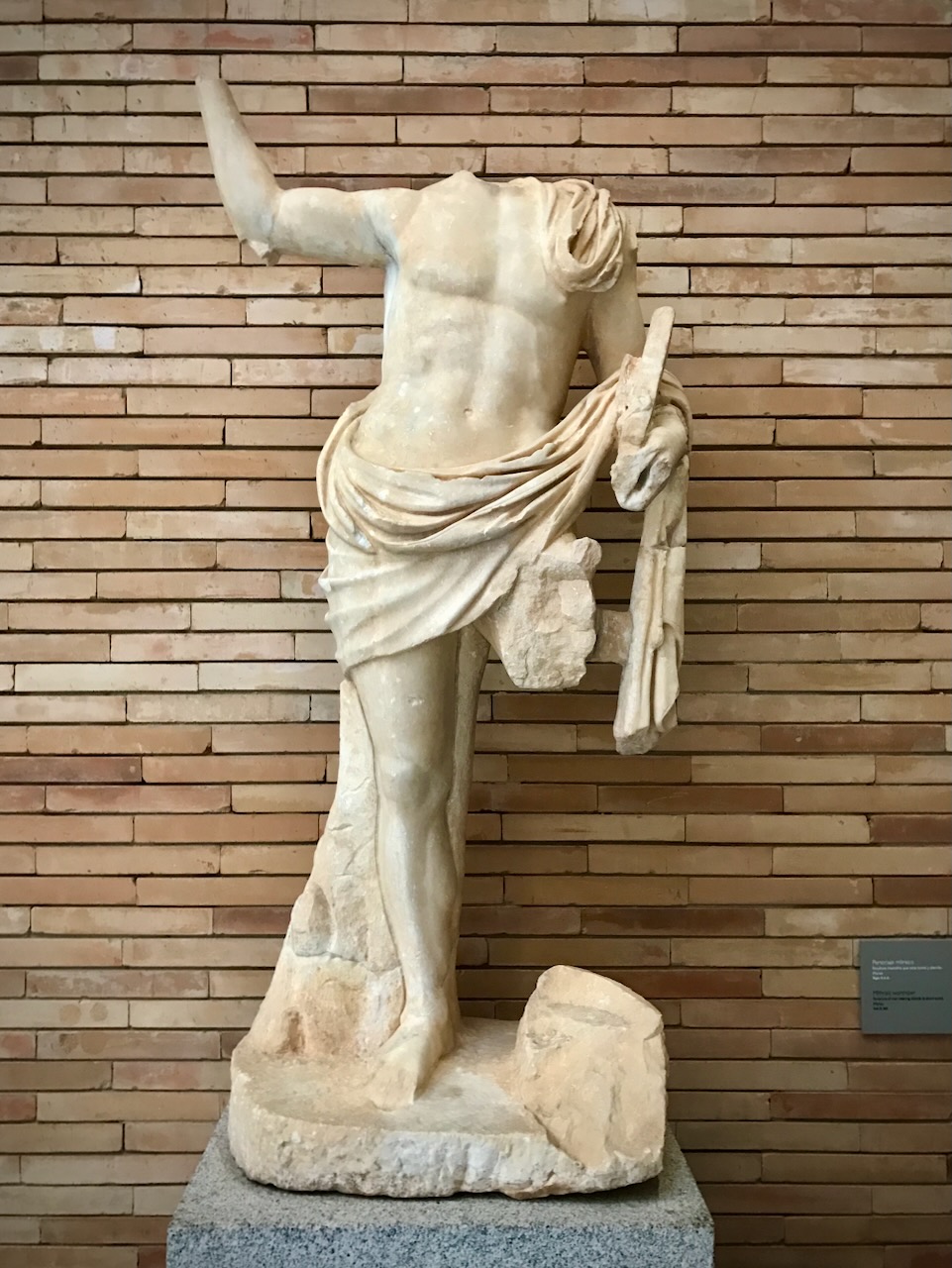
This nude male figure, found at Cerro de San Albín, Mérida, has been identified as Cautes.
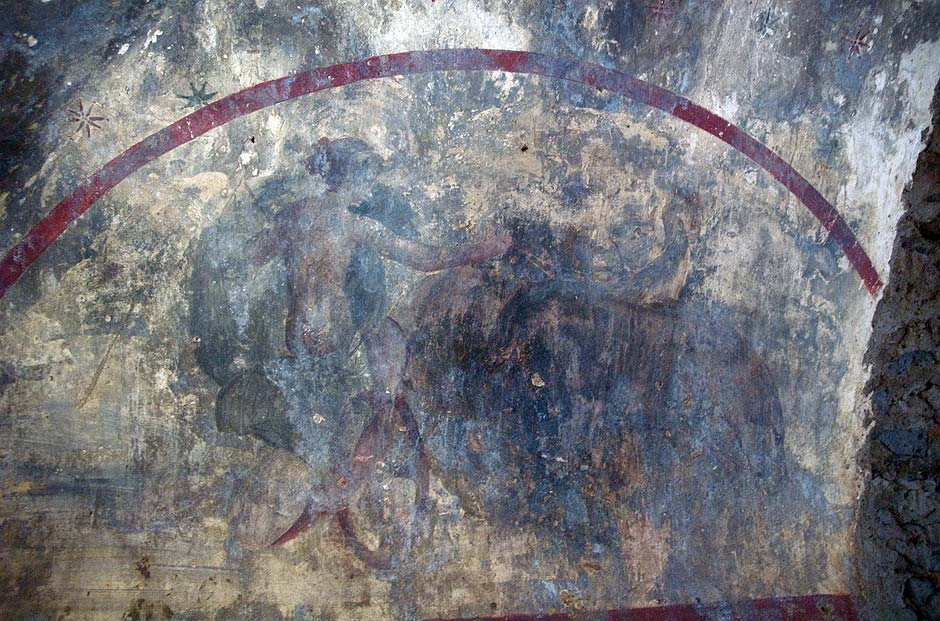
Luna riding a biga in the Mithraeum of Santa Capua Vetere.


A fragmentary red sandstone relief preserves the upper part of three-headed Hekate holding a long object in her left hand.
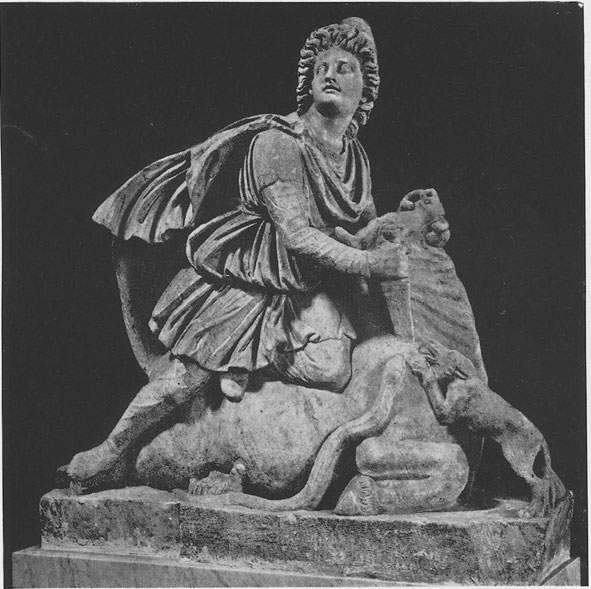
White marble statue found near the Scala Santa in Rome depicting Mithras as bull-slayer, accompanied by the dog, serpent and scorpion, with the bull’s tail ending in ears of grain.
An Algerian chemistry student interested in roman culture I hope to be able to explore Mithras culture in my country because of the vast and important rule of this religion in my city tiddis
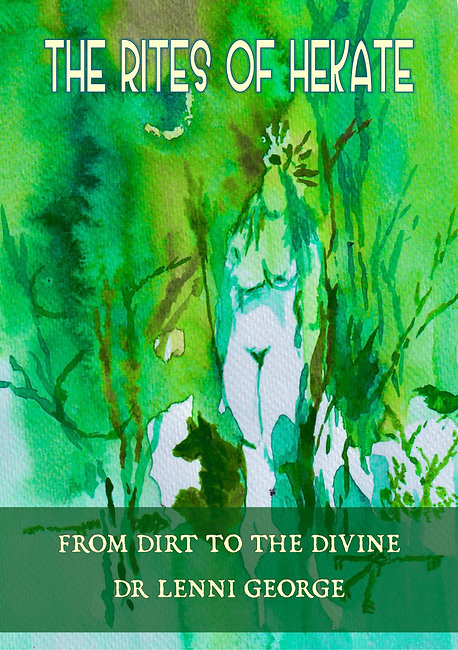
The Rites of Hekate is a personal yet deeply rooted academic account of the current understanding of this ambivalent goddess, presented as an arcane and liminal archetype.
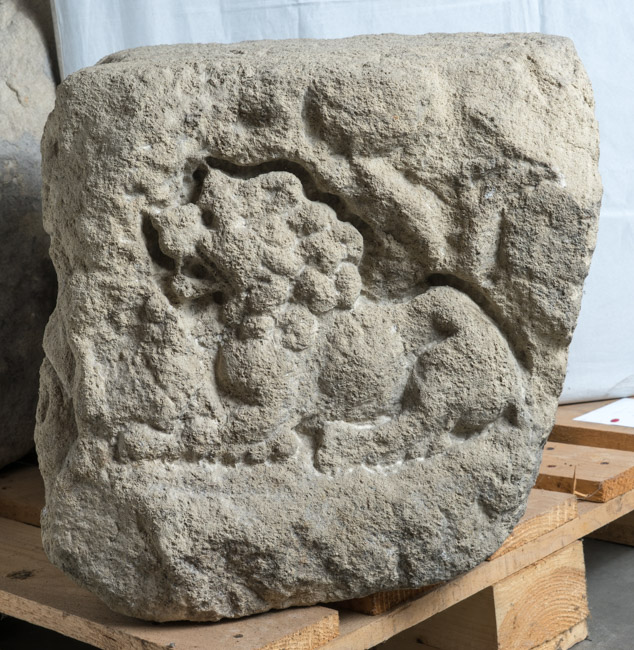
Sandstone base carved on two sides, with a head of Medusa framed by acanthus leaves and a reclining lion holding a head between its forelegs.
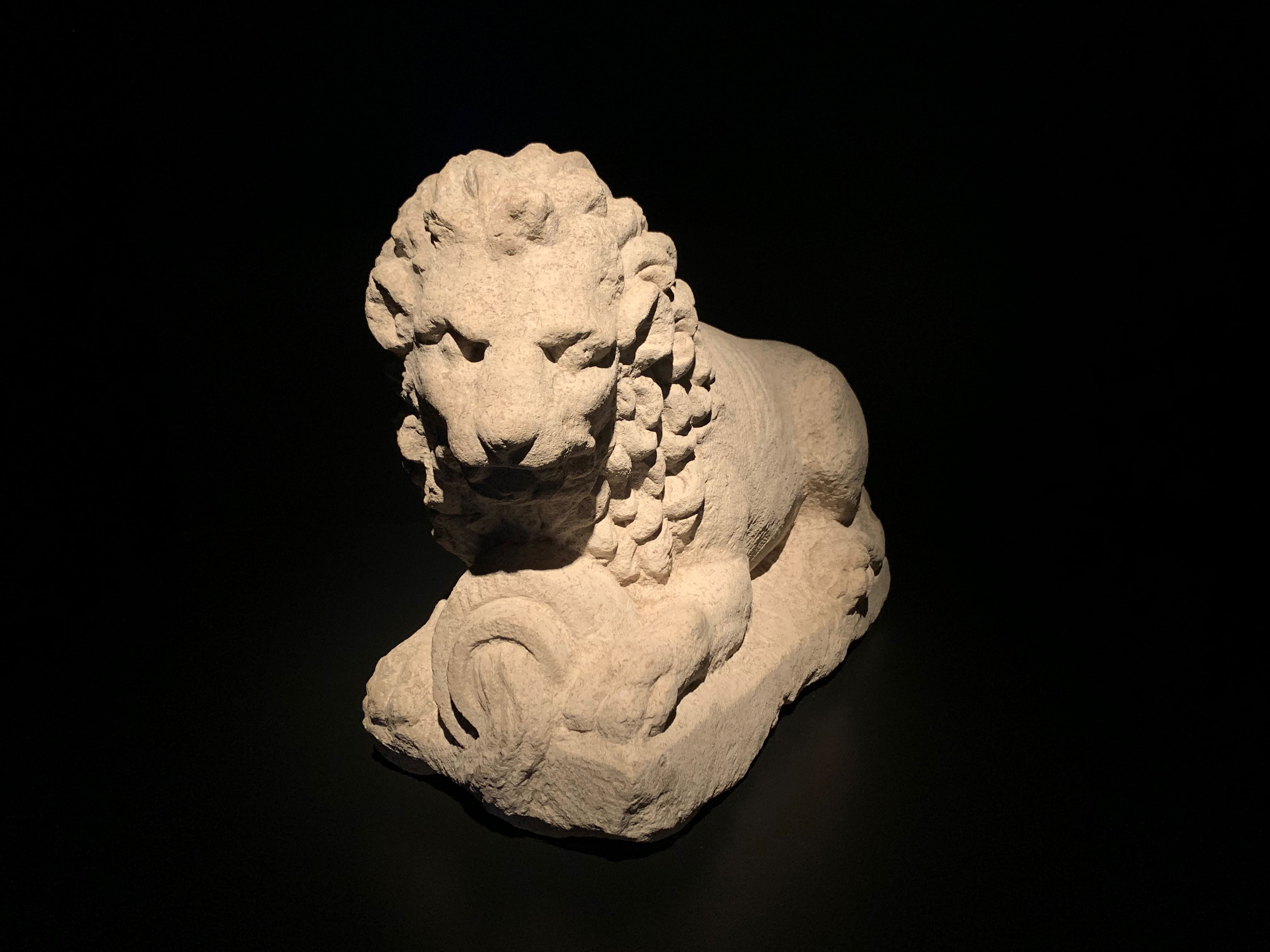
A limestone lion holding a flowing urn, discovered at the entrance of the Mithraeum of Les Bolards, reflects the ritual significance of water within the cult of Mithras.

A selection of texts gathered by Ernesto Milá that reinterprets Mithraism as an initiatory, solar, and heroic cult. It includes the so-called Great Magical Papyrus of Paris, translated and commented by Julius Evola and the Ur Group.
