Your search Fiano Romano gave 60 results.
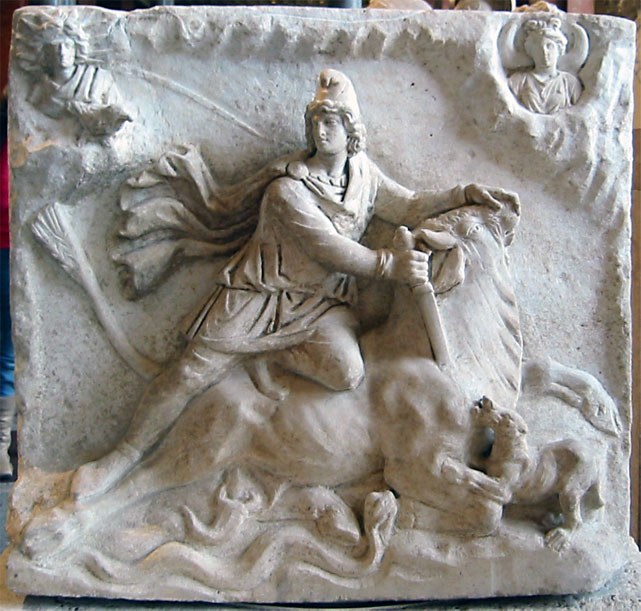
The marble shows Mithras slaying the bull, on one side, and Sol and Mithras feasting on a bull skin, on the other.

Este es un libro que pretende esbozar un panorama general de los documentos mitraicos repartidos a lo largo del Imperio romano.
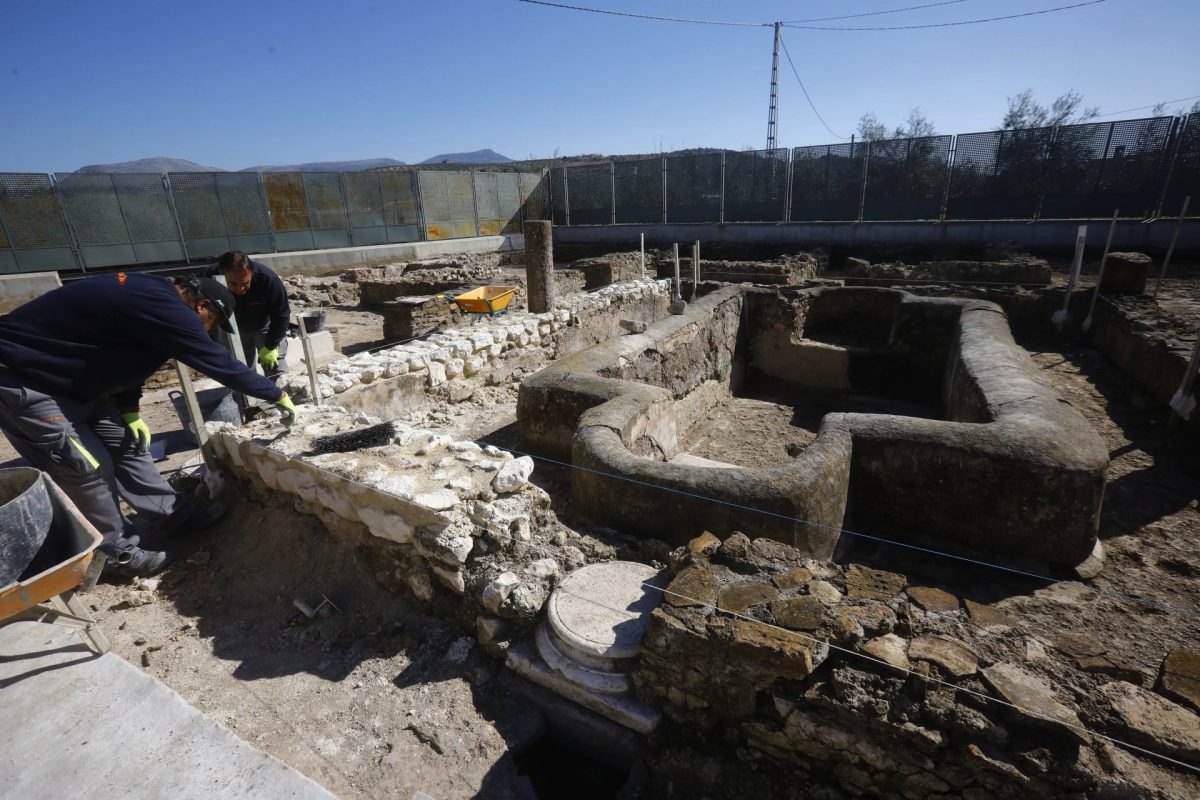
Las excavaciones llevadas a cabo en el yacimiento arqueológico romano de la villa de Mithra, en Cabra (Córdoba), han deparado el excepcional hallazgo de un mitreo, o zona destinada al culto al dios Mithra, cuya estatua fue descubierta hace unos 70 años…


White marble statue of Mithras killing the sacred bull preserved in the Museo Nacional Romano.

Veteran and ex duplicarius of ala I civum Romanorum who dedicated an altar to Mithras in Teutoburgium.
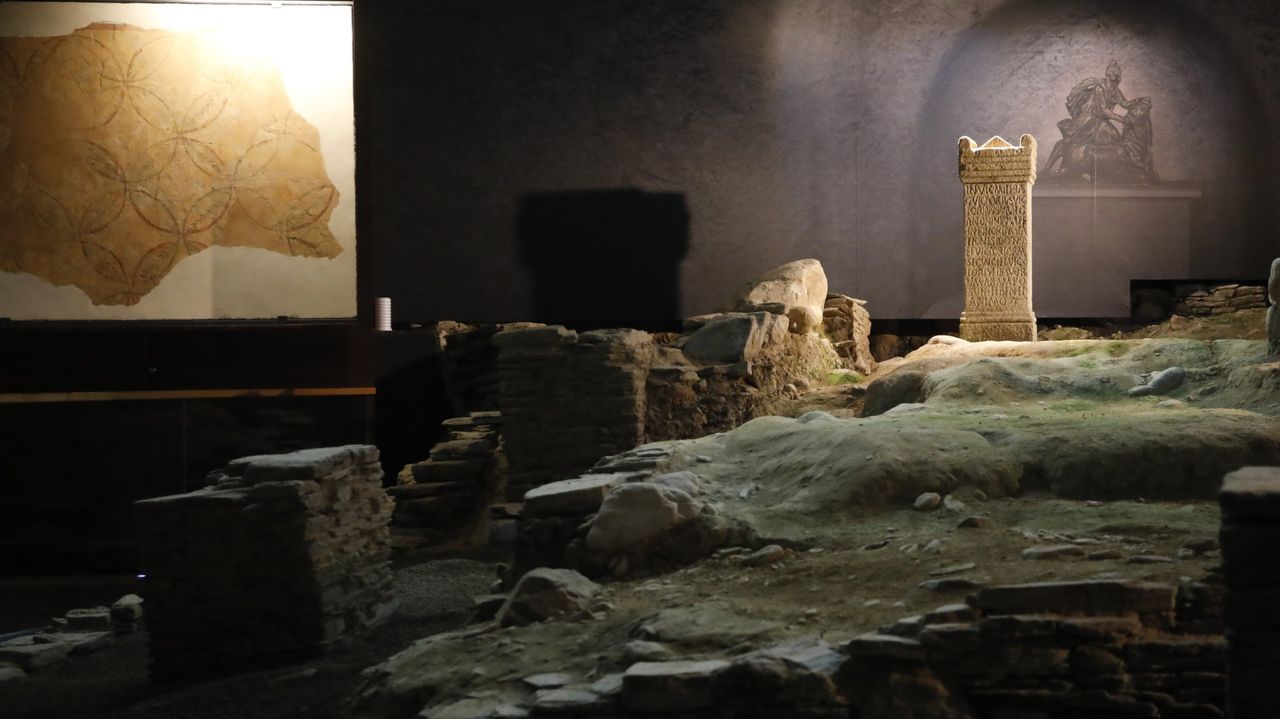
La Domus de Mitreo y el Centro Arqueolóxico de San Roque muestran otra cara del viejo Lugo
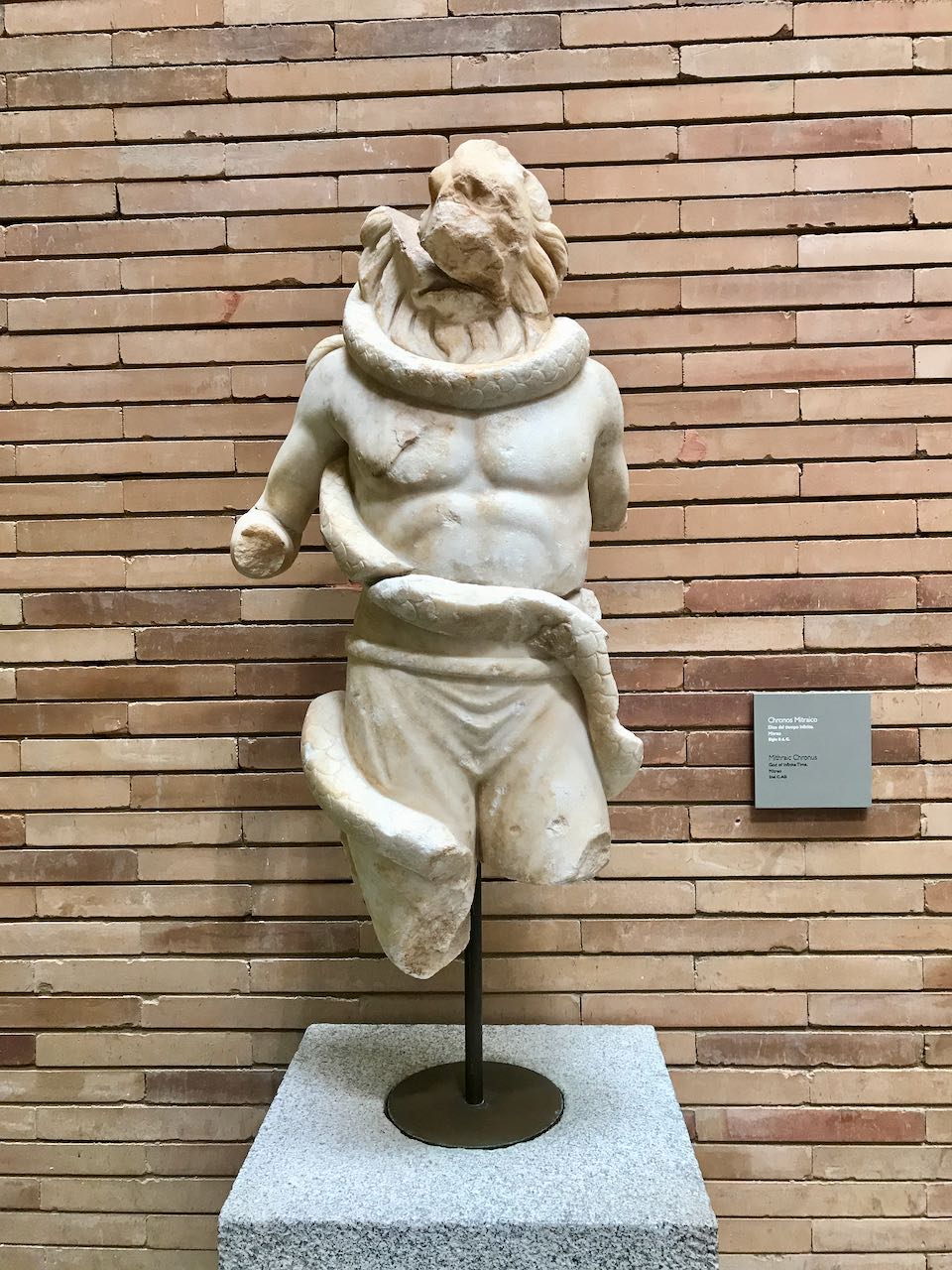
The lion-headed figure, Aion, from Mérida, wears oriental knickers fastened at the waist by a cinch strap.

Large votive altar from Murrhardt, dedicated to Soli invicto Mithrae by Sextus Iulius Florus Victorinus, tribune of Cohors XXIV Voluntariorum civium Romanorum, recording the full restoration of a Mithraic temple from its foundations.
This marble tablet found at Portus Ostiae mentions a pater, a lion donor and a series of male names, probably from a Mithraic community.

A selection of texts gathered by Ernesto Milá that reinterprets Mithraism as an initiatory, solar, and heroic cult. It includes the so-called Great Magical Papyrus of Paris, translated and commented by Julius Evola and the Ur Group.
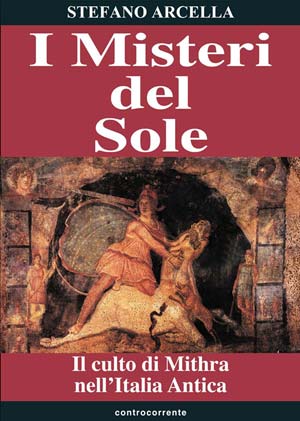
A study of Roman Mithraism that combines historical evidence with a symbol-centred interpretive approach, exploring Mithraic iconography, ritual experience, and the cult’s encounter with Christianity in the Late Empire.
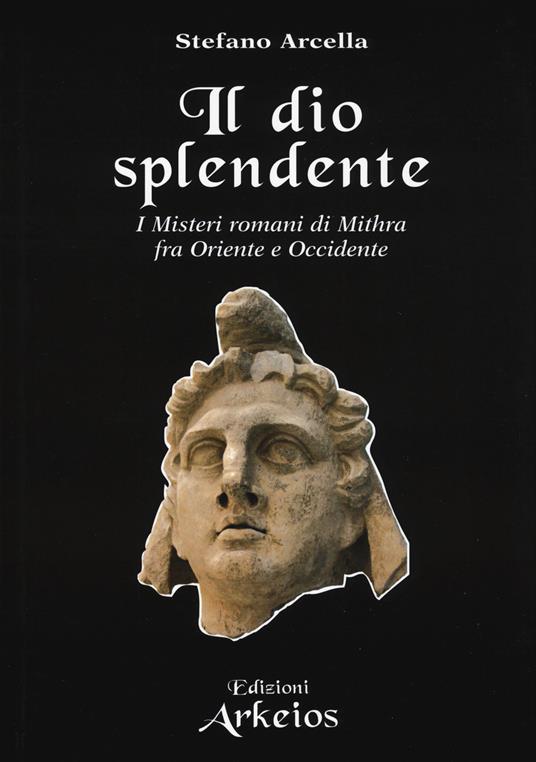
A study that re-examines Roman Mithraism through epigraphic evidence and comparative analysis, exploring its links with Orphism, Platonism, and Iranian traditions, and presenting the cult of Mithras as a solar path of individual spiritual awakening between East and West…

Why did the Romans worship a Persian god? This book presents a new reading of the Mithraic iconography taking into account that the cult had a prophecy.

Tercera entrega de la trilogía de Jaime Alvar dedicada al estudio de los cultos a dioses procedentes de Oriente en la Península Ibérica.

La localización de una comunidad mitraísta en San Juan de la Isla posee un notable interés, debido a la débil popularidad de este culto oriental entre las poblaciones de Hispania.

Imperial slave and an overseer of the Imperial estates who dedicated a Tauroctony to the Invincible god Sol.


