Your search Frankfurt am Main gave 1171 results.

Inscription from Hamadan where the ’great king’ Artaxerxes mentions Ahuramazda, Anahita, and Mithra as guardians.
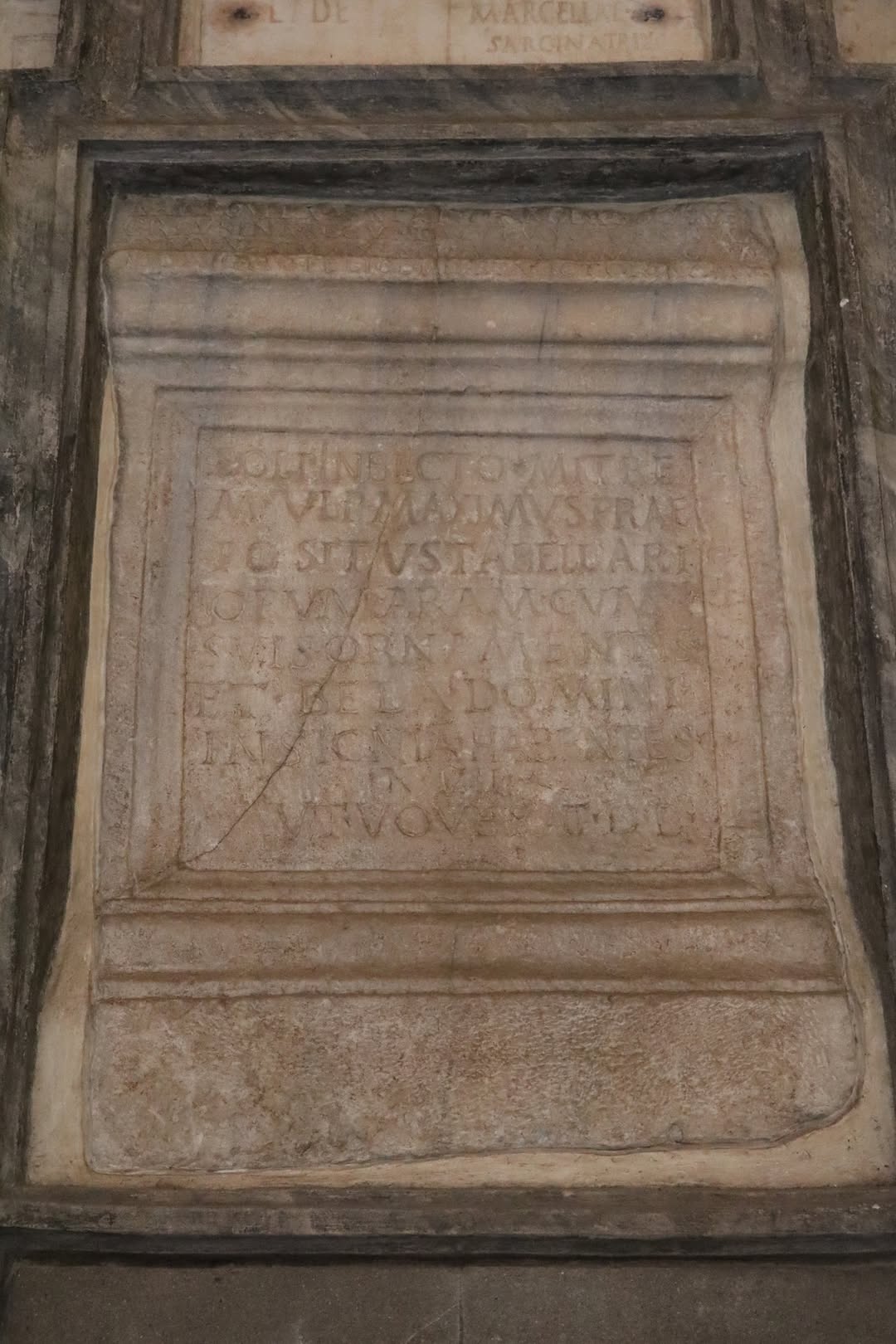
Marble altar dedicated to Sol Invictus Mithras, found in Rome (in aedibus Maffaeiorum), set up in 183 A.D. by M. Ulpius Maximus, praepositus tabellariorum, together with its ornaments and Mithraic insignia, in fulfilment of a vow.
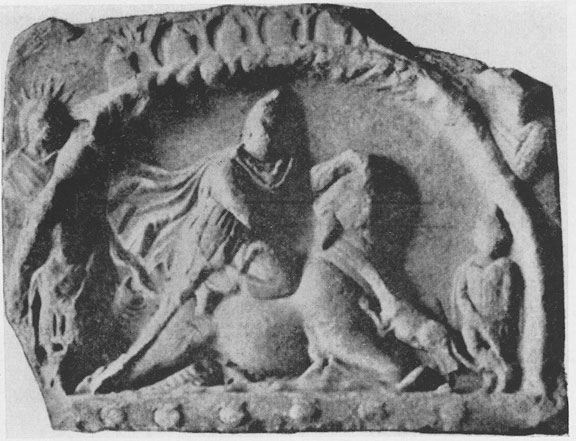
This finely carved marble tauroctony from Interamna features an unusual series of altars and ritual vases surrounding the scene.
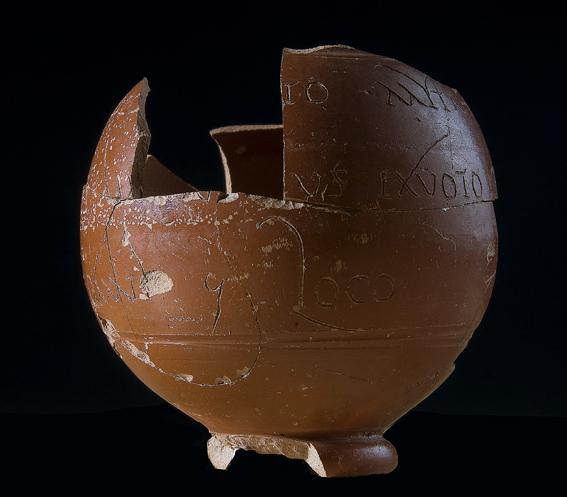
The spherical ceramic cup found at the Mithraeum in Angers bears an inscription to the unconquered god Mithras.
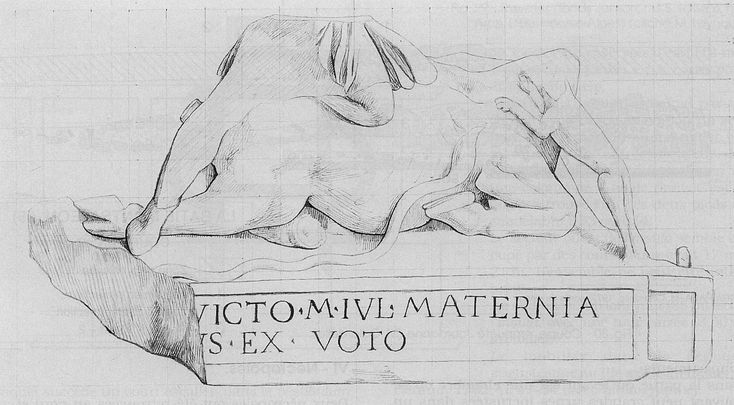
This damaged relief of Mithras killing the bull found in 1804 and formerly exposed at Gap, is now lost.
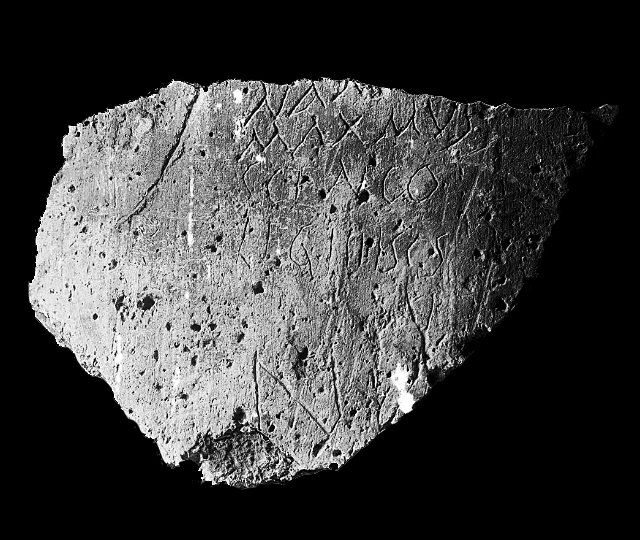
A certain Maximus from the Legio IV Scythica engraved his name in one of the columns of the Mithraeum of Dura Europos.
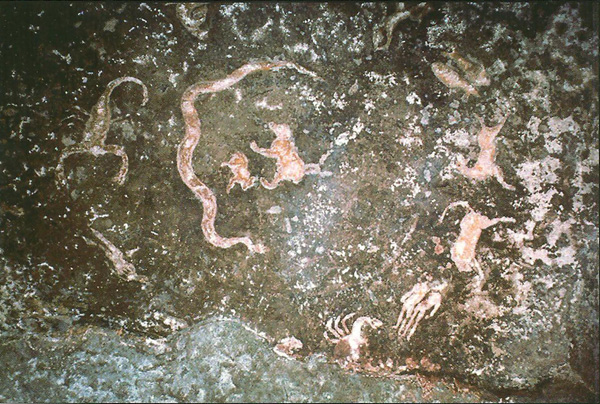
Solis invicti Mithrae studiosus astrologiae who was at the same time ’caelo devotus et astris’.
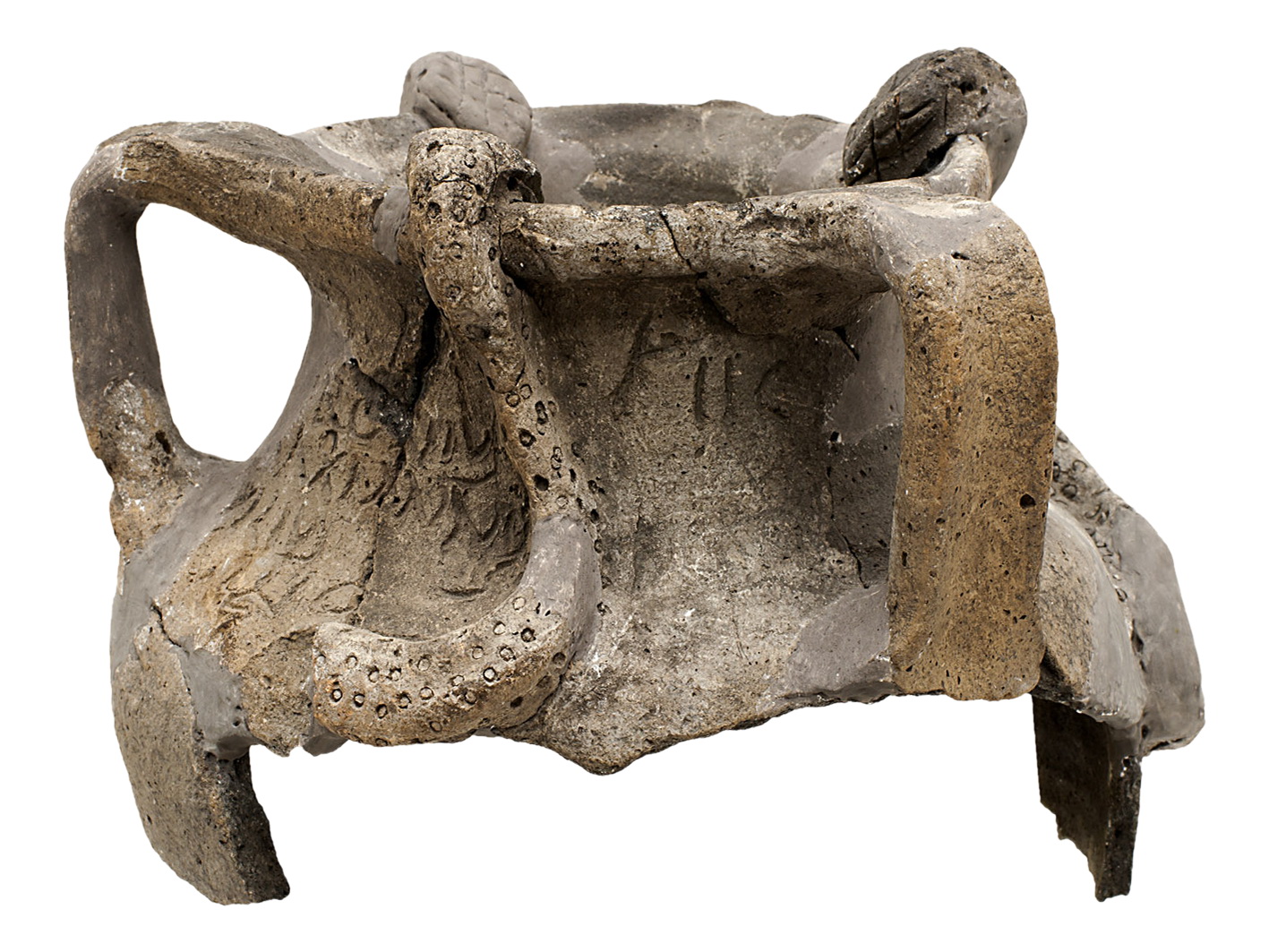
Upon first examination, archaeologists interpreted the inscription on the cult vessel from Gradishje as referencing Mithras, though it has since been re-evaluated.

This second relief depicting a phallus from Tiddis, Algeria, has been positioned alongside its counterpart atop pillars that greet visitors to the Mithras shrine.
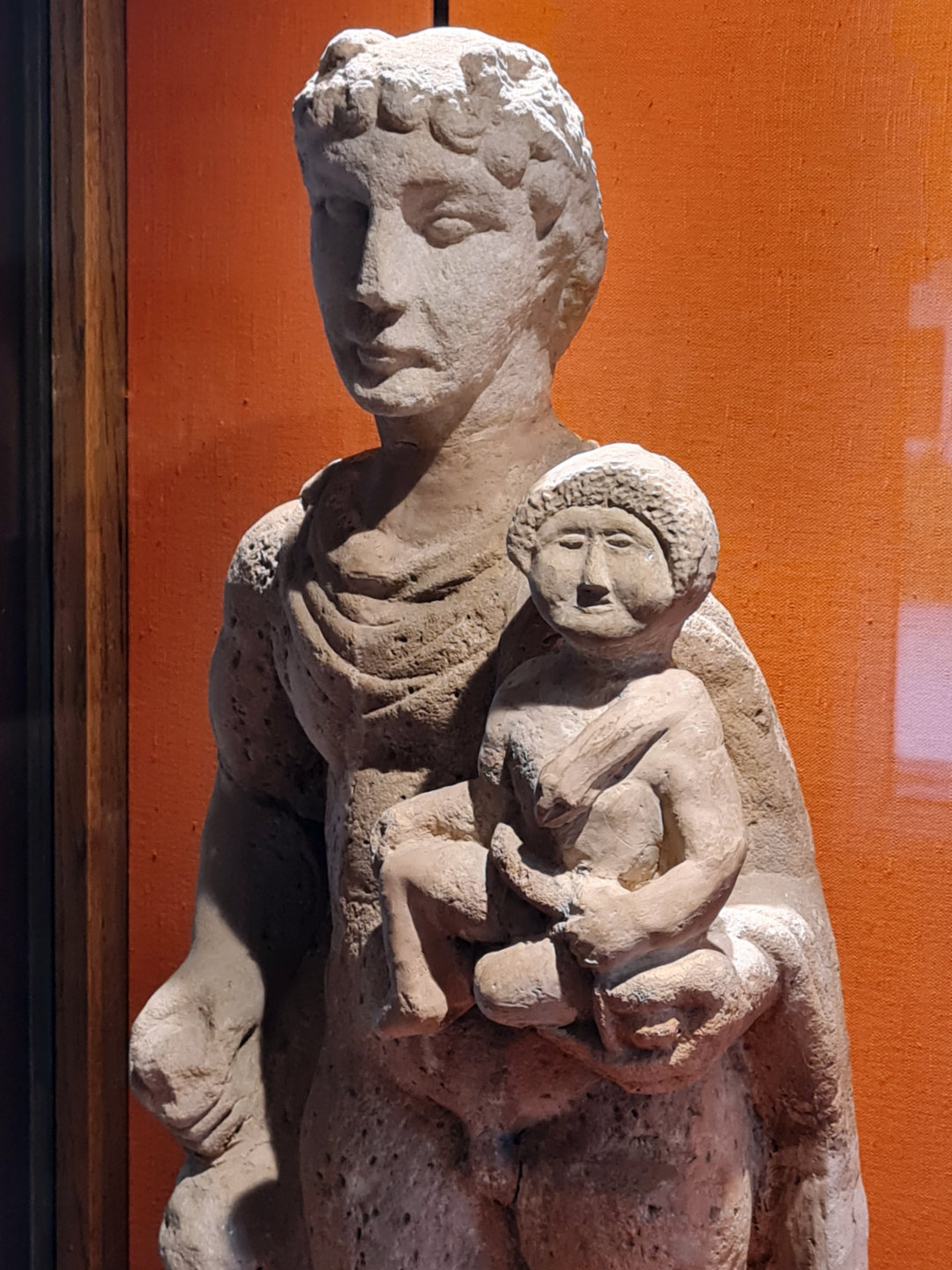
The Stockstadt Mercury carries a purse and a small child around which a snake is coiled.
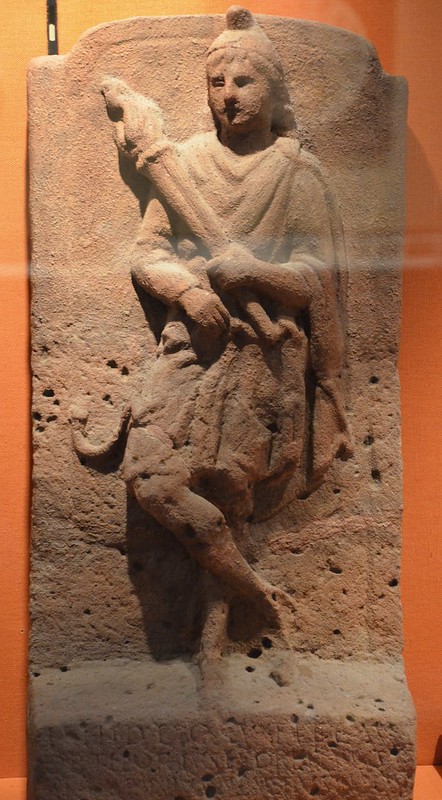
Reliefs of Cautes and Cautopates dedicated by Florius Florentius of Saalburg and Ancarinius Severus.
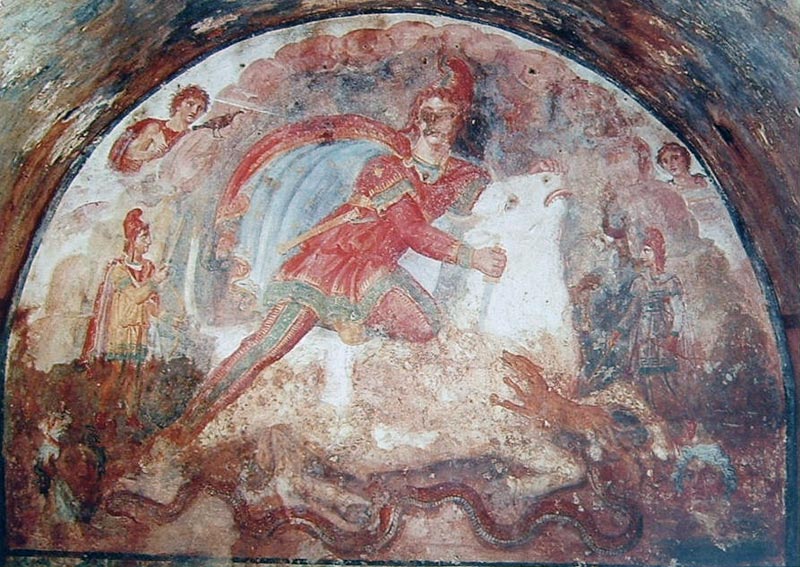
The main fresco of the Mithraeum of Santa Maria Capua Vetere portrays Mithras slaughtering a white bull.
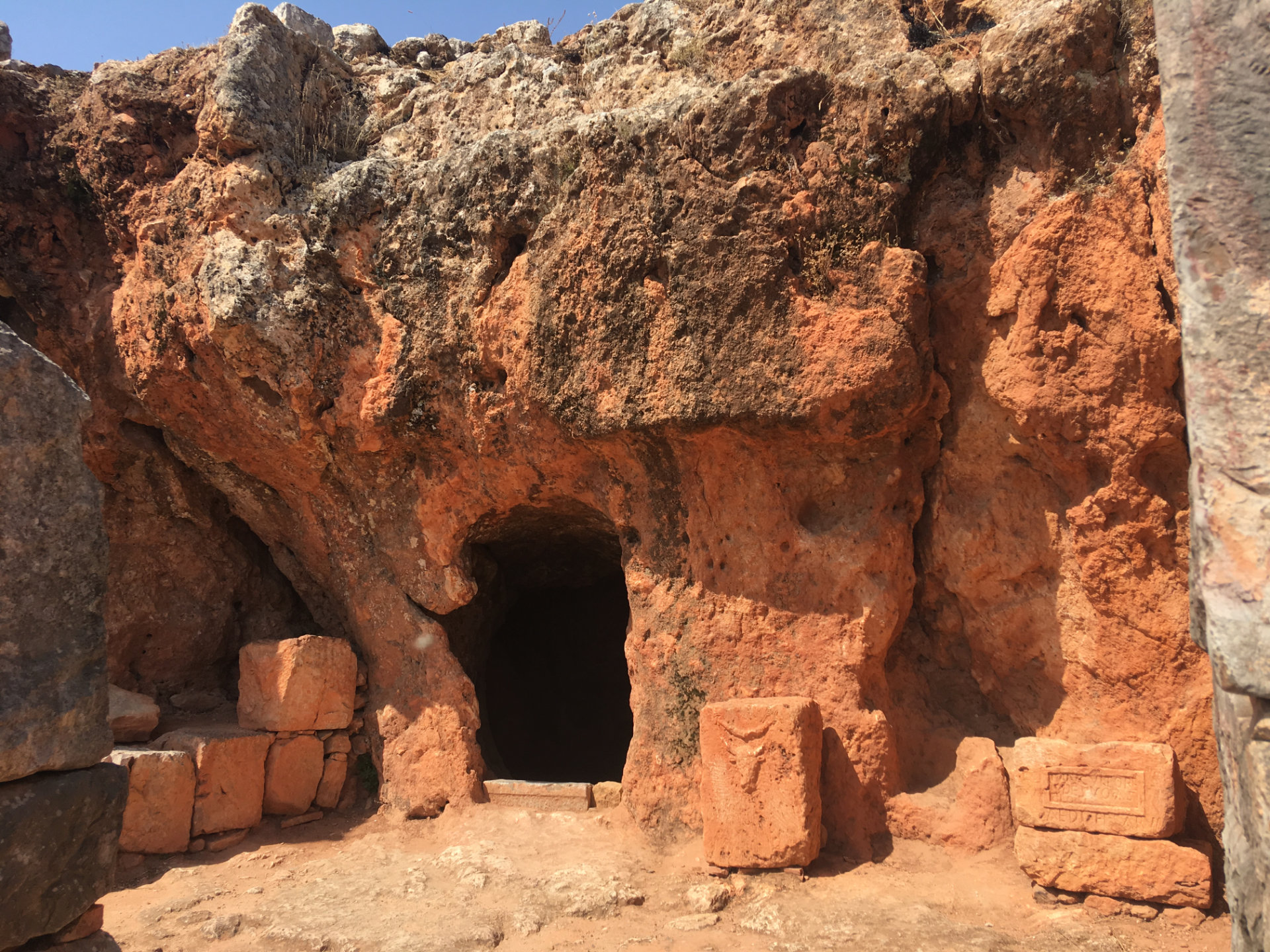
The Mithraeum was housed in a cave. The vault is almost dome-shaped and in front of the cave there is enough space for a possible adjacent temple.
A fragmentary red sandstone relief preserves the upper part of three-headed Hekate holding a long object in her left hand.
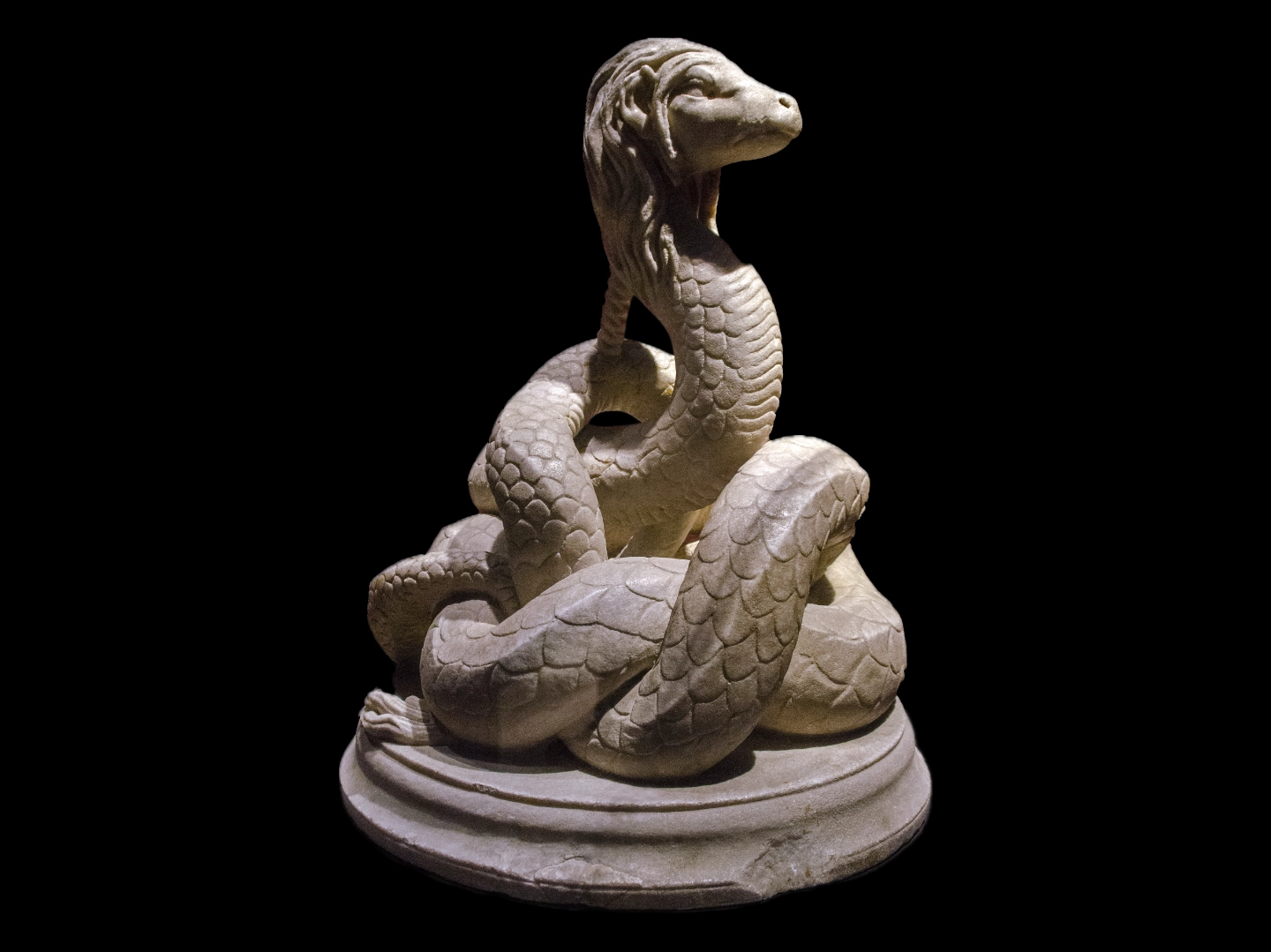
At Rome’s twilight, amid political upheaval and Christian ascendancy, Vettius Agorius Praetextatus embodied pagan intellect, virtue, and authority across senatorial, military, and mystical spheres.
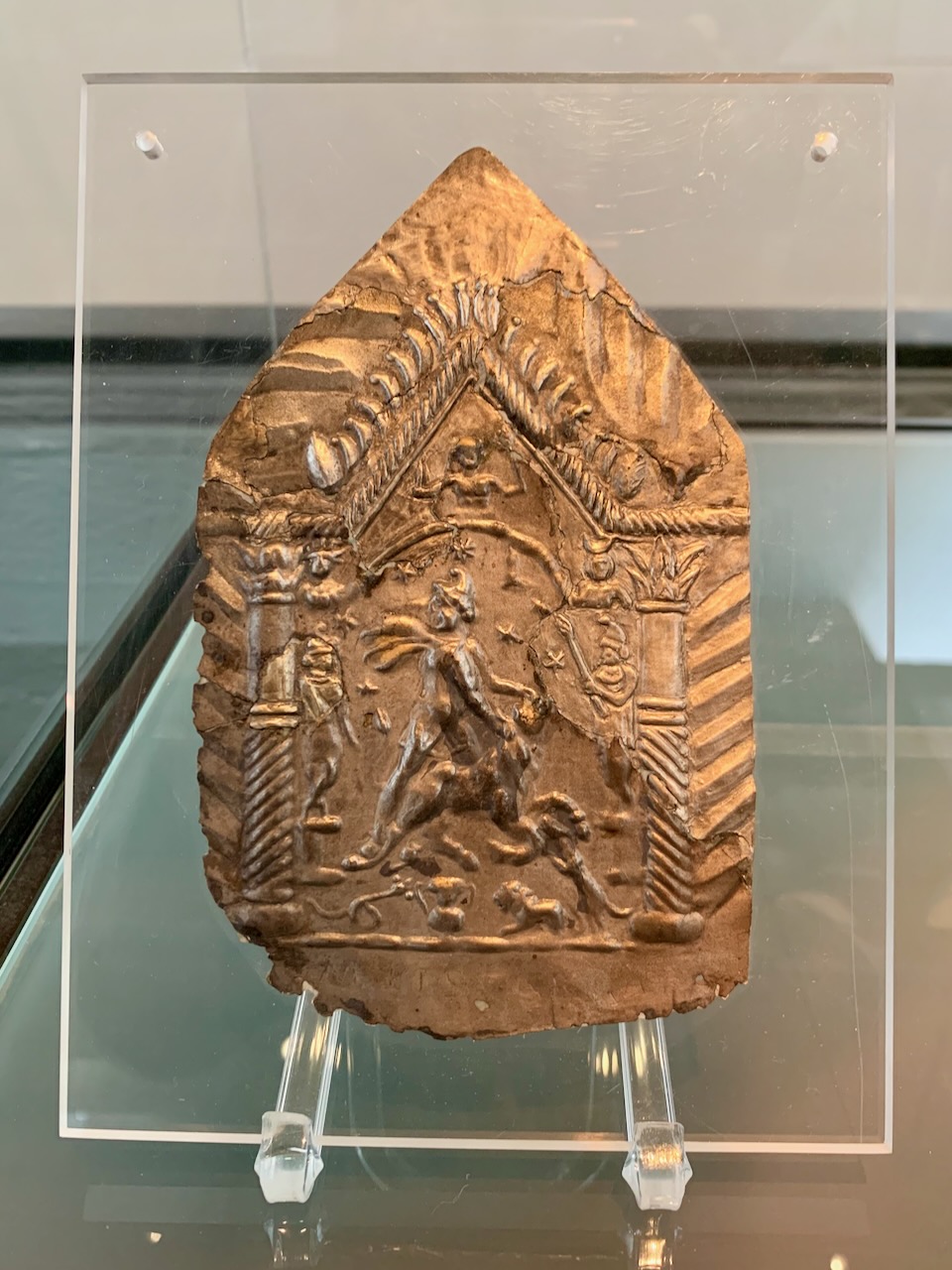
This plaque was found in Mithraeum I at Stockstadt broken into pieces inserted between the blocks of the socle of the cult relief, in the manner of a votive deposit.
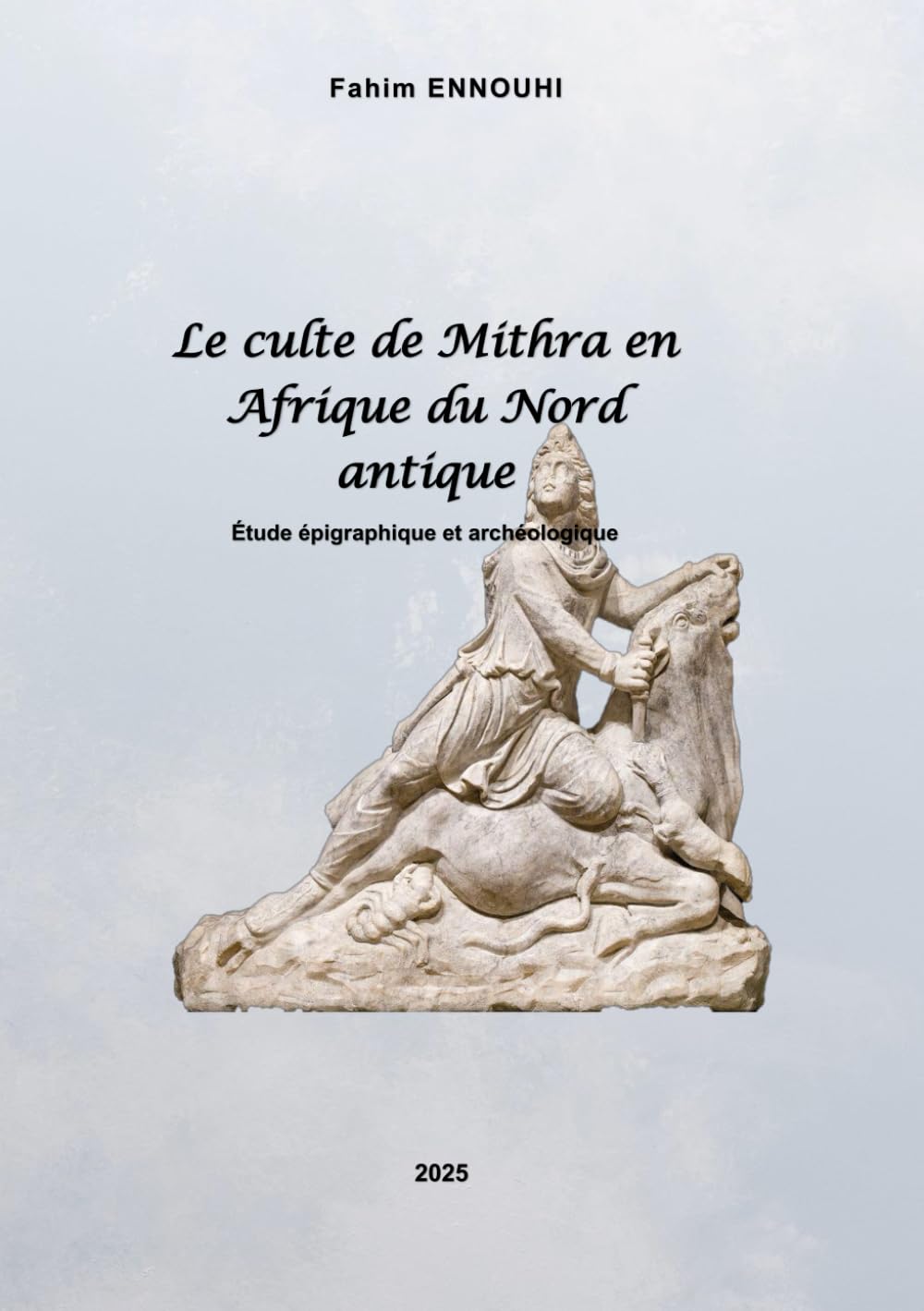
Cet ouvrage propose une étude d’ensemble du culte de Mithra en Afrique romaine. S’appuyant sur un rigoureux examen croisé des sources épigraphiques, archéologiques et littéraires, il restitue l’histoire et les spécificités de ce culte à mystères sur le sol africain…

Ce livre présente les religions de la Méditerranée ancienne – grecque, romaine, phénicienne et punique, hébraïque et juive, mésopotamienne, égyptienne – en mouvement. Au fur et à mesure de ces histoires de dieux en voyage…

Robert Turcan highlights various examples of the philosophical interpretation, mainly Platonic, of the figure and cult of Mithras.
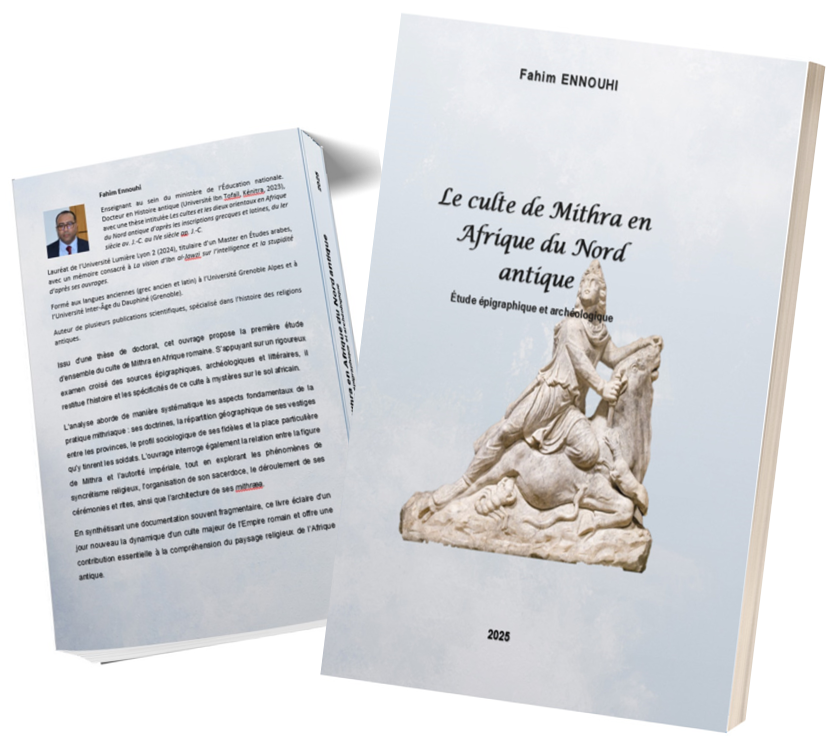
I am honored to present my first book devoted to the cult of Mithras in ancient North Africa. Structured into four main sections, it also features a catalogue of twenty inscriptions and twenty-six illustrative plates…
