Your search From Rome, Mithreum of Castra Peregrinorum under Santo Stefano Rotondo. gave 548 results.

Altar from Intercisa, Pannonia Inferior, found in the area of the castra.
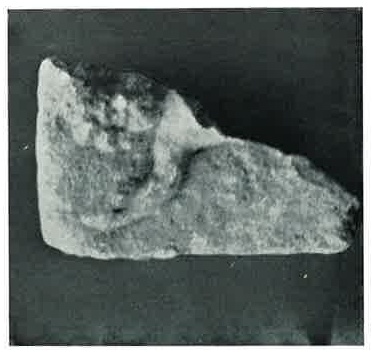
Left upper corner of a marble relief from Mithraeum II at Ptuj, ancient Poetovio, depicting Jupiter with the thunderbolt in his raised right hand, identified as a scene from the Battle against the Giants.
Marble relief from Mithraeum II at Ptuj, ancient Poetovio, depicting standing Jupiter with sceptre and thunderbolt beside standing Hercules with the Hesperides' fruit and club — a divine pair with Mithraic associations.
Marble lion from Mithraeum II at Ptuj, ancient Poetovio, holding a swine's head under its left fore-leg — a sacrificial animal pairing associated with the Mithraic lion grade.
Inscription from Mithraeum I at Ptuj, ancient Poetovio, set up by Primitivos, contrascrip of the imperial procurator Caius Antonius Rufus, in memory of Hyacinthus — probably the founder of the sanctuary.
Lost altar from the Zollfeld at Virunum, Noricum, dedicated to Deo invicto Mithrae by Ulpius Valerius, speculator of Legio I Noricorum, who fulfilled a vow undertaken by his father.
Complex military inscription invoking Apollo, Sol and Luna under Severus Alexander.

Ancient region of the Crimean Peninsula associated with the Greek colonies and Roman presence in Taurica.
Marino is an Italian comune with 46,676 inhabitants located in the Metropolitan City of Rome Capital in Lazio.

In this relief of Mithras as bull slayer, recorded in 1562 in the collection of A. Magarozzi, Cautes and Cautopates have been replaced by trees still bearing the torches.
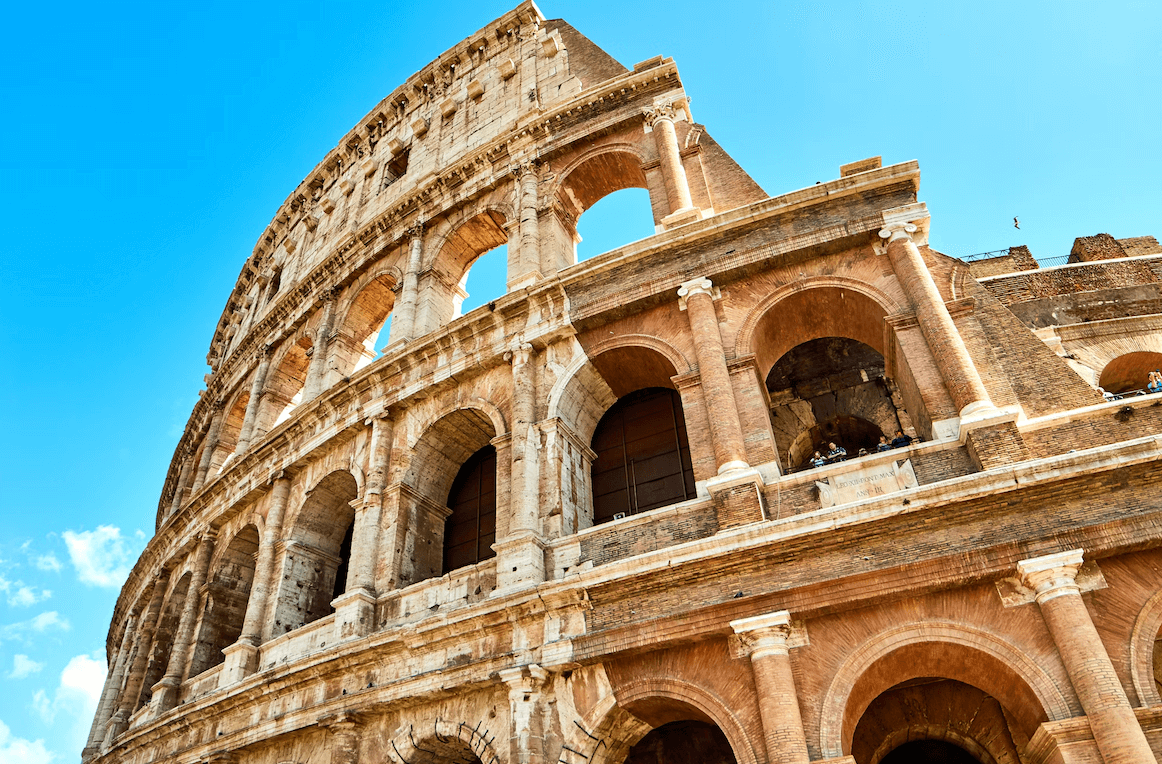
Roman Italia preserves a central and exceptionally influential corpus within the development of Mithraic cults.

Emperor Caracalla ordered one of Rome’s largest temples to the god Mithras to be built in the baths bearing his name.
Anazarbus was an ancient Cilician city. Under the late Roman Empire, it was the capital of Cilicia Secunda.
Lanuvium (modern Lanuvio) was an ancient city of Latium Vetus, about 32 km southeast of Rome. A member of the Latin League, it was conquered by Rome in 338 BC and remained an active municipium into the Imperial period.
Antium was an ancient coastal settlement in Latium, founded around the 11th century BC. A major stronghold of the Volsci before its conquest by Rome, its territory largely corresponds to modern Anzio and Nettuno.
Under Roman rule from the 1st century CE, Histria was incorporated into the province of Moesia. The city is noted on the Tabula Peutingeriana, which places it 11 miles from Tomis and 9 miles from Ad Stoma.
Szombathely is the oldest recorded city in Hungary. It was founded by the Romans in 45 AD under the name of Colonia Claudia Savariensum, and it was the capital of the Pannonia Superior province of the Roman Empire.
Potaissa was a castra in the Roman province of Dacia, located in today's Turda, Romania.
