Your search Housesteads Roman Fort gave 88 results.

Segontium is a Roman fort on the outskirts of Caernarfon in Gwynedd, North Wales.
The Saalburg is a Roman fort located on the main ridge of the Taunus, northwest of Bad Homburg, Hesse, Germany.
Pons Aelius, or Newcastle Roman Fort, was an auxiliary castra and small Roman settlement on Hadrian's Wall in the Roman province of Britannia Inferior, situated on the north bank of the River Tyne close to the centre of present-day Newcastle upon Tyn
Novae was initially one of the few great Roman legionary fortresses along the empire’s border, forming part of the defences along the Danube in northern Bulgaria. It lies about 4 km east of the modern town of Svishtov.
The Roman castrum Mogontiacum, the forerunner of Mainz, was founded by the Roman general Drusus around 10 BC. It was an important military town throughout the Roman period. The town of Mogontiacum grew up between the fort and the Rhine.
Eboracum was a fort and later a city in the Roman province of Britannia. Two Roman emperors died in Eboracum: Septimius Severus in 211 AD, and Constantius Chlorus in 306 AD.
Carnuntum was a Roman legionary fortress and headquarters of the Pannonian fleet from 50 AD. After the 1st century, it was capital of the Pannonia Superior province. It also became a large city of 50,000 inhabitants.
Along the northern frontier of Roman Britain, Britannia inferior preserves important evidence linked to military and frontier communities.
Britannia superior preserves a substantial body of Mithraic evidence associated with military sites and urban centres of Roman Britain.
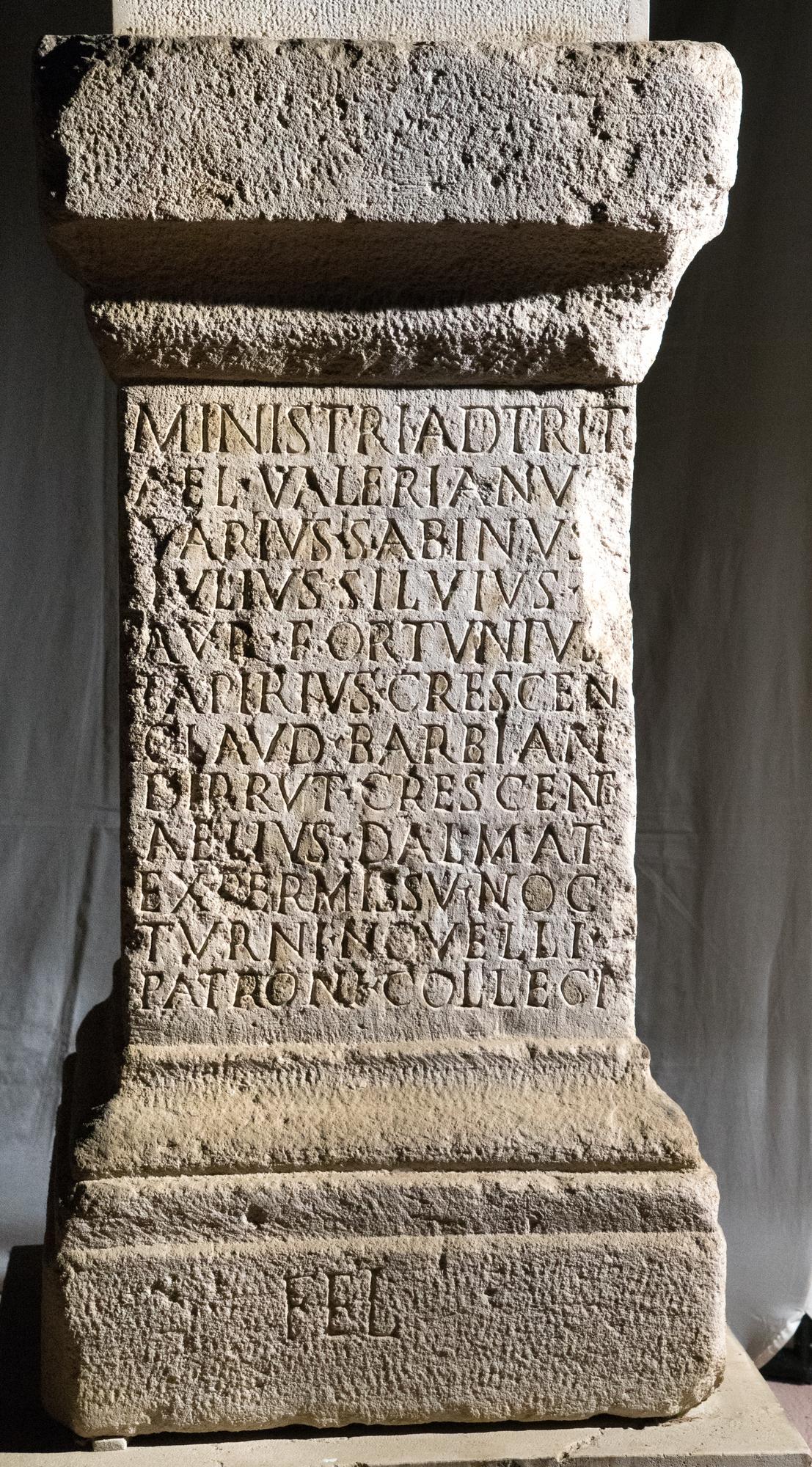
This inscribed limestone altar from Roman Salona preserves several lists of ministers associated with the Tritones collegium during the Tetrarchic period.

This graffito seems to be an account of offerings made by Mithras worshippers in the Cassegiato di Diana.
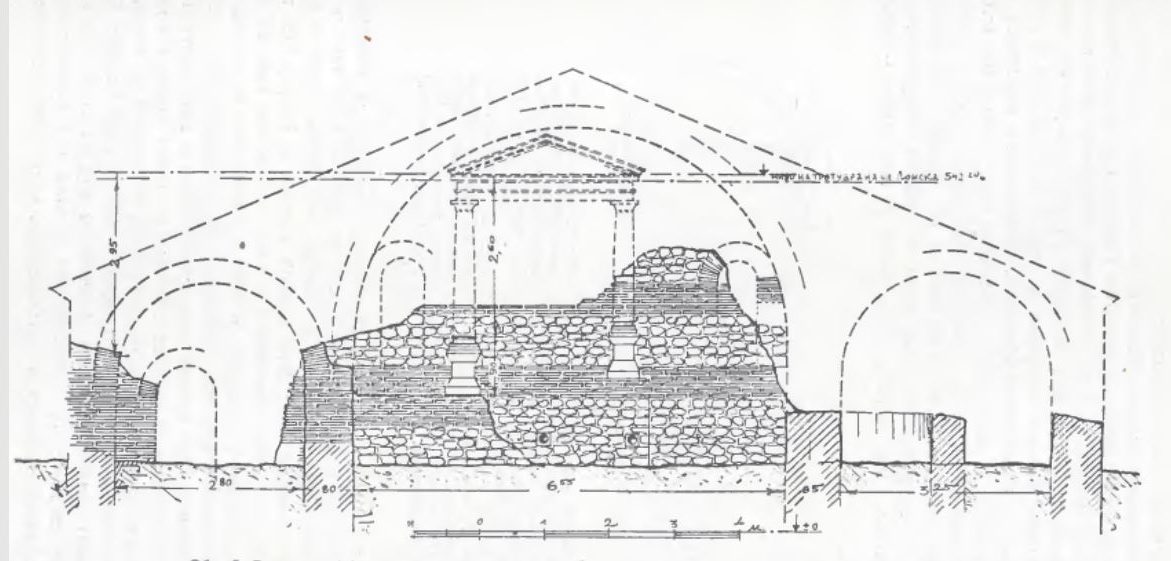
The Mithraeum of Serdica was found in the fortified area of the ancient city of Serdica, now Sofia, Bulgaria.



Dedicated multiple monuments to Mithras, Fortuna Primigenia and Diana in Etruria.
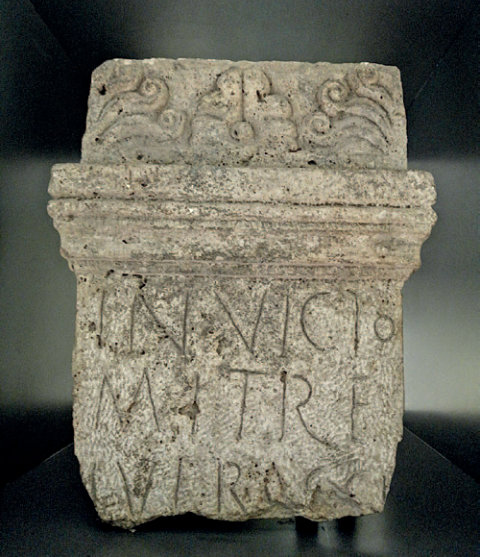
This Mithraic altar of a certain Iulius Rasci or Racci was found in 1979 in a field in Borovo, Croatia, in the area of the Roman fort of Teutoburgium.
According to F. Cumont, the Bedouins told a legend from which Nöldeke concluded that the castle of Quasr-ibn-Wardân was a fort with a mithraeum.
In the cult niche of the Mitreo del Caseggiato di Diana there is a list of words that could indicate names and measurements.
This inscription reveals the names of 36 cultori of Sentinum, one of whom bears the title of pater leonum.
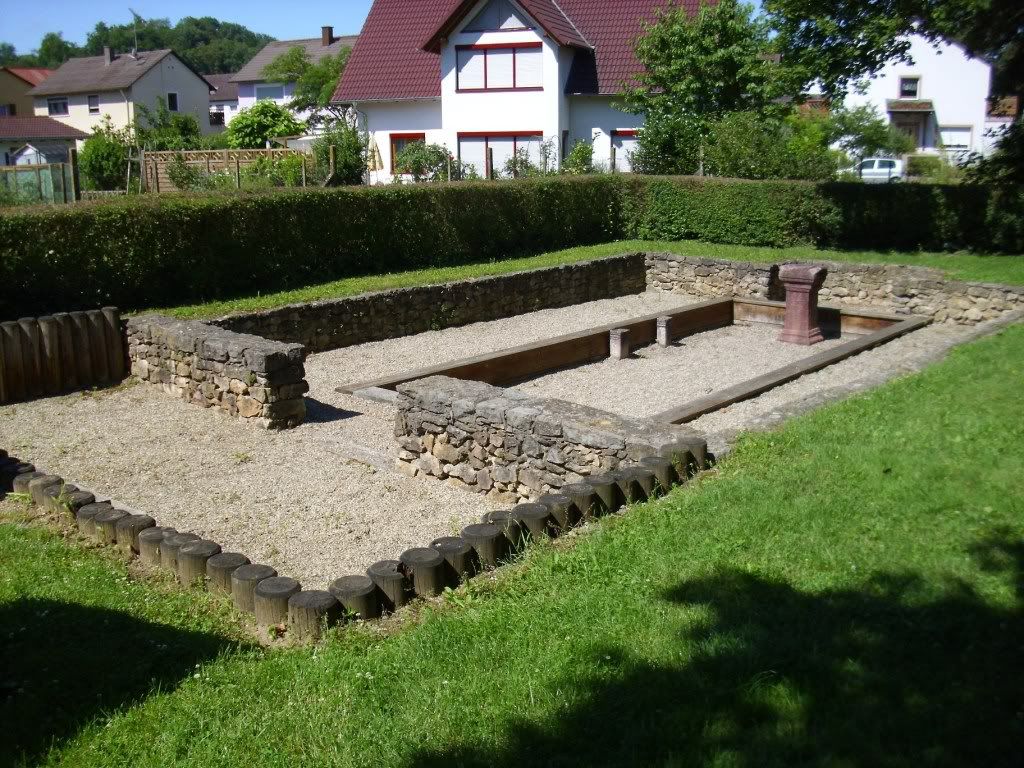
A votive altar referring to the cult of Mithras was found more than forty years before the site was excavated and the Mithraeum discovered.
