Your search Jan Theo Bakker gave 214 results.

Marble altar from Poljčane between Celje and Maribor, Pannonia Superior, dedicated to Deo invicto Mithrae by Lucius Annius Serecinus for the welfare of his grandson Lucius Annius Verus — a rare three-generation Mithraic dedication.
Small Mithraic sanctuary found in the slope of a ravine called Zlodjer (Devil's Ditch) at Ober-Pohanica near Zdole, Noricum; the finds are among the finest marble Mithraic sculpture from the eastern Alpine provinces.
Small two-fragment altar walled into the church at Schlatten near Rosenbach, Noricum, dedicated to Deo invicto Mithrae by Mocio Aprilis.
Assemblage of cult objects from the Mithraeum at Königshoffen including painted lamps, glass and terra-sigillata fragments with potters' stamps and graffiti (including Deo invicto Mithrae), two iron bells, an iron shield-knob, and stone fragments.
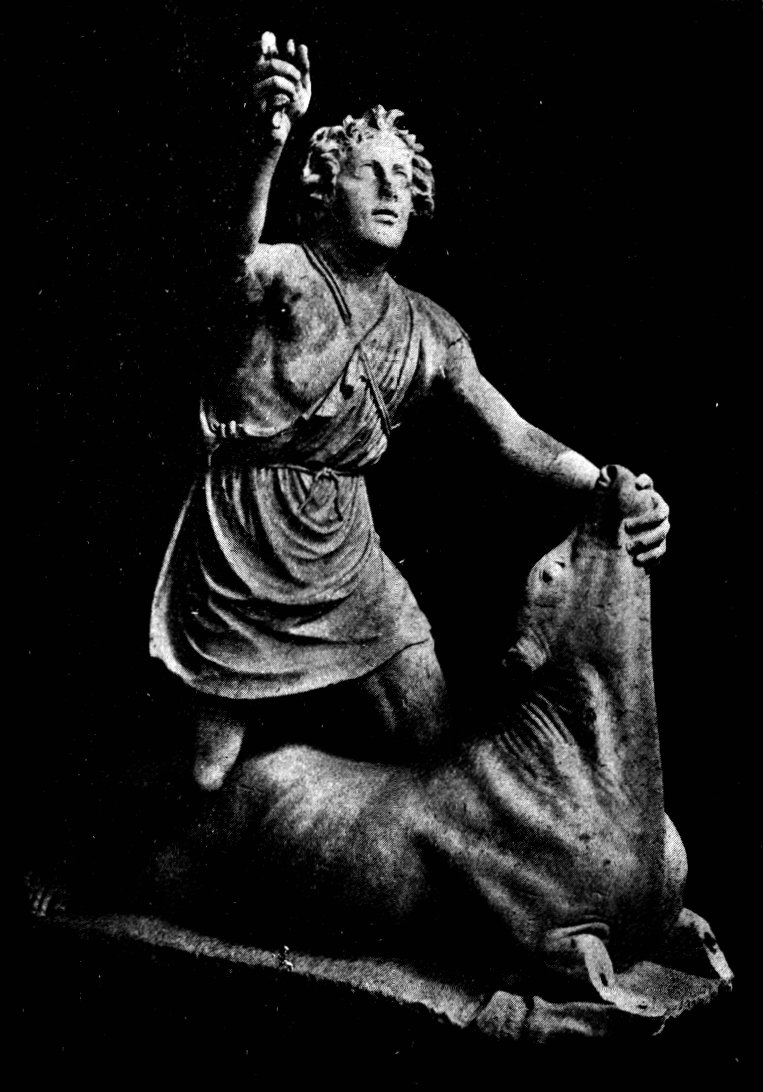
The person who commanded the sculpture may have been M. Umbilius Criton, documented in the Mitreo della Planta Pedis.
Large tauroctony plate with pediment from Vadas, Pannonia Inferior, formerly in the hunting lodge of the Jankovich estate, demolished in 1907; now lost.
Assemblage of lamps, keys, torches, an iron knife, pottery, glass fragments, and five coins from Mithraeum III at Heddernheim, ancient Nida
Ritual coin deposits beneath sanctuary bases helping date the Mithraeum to the late second century A.D.
Assemblage of altars, lamps, coins and ritual objects discovered in the sanctuary.
Subterranean sanctuary at ancient Atchana tentatively interpreted by Woolley as an early precursor to later Mithraic temples.
Altar inscription from Sahin invoking the most high heavenly god and Mithras in the Alawite Mountains.
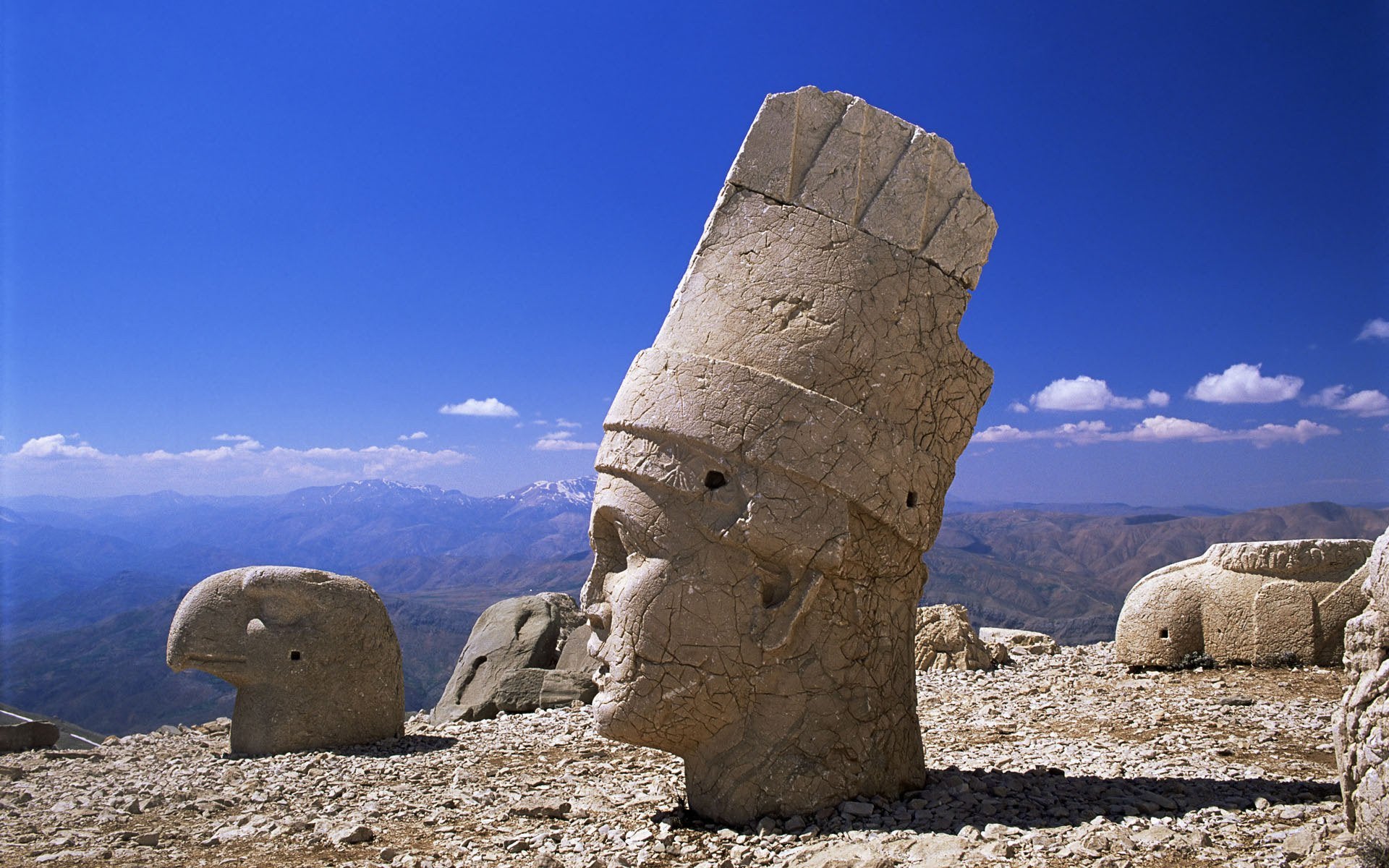
The colossal head has been identified as a solar god, Apollo-Mihr-Mithras-Helios-Hermes.

Founded on the site of ancient Byzantium and refounded in 330 CE, Constantinopolis became an imperial residence in the eastern Roman Empire. In the 4th century, it was a key setting for interaction between traditional cults and Christian authority.
Emona or Aemona was a Roman castrum, located in the area where the navigable Nauportus River came closest to Castle Hill, serving the trade between the city’s settlers – colonists from the northern part of Roman Italy – and the rest of the empire.
Dacia superior formed part of one of the most intensely Mithraic frontier regions of the Roman empire after the conquest of Trajan.

Slave and vilicus in the household of Tiberius Claudius Livianus, linked to the earliest known Mithraic tauroctony.

Clarissimus knight and legate born in Poetovio that helped to disseminate the cult of Mithras in the African provinces.

One of the most eminent representatives of late antique pagan religiosity, combining high civic authority with deep initiation into multiple mystery traditions, including the cult of Mithras.
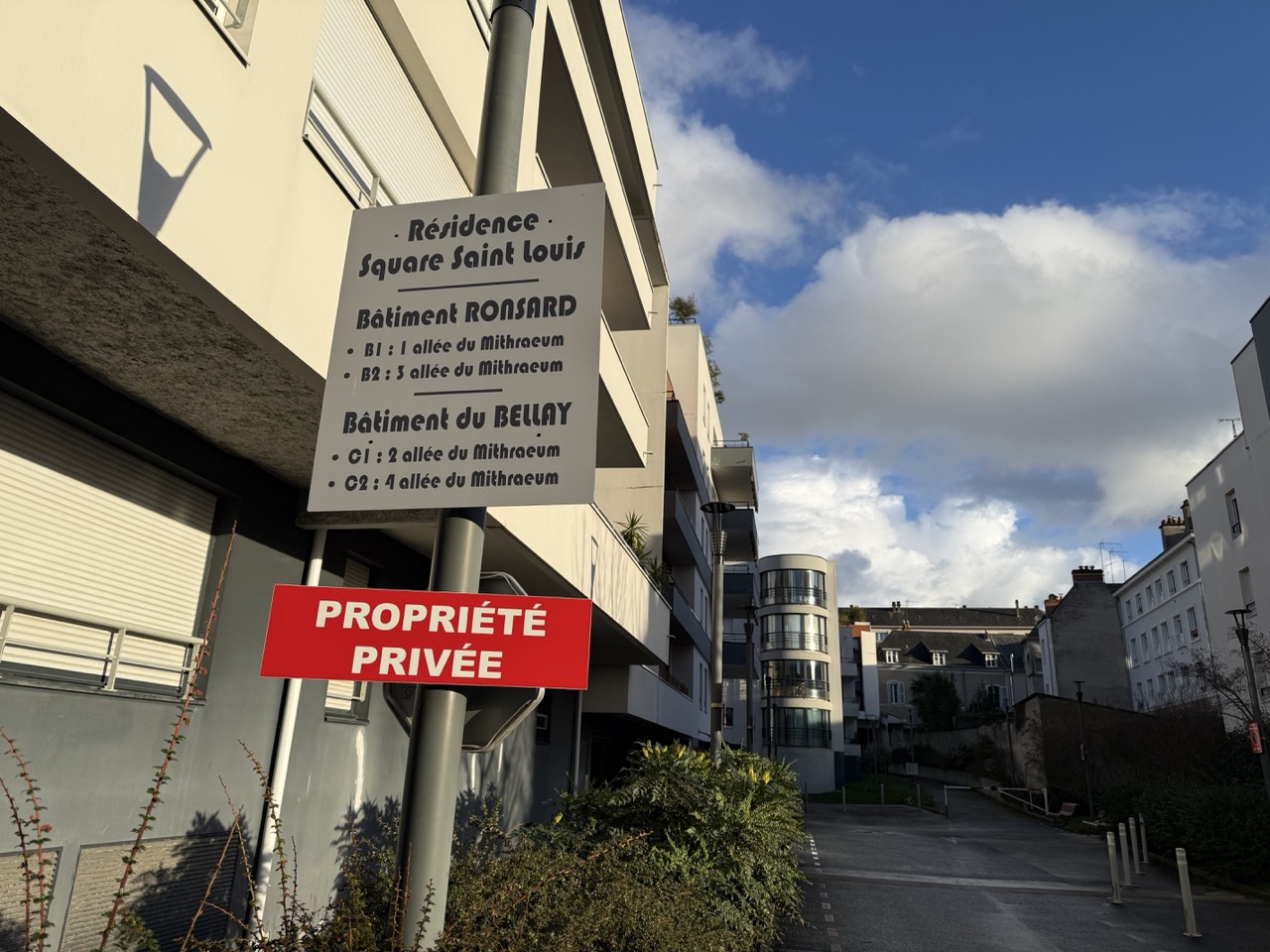
The Mithraeum of Angers, excavated during a preventive operation and subsequently dismantled in 2010, yielded numerous objects, including coins, oil lamps, and a ceramic vessel bearing a votive inscription to the invincible god Mithras.
