Your search Marcus Aurelius Antonius Augustus gave 307 results.
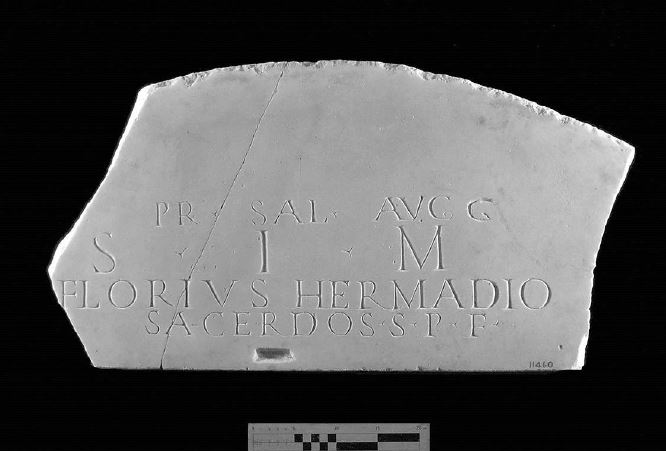
Marble revetment inscription from the cult niche of the Mitreo della Planta Pedis recording a dedication to Sol Invictus Mithras by the priest Florius Hermadio for the welfare of two emperors.

A Mithraic pater of Ostia who dedicated an altar to Cautes in the Mithraeum of the Painted Walls.

Syndexios in Ostia, his name Marsus suggests that he was a snake-charmer.
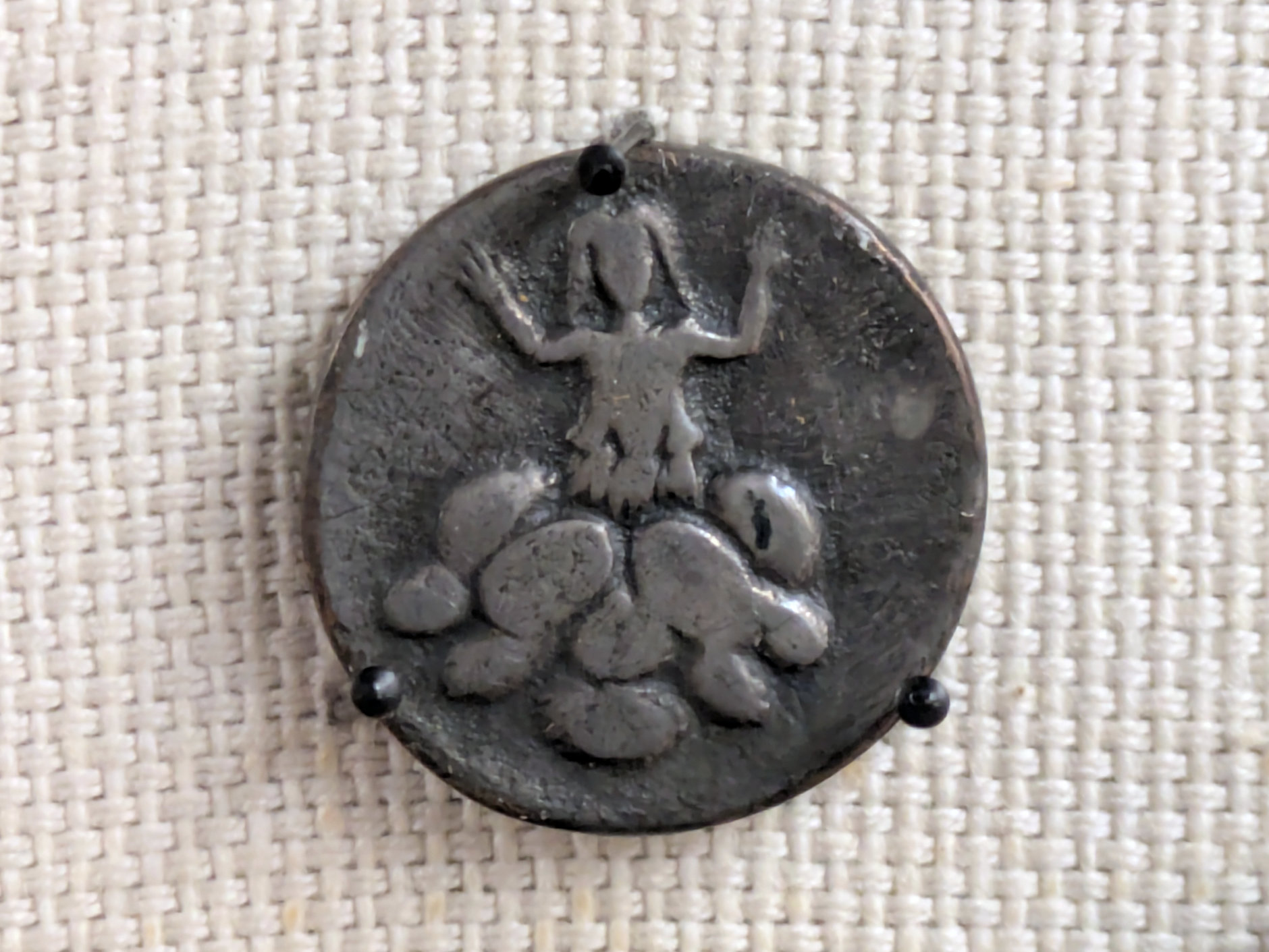
The mithraic denarius of St. Albans dates from the 2nd century.

Magister of a Bracaran sodalicium associated with the cult of Mithras in Roman Lusitania.
Marble inscription recording the construction of a Mithraic meeting place and the donation of a crater by Titus Flavius Artemidorus.
A sandstone slab found along the border of the Tagus river near Thirmarum (modern Trillo, near Cifuentes in Guadalajara), recording an inscriptoiin by a certain Cornelius, freedman of Gaius.

Donor of the monumental tauroctony that served as the central cult image of Mithraeum IV in Aquincum.

An altar found in 1889 at Caldas de Reyes (ancient Iria Flavia) in Galicia, bearing a fragmentary dedication to Cautes, possibly by a person named Antonius.
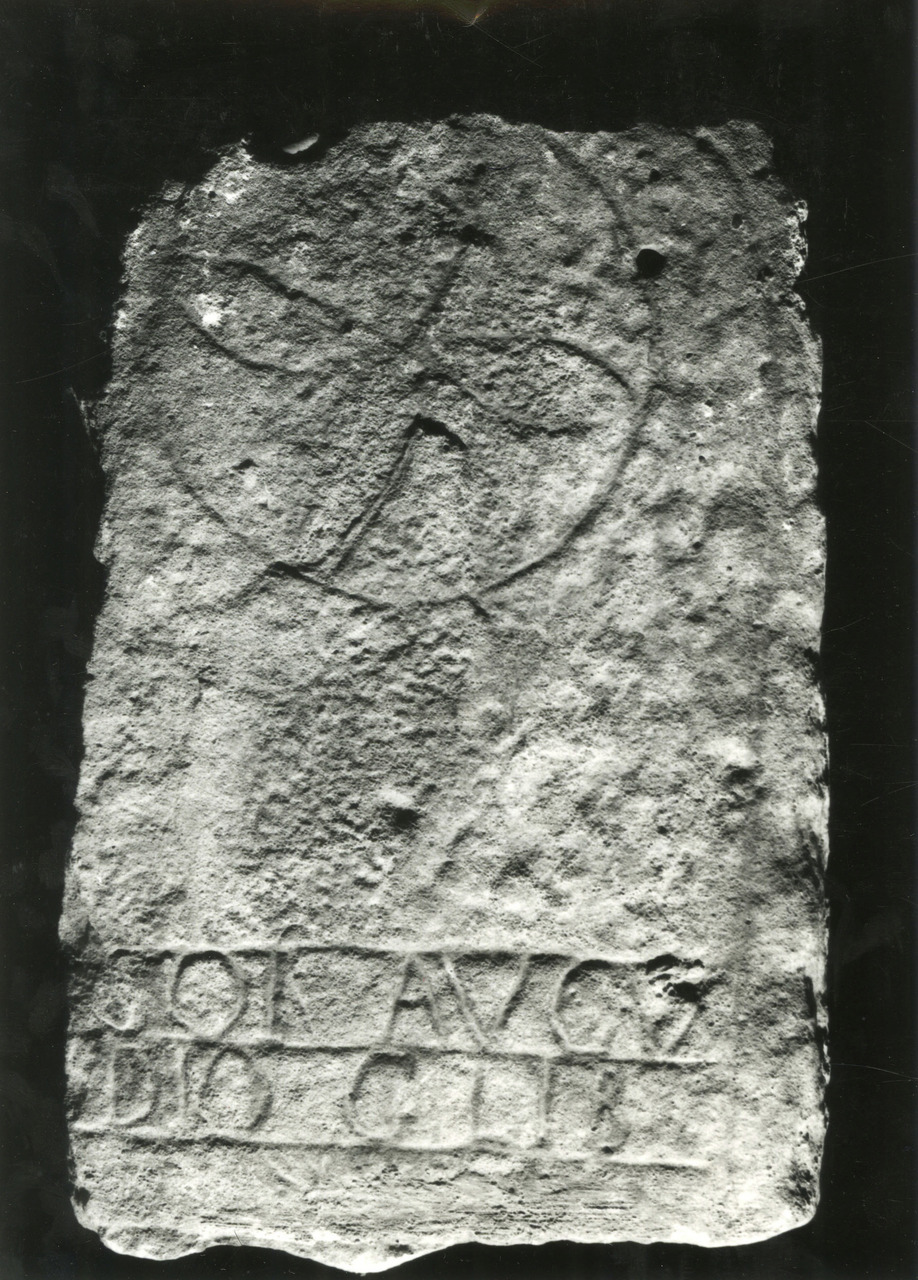
An inscription on the base CIMRM 940 from Interanum (modern Entrains-sur-Nohain) in Lugdunensis, recording a dedication to Augustus and to the unconquered god Mithras Sol, made by a dedicant named Castor.
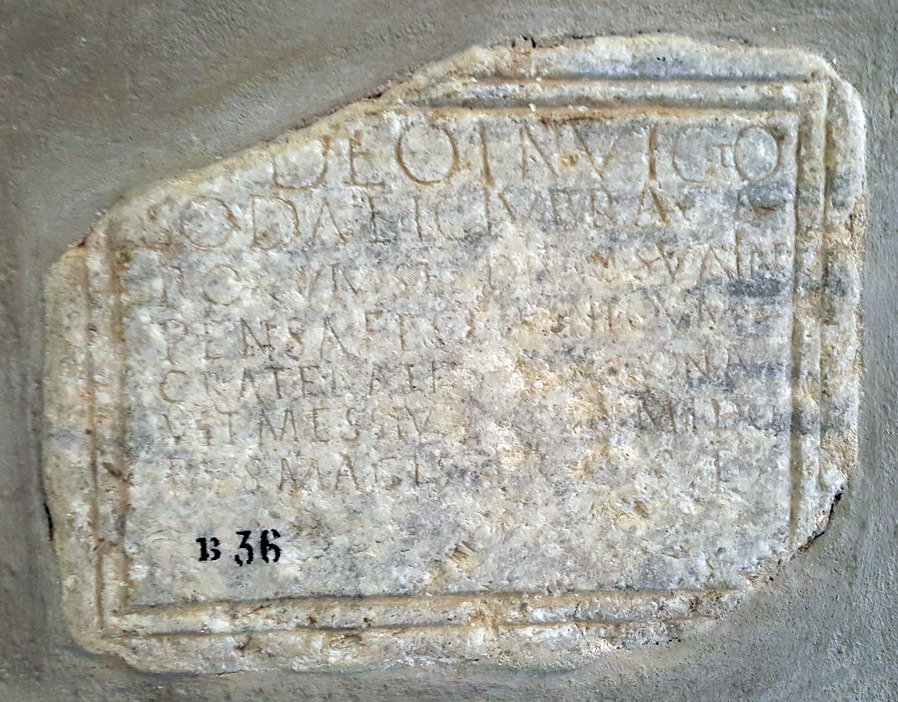
A square stone from La Oliva near Capera (modern Cáparra) in Extremadura, bearing an inscription dedicated to Sol Invictus Augustus.
A large inscription from Olisipo (modern Lisbon), recording a dedication to the Eternal Sol and Luna for the perpetuity of the empire and the welfare of Septimius Severus, Caracalla and Geta, executed under the supervision of Drusus Valerius Coelianus and others, dated to the Severan period…
An inscription from the place called La Oneda near Breno in Val Camonica, dedicated to Sol Divinus by L. Apisocius Successus for himself and his four patrons Marcus, Gaius, Lucius and Quintus, with a dagger with ribbons carved below.
A military inscription from Aquileia, dedicated to the Invincible Mithras by Flavius Exuperatus and several soldiers from the Third Italic and Thirteenth Gemina legions, acting as lustration agents for their commanders Flavius Sabinus and Aurelius Zeno, dated to around 244 A.D…

The last pagan emperor of Rome, closely associated with Mithras and Neoplatonic interpretations of the Sun God.
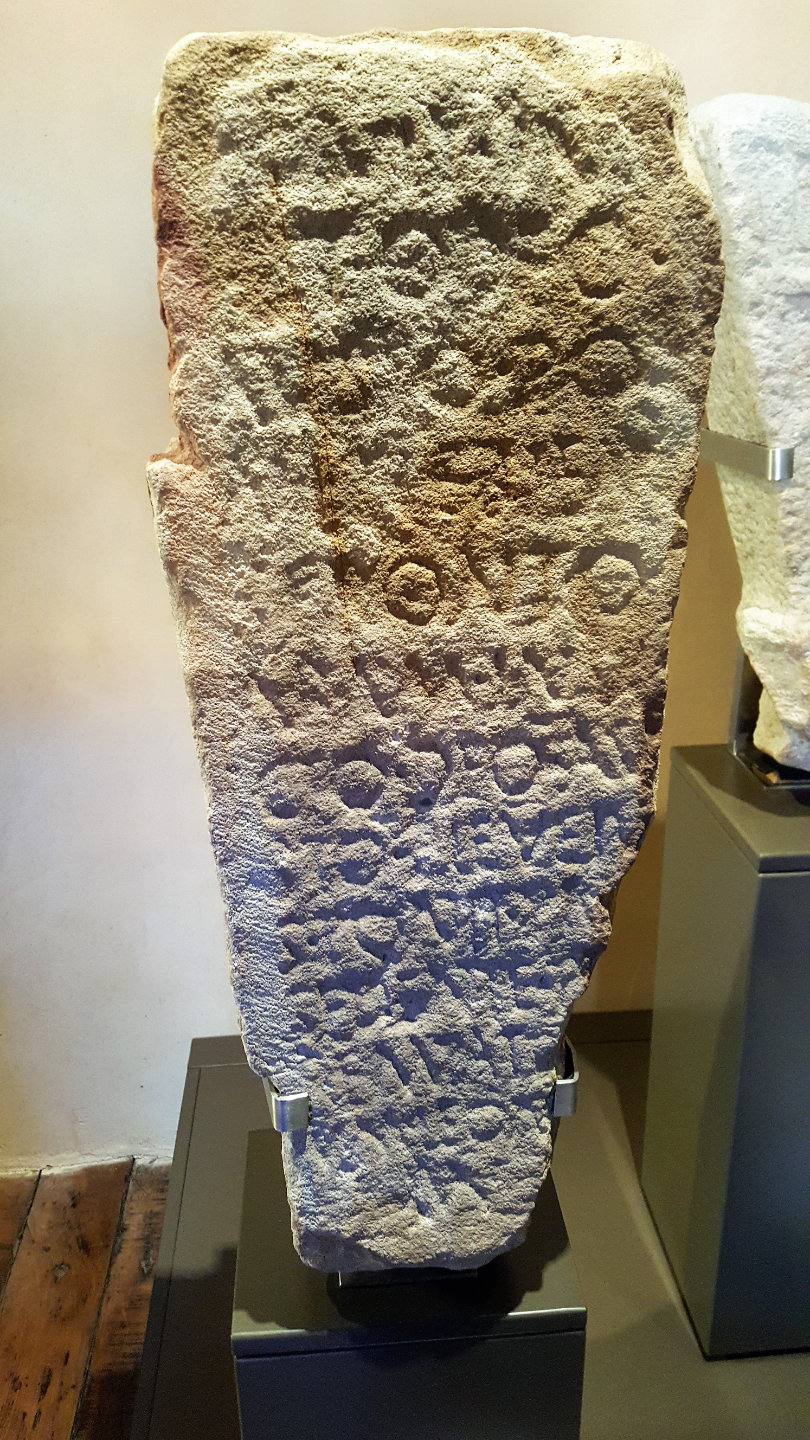
The monument of San Juan de la Isla (Asturias) devoted to Mithras was preserved in the portico of the main church until 1843.
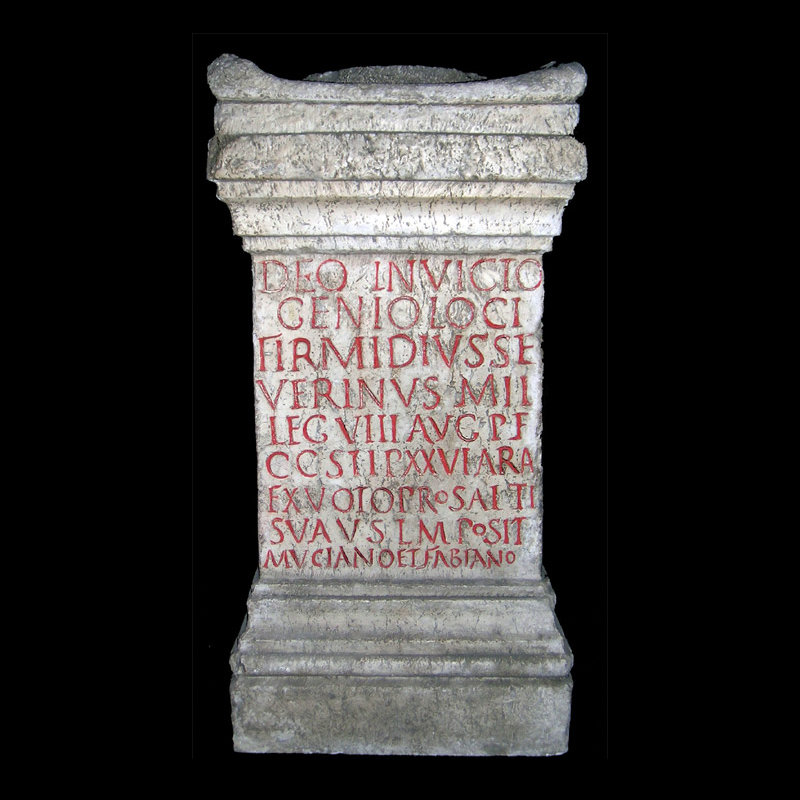
This limestone altar bears an inscription from its donor, Firmidius Severinus, in honour of Mithras after 26 years of service in the Legio VIII Augusta.
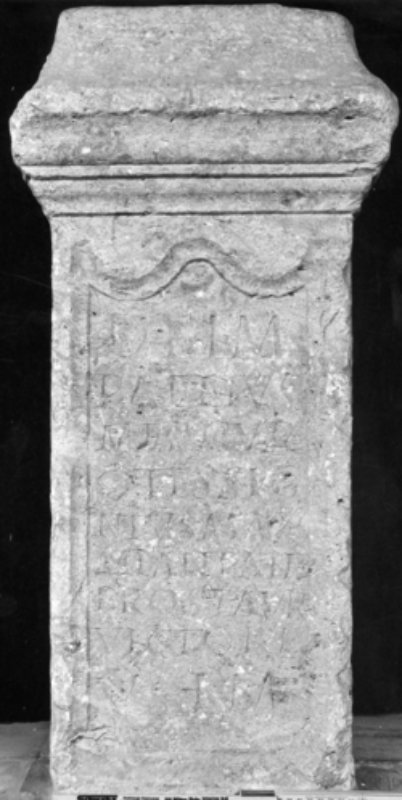
This altar to Mithras found in Aquilieia mentions several persons of a same community.
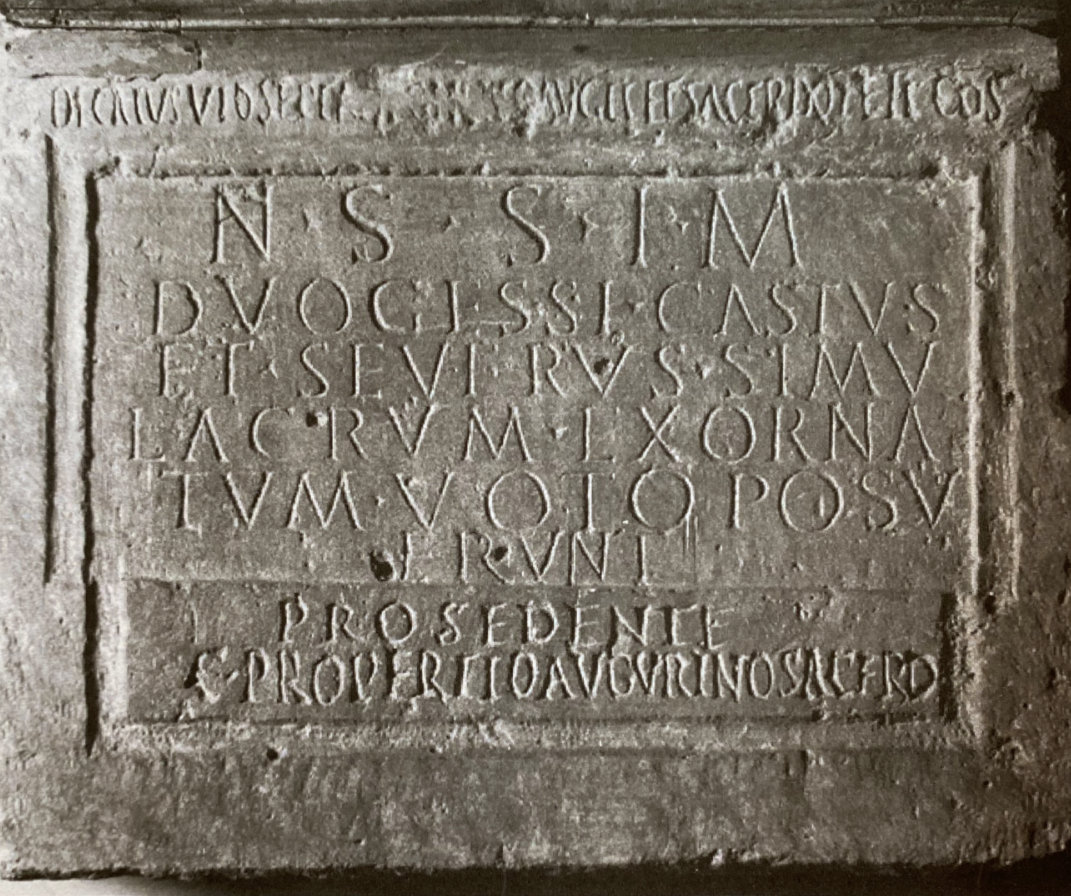
Gessius Castus and Gessius Severus have placed a decorated stutue and left testimony on this inscription below.
An inscription to Sol Invictus Mithras found in the Vigna Patritii outside the Porta Pia in Rome, dedicated by Aelius Victorinus, a veteran of the emperors honourably discharged, with M. Aurelius Romulus as antistes and sacerdos of the cult.
