The New Mithraeum
19 Jun 2009
Updated on Jun 2026
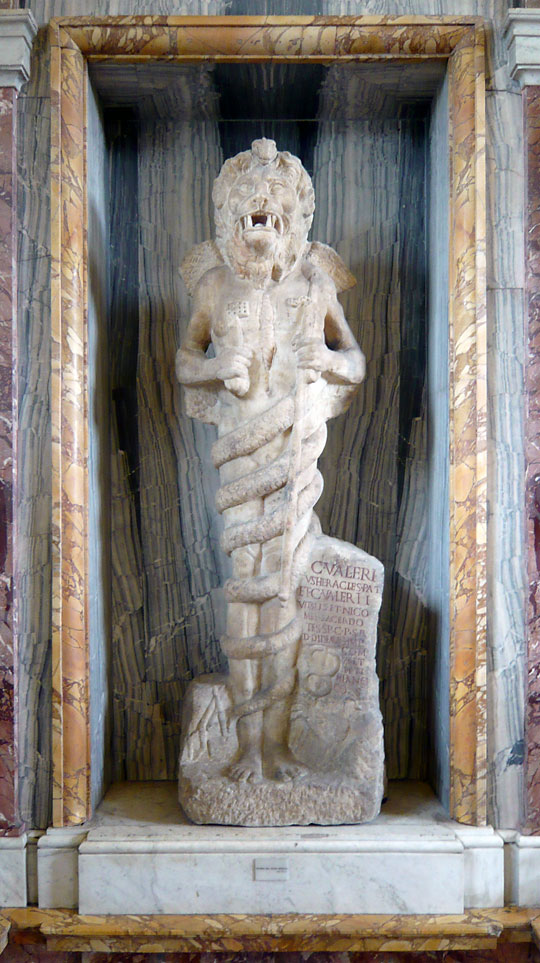
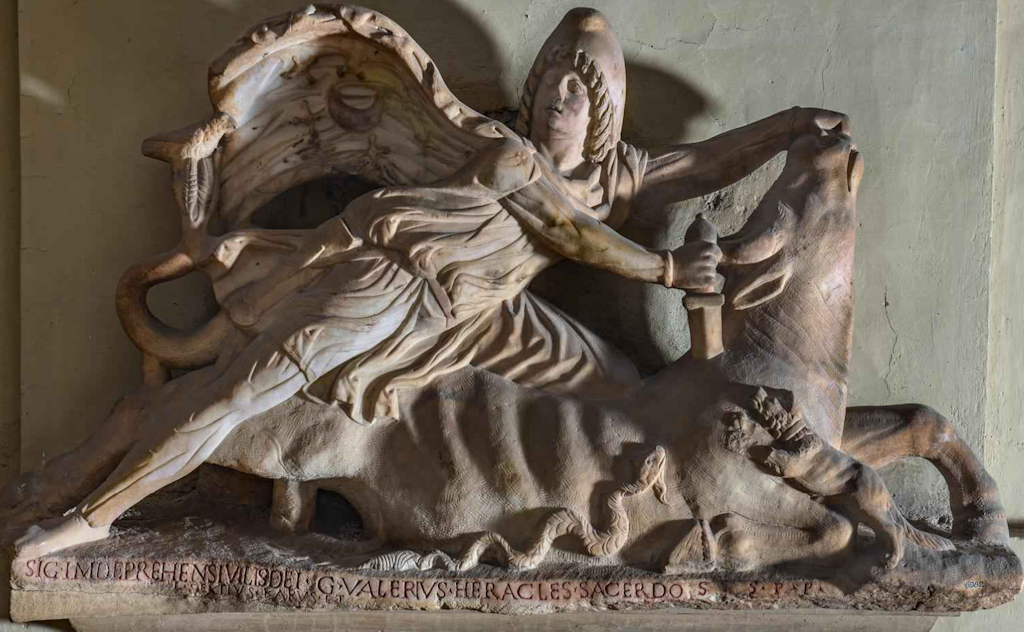
In the period between 1794 and 1800 the English painter Robert Fagan discovered a Mithraeum (Reg. III, Is. VIII), of which nowadays only extremely scarce data are known. It is situated between the Tor Boacciana and the Palazzo Imperiale. We know that a natural cave had been imitated, which was entered by a long narrow corridor.
Zoega, Abh., 198; Visconti in Ann. 1st. 1864, 151; Becatti, Mitrei Ostia, 119This mithraeum was excavated by the Irish painter Robert Fagan between 1794 and 1802. Today it cannot be seen. It must be somewhere between the Palazzo Imperiale and the ancient mouth of the Tiber (Tor Boacciana)…
Zoega, Abh., 198; Visconti in Ann. 1st. 1864, 151; Becatti, Mitrei Ostia, 119This mithraeum was excavated by the Irish painter Robert Fagan between 1794 and 1802. Today it cannot be seen. It must be somewhere between the Palazzo Imperiale and the ancient mouth of the Tiber (Tor Boacciana)…
The full article is reserved for our members.
Log in or create a free account to access the entire site.