Your search Mit Rahina gave 2642 results.

A large red and white granite marble disc surrounded by rays, possibly representing the sun, found at the building south-west of the Mithraeum at Les Bolards (ancient Venetonimagus) in Lugdunensis.
Architectural elements including marble plaques, mouldings, entablature sections, and acanthus friezes, found in a building about 30–40 metres south-west of the Mithraeum at Les Bolards (ancient Venetonimagus) in Lugdunensis, suggesting the possible existence of a second sanctuary…
Two small stone fragments, possibly from a base, found at the Mithraeum of Les Bolards (ancient Venetonimagus) in Lugdunensis.
Fragments of a slab bearing an inscription mentioning Sol Aeternus and cohors II, found at the Mithraeum of Les Bolards (ancient Venetonimagus) in Lugdunensis.
A small white marble column decorated in high relief with spiral oak-leaves and acorns, together with fragments of two legs and two hands holding votive offerings, found at the Mithraeum of Les Bolards (ancient Venetonimagus) in Lugdunensis.
A small woman's head crowned with flowers, found at the Mithraeum of Les Bolards (ancient Venetonimagus) in Lugdunensis.
Two small heads in Phrygian caps, possibly belonging to a tauroctony of Mithras, together with a fragment of a bull's foot and the mouth and neck of the dog, found at the Mithraeum of Les Bolards (ancient Venetonimagus) in Lugdunensis.
Fragmentary remains of a statuette of Cautopates in a short tunic, including a thigh, knee, and hand holding the end of a torch, found near the entrance of the Mithraeum at Les Bolards (ancient Venetonimagus) in Lugdunensis.
An altar found in 1898 in the east part of the sanctuary at Borcovicium (modern Housesteads), bearing a dedication to Mars and Victoria, possibly belonging to an adjacent shrine rather than the Mithraeum itself.
A small four-sided white marble relief of uncertain Mithraic attribution, found at Italica (modern Santiponce, near Seville), depicting a bull walking to the right on the front, a fig-tree on the back, five ears of wheat on the right side, and damaged vine tendrils with grapes on the left…
An inscription from Aquileia recording a vow fulfilled to Sol Invictus Mithras by C. Calidius Agathopus, a member of the college of the seviri Augustales of Aquileia.
A military inscription from Aquileia, dedicated to the Invincible Mithras by Flavius Exuperatus and several soldiers from the Third Italic and Thirteenth Gemina legions, acting as lustration agents for their commanders Flavius Sabinus and Aurelius Zeno, dated to around 244 A.D…
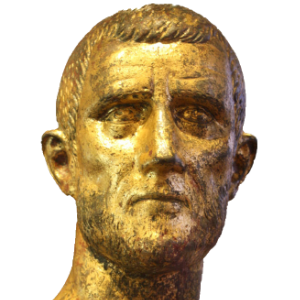
Roman emperor who established the state cult of Sol Invictus and promoted solar worship throughout the Roman Empire.

The last pagan emperor of Rome, closely associated with Mithras and Neoplatonic interpretations of the Sun God.
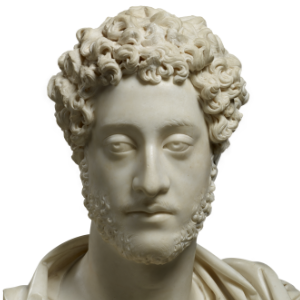
Roman emperor traditionally regarded as the first ruler initiated into the Mysteries of Mithras.

Alfius Severus was a prominent figure associated with the Mithraeum of Marino, probably acting as pater of a small Mithraic community connected with the nearby peperino stone quarries.
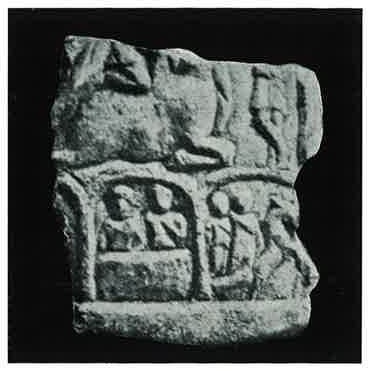
Right lower corner of a marble tauroctony relief from Oltenia, Dacia, preserving the lower portion of Mithras killing the bull.
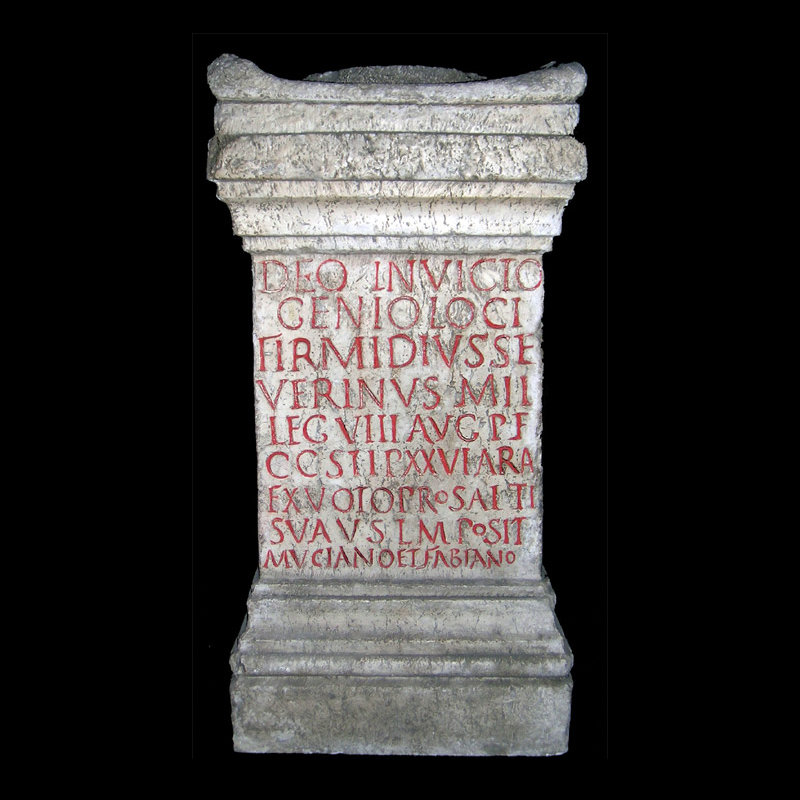
This limestone altar bears an inscription from its donor, Firmidius Severinus, in honour of Mithras after 26 years of service in the Legio VIII Augusta.
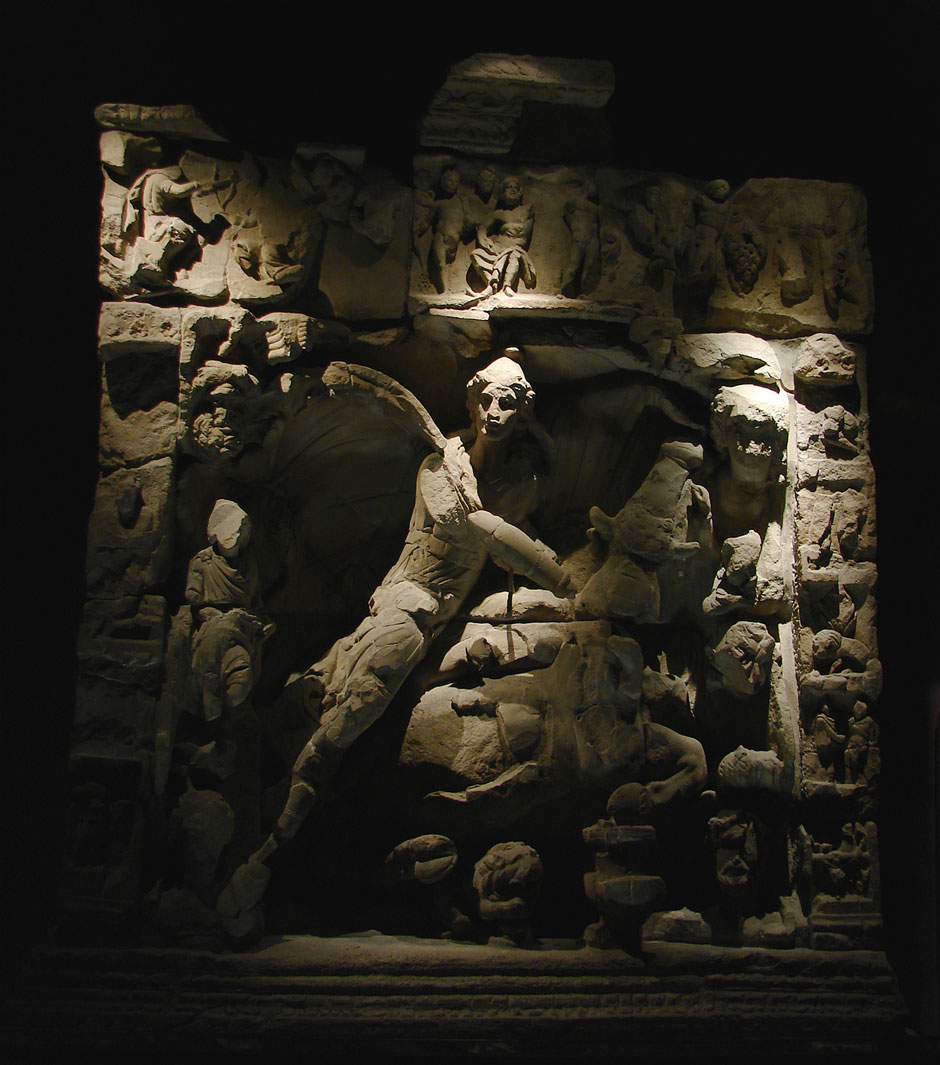
The Tauroctony of Saarbourg (Sarrebourg, ancient Pons Sarravi), France, contains most of Mithras deeds known in a single relief.
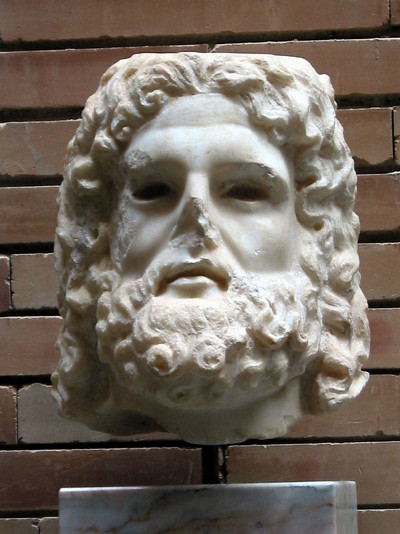
This head of Serapis from Cerro de San Albín may be unrelated to Mithras worship.
