Your search Monteu da Po gave 2935 results.
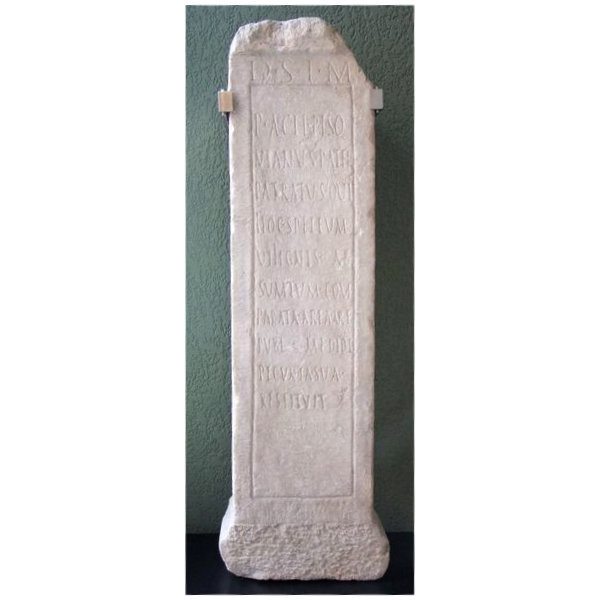
This high stele by a certain Acilius Pisonianus bears an inscription commemorating the restoration of a Mithraeum in Mediolanum, today's Milan.
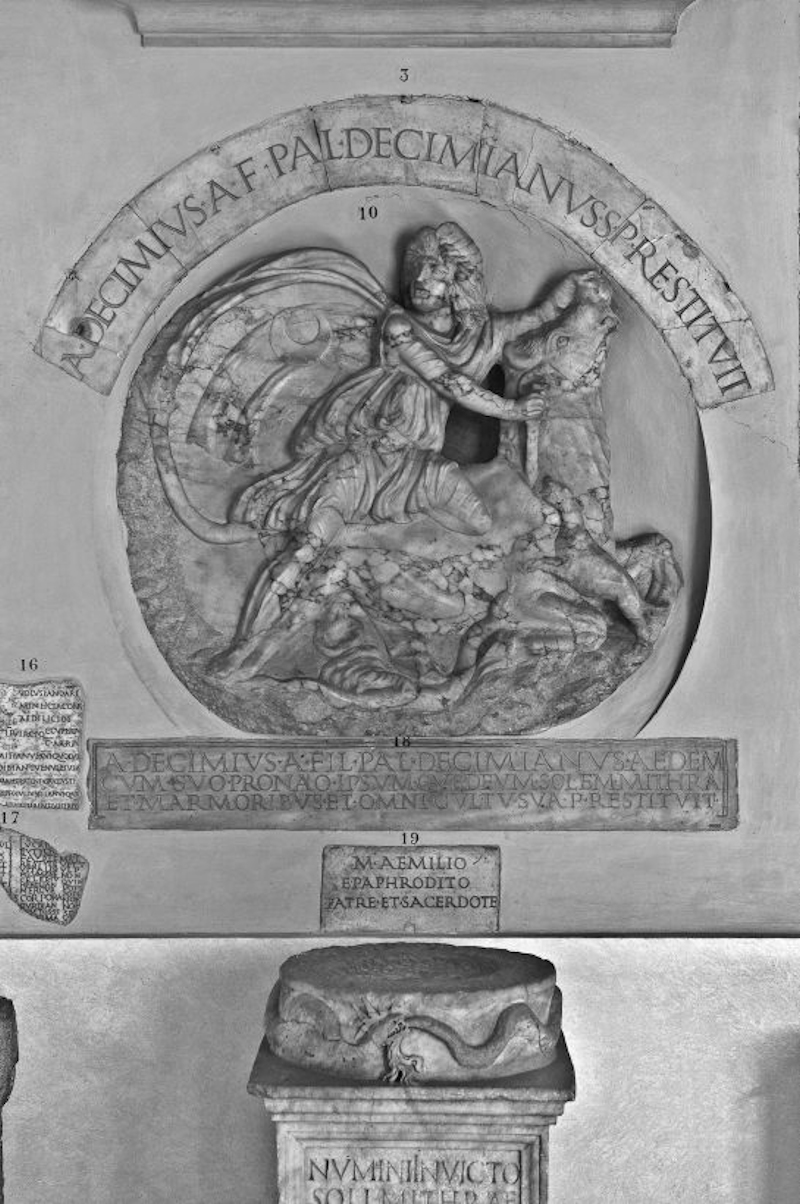
The relief of Mithras slaying the bull from the Mithraeum of the Seven Spheres was discovered in 1802 by Petirini by order of Pope Pius VII.

This lost monument bears an inscription to Cautes by a certain Tiberius Claudius Artemidorus.
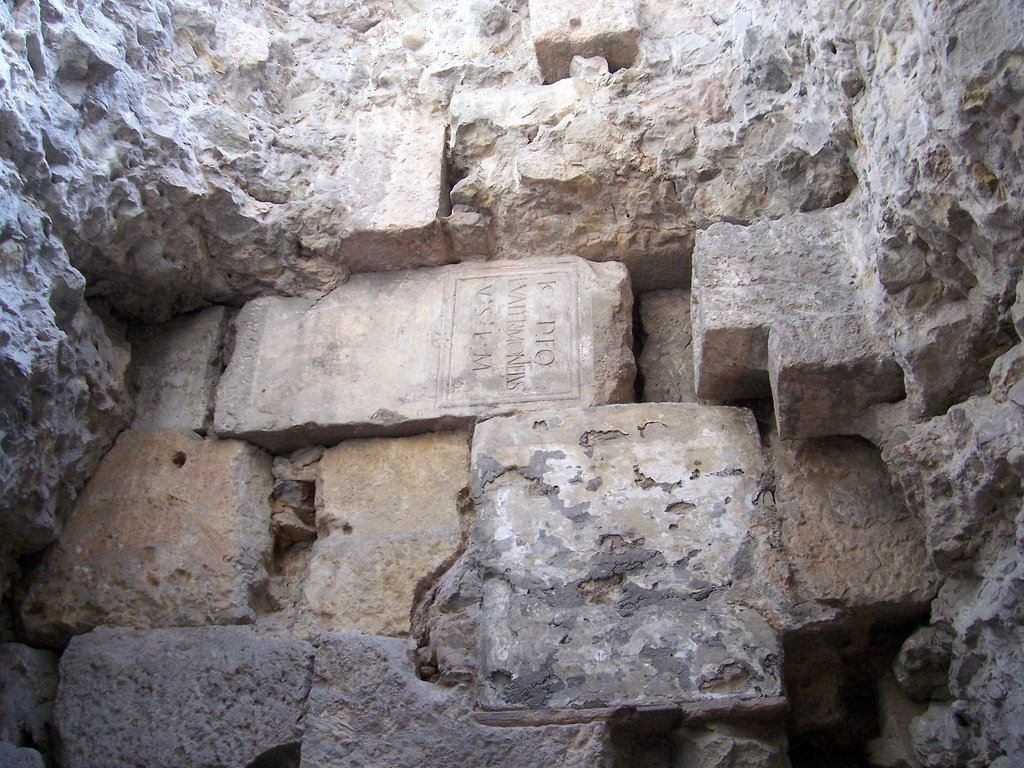
This altar was dedicated to Cautes by a certain Lucius in Baetulo (Badalona), near Barcino (Barcelona).
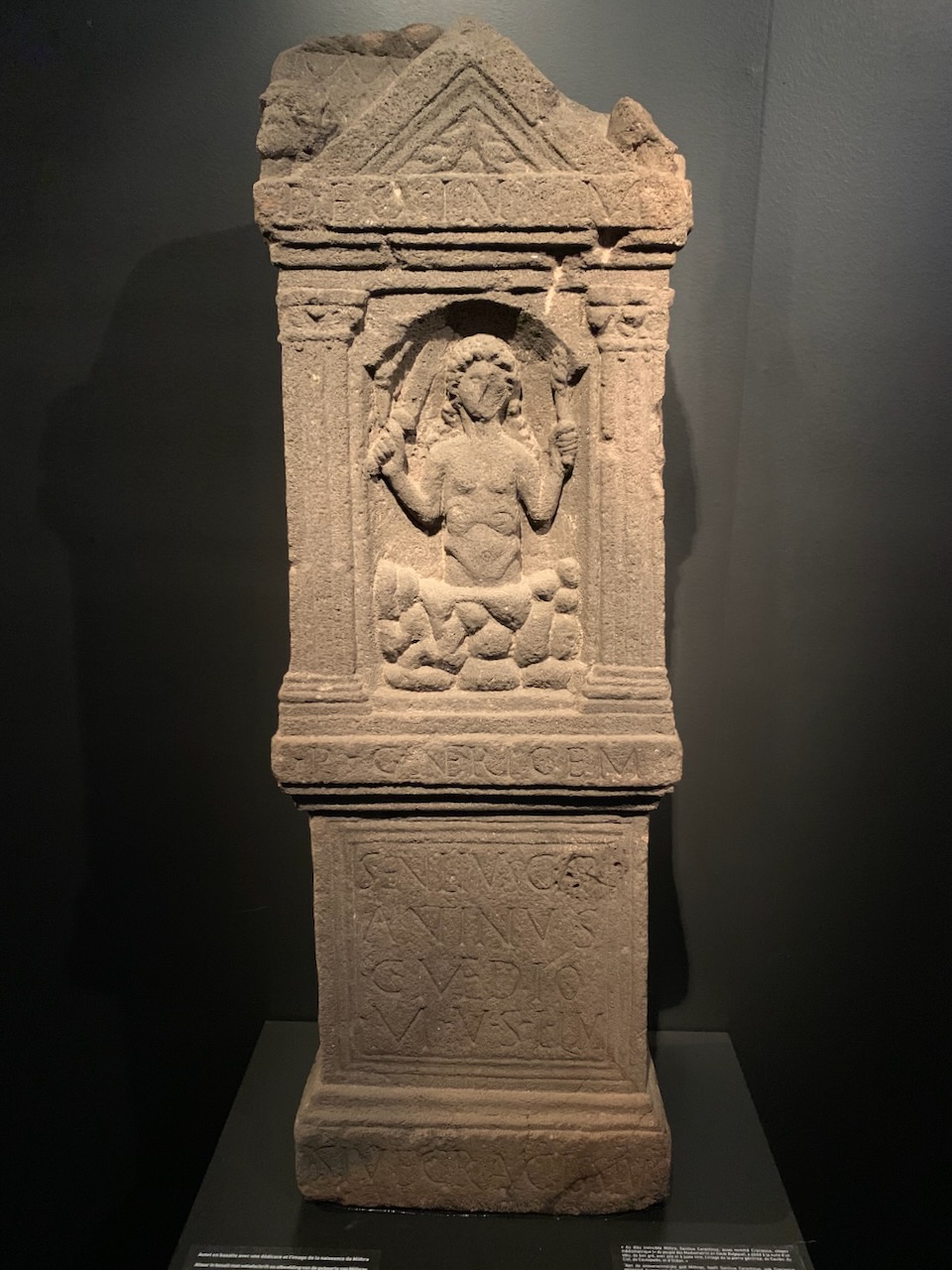
The Mithraic stele from Nida depicts the Mithras Petrogenesis and the gods Cautes, Cautopates, Heaven and Ocean.
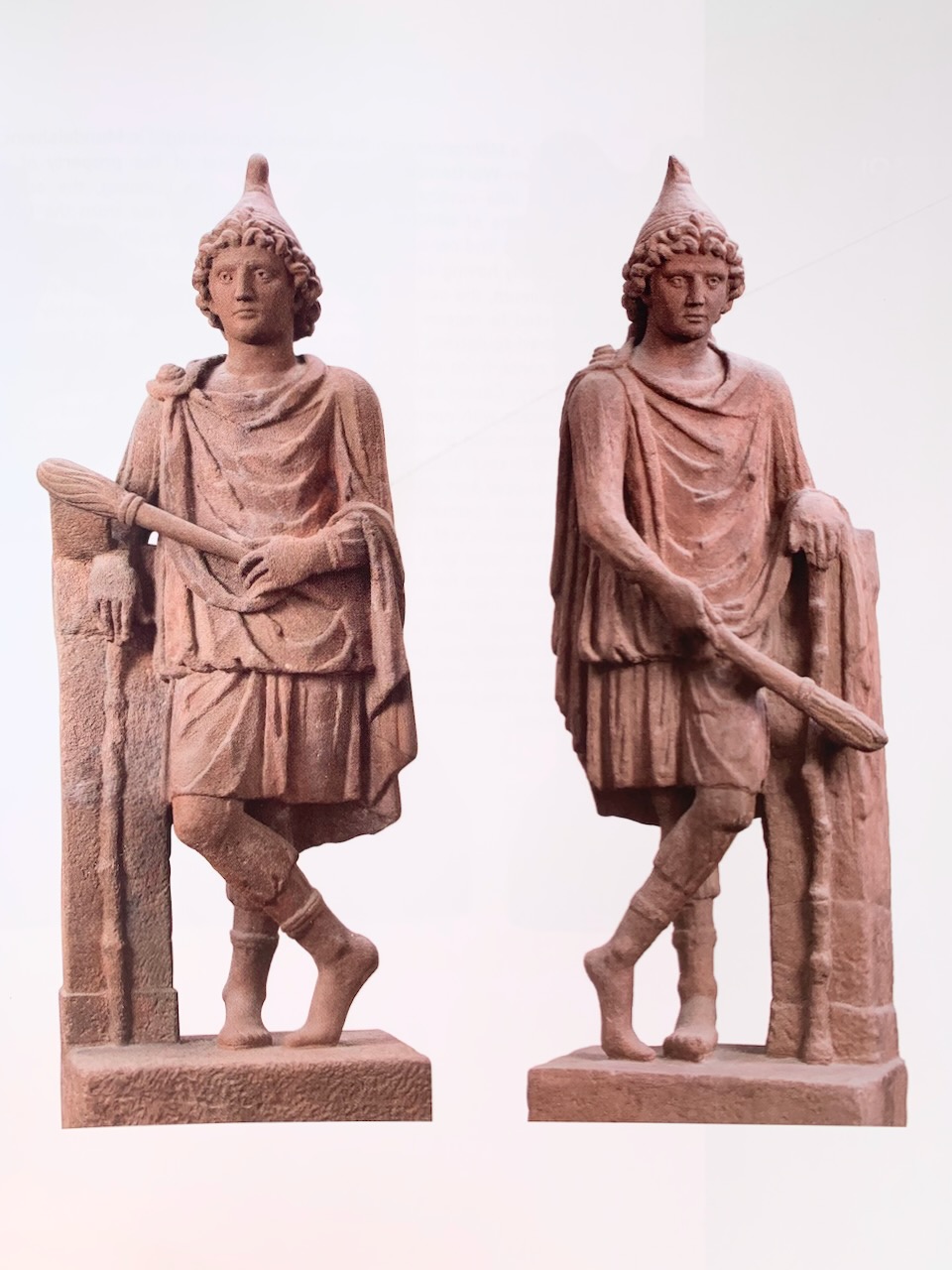
The two companions of Mithras carry a torch and a shepherd's staff at the third Mithraeum in Frankfurt-Heddernheim, formerly Nida.
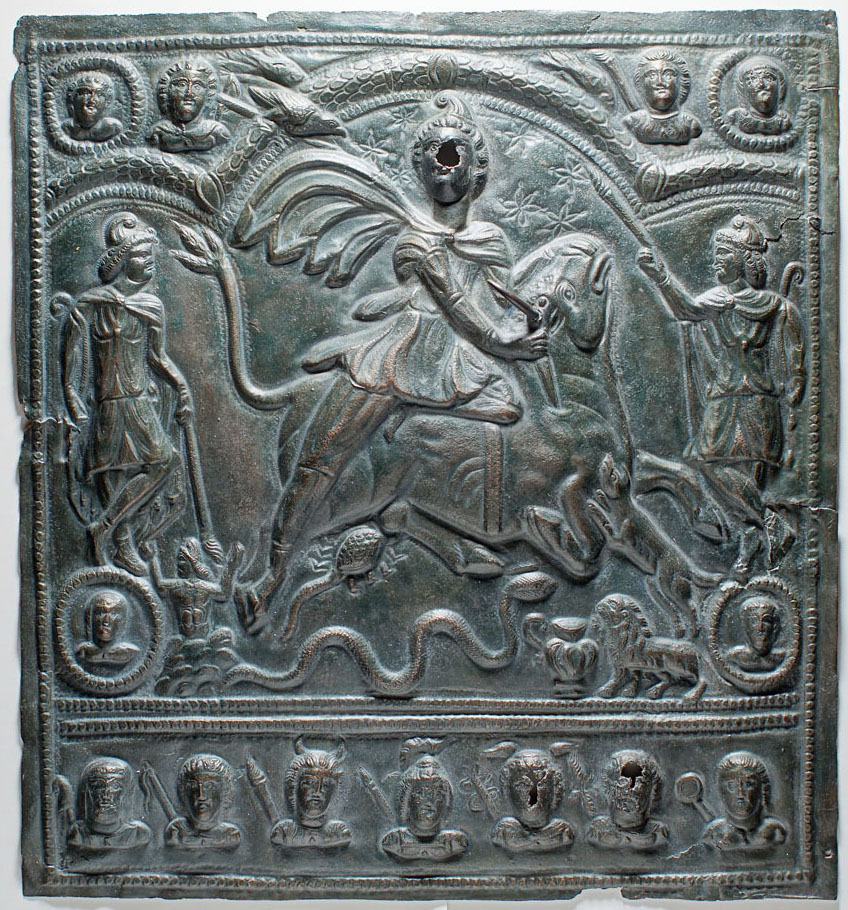
Szony's bronze plate shows Mithra slaying the bull and the seven planets with attributes at the bottom of the composition.
Altar from Vratnik near Senia, Dalmatia, dedicated to Soli invicto Mithrae by Faustus, slave of Tiberius Saturninus, for himself and his family.
A brief inscription reading D(eo) M(ithrae), found inside a fullonica at Pola (modern Pula) in a room that had once served as a vestibule.
The inscription on the votive altar No. 756 from Pola (modern Pula), reading Soli above the head of Sol and Milace / Atticus under the head, recording the dedication by a person named Atticus.

The last pagan emperor of Rome, closely associated with Mithras and Neoplatonic interpretations of the Sun God.
Inscription from Axiopolis, Moesia Inferior, recording a dedication by a vir perfectissimus dux limitis provinciae Scythiae.
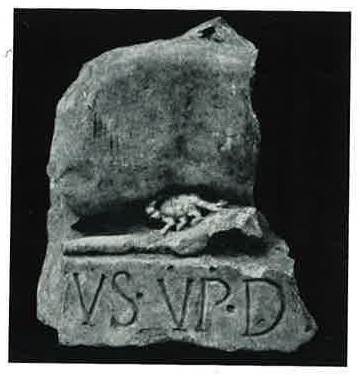
Marble tauroctony fragment from Axiopolis, Moesia Inferior, preserving only a small part of Mithras's knee, the hind part of the bull, and the scorpion.
Fragment of the border of a marble vase from Axiopolis, Moesia Inferior, bearing an inscription dedicated to Deo Soli invicto Mithrae.
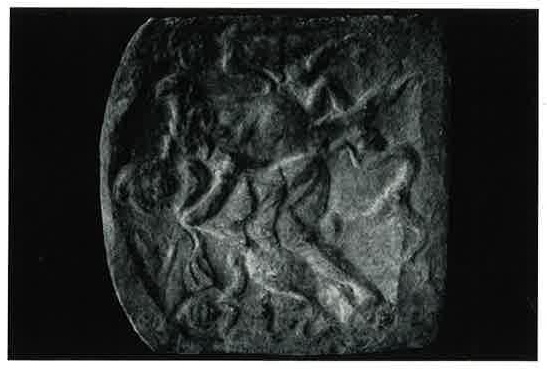
Reddish-white marble tauroctony relief from Slăveni-Romanați, Dacia, depicting the standard bull-slaying with the full iconographic programme.
Small bronze statuette in Phrygian cap from Catunele de Motru, Dacia, possibly a torchbearer; the Mithraic attribution is not certain as no torch survives.

Fragment of a tauroctony relief from Botoșești-Paia near Craiova, Dacia, depicting the standard bull-slaying scene.
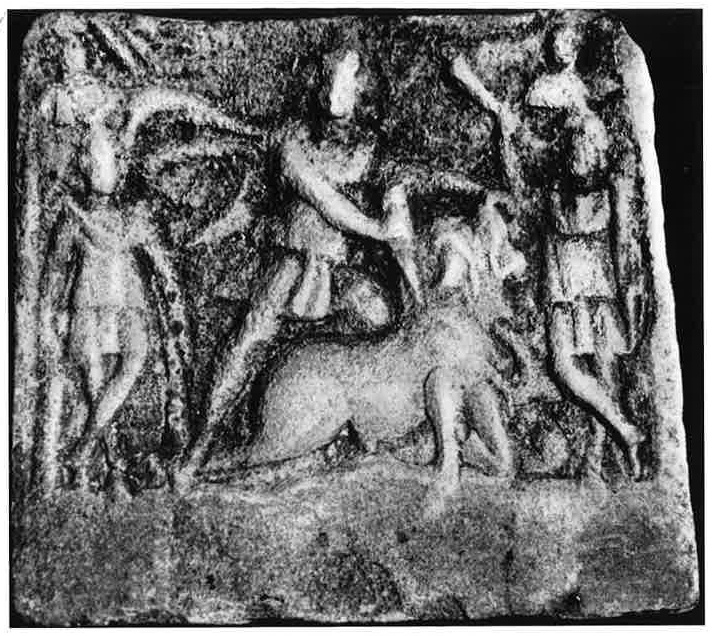
White marble tauroctony relief from Orșova, ancient Dierna in Dacia, depicting the standard bull-slaying with the torchbearers and subsidiary scenes.
Primitive marble tauroctony relief from the Museum at Cluj, Dacia, attributed to Micia but with uncertain provenance; a rough representation of Mithras killing the bull without Phrygian cap.
Fragment of a marble tauroctony relief from Vețel, ancient Micia in Dacia, preserving only the upper part of the arched centre with the upper portion of Mithras killing the bull.
