Your search Multiple authors gave 36 results.

This small cippus to Zeus, Helios and Serapis includes Mithras as one of the main gods, although some authors argue that it could be the name of the donor.
Unpublished tauroctony relief from Turnu Severin, Dacia, with multiple Mithraic scenes including Mithras with Sol, Mithras as archer, and Mithras as bull-slayer.
Reconstructed tauroctony relief from the Mithraeum at Mackwiller, assembled from multiple stone fragments and preserving Mithras's head, shoulders, dagger hand, flying cloak, and parts of the bull and torchbearers.
Major Mithraic sanctuary in the City of London with east-west orientation, multiple building phases and rich sculptural finds.
Fragment of a limestone column from the Mithraeum at Sarmizegetusa, Dacia, with a partially preserved inscription recording a dedication by multiple members of the Syrian community.
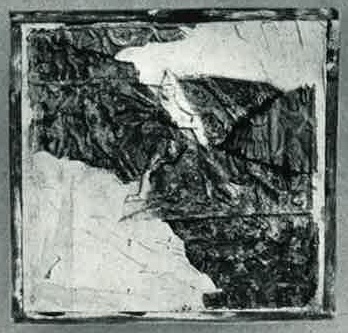
Bluish marble tauroctony relief in fragments from the Mithraeum at Sarmizegetusa, Dacia, divided into horizontal registers with the central bull-slaying and multiple subsidiary Mithraic scenes.
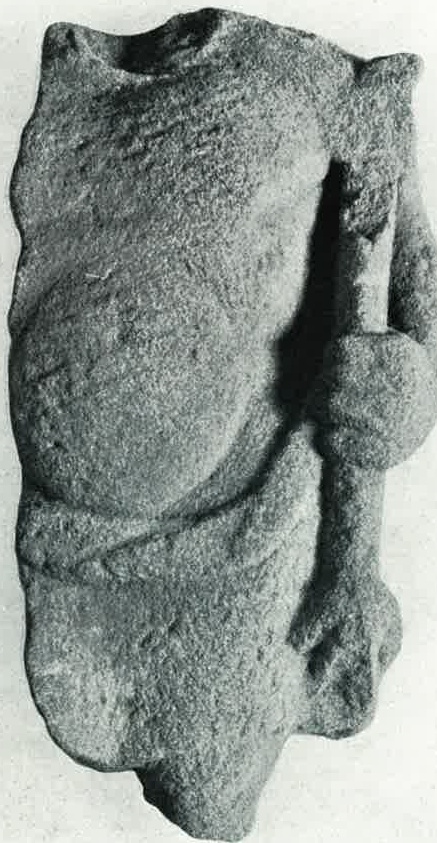
Group of sandstone relief fragments from Rückingen depicting multiple deities including a male head identified as Hercules

One of the most eminent representatives of late antique pagan religiosity, combining high civic authority with deep initiation into multiple mystery traditions, including the cult of Mithras.
Francesco Massa examines how the concept of mysteria was transformed in the Roman Empire, as Christian authors from the mid-second century CE adopted the language of mysteries to articulate their own rituals and beliefs, reshaping understandings of both Christian and traditional cults…

Dedicated multiple monuments to Mithras, Fortuna Primigenia and Diana in Etruria.

The name of this domus comes from the fact that some authors once associated one of its mosaics with the cult of Mithras, a connection that has since been dismissed.

This unusual bronze bust of Sabazios features multiple symbolic elements, with Mithras depicted in his characteristic pose of slaying the bull, positioned just below Sabazios’ chest.
We’ve put together a new table of cross-references of monuments to Mithras in several databases, including Vermaseren’s Corpus, Cumont’s Textes, CIL, l’Année épigraphique, Clauss / Slaby and Heldeiberg’s epigraphic databases, and more…
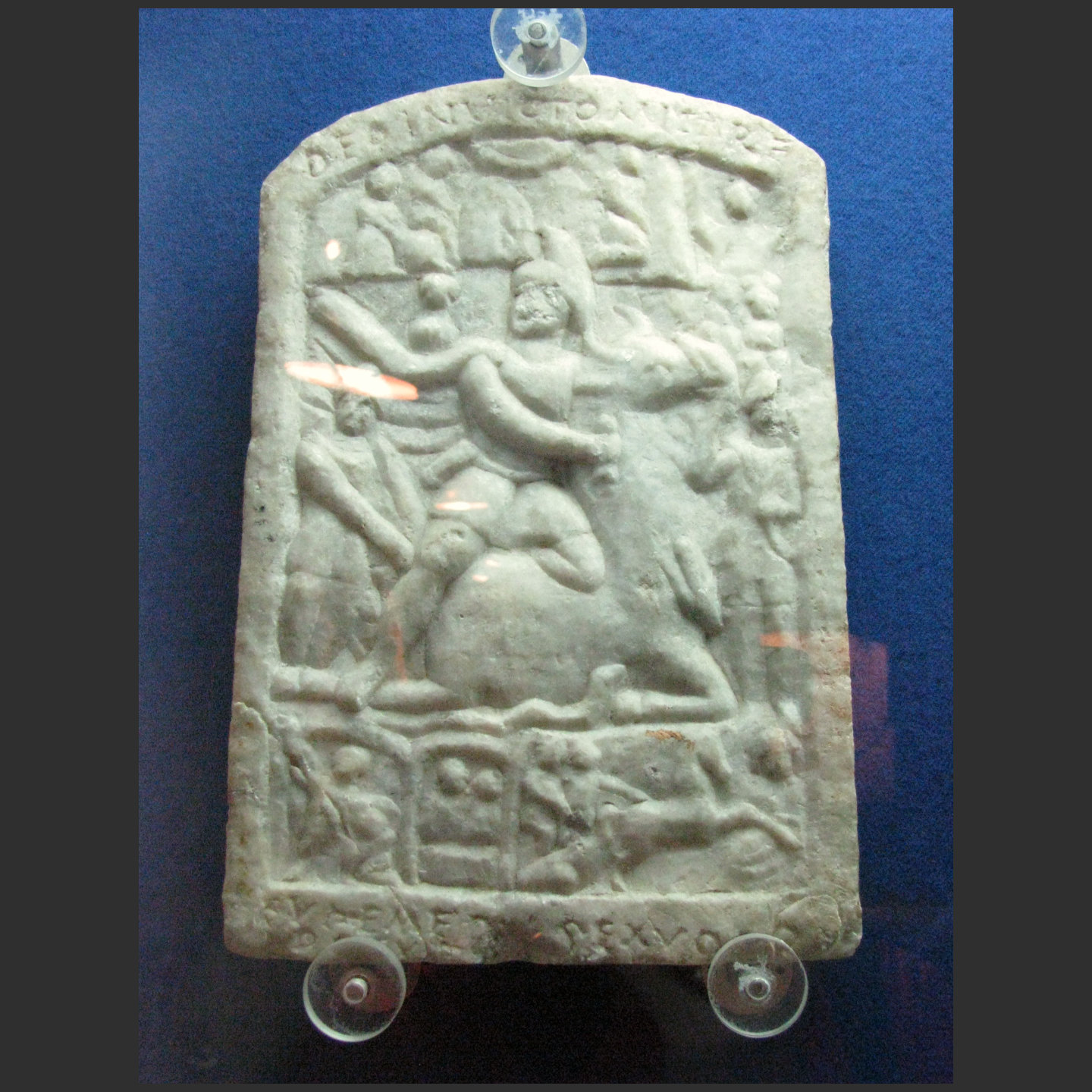
Several authors read the name Suaemedus instead of Euhemerus as the author of this mithraic relief from Alba Iulia, Romania.
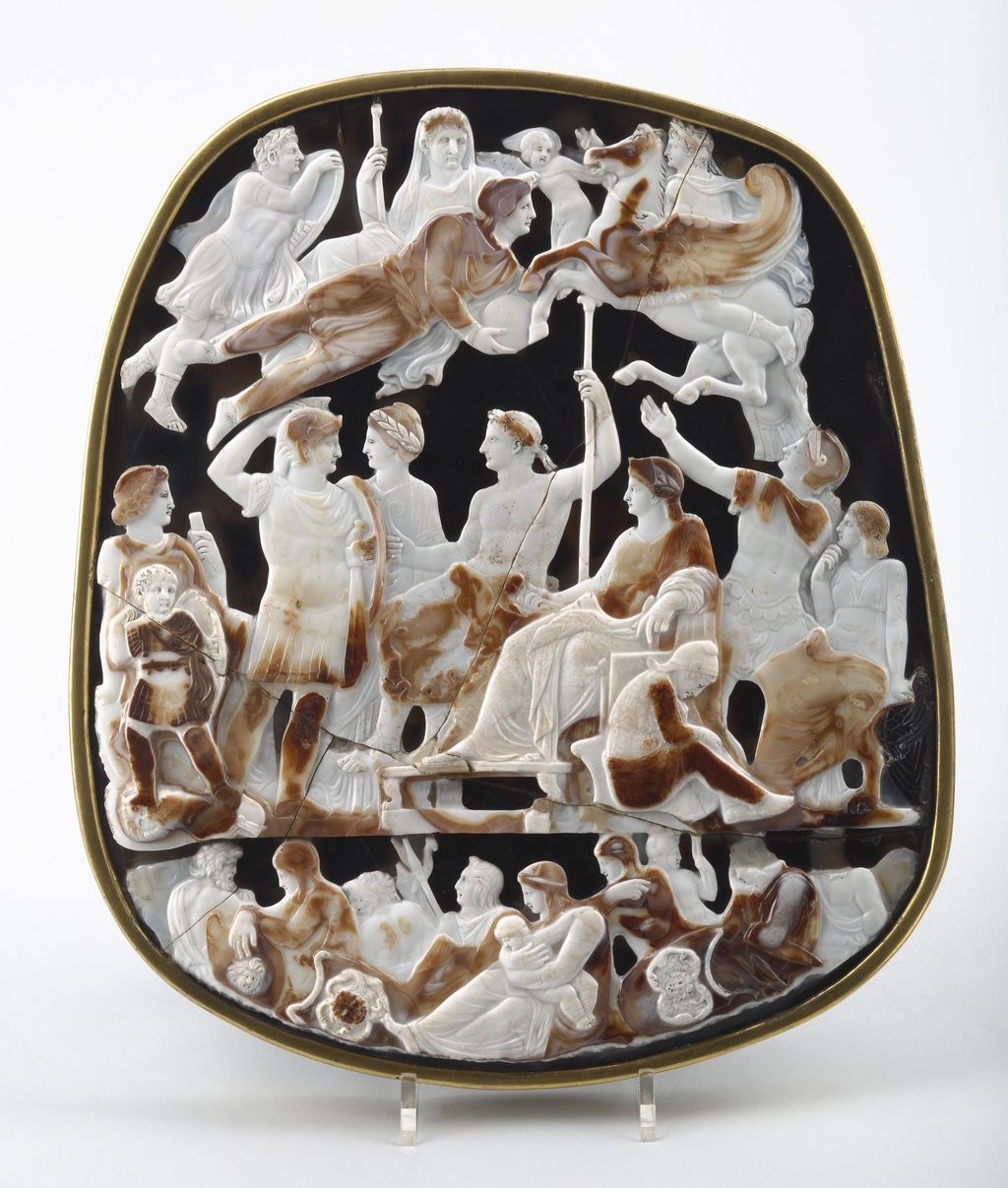
Some authors have speculated that the flying figure dressed in oriental style and holding a globe could be Mithras.
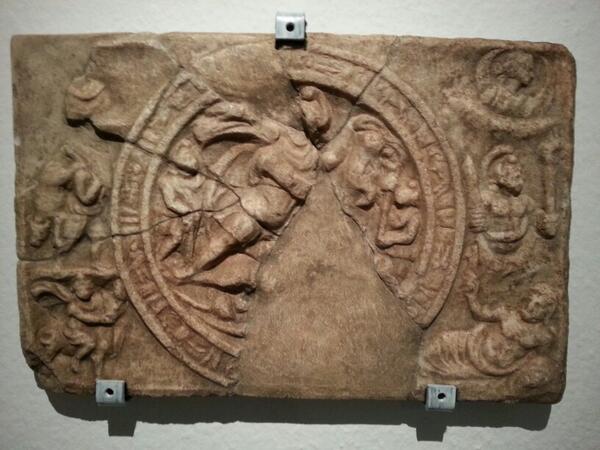
The relief of Mithras slaying the bull of Sisak includes the zodiac and multiple scenes from the myth of Mithras.
