Your search Mureș gave 23 results.

Inscription from Decea Mureșului, ancient Bruckla in Dacia, dedicated to Invicto Mithrae; the dedicant's name is only partially preserved.
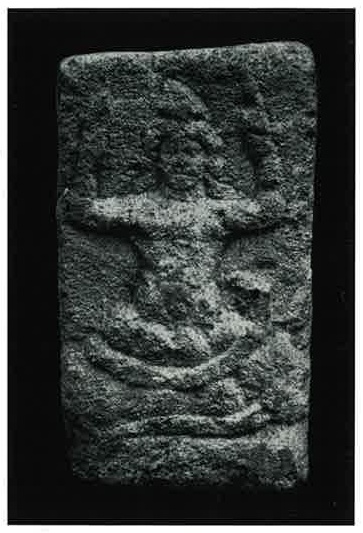
White sandstone altar from Decea Mureșului near Aiud, ancient Bruckla in Dacia, depicting on its front the naked Mithras being born from the rock, holding a torch in his right hand and a dagger in his left, with a coiled serpent below.
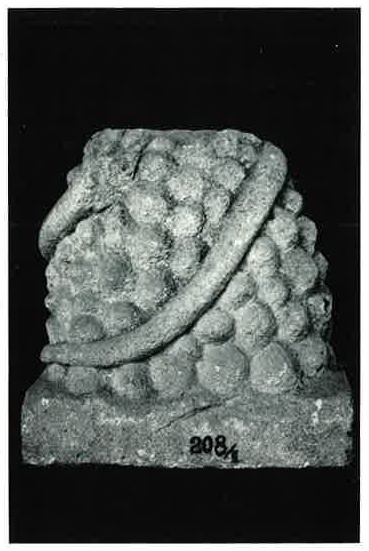
Dark sandstone statue from Mureș Port, Dacia, depicting Mithras's rock-birth with the rock encircled by a serpent; the statue's attribution to Mureș Port rather than Apulum is uncertain.
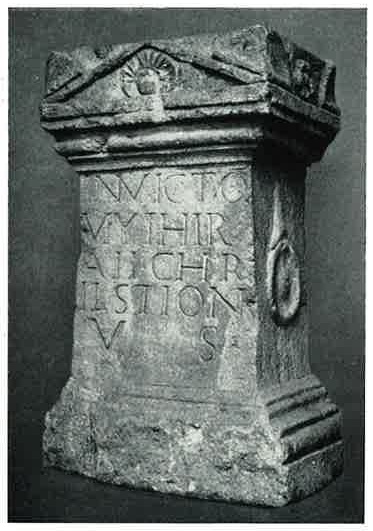
Limestone altar from Partoș or Mureș Port, Dacia, found in 1852, with a triangular pediment containing the head of Sol in a twelve-rayed crown and nimbus, flanked by a patera on the right and a jug on the left.
Limestone altar from Mureș Port near Apulum, Dacia, dedicated to Invicto Mithrae; the dedicant is identified only as Augustalis (coloniae?).
Limestone votive altar from Decea Mureșului, ancient Bruckla in Dacia, dedicated to Invicto Mithrae by Surus.
Limestone base from Decea Mureșului, ancient Bruckla in Dacia, dedicated to Invicto Mithrae by Iulius Quintus, centurio.
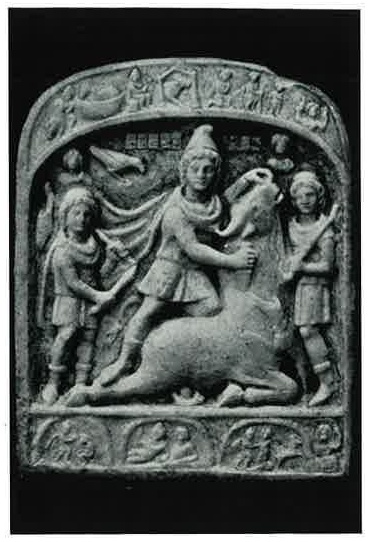
White marble tauroctony relief found in the river Mureș at Vintu de Jos near Apulum, Dacia, around 1859, depicting the bull-slaying with the full iconographic programme.
Inscription from Mureș Port, Dacia, dedicated to Deo invicto omnipotenti Mithrae by Lucanus, who fulfilled his vow.

Micia flourished as a military settlement and religious centre in the Mureș valley of Dacia.

Small relief found in 1956 at Oarda de Sus near Alba Julia, Dacia, framed by a border; the upper part depicts the dressed bust of Mithras in Phrygian cap, the lower portion the bull-slaying scene.

Marble tauroctony relief from Vintu de Jos near Apulum, Dacia, depicting the standard bull-slaying scene.
Limestone base from near the Kutyamál vineyard south of the fortress at Apulum, Dacia, decorated with Bacchic vine scrolls and grapes at the top.
Slab from near the Cathedral at Alba Julia, Apulum in Dacia, found in 1725, dedicated to Deo invicto Mithrae by a legionary legate.
Sighișoara is a municipality on the Târnava Mare River in Mureș County, central Romania.
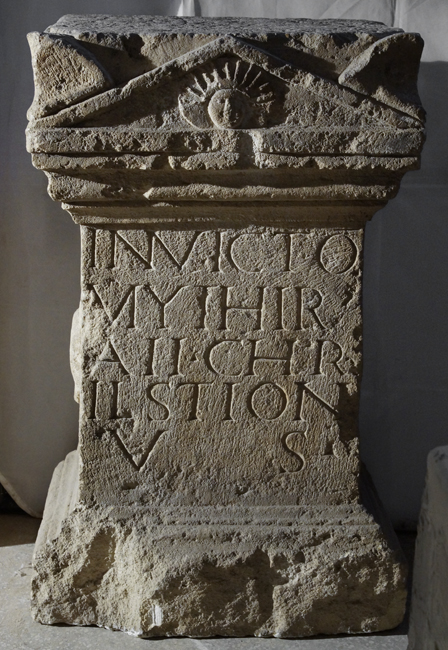
In 1852, Károly Pap, a naval captain, unearthed several Mithraic monuments in his garden at Marospartos, including this altar.

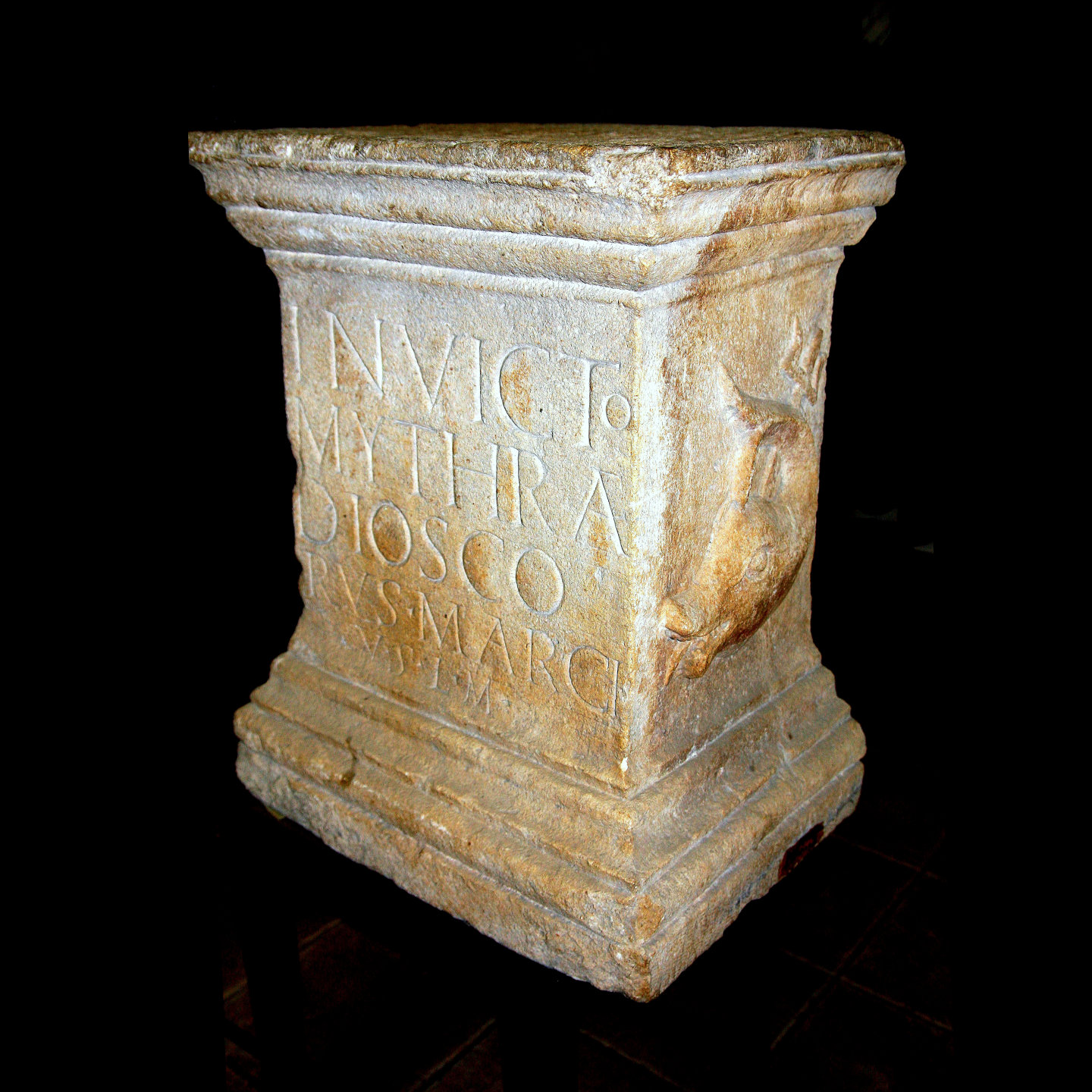
In 1852, Károly Pap, a naval captain, unearthed several Mithraic monuments in his garden at Marospartos, including this altar.
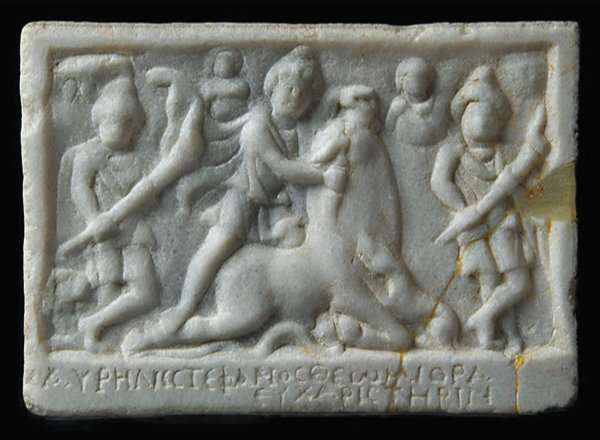
This relief of Mithras killing the bull is unique in the Apulum Mithraic repertoire because of its inscription in Greek.
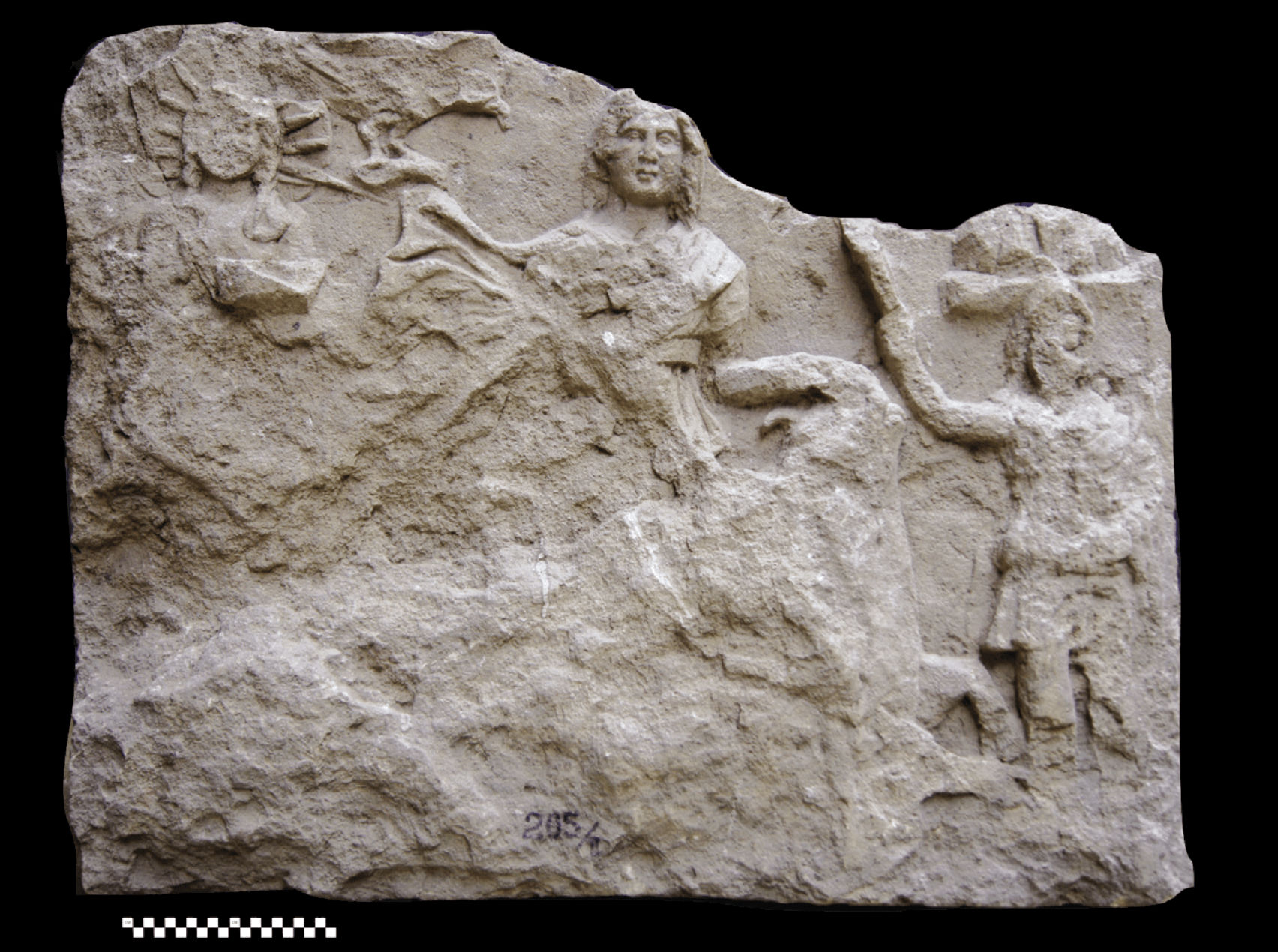
The relief of Mithra slaying the bull from Apulum, Romania, has been missing until the scholar Csaba Szabó identified it in the diposit of the Arad Museum.
