Your search Murviel-lès-Montpellier gave 267 results.

Ritual vessels and iron objects from the Mithraeum at Procolitia (modern Carrawburgh), including containers for votive offerings, cups, cooking-pots, platters, mortaria and jars, and iron implements comprising an altar-shovel, thatch-hook, mounting and candlestick…
An inscription from Aquileia recording a vow fulfilled to Sol Invictus Mithras by C. Calidius Agathopus, a member of the college of the seviri Augustales of Aquileia.
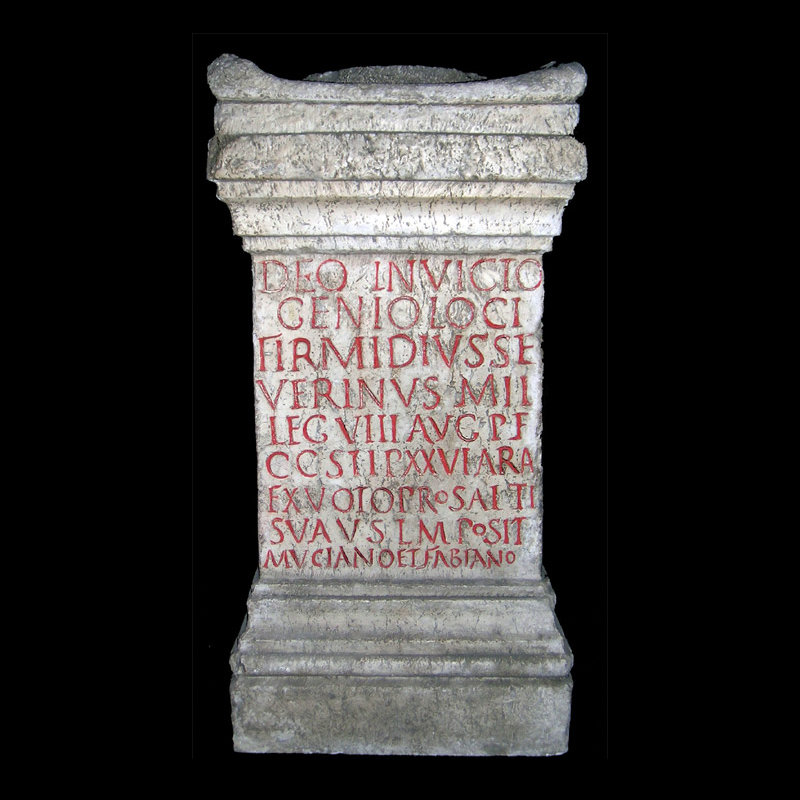
This limestone altar bears an inscription from its donor, Firmidius Severinus, in honour of Mithras after 26 years of service in the Legio VIII Augusta.
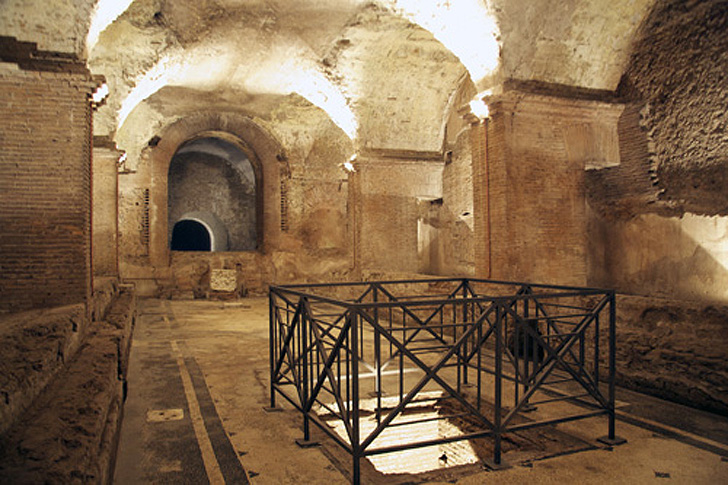
The Mitreo delle terme di Caracalla is one of the largest temples dedicated to Mithras ever found in Rome.
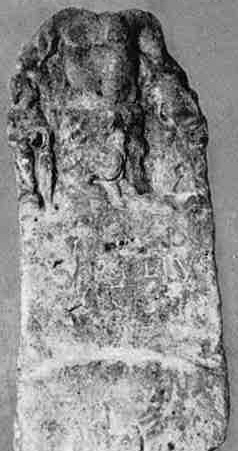
Limestone relief from Schwadorf, ancient Aequinoctium in Pannonia Superior, depicting the naked Mithras being born from the rock with a serpent encircling it, flanked by torchbearers; one of the finest examples of this iconographic type from the Danubian region…
Limestone statue fragment from Nyon, ancient Colonia Iulia Equestris, depicting a lion encircled by a serpent with schematic scorpions engraved in small triangles on each flank; a composition associated with Mithraic lion symbolism.
Dark-red clay vase from the refuse pit of the Roman camp at Windisch, ancient Vindonissa, with three handles each encircled by a coiling serpent; a vessel type closely associated with Mithraic ritual.
Circular limestone water-basin from the entrance area of the Mithraeum at Königshoffen, equipped with a spout and two handles; traces of red paint survive on the interior.
Iron crescent with four attachment holes from the Mithraeum at Königshoffen, probably belonging to a cult statue of Luna.
A Sol statue headless and lacking arms and feet, mentioned by Martelli as existing at Nersae alongside a fragmentary inscription, with no further details obtainable by Vermaseren or Cumont.
A white marble tauroctony statue found in 1925 at the ancient site of Lorium near the eleventh milestone on the Via Aurelia outside Rome, showing Mithras slaying the bull with dog, serpent and scorpion, accompanied by Cautes and Cautopates; now in the Palazzo Doria…
Marble base formerly in the Villa Negroni and then the Museo Borgia at Velletri, with bas-reliefs on three sides showing Sol in a quadriga, initiates in Oriental dress and other Mithraic scenes; the collection is now dispersed among museums in Naples and Rome…
Marble statue of Mithras slaying the bull, with the dog and serpent directing their heads to the wound and the scorpion at the testicles, probably found in Rome and now in the Altes Museum at Berlin; Mithras' head, front part of his arms and cloak, and the bull's muzzle are lost…
Two Mithraic monuments discovered during the 1935 excavations of the Dolichenum on the Aventine, together with statues of Sol, Luna, Venus, Silvanus and Hercules, now in the Museo Capitolino; the only certain Mithraic finds from a Dolichenum.
Inscription dedicated to Sol Invictus, Omnipotent and Holy Caelestis, with Fortuna Lares and Tutelae, found near the Mitreo Sabazeo at Ostia, dedicated by Venerandus.
Inscription dedicated to the Numen Caelesti by P. Clodius Flavius Venerandus, sevir augustalis, who acted in response to a dream, from the Mitreo Sabazeo at Ostia.
Fragments of a green-glazed maiolica krater with silver sheen, probably decorated with a dodekatheon showing Minerva, Jupiter, Dionysus, and Hercules, from the Mitreo delle Sette Porte at Ostia.
Sepulchral inscriptions from Lycaonia bearing the titles leo and aetos, previously interpreted as Mithraic grades but now understood as referring to tomb architecture.
White painted clay vase from Mithraeum II at Stockstadt with seven holes in the border and a serpent creeping round one handle
Fragment of a sandstone relief from Mithraeum I at Stockstadt depicting a beardless figure in a velum, identified as a wind or winter deity
