Your search for Pantelimon de Sus gave 21 results.

Ulmetum formed part of the fortified network protecting the lower Danube frontier.

Limestone altar fragment from the apsidal construction at Ulmetum, Moesia Inferior, bearing a partially preserved inscription mentioning fonte dei — the spring of the god; the Mithraic attribution is uncertain.
Inscription from Ulmetum, Moesia Inferior, preserving only the opening of a dedication to Deo bono invicto.
Marble tauroctony relief fragment from the Byzantine camp at Pontelimonul de sus, ancient Ulmetum in Moesia Inferior, found reused in the masonry; the subject is partly identifiable.
Inscription from Oarda de Sus near Apulum, Dacia, dedicated to Invicto Mithrae by Potinus ex voto.

Small relief found in 1956 at Oarda de Sus near Alba Julia, Dacia, framed by a border; the upper part depicts the dressed bust of Mithras in Phrygian cap, the lower portion the bull-slaying scene.
Sassanian-period frescoes discovered at Susa whose possible Mithraic interpretation remains uncertain.
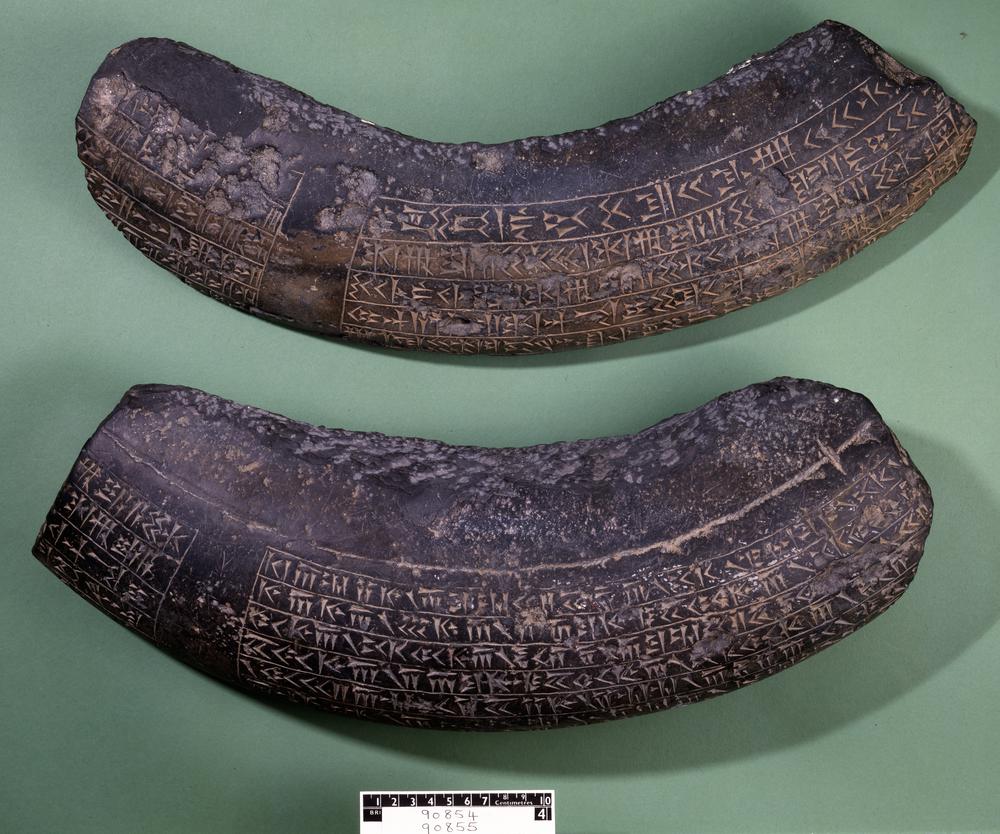
The base of the column bears an inscription that records the rebuilding of a palace at Ectabana ’by the favour of Ahuramaza, Anahita and Mithra’.

Susa was an ancient city in the lower Zagros Mountains about 250 km east of the Tigris, between the Karkheh and Dez Rivers in Iran.
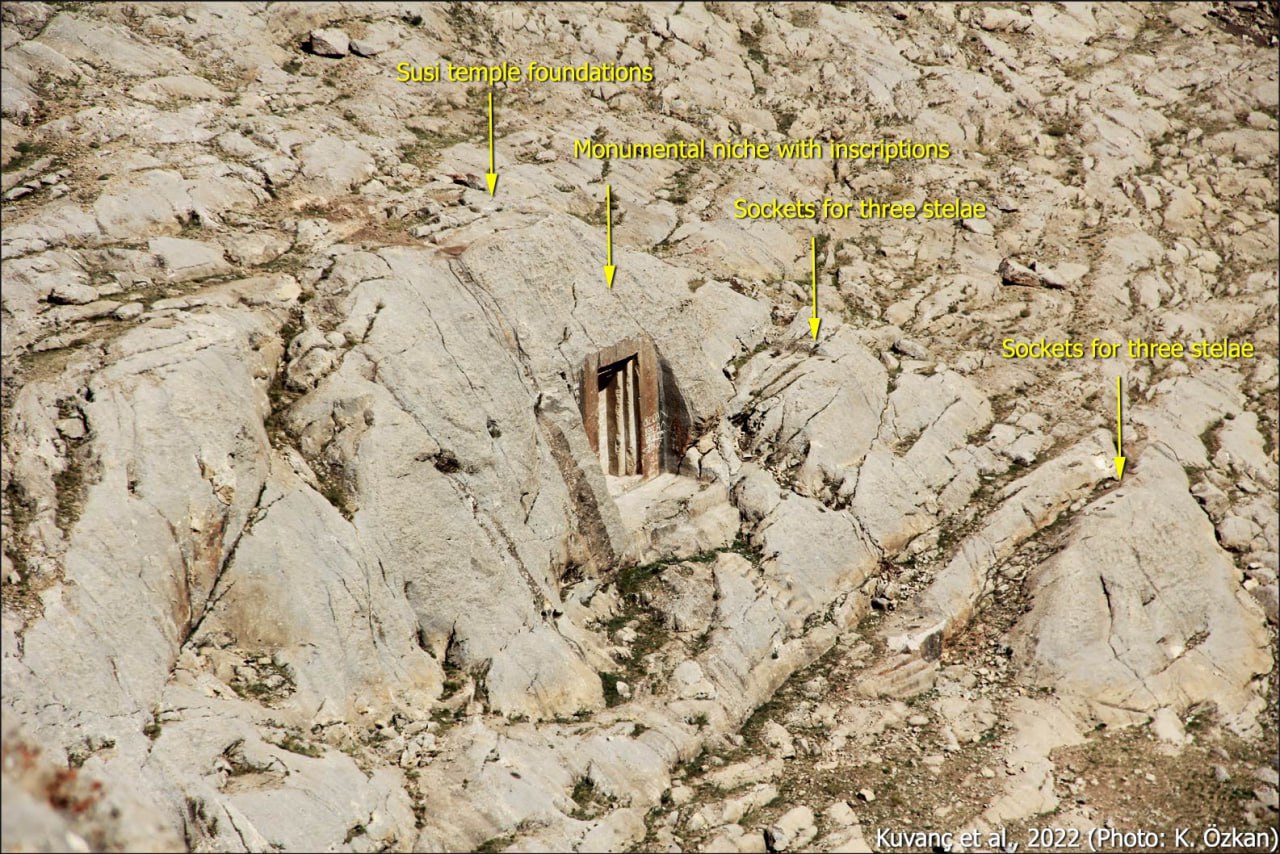
The Door/Gate from Ashotakert (Yeşilalıç Kapı) Although the gates near Van Fortress are the most famous, few people know that there is also a gate at Ashotakert. Such gates/doors were associated iwth God Haldi, who was later equated with Mihr/Mher in the Armenian pantheon…
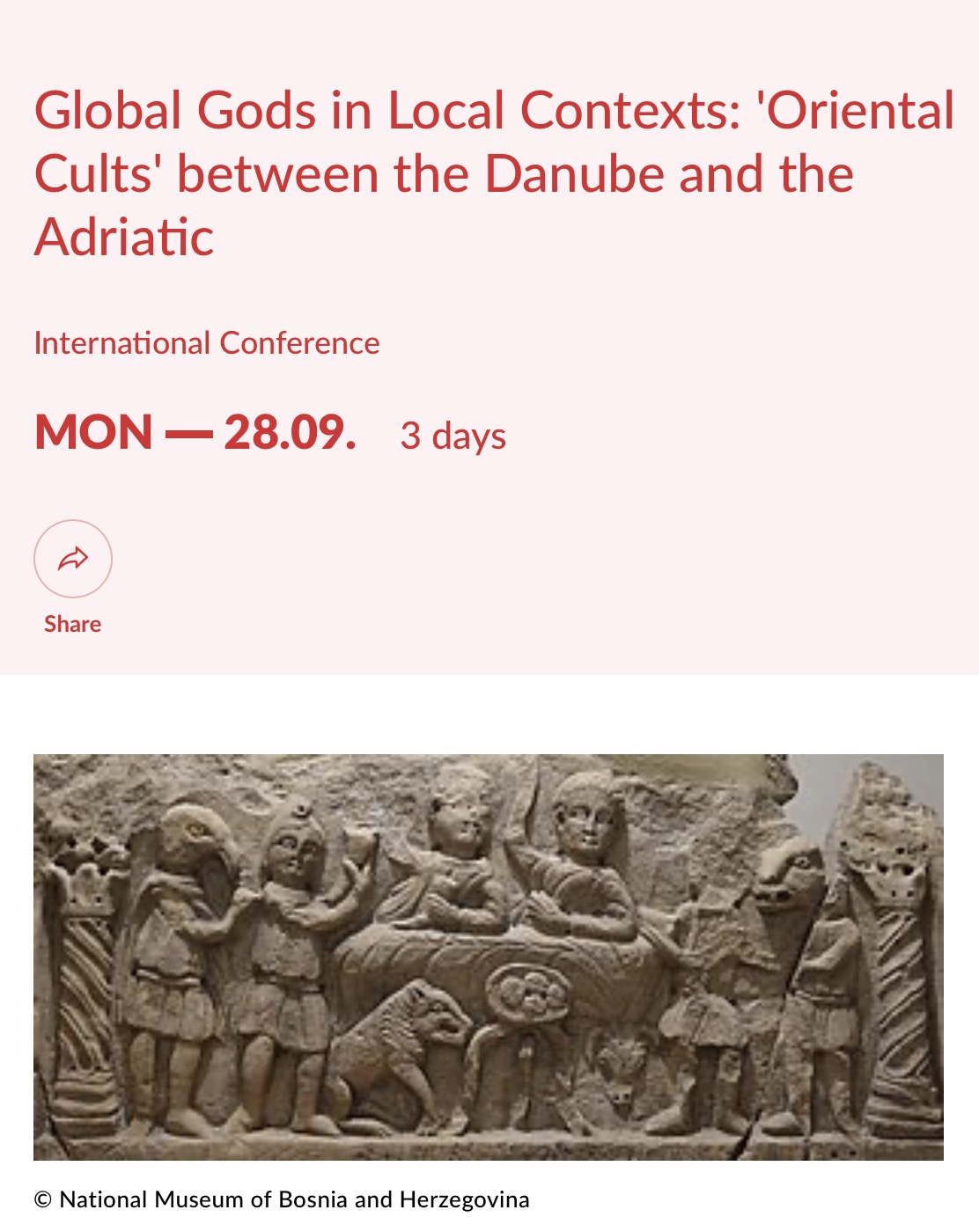
This conference is the latest in a series dedicated to the study of the so-called Oriental cults – religious traditions of Egyptian, Anatolian, Syrian, and Iranian origin – in the Danubian and Balkan provinces during the Roman imperial period (Skopje 2013; Zagreb/Ptuj 2022)…
Marble inscription found near the Church of S. Susanna on the Quirinal, with a dedication to Sol Invictus as a votive offering by Cornelius Maximus, centurion of the tenth praetorian cohort.

One of the rooms in a sustantive masonry building in Hollytrees Meadow was considered to be a Mithreum, a theory that has now been discarded.
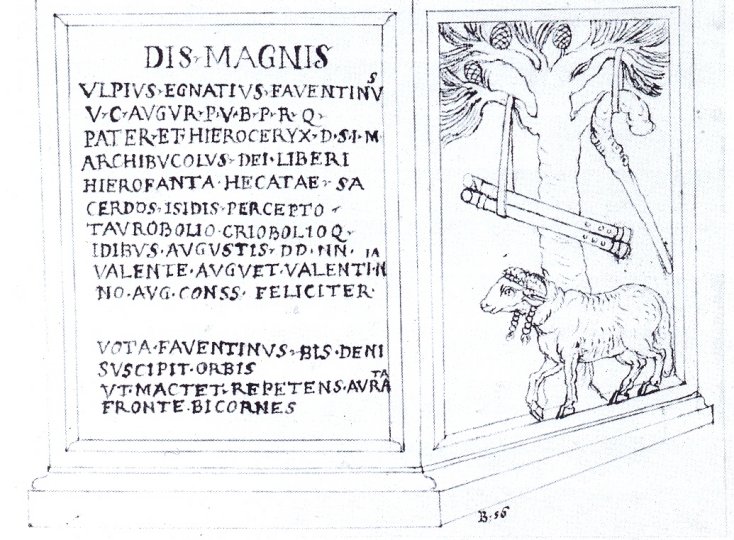
Both of them were discovered in 1609 in the foundations of the façade of the church of San Pietro, Rome.
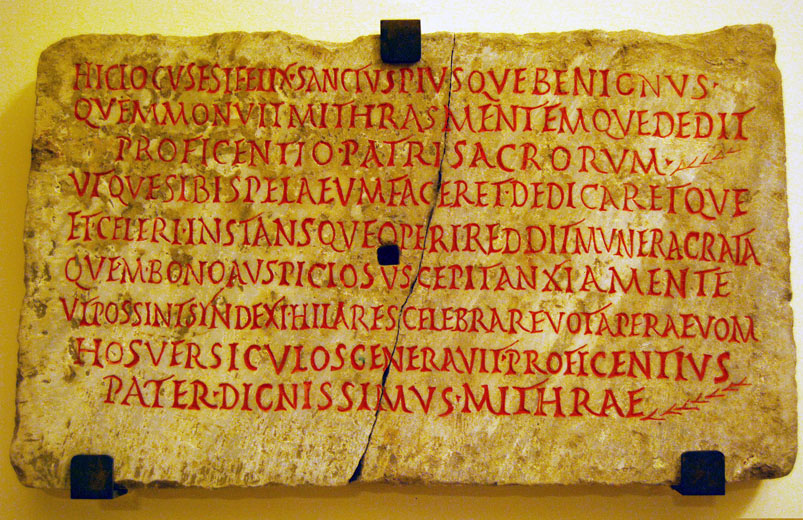
This marble slab bears an inception be the Pater Proficentius to whom Mithras has suggested to build and devote a temple.