Your search Philippe Roy gave 258 results.
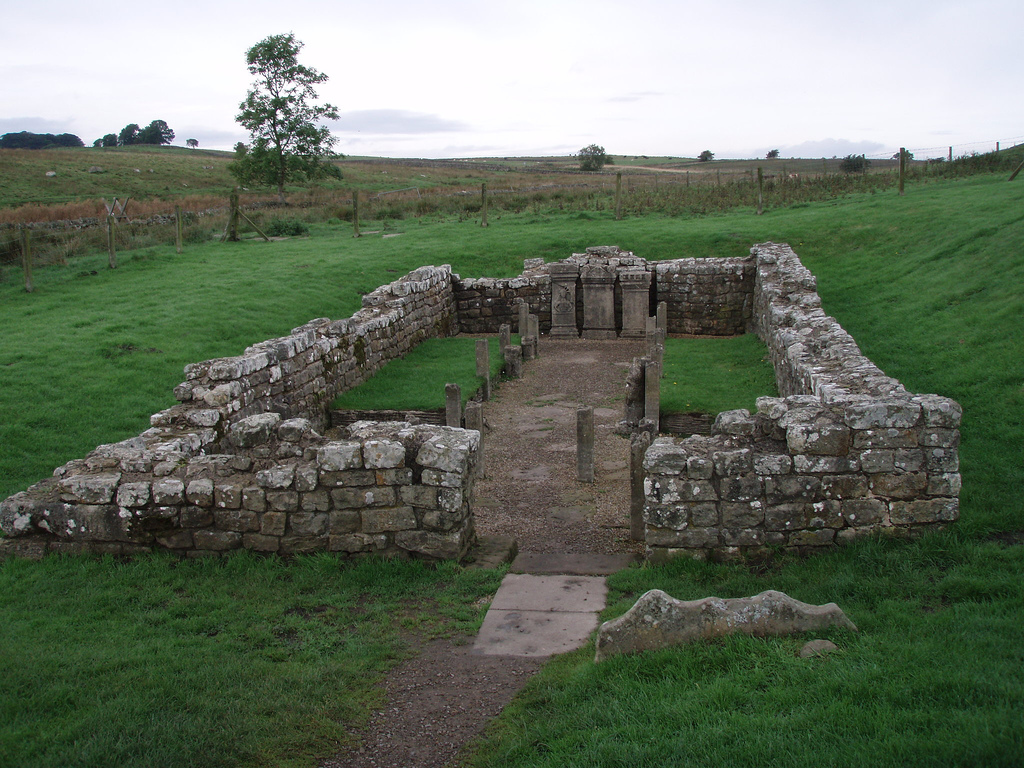
The temple of Mithras of Carrawburgh, Brocolita, disclosed three main stages of development, the second exhibiting two reconstructions.

Small weathered arched tauroctony relief from the ruins of ancient Kabyle near Yambol, Thracia, depicting the standard bull-slaying scene.
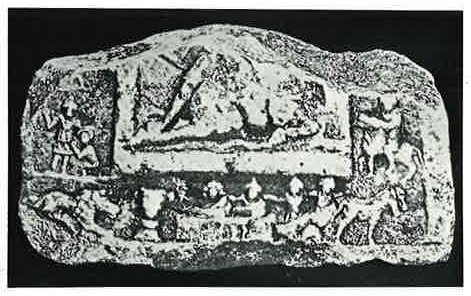
Marble tauroctony relief from Elli Dere near Tatar-Bazardjik, ancient Bessapara in Thracia, with the upper part broken off; the lower portion preserves the standard bull-slaying scene.
Weathered marble tauroctony relief from Iarlovtsi near Trn, Thracia, depicting the standard bull-slaying with dog, serpent, and the busts of Sol and Luna in the upper corners.
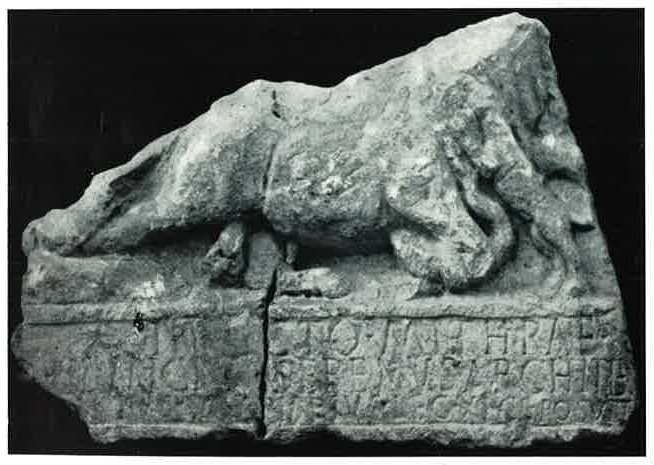
Sandstone tauroctony relief from Balcic, ancient Dionysopolis in Moesia Inferior, depicting the standard bull-slaying scene; the attribution to Dionysopolis rather than another site is disputed.
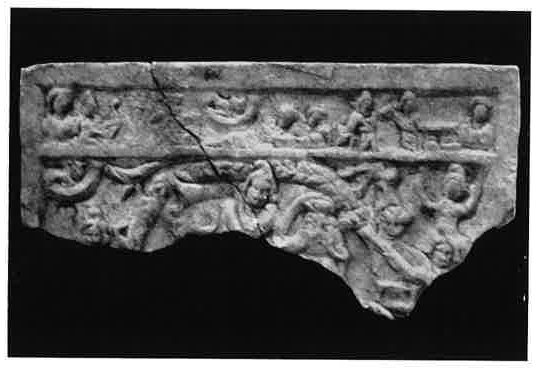
Upper portion of a yellowish marble tauroctony in two fragments from Acbunar, Moesia Inferior, preserving the divine busts of Sol and Luna in the upper register.
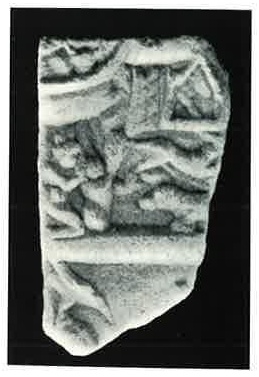
Two fragments of a yellowish marble tauroctony from Acbunar, Moesia Inferior, divided into three registers by two horizontal rims; the upper registers carry subsidiary Mithraic scenes.
Four white marble tauroctony fragments from Acbunar, Moesia Inferior, depicting the standard bull-slaying with cross-legged torchbearers.
Yellowish marble tauroctony relief from Acbunar, Moesia Inferior, depicting Mithras killing a bull described as unusually buffalo-like; the god looks back at the raven on the grotto's border.

Marble tauroctony relief in five fragments from Ruse, ancient Sexantaprista in Moesia Inferior, found near the confluence of the river Lom with the Danube, depicting the standard bull-slaying.
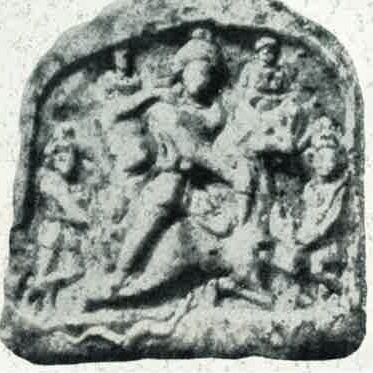
Small marble tauroctony relief from the Roman castellum near Soukhin-Dol, Moesia Inferior, in an arched circular composition depicting the standard bull-slaying scene.
Damaged limestone tauroctony relief fragment from near Utum, Moesia Inferior, of disputed exact provenance — either Utum or Chemlievo — depicting part of the standard bull-slaying scene.
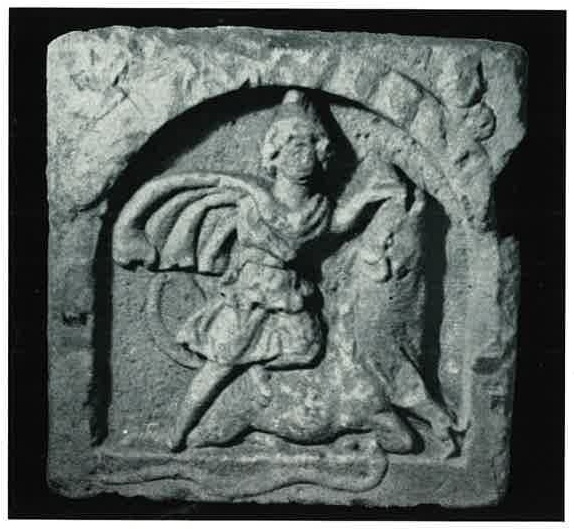
Limestone tauroctony relief from Bechli, 8 km from Ghighen, ancient Oescus in Moesia Inferior, depicting the standard bull-slaying scene in a grotto.
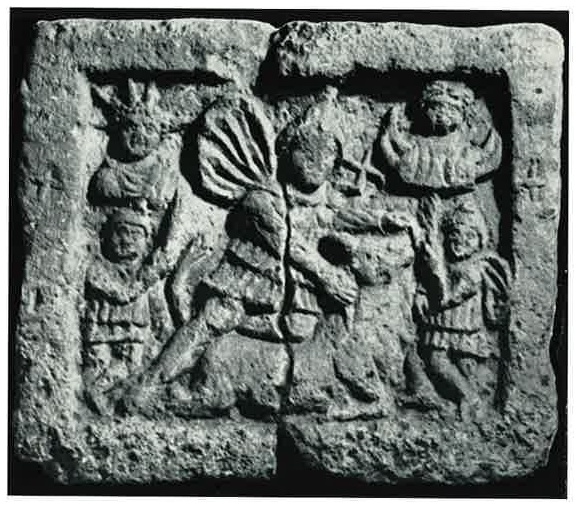
Tuff tauroctony relief in two fragments from Ghighen, ancient Oescus in Moesia Inferior, depicting the standard bull-slaying scene with the full iconographic programme.
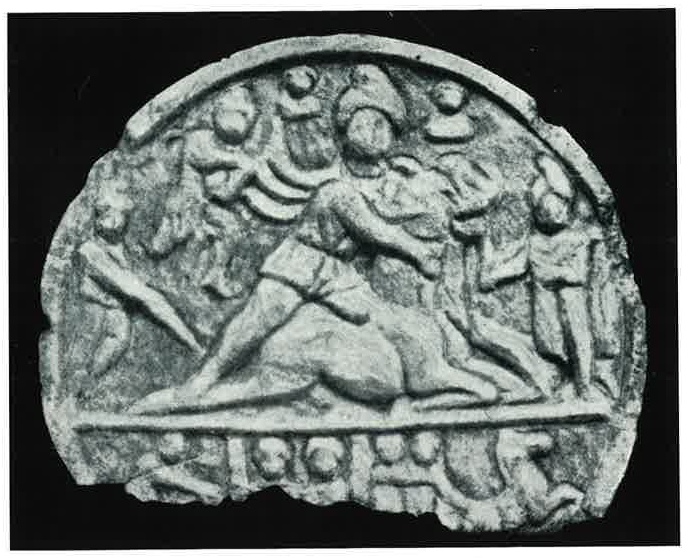
Small circular marble tauroctony relief from Kadine-Most in the Küstendil district, Moesia Superior, divided into two parts by a horizontal rim, with the bull-slaying in the upper and a figure or inscription in the lower.
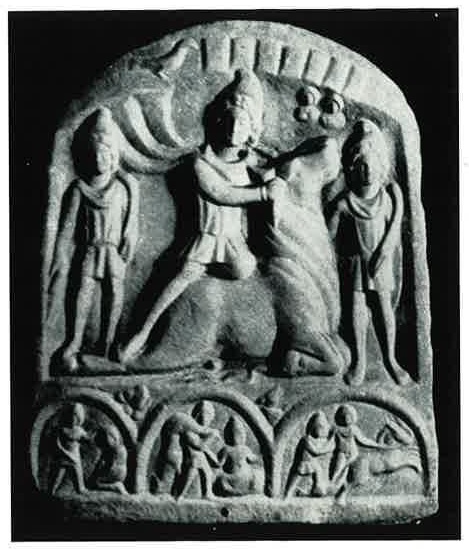
White marble tauroctony relief from the ruins of the Roman castle near Koniovo, Moesia Superior, depicting the standard bull-slaying scene.
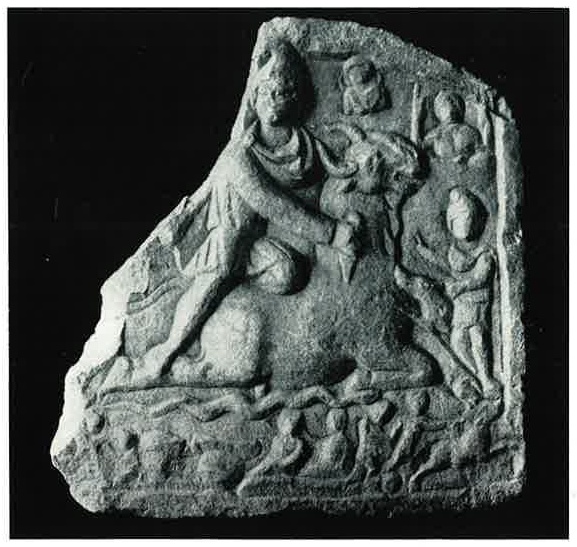
White marble tauroctony relief from Radeša near Pirot, Moesia Superior, depicting the standard bull-slaying scene.
Marble tauroctony relief from the surroundings of Küstendil, ancient Pautalia in Moesia Superior, depicting the bull-slaying with torchbearers and Sol and Luna busts in the upper corners.
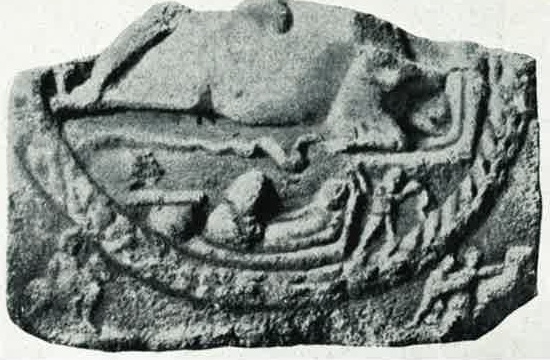
Lower part of a marble tauroctony relief from Küstendil, ancient Pautalia in Moesia Superior, preserving only the lower half of the bull-slaying scene with partially visible legs of the torchbearers.
Fragment of a marble tauroctony statuette from Artschar, ancient Ratiaria in Moesia Superior, preserving Mithras's head, cloak, right foot, the bull's head, and feet.
