Your search Podersdorf am See gave 2331 results.
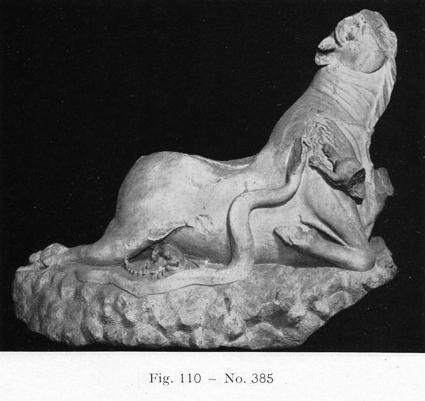
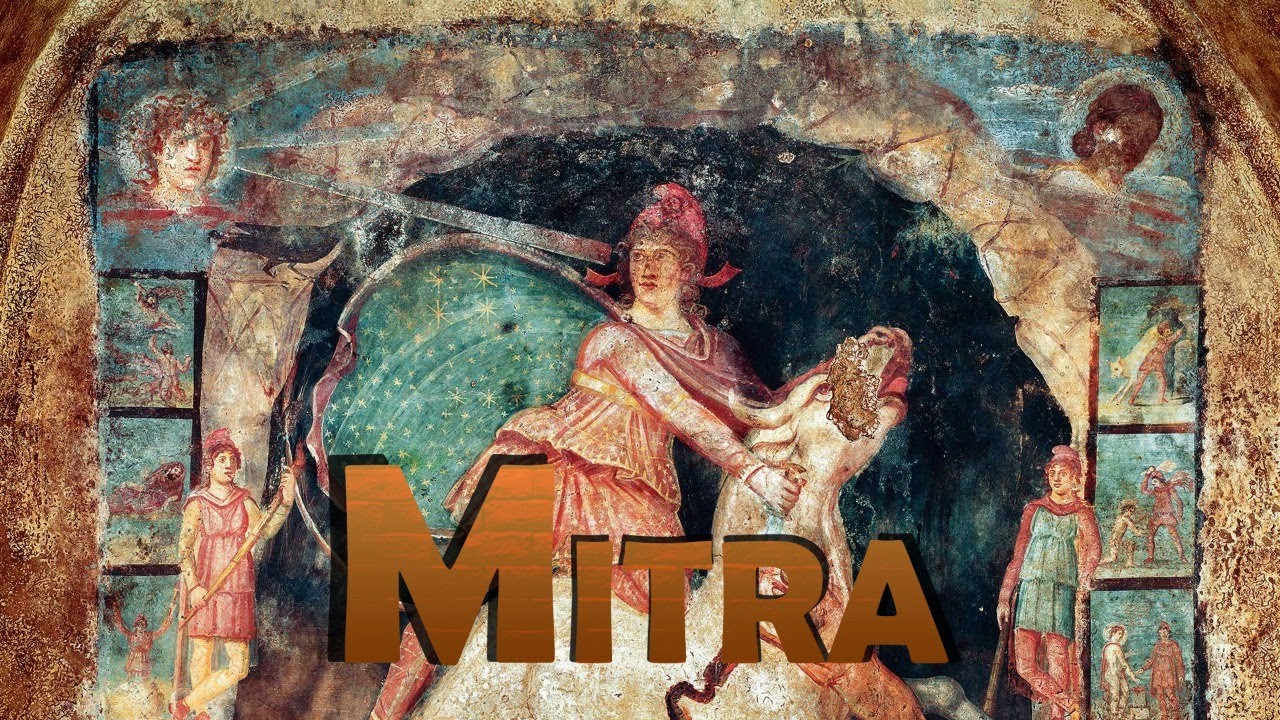
This sculpture of Mithras sacrificing the bull was found in the Quirinal and is now on display in the Musei Capitolini.
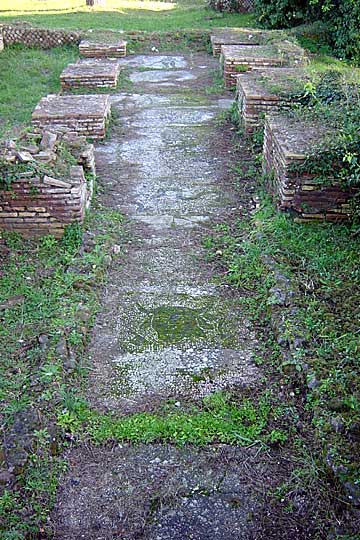
The Mithraeum of the Animals was decorated with a mosaic depicting a naked man, a cock, a raven, an scorpion, a snake and the head of the bull.
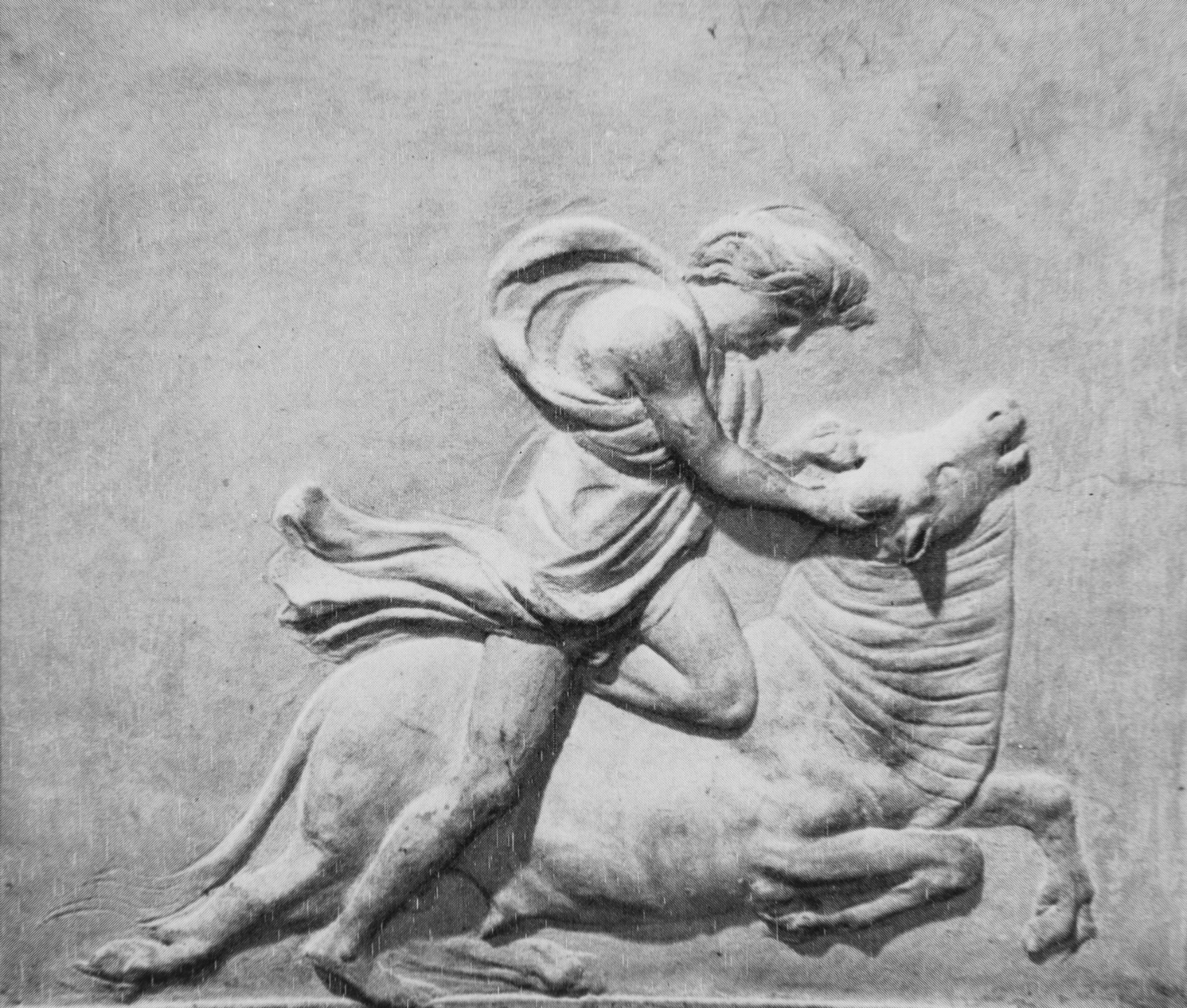
The relief of Mithras killing the bull of Zadar includes a naked Sol in a quadriga.
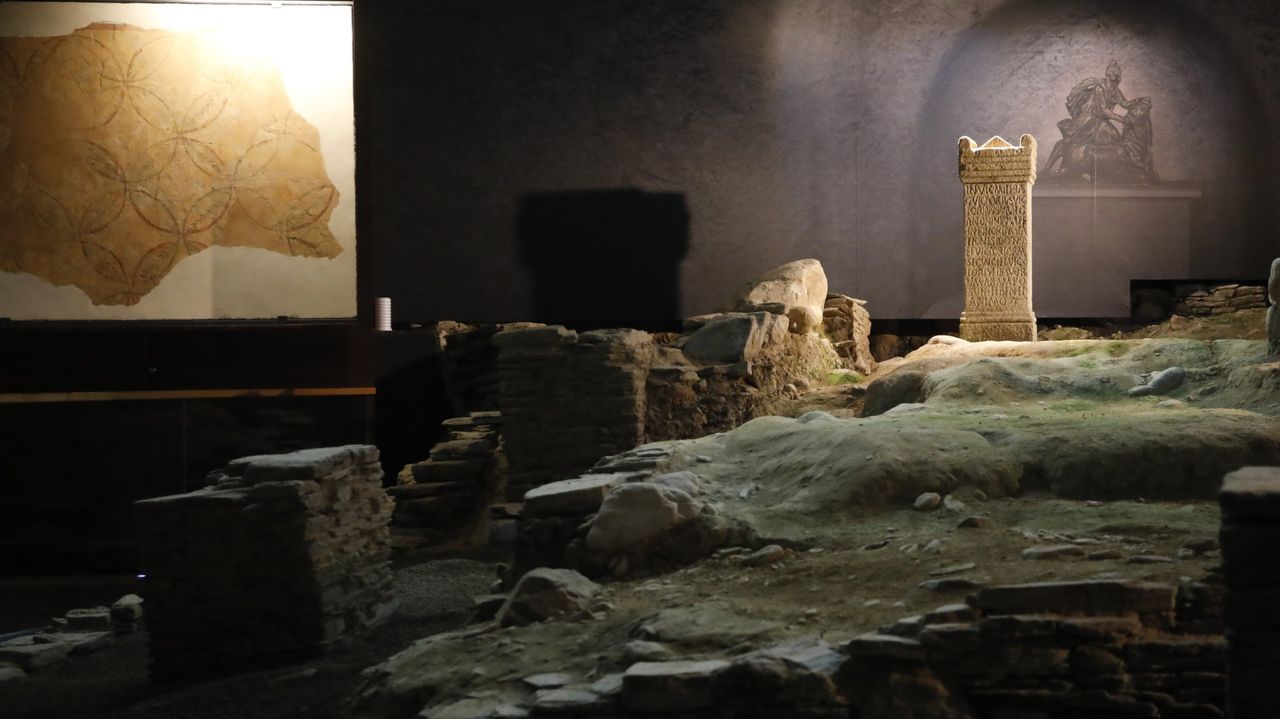
La Domus de Mitreo y el Centro Arqueolóxico de San Roque muestran otra cara del viejo Lugo
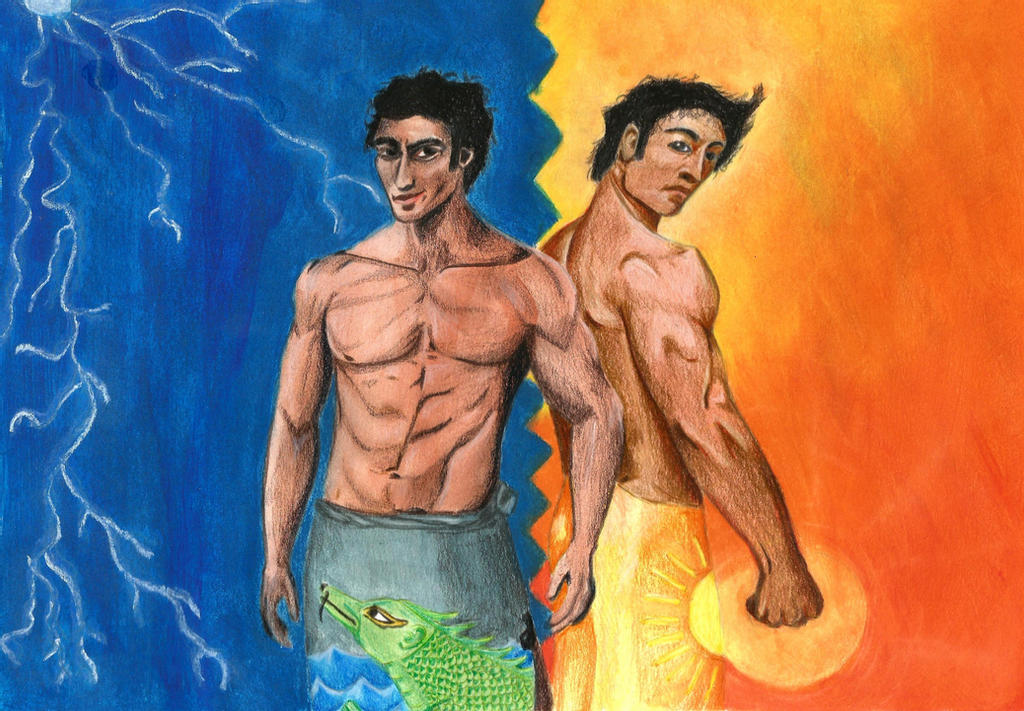
The Sanskrit and Hindi word for friend is “Mitra”. It is also the Nepali word for it. The Sinhala word is ‘mitura’. The word’s etymology has surprising, stark and vivid homosexual connotations.
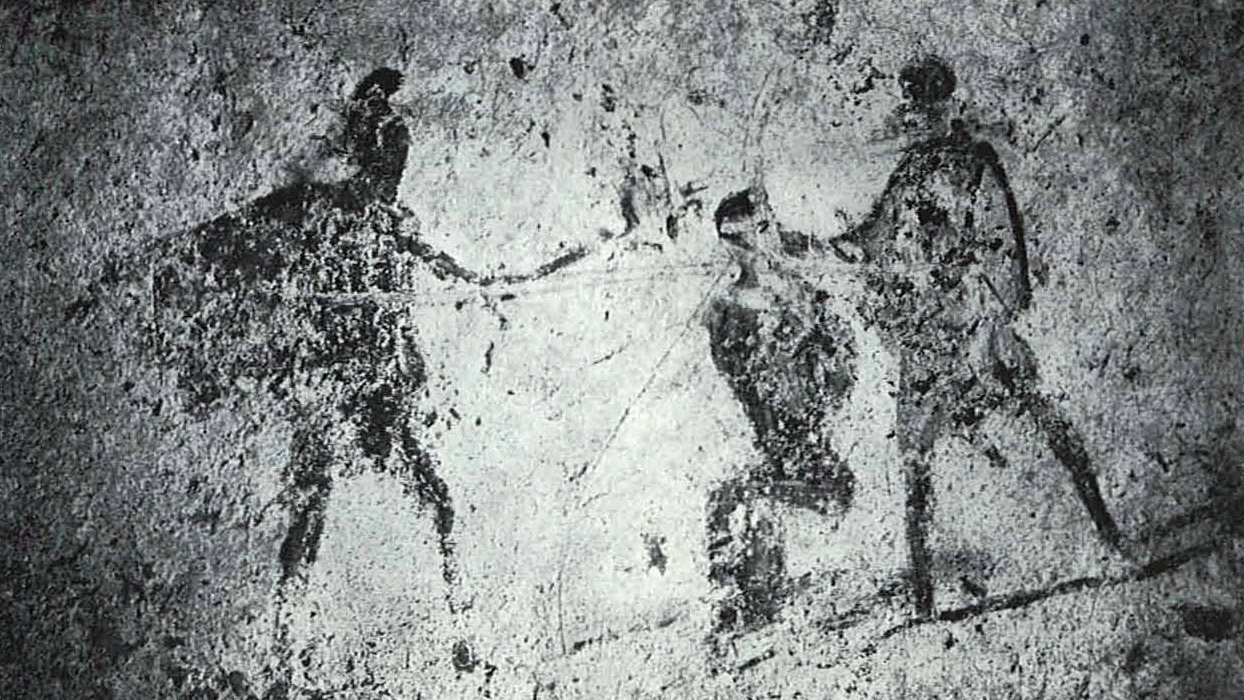
Recontextualizing the Initiation rituals of the Roman Mystery Cult of Mithras.
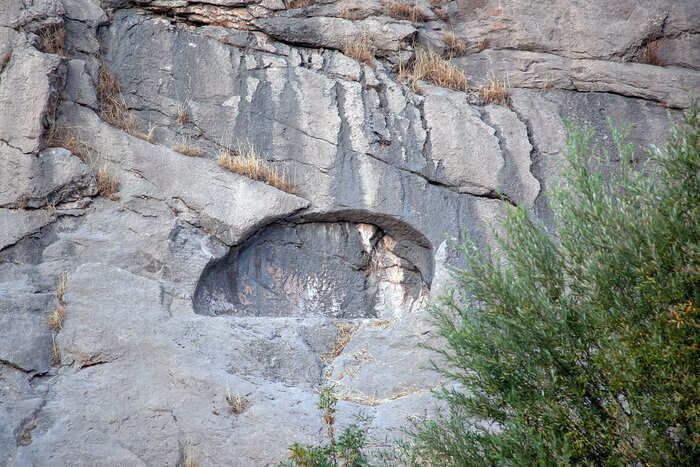
Some Iranian archaeologists suggest that the carving was created by a follower of Mithraism as it depicts a simple portrayal of a human with his right hand raised and an object in his hand. But, experts say it needs much more study in order to date the pe
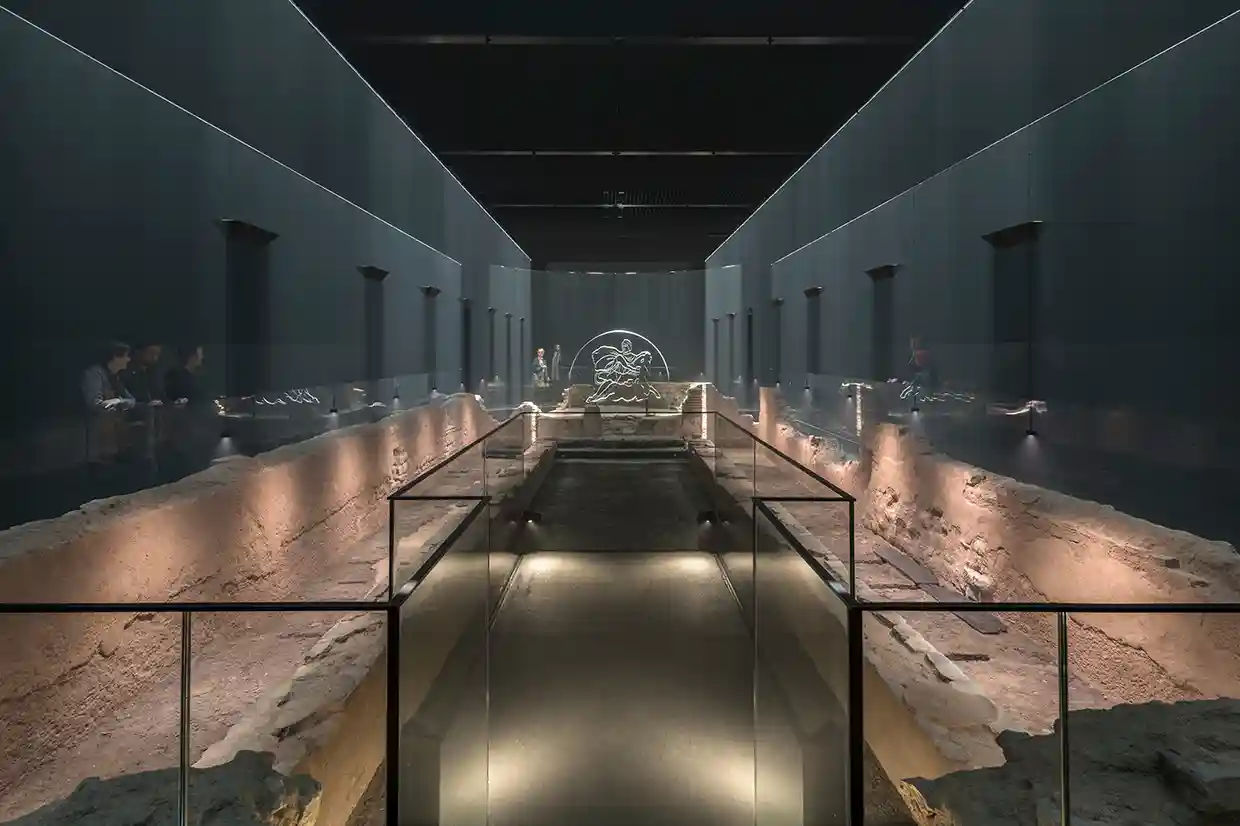
Visitors to new museum will uncover mystery cult of Mithras the bull slayer in multi-sensory experience.
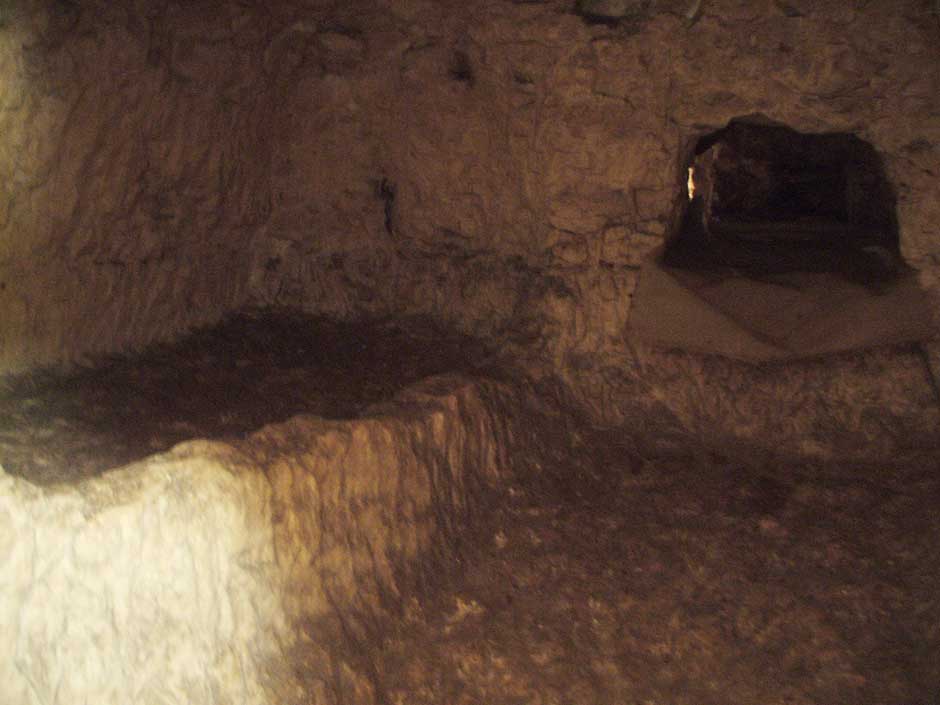
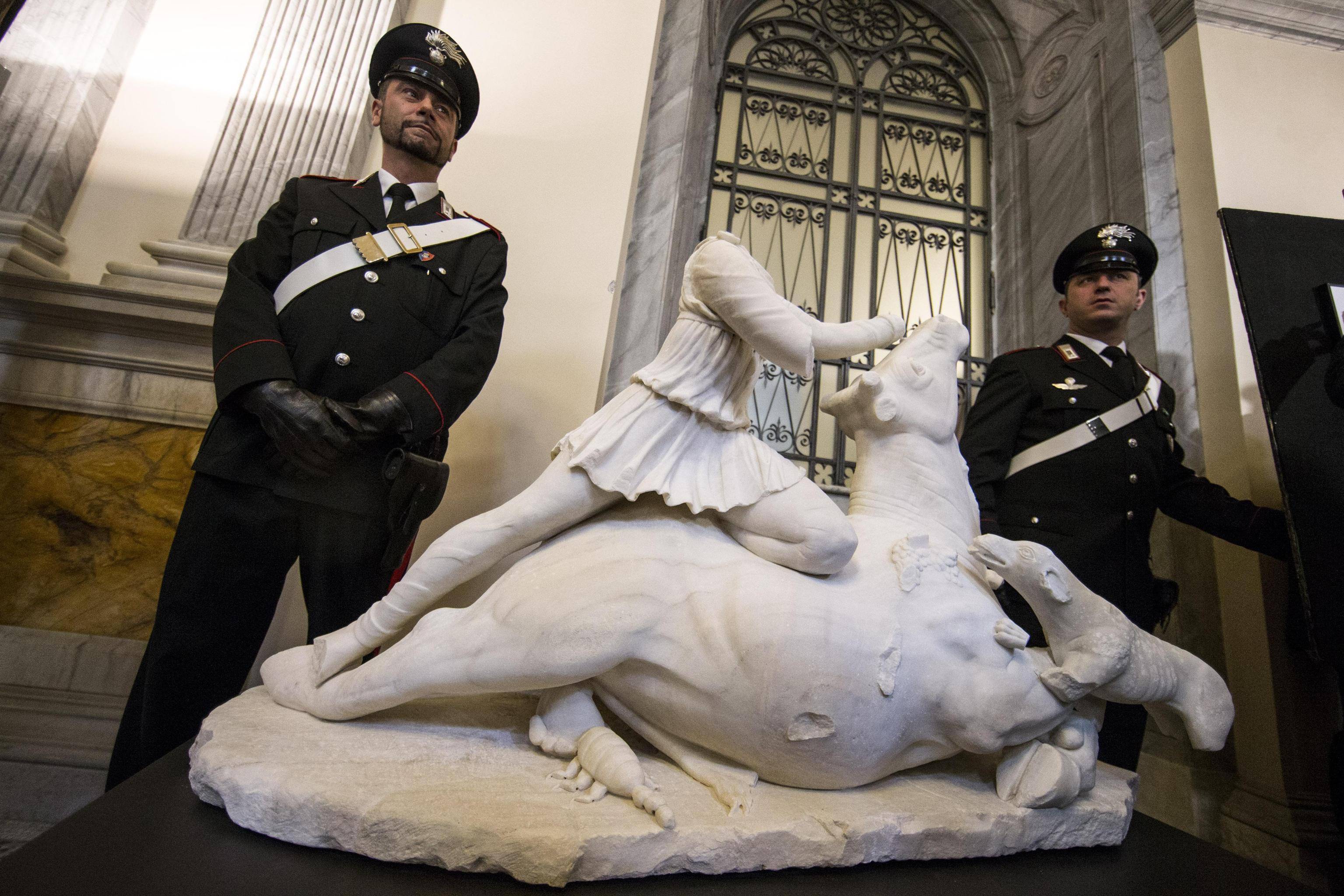
The Mithriac votive sculpture comes from a clandestine excavation in the Tarquinia area. The criminal chain is active in archaeological areas of Rome and southern Etruria.
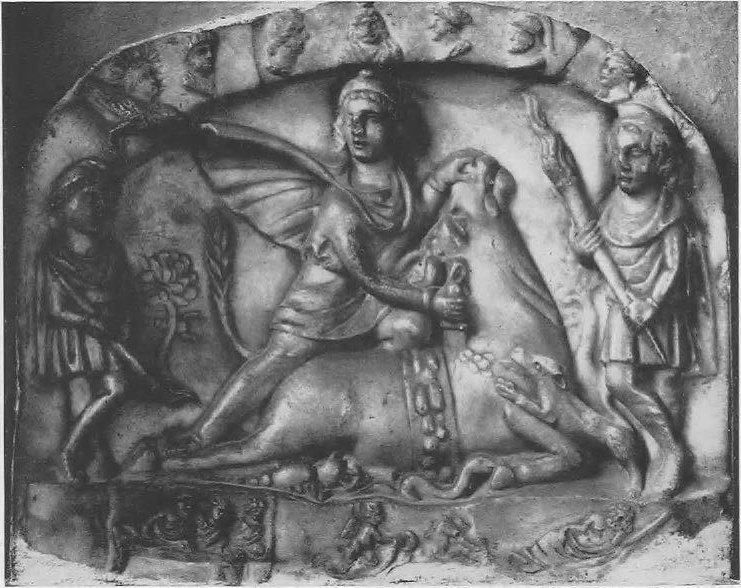
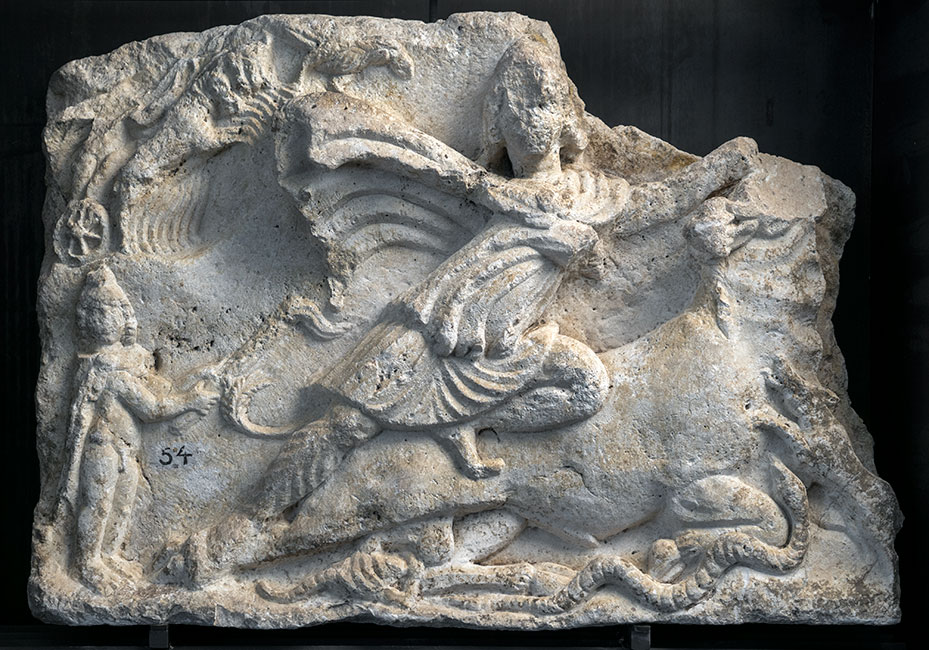
The relief of Mithras killing the bull of Bologna depicts several scenes of the mithraic myth.
Jaime Alvar Ezquerra habla de 'La creación del mito de Mitra' en el tercer seminario online de Aglaya.

Saifnitz occupied a position near important Alpine crossing routes between Italy and Noricum.

Limestone altar from Tropaeum Traiani, Moesia Inferior, dedicated in honour of the Domus Divina to Soli invicto sacrum by Quintus Lucilius Piscinus, centurion of Legio I Italica.
Altar from Höglwörth, ancient Bedaium in Noricum, dedicated to Deo invicto Mithrae for the welfare of Marcus Lollius Priscus by his freedmen Ianuarius and Lupercus.
Sandstone plate from Beihingen in the Neckar valley, depicting on one side a youth in Oriental dress with a bow in an arched niche, and on the other a corresponding figure; both may represent torchbearers or Mithraic grades.
Two Mithraic monuments received by the Museo Nazionale delle Terme in Rome in 1896, reportedly from Narni: a small head of Mithras tauroctone in Phrygian cap with traces of red and gilding, and a central relief fragment of Mithras slaying the bull.
A Sol statue headless and lacking arms and feet, mentioned by Martelli as existing at Nersae alongside a fragmentary inscription, with no further details obtainable by Vermaseren or Cumont.
Fresco fragment from the initiation sequence of the Mithraeum of Capua, of which only the heads and parts of the white tunica of two figures remain visible.
