Your search Robert Turcan gave 44 results.

Robert Turcan présente les dévotions immigrées dans le monde romain, sans négliger les cultes marginaux ou sporadiques, traitant également des courants gnostiques, occultistes et théosophiques.

Robert Turcan highlights various examples of the philosophical interpretation, mainly Platonic, of the figure and cult of Mithras.

Ce livre, qui intègre les recherches et les découvertes les plus récentes, expose, avec clarté et rigueur, le dossier complexe et fascinant des Mithriaca.

Emperor Julian may have been initiated into the cult of the god Mithras at the Mithraeum of Vienne, France, according to Turcan.
Proceedings of the International Seminar on the 'Religio-Historical Character of Roman Mithraism, with Particular Reference to Roman and Ostian Sources'. Rome and Ostia 28-31 March 1978
The author of this ingenious memoir believes that the Greek myth of Orion is the very basis of Roman Mithriacism. His starting point is an astronomical interpretation of tauroctony.

Roger Beck describes Mithraism from the point of view of the initiate engaging with the religion and its rich symbolic system in thought, word, ritual action, and cult life.

Ce 4e fascicule de Mithriaca concerne un très curieux monument exhumé au XVIe siècle sur le site d'un Mithraeum qu'on localise tout près de l'église S. Maria in Domnica, non loin de S. Stefano Rotondo où un autre spelaeum fut mis au jour en 1973…

This magnificently illustrated publication renews the Mithraic dossier on the basis of concrete data, with caution and penetration. Marino's discovery is disconcerting and rekindles the controversy about the order in which bands should be read.

Saul cutting the oxen to pieces poses as Mithras Tauroctonos in this painting, which adorns the mantelpiece of Henry II’s bedroom at the Château d’Écouen near Paris.
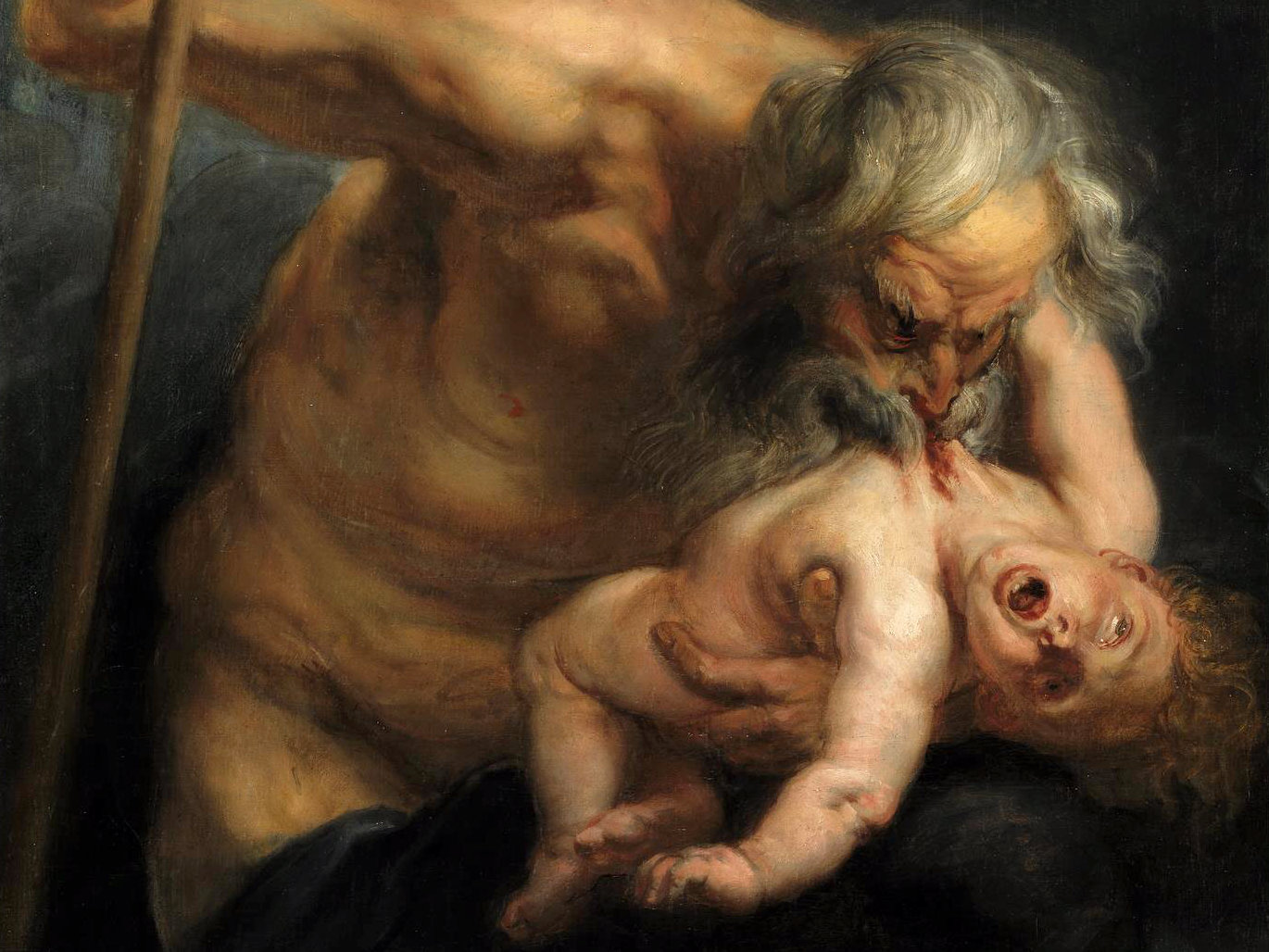
It is well known that Mithras was born from a rock. However, less has been written about the father of the solar god, and especially about how he conceived him.

Le présent volume les réunit en les assortissant de deux contributions inédites sur l’échelle mithriaque et sur le dieu au serpent des stèles danubiennes.

Wasson has aroused considerable attention by advancing and documenting the thesis that Soma was a hallucinogenic mushroom – none other than the Amanita muscaria, the fly-agaric that until recent times was the center of shamanic rites among the Siberian and Uralic tribesmen…