Your search Rohr im Kremstal gave 2036 results.
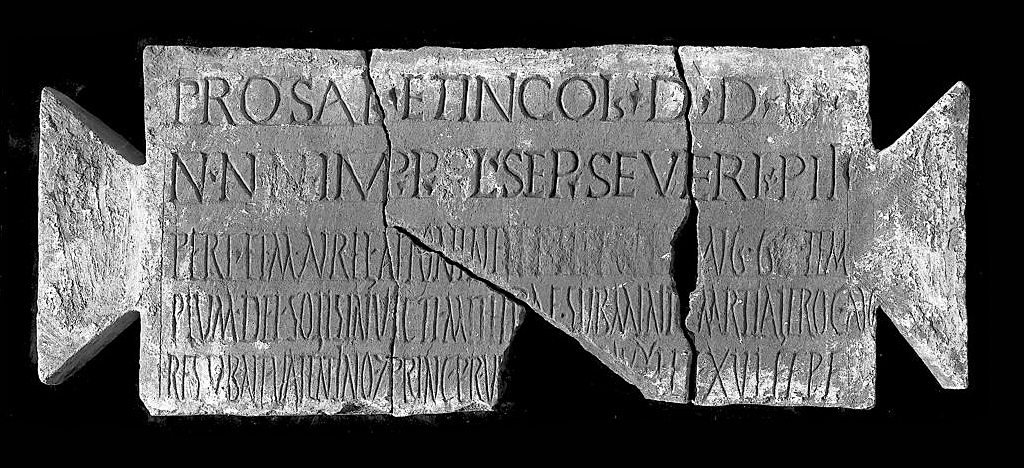
Antonius Valentinus, centurio, made this plaque for the salut des empereurs Septimus Severus and Marcus Aurelius.
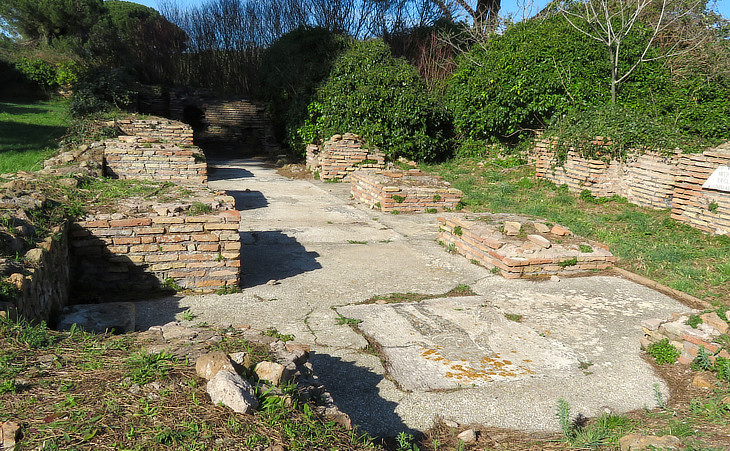
The Mithraeum of the Animals was decorated with a mosaic depicting a naked man, a cock, a raven, an scorpion, a snake and the head of the bull.

Wahlheim lies within the Upper Germanic frontier zone and has produced material from the Roman period.
The Hasloch area near Rüsselsheim has yielded archaeological material linked to the Rhine frontier region.
Kindenheim lies within the Rhine frontier region of Germania Superior.
Besigheim stands at the confluence of the Enz and Neckar rivers in the frontier region of southwestern Germania.
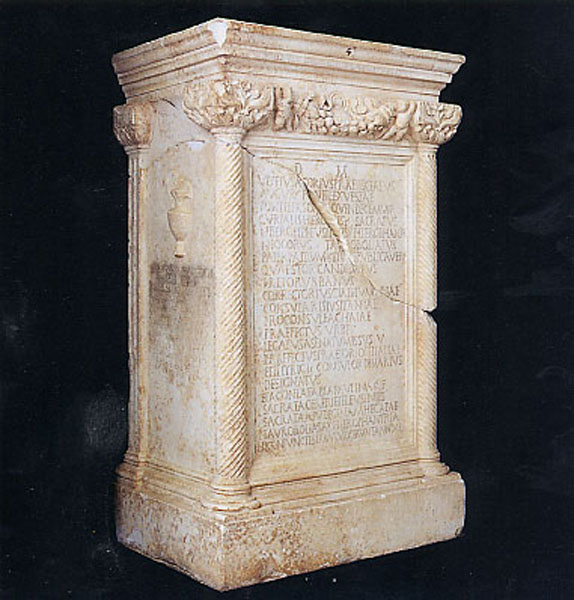
The marble altar mentions Vettius Agrorius Praetextatus as Pater Sacrorum and Patrum and his wife Aconia Fabia Paulina.

Damaged white marble tauroctony relief from Timočka Krajina, Moesia Superior, depicting the bull-slaying with corn-ear tail, dog, serpent, scorpion, and torchbearers.
Polychromatic marble statuette of a cross-legged figure in Eastern attire, probably a torchbearer, found near the theatre ruins at Timgad.
Inscription from Viminacium, Moesia Superior, recording that Caius Iulius Valerius, veteran of Legio VI Claudia, restored a Mithraic sanctuary destroyed by lightning at his own expense.
Small white marble relief from Kostolac, ancient Viminacium in Moesia Superior, depicting the sacred repast of Mithras and Sol: two reclining figures behind a three-legged table (tripod), in an arched niche.
Right portion of a limestone Cautes relief from Kostolac, ancient Viminacium in Moesia Superior, depicting Cautes standing on an elevation in Oriental dress — not cross-legged — with a semicircle above him, probably Sol's nimbus.
Inscription from Viminacium, Moesia Superior, dedicated to Deo invicto Mithrae by a decurio and aedilis of the Colonia Viminacii ex voto.
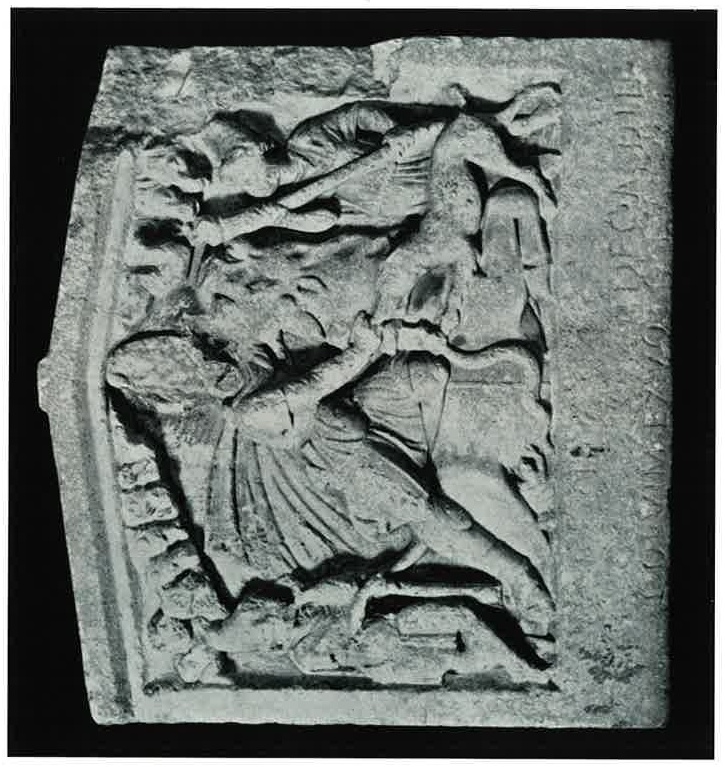
White marble tauroctony relief from Kostolac, ancient Viminacium in Moesia Superior, formerly walled into the Castle of George Branković at Smederevo, depicting the standard bull-slaying.
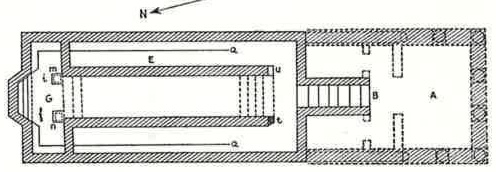
Second Mithraic sanctuary discovered in 1826 some 150 metres west of Mithraeum I at Heddernheim, ancient Nida, with finds in the Wiesbaden museum.
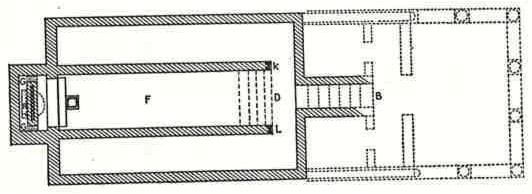
First Mithraic sanctuary discovered at Heddernheim (ancient Nida) in 1826, with finds preserved in the Städtisches Museum at Wiesbaden.
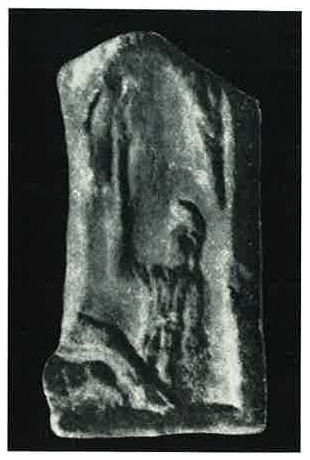
The site of Ay-Todor in Crimea revealed a Roman camp, a temple with votive offerings, and a Mithraeum.
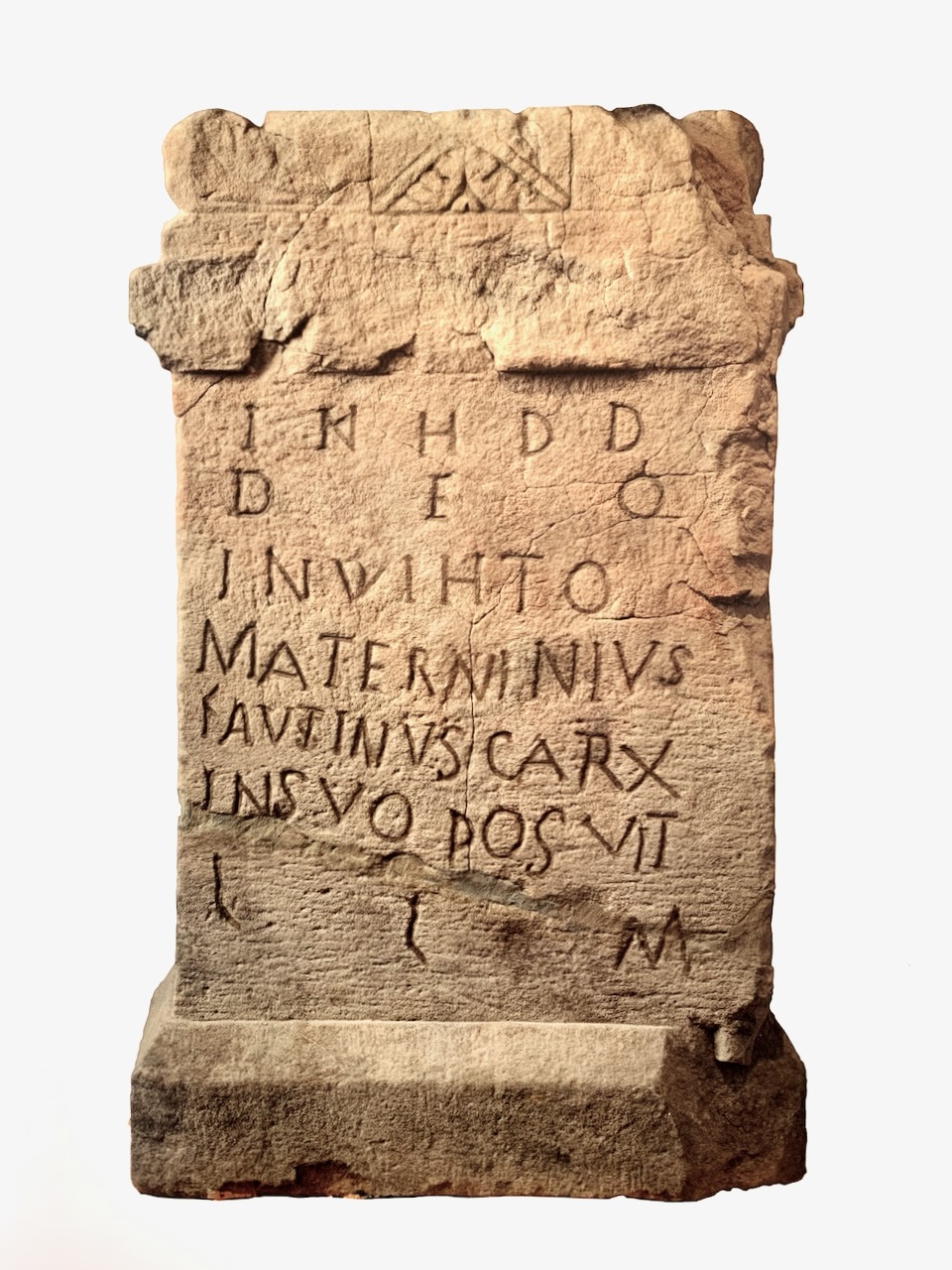
Corax Materninius Faustinus dedicated other monuments found in the same Mithraeum in Gimmeldingen.
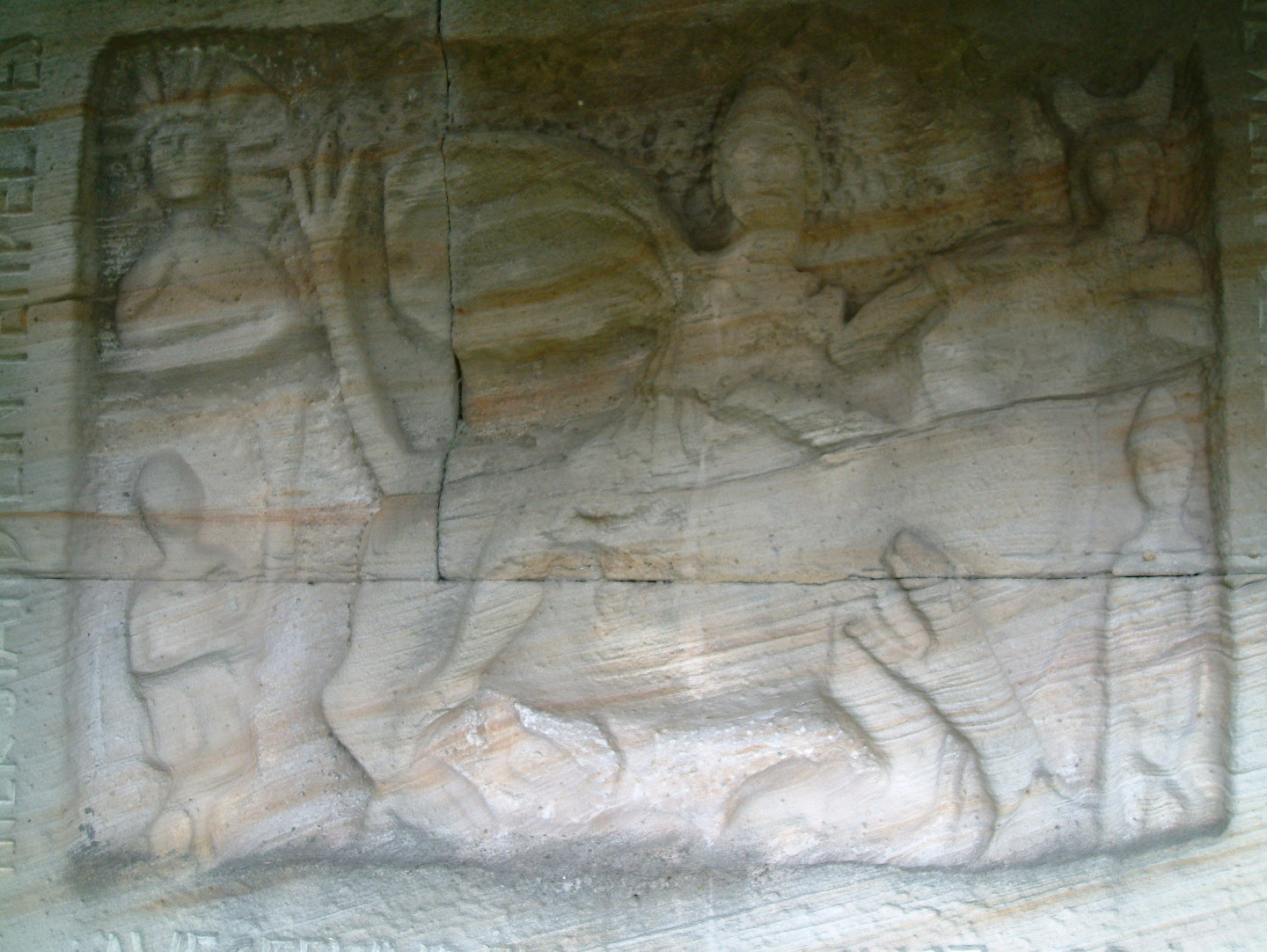
This relief of Mithras killing the bull found in Gimmeldingen, Germany, lacks the usual raven.
