Your search for Roma gave 1097 results.
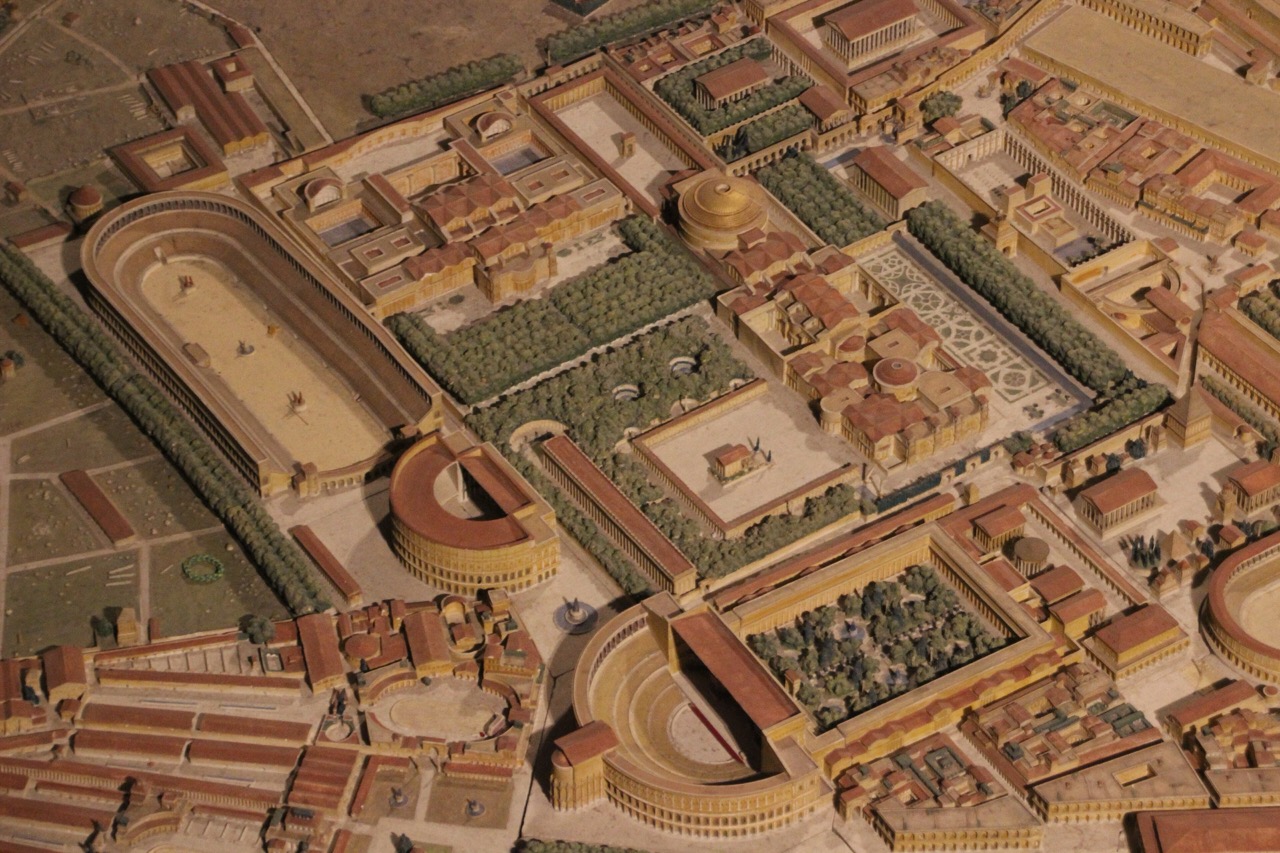
Archaeological evidence shows that the area around Rome has been inhabited since around 14,000 years ago. Excavations support the theory that Rome grew from pastoral settlements on the Palatine Hill, which was built over the area of the Roman Forum.


This altar dedicated to Sol Invictus Mithras by a certain Septimius Zosimus was found in the Basilica of San Martino ai Monti in Rome.


Subtitle Late Roman senator who rose from pater to pater patrum in the Mithraic community of San Silvestro in Capite.
Founded on the site of ancient Byzantium and refounded in 330 CE, Constantinopolis became an imperial residence in the eastern Roman Empire. In the 4th century, it was a key setting for interaction between traditional cults and Christian authority.
Large marble slab found in 1648 near S. Silvestro in Capite, inscribed with a Latin dedicatory poem forming a cypher-acrostic for TAMESIUS and AUGENTIUS, with records of leontica and chrysos initiations, dated to 362 A.D.

Owner of www.mithraeum.org and the Mithras and Mithraeum discussion lists on Groups.io. Co-founder of Nova Roma and the founder of Byzantium Novum.
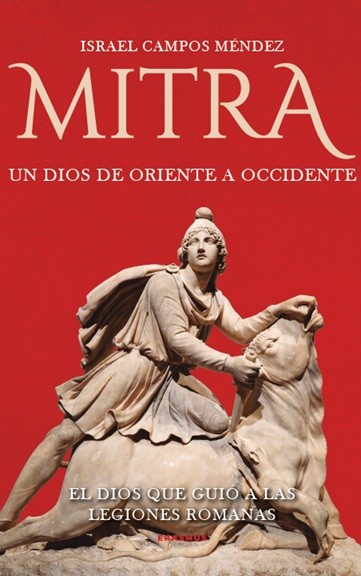
Un recorrido por los orígenes, la expansión y el legado de Mitra desde Persia hasta el corazón de Roma.
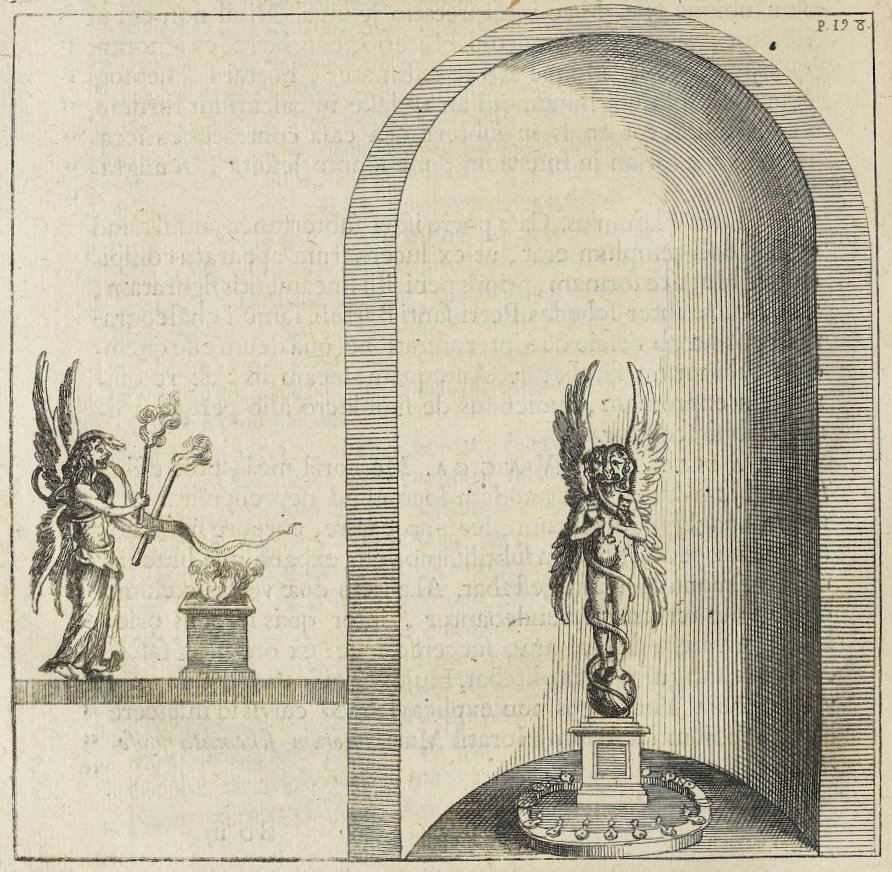
This monument has been identified from ’Memorie di varie antichità trovate in diversi luoghi della città di Roma’, a book by Flaminio Vacca of 1594.

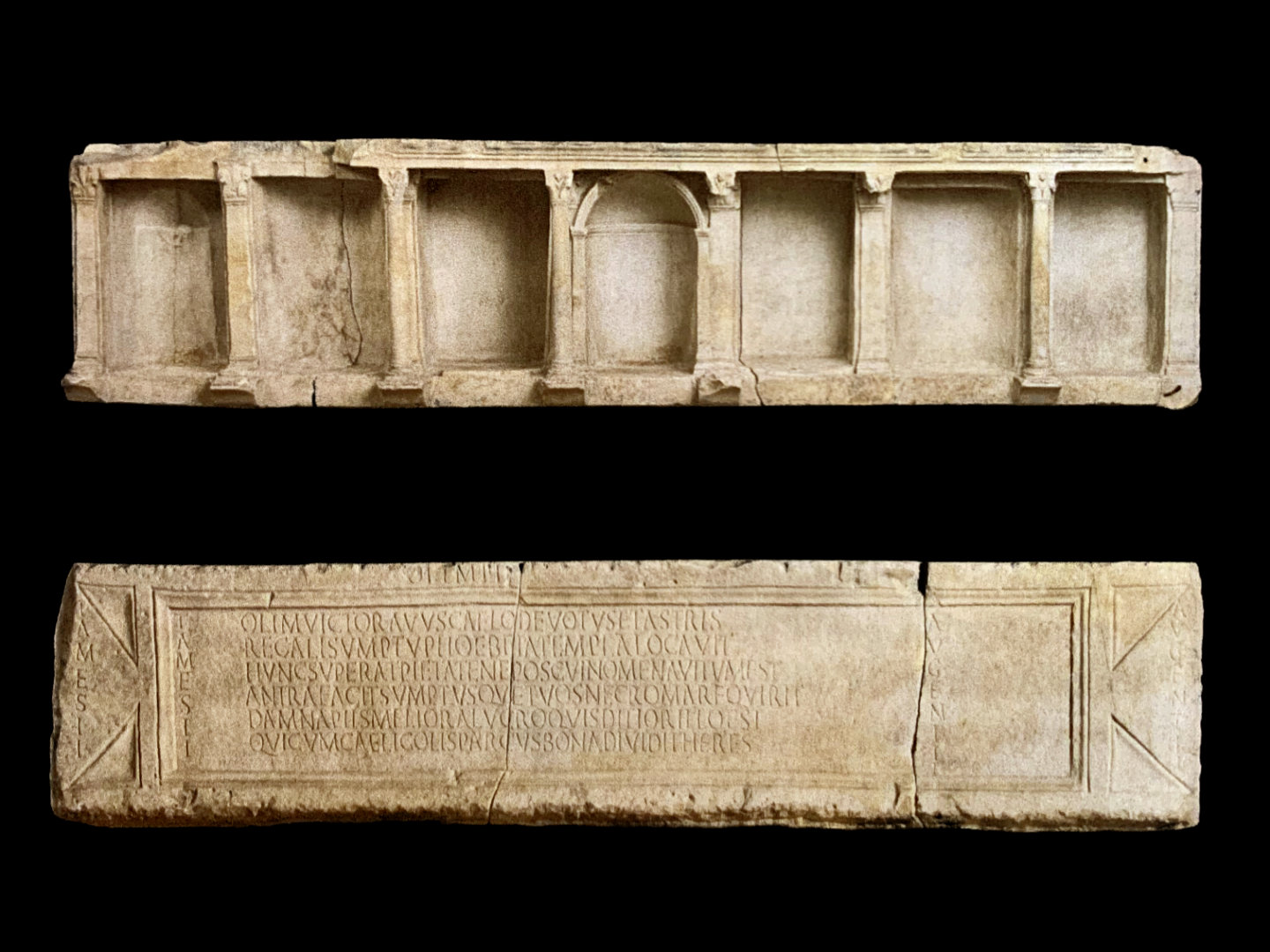
This monument is the only one still available from the disappeared Mithraeum in Piazza S. Silvestro in Capite.


Veteran from Colonia Claudia Ara Agrippinensium (Köln) who erected an inscritiption to Mithras and his ally Sol.

