Your search Roman cemetery of St. Matthias gave 2753 results.
Altar from Aquincum, Pannonia Inferior, dedicated to Invicto Mitrae by Publius Aelius Attalus.

Altar from Aquincum, Pannonia Inferior, dedicated to Soli invicto Mithrae sacrum by Caius Flavius Avitus, beneficiarius consularis.
Terracotta relief from Aquincum, Pannonia Inferior, depicting a Venus-like goddess in the company of a child holding a fruit basket; its association with the Mithraeum is probable but not certain.
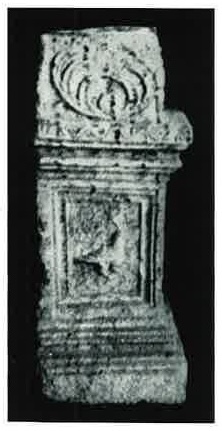
Inscription from Aquincum, Pannonia Inferior, dedicated to Deo invicto Mithrae by Caelius Anicetus with his son.
Altar from Aquincum, Pannonia Inferior, dedicated to Sol deo sacrum by Caius Iulius Primus, decorated between two rosettes with a bunch of grapes.
Observation that two altars dedicated by Caius Iulius Primus to Sol deo sacrum at Aquincum may belong either to Mithraeum I or to Mithraeum III.
Altar from Mithraeum I at Aquincum, Pannonia Inferior, dedicated by a decurio of the municipium Aquincum who held the rank of duumvir iure dicundo and praefectus collegii fabrum.
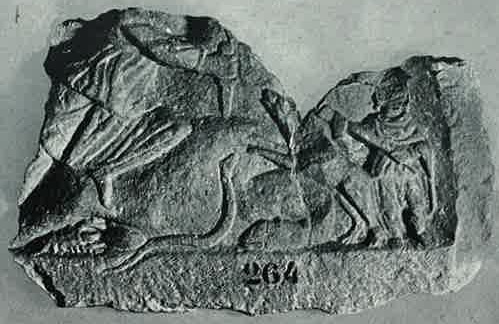
Sculpted ram’s head discovered among the finds from the supposed Mithraic sanctuary.
Fragmentary inscribed altar dedicated to Mercury from the Saalburg sanctuary area.
Assemblage of lamps, serpent-vases and painted ritual pottery from the sanctuary complex.
Elongated cult building near the Saalburg fort traditionally interpreted as a Mithraeum but later reconsidered as a possible funerary enclosure.

Anazarbus was an ancient Cilician city. Under the late Roman Empire, it was the capital of Cilicia Secunda.

This relief of Mithras slaying the bull incorporates the scene of the god carrying the bull and its birth from a rock.
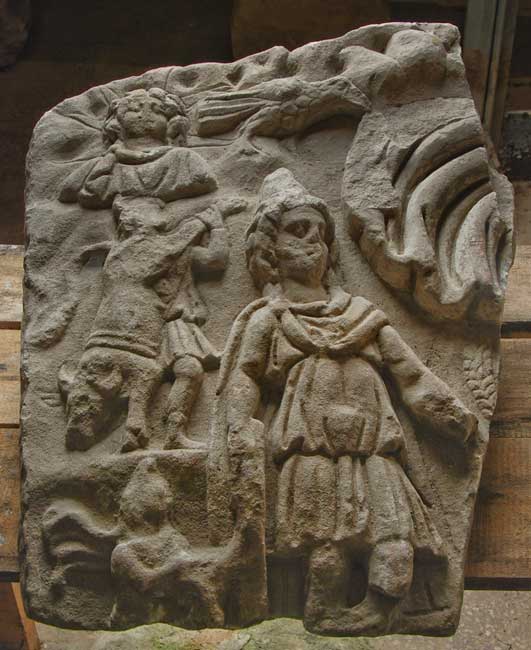
This marble fragment from Roman Dacia preserves part of a tauroctony with Sol, the raven, and Mithras dragging the bull.
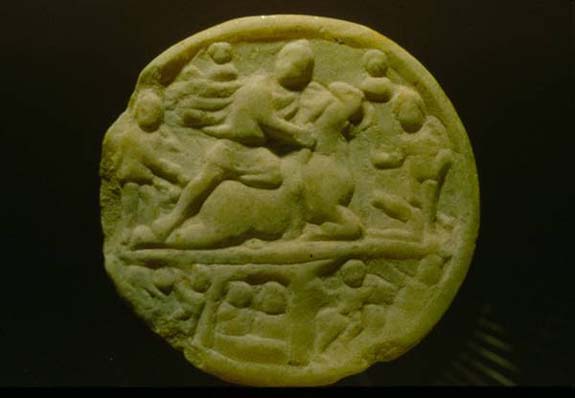
The small medallion depicts three scenes from the life of Mithras, including the Tauroctony. It may come from the Danube area.
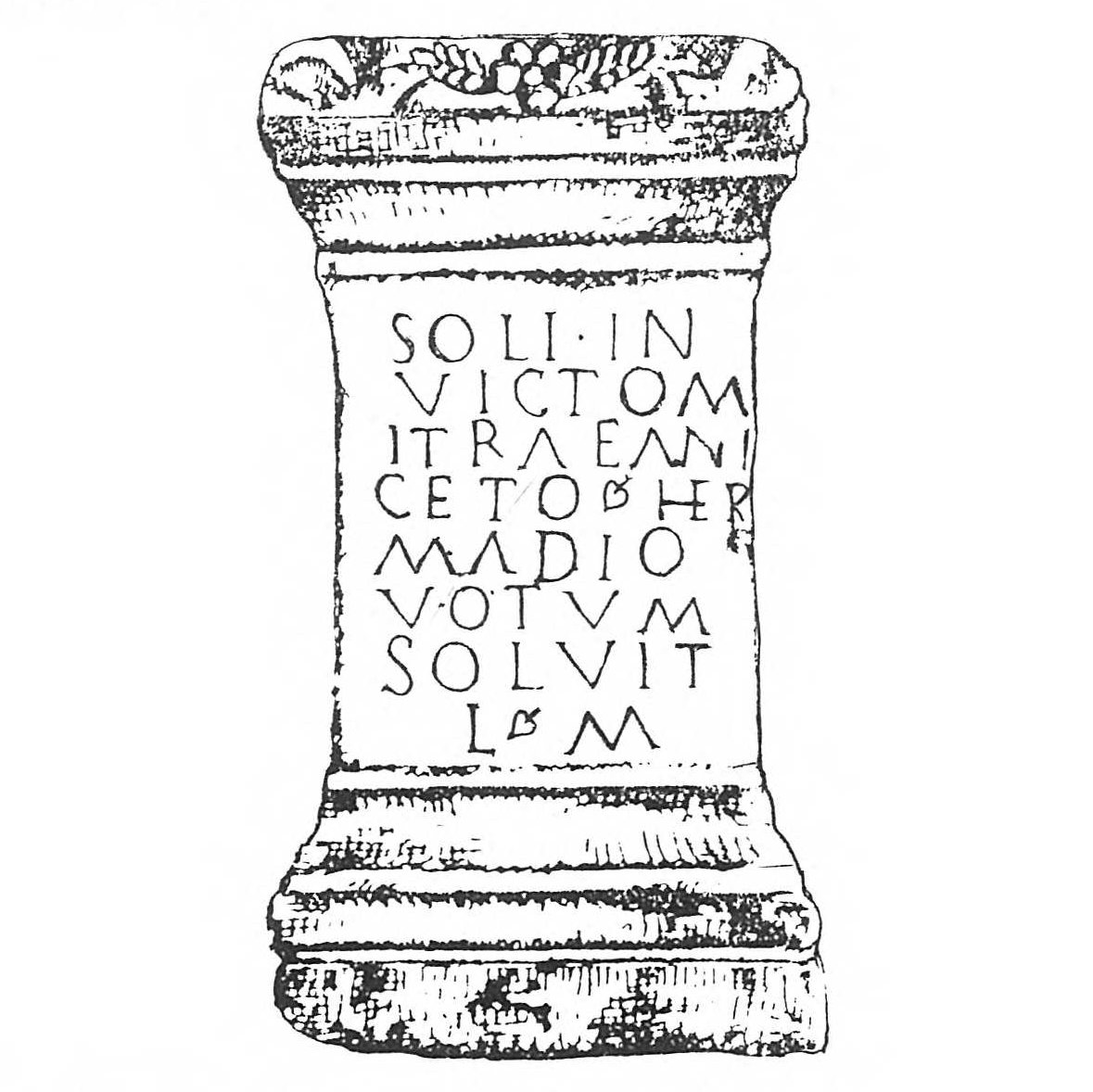
This altar was erected by Hermadio, who also signed other monuments in Dacia and even in Rome.

This altar to Invictus Mythra (sic) was found in 1867 in ancient Maros Portum, now Sighișoara, Romania.

This remarkable double-sided relief depicts the myth of Mithras and the Tauroctony on one side, and a scene of Mithras the hunter and the banquet of Mithras and the Sol on the other.
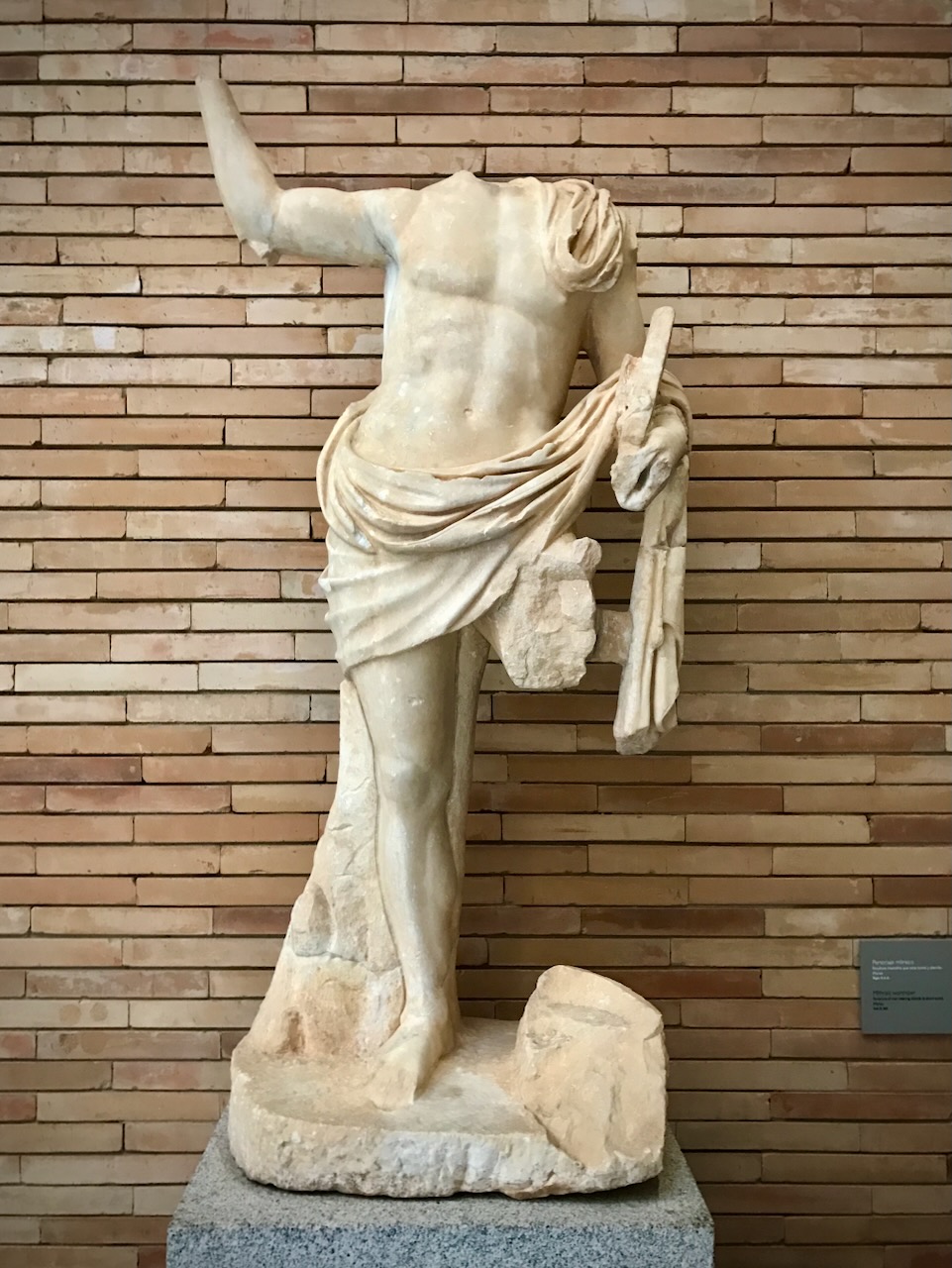
This nude male figure, found at Cerro de San Albín, Mérida, has been identified as Cautes.
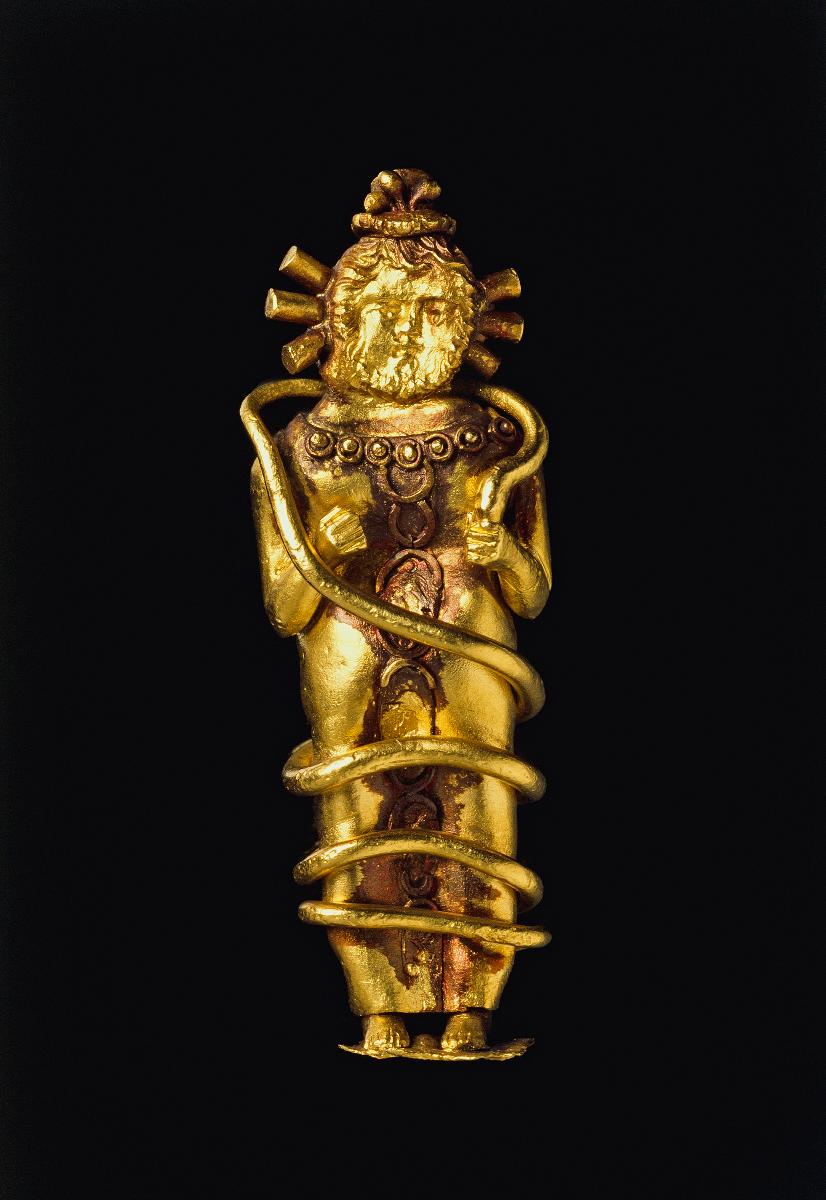
This small golden figurine seems to represent the Mithraic god Aion, as usual surrounded by a serpent.
