Your search Roman cemetery of St. Matthias gave 3406 results.
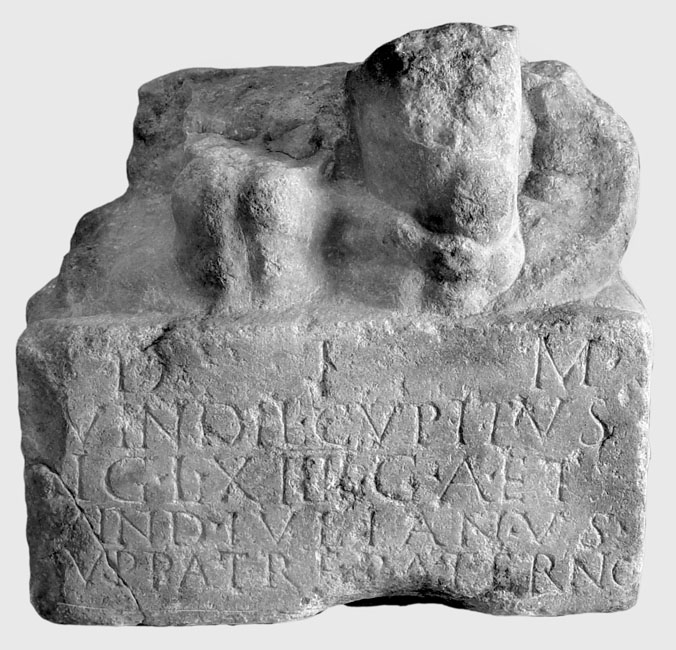
Only parts of the knees of Mithras, emerging from the rock, have been preserved from this monument of Petronell-Carnuntum, Austria.

This altar for the completion of a temple to Sol Invictus by Flavius Lucilianus was found in Fossa, Italy.
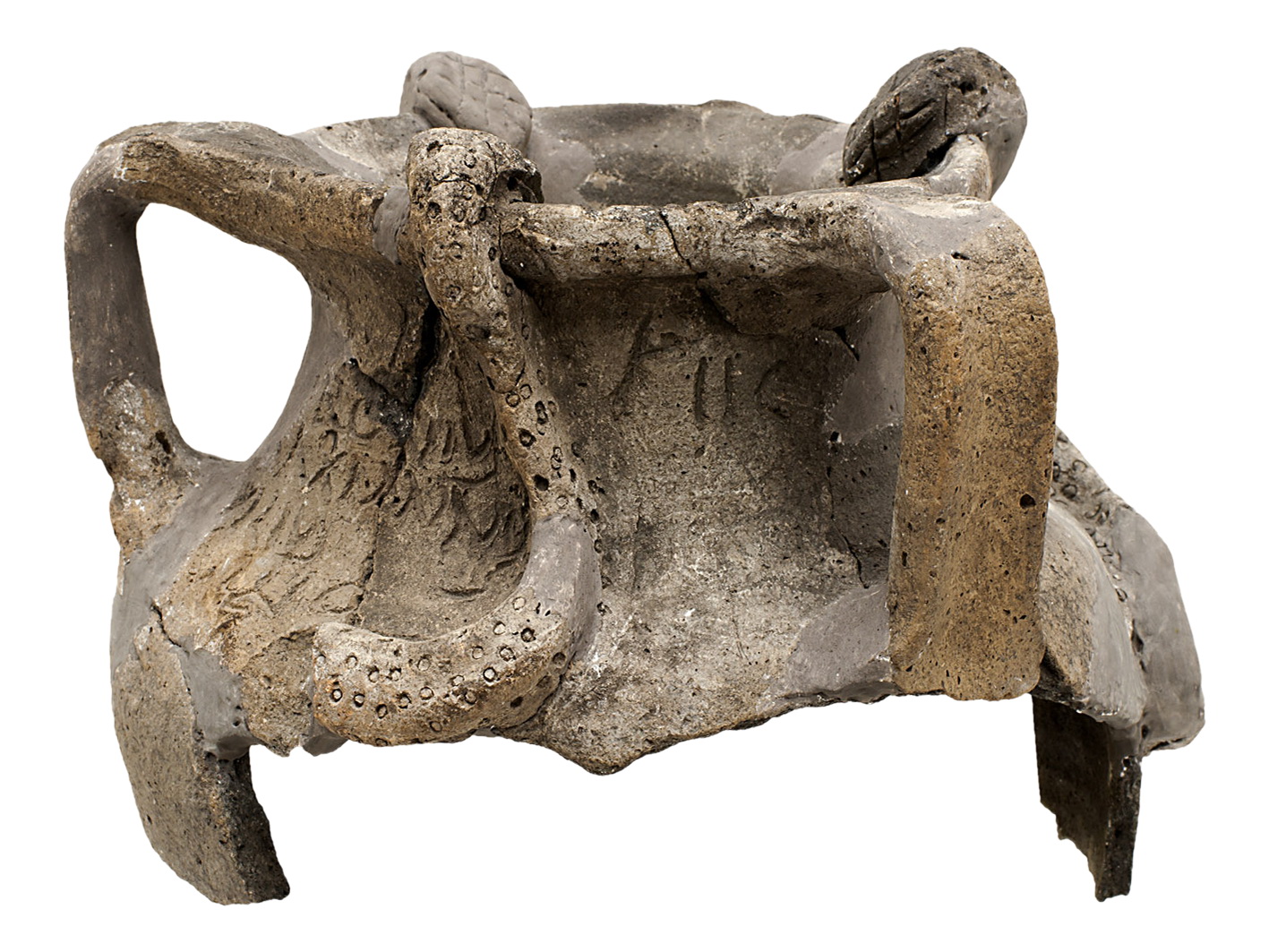
Upon first examination, archaeologists interpreted the inscription on the cult vessel from Gradishje as referencing Mithras, though it has since been re-evaluated.
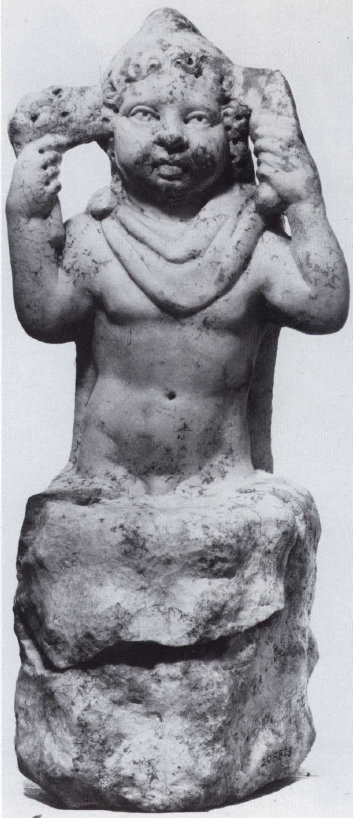
The second statue of Mithras rock-birth was found in the Mitreo di Santo Stefano Rotondo shows a childish Mitras emerging from the rock.

A fragmentary red sandstone relief preserves the upper part of three-headed Hekate holding a long object in her left hand.

Limestone altar from the Trier baths, carved on four sides with a lion and serpent, flanked by Sol and Luna, and likely linked to a Mithraic context involving Hekate.
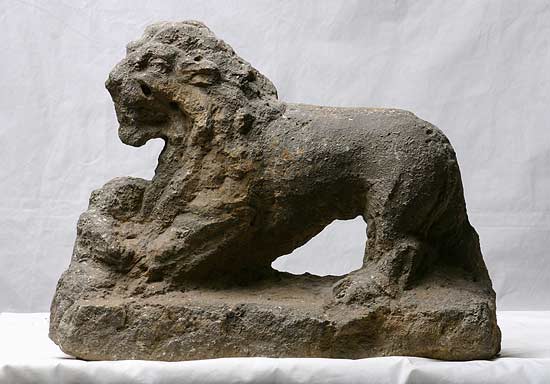
Marble statue from Intercisa representing a lion holding an indistinct animal beneath its forepaws. Found in a vineyard, the piece is now in the Hungarian National Museum.
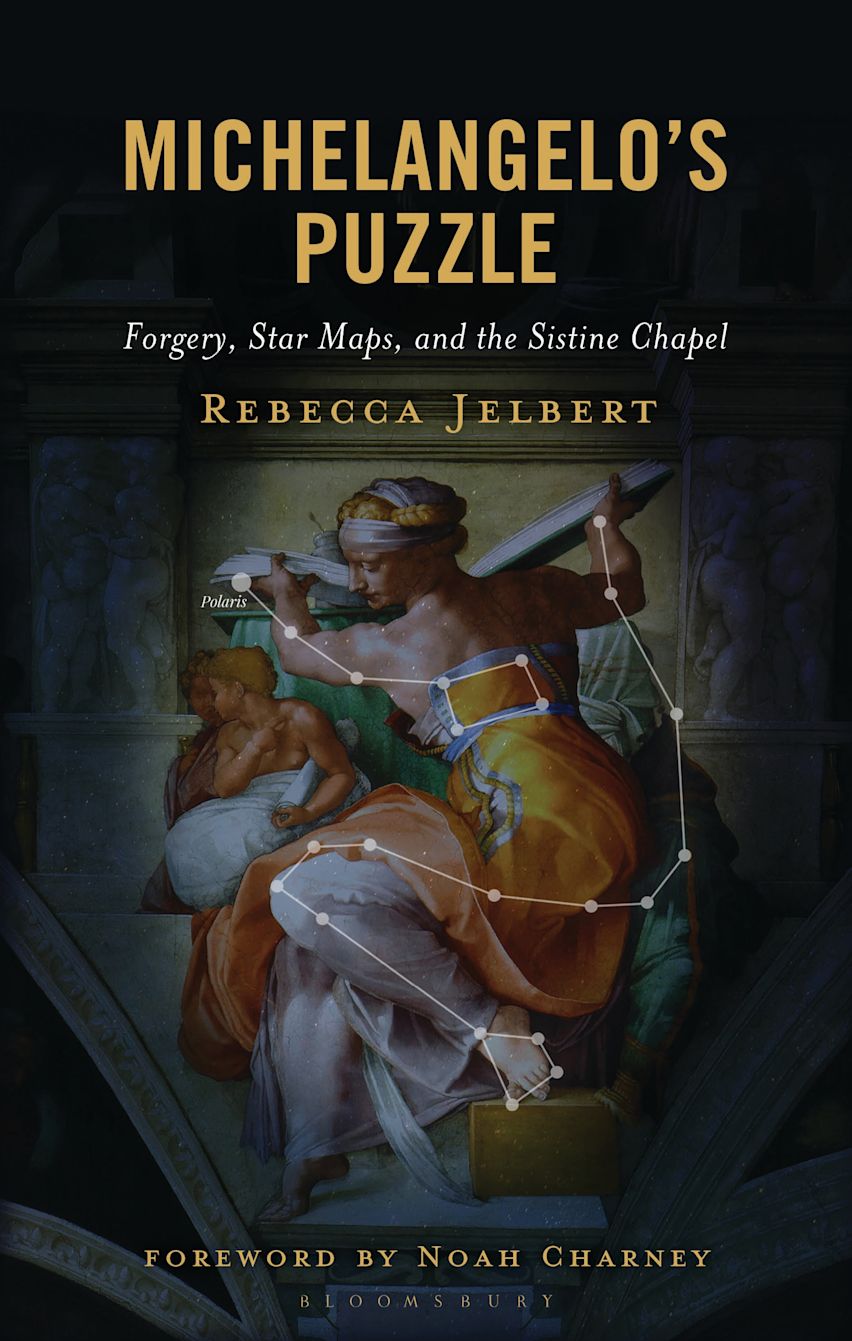
Rebecca Jelbert explores Michelangelo’s major works through the lens of hidden structures, symbolic systems, and esoteric traditions. It considers how themes associated with Mithras and other mystery cults may illuminate new interpretative possibilities within Renaissance art…

Maarten Vermaseren, qui a publié un corpus des inscriptions et des monuments de la religion mithriaque et un certain nombre d'études savantes sur le même sujet est certainement l'un des meilleurs spécialistes de la question.
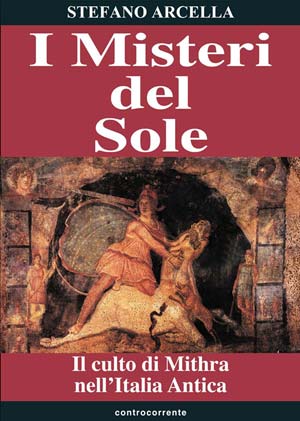
A study of Roman Mithraism that combines historical evidence with a symbol-centred interpretive approach, exploring Mithraic iconography, ritual experience, and the cult’s encounter with Christianity in the Late Empire.
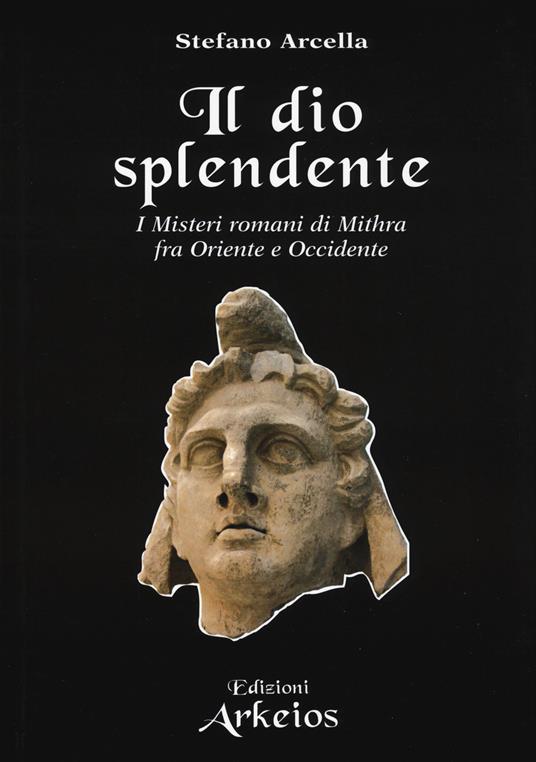
A study that re-examines Roman Mithraism through epigraphic evidence and comparative analysis, exploring its links with Orphism, Platonism, and Iranian traditions, and presenting the cult of Mithras as a solar path of individual spiritual awakening between East and West…
A philosophical study of Iranian civilization that explores its spiritual foundations, including the legacy of Mithraic and Zoroastrian traditions, in order to reflect on Iran’s historical continuity and civilizational meaning.
Francesco Massa examines how the concept of mysteria was transformed in the Roman Empire, as Christian authors from the mid-second century CE adopted the language of mysteries to articulate their own rituals and beliefs, reshaping understandings of both Christian and traditional cults…
Interprets Mithraism as an initiatory path of inner transformation, reading its myths and rites as symbolic maps of consciousness rather than as historical narratives, and includes an appendix with the Ritual of Mithra from the Great Magical Papyrus of Paris…
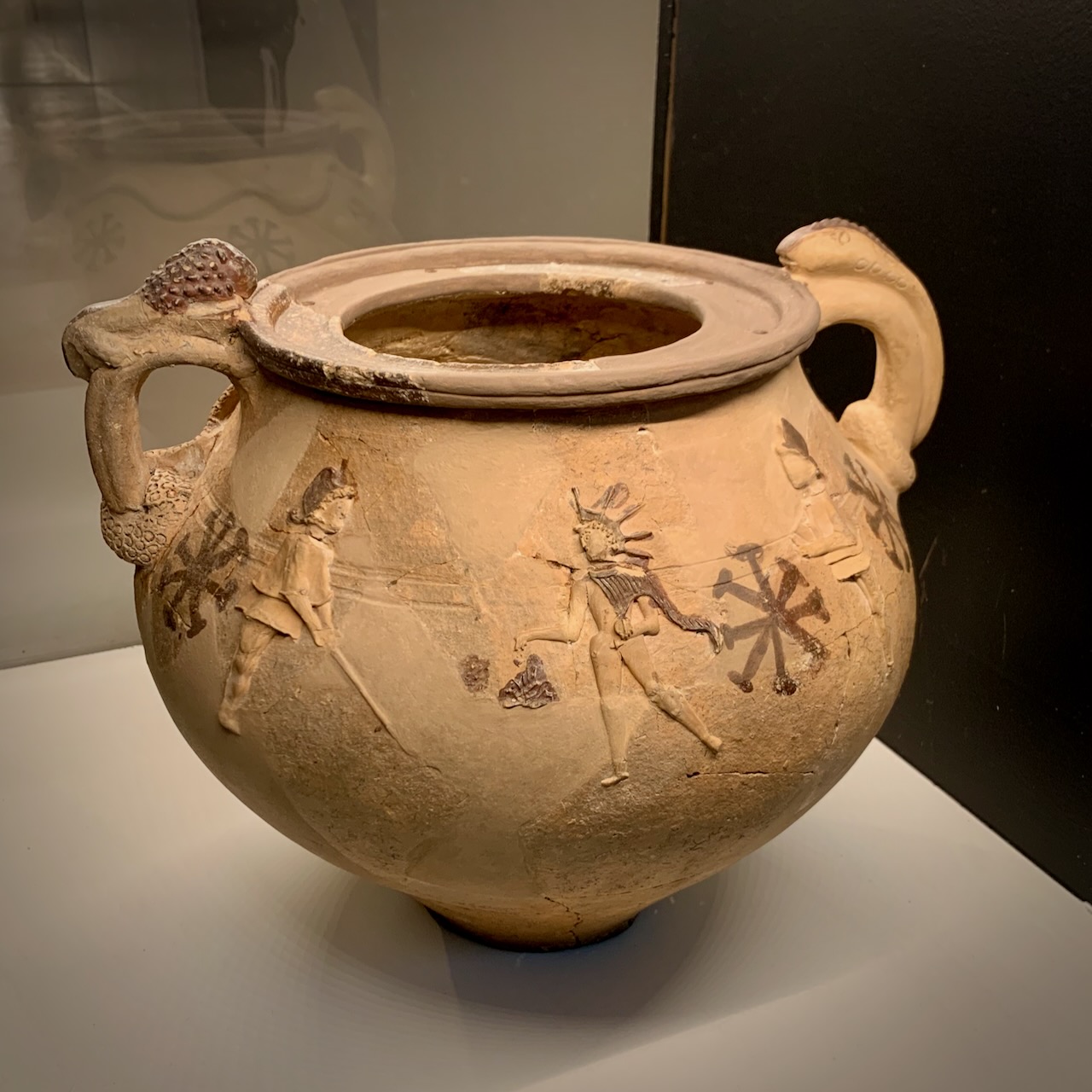
The Mithraic vase from Colonia Claudia Ara Agrippinensium in Germany includes Sol-Mithras between Cautes and Cautopates, as well as a serpent, a lion and seven stars.
Red sandstone altar from Stockstadt, featuring a square cavity in the front that contained a fragment of crystal and a small lamp.

In these two key passages, Justin Martyr interprets Mithraic rituals and myths as demonic parodies of Christ’s incarnation, the Eucharist, and biblical revelation.
This collective volume explores the ways ancient peoples interacted with divine powers through prayer, magic, and the interpretation of the stars. Drawing on evidence from Mesopotamia to Late Antiquity, it situates these practices within broader religious and cosmological systems…

A erotic military fantasy set against the dramatic background of Rome’s conquest of the British Isles.

Professor Wind's acclaimed work explores pagan mysticism and neoplatonic philosophy in Renaissance art, offering insightful analyses of masterpieces by Botticelli, Michelangelo, Raphael and Titian.
