Your search Saint-Rémy-de-Provence gave 44 results.

This white marble relief of Mithras killing the bull was found on the Esquilino near the Church of Saint Lucy in Selci in Rome.

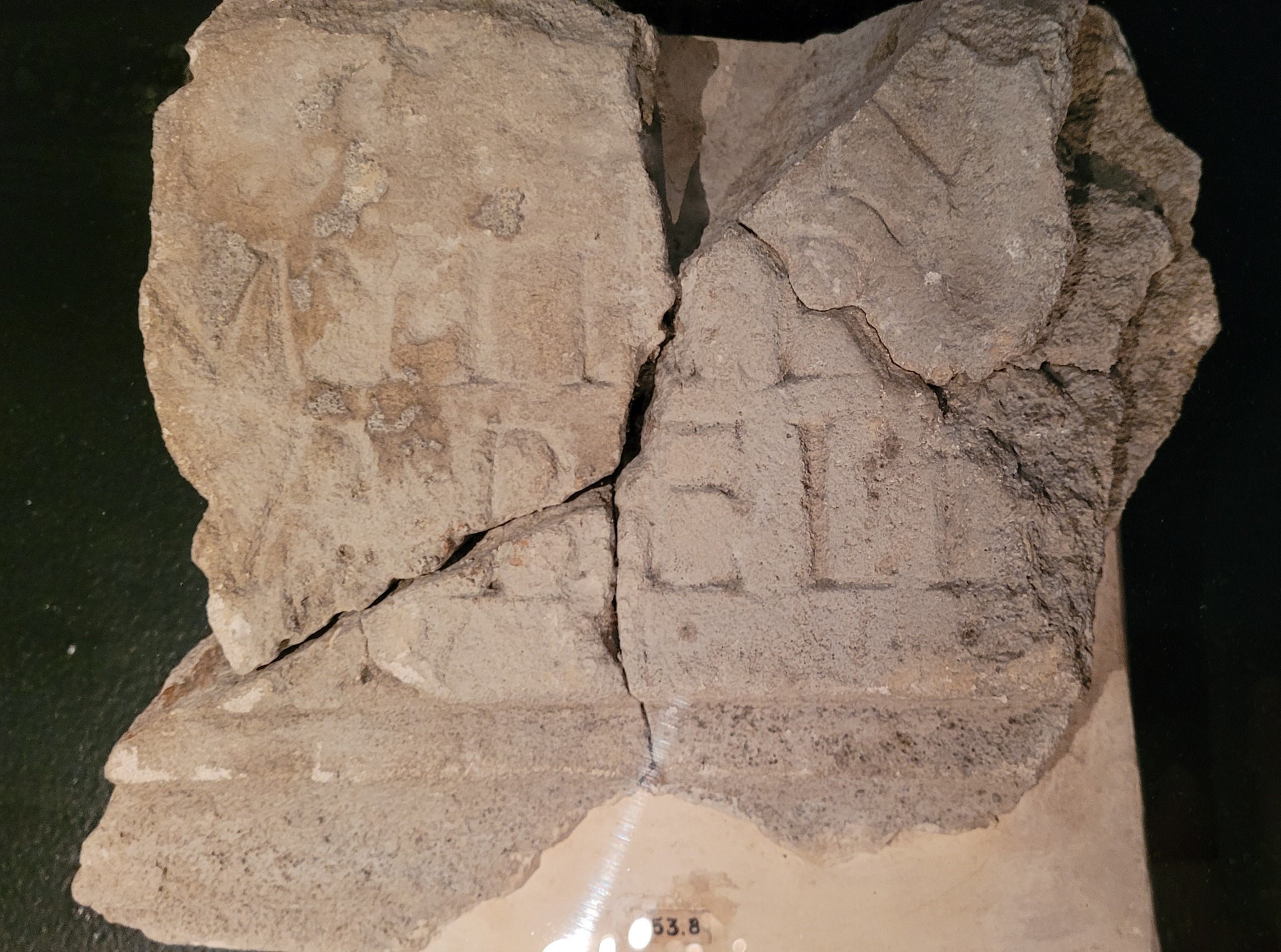
Two limestone relief fragments from Bihać, Dalmatia, found near Kástel Stasi and the Croate Church of Saint Martha, preserving portions of a Mithraic bull-slaying scene.

Apt is a commune in the Vaucluse department in the Provence-Alpes-Côte d'Azur region in southeastern France.
Vaison-la-Romaine is a town in the Vaucluse department in the Provence-Alpes-Côte d'Azur region in southeastern France. Vaison-la-Romaine is famous for its rich Roman ruins and mediaeval town and cathedral. The old town is split into two parts: the

This heavily damaged relief from Narbo preserves the figure of a cross-legged Mithraic torchbearer carved in low relief near the church of Saint-Sébastien in Narbonne.
This eulogy of Saint Eugene of Trapezos tells how, in the time of Diocletian, he and two other Christian fellows destroyed a statue of Mithras.
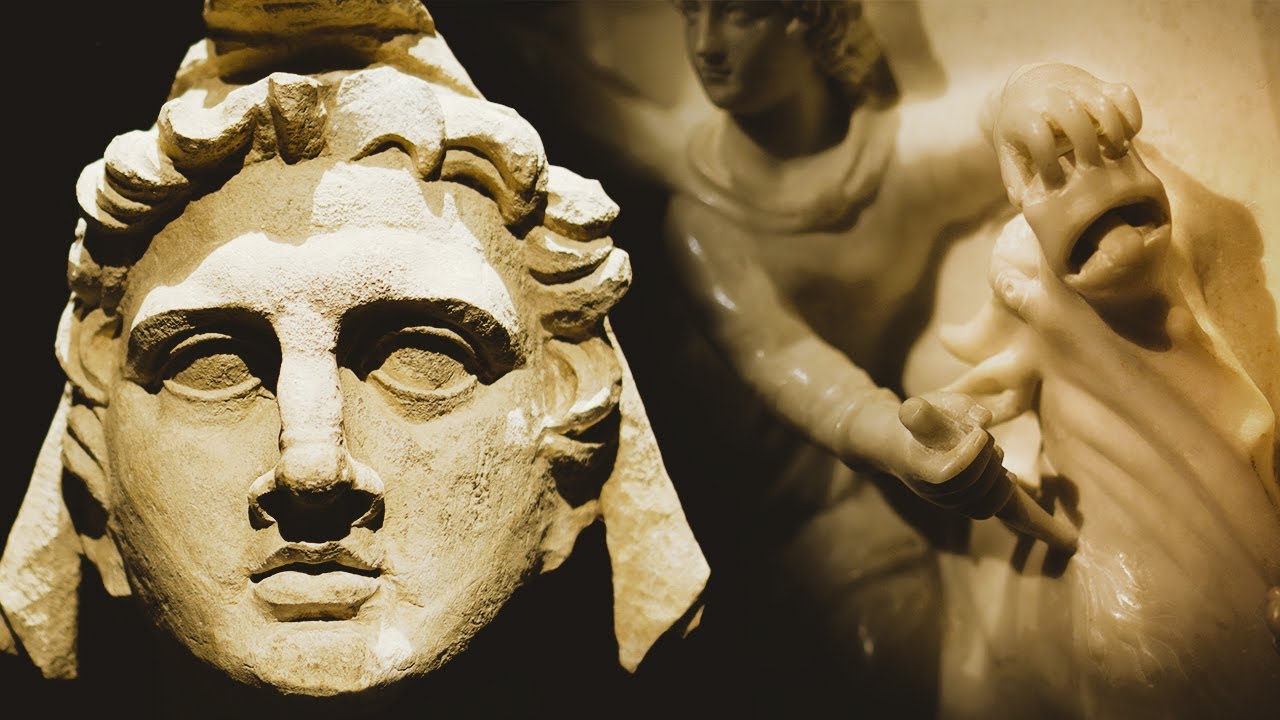
Nouveau video de Mysteria dédié au culte de Mithra à partir de l'exposition Le mystère de Mithra au Musée Saint Raymond.

Le Musée Saint-Raymond de Toulouse recherche un médiateur culturel diplômé en archéologie. Pour en savoir plus : [ref:6583260271549]
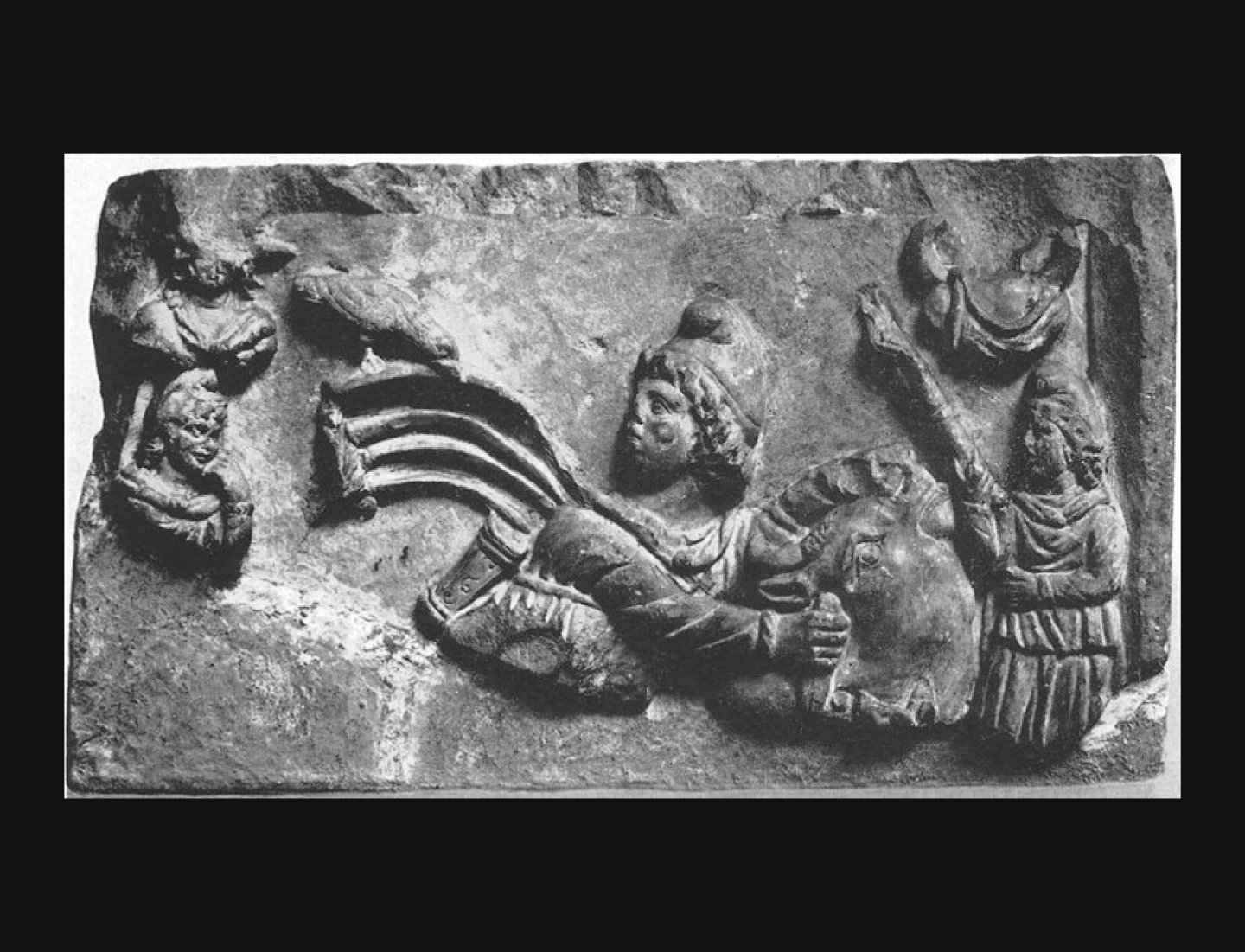
Franz Cumont bought this relief of Mithras as a bullkiller from a dealer who claimed to have found it in a vineyard near the church of Saint Pancrace, in Rome.
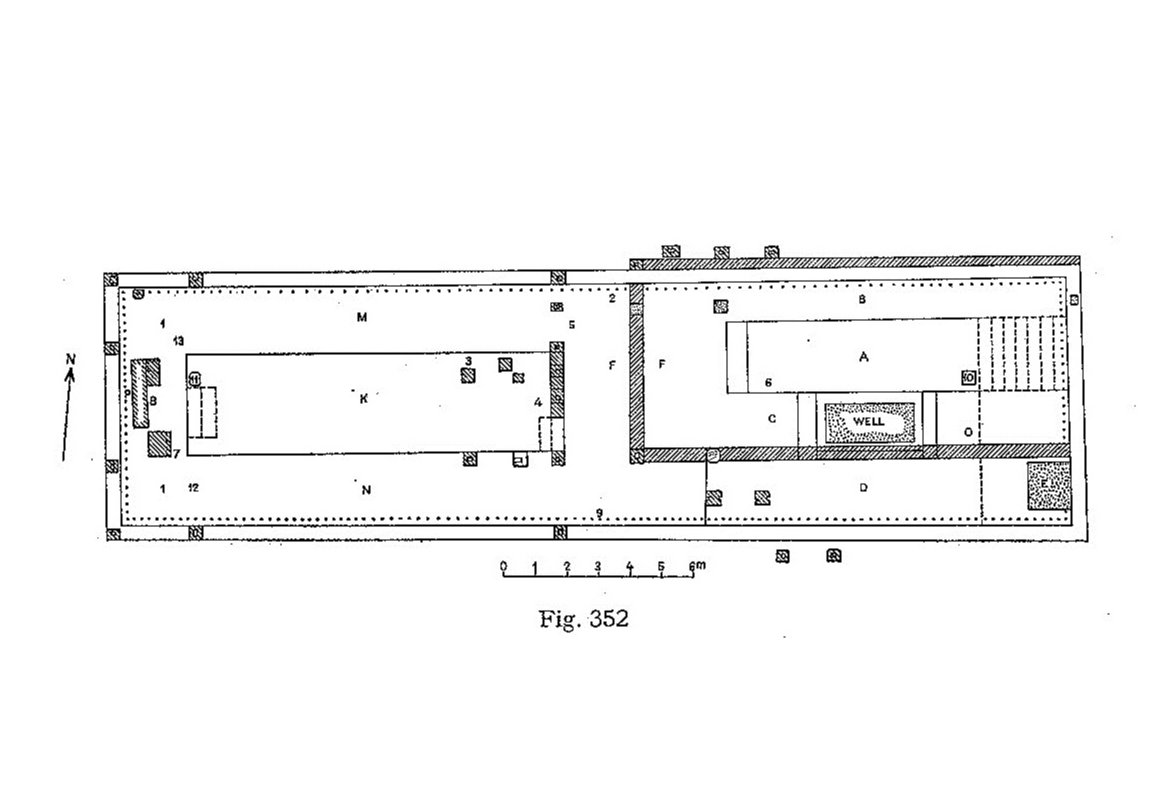
Lors de la construction de l’église Saint-Paul en 1911, un mithraeum a été mis au jour à Königshoffen, vicus gallo-romain situé aux abords du camp légionnaire de Strasbourg-Argentorate.
Musée Saint-Raymond, musée d'Archéologie de Toulouse, associate curator of the exhibition Le mystère Mithra, plongée au cœur d'un culte romain.
Mithra et ses actualités - Journée d'études (17 décembre 2021) au Musée royal de Mariemont.
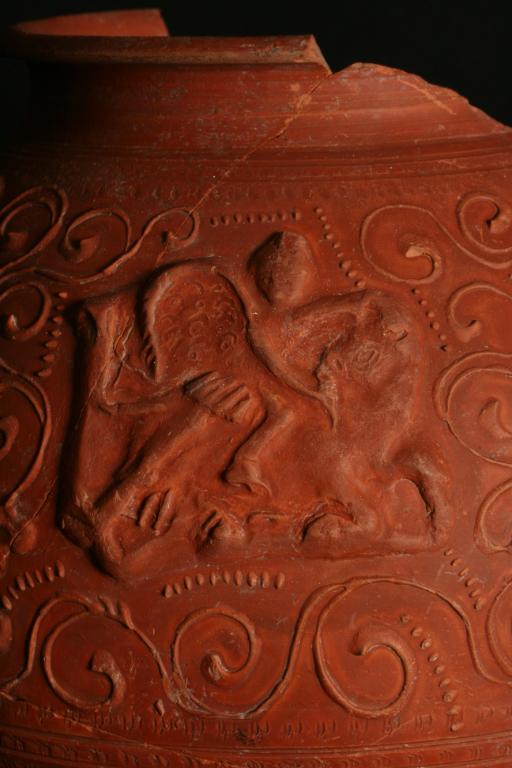
Five fragments of a red terra-sigillata vessel showing Cautopates with his torch pointing downwards, in Eastern attire and cross-legged, with the hoof of the bull's hindleg before him, found at Alesia (Mont-Auxois) in Lugdunensis.
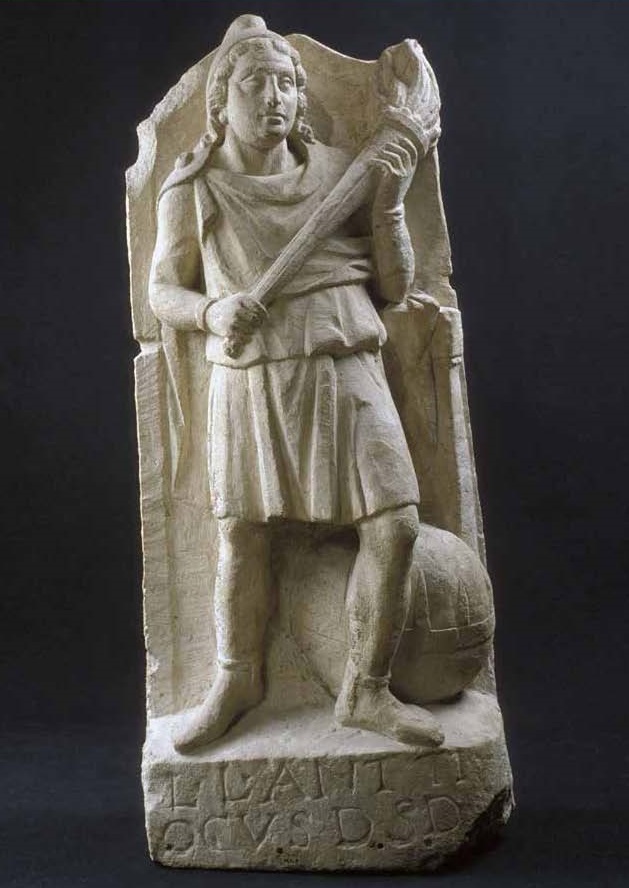
This monument representing Cautes with uncrossed legs was consecrated by a certain Anttiocus.
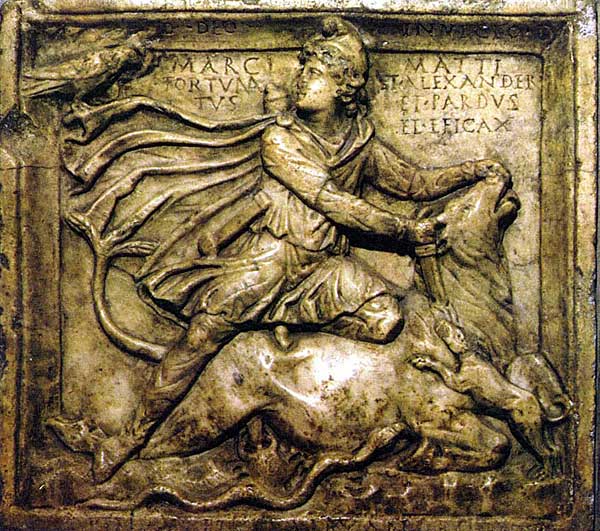
The relief marble of Mithras sacrifying the bull, exposed on the Hermitage Museum comes from Rome.
Group of Mithraic objects now preserved in the museum of the Société des Sciences de Semur at Alésia.
This fragmentary tauroctony from Roman Gaul preserves a striking raven behind Mithras’ cloak and the bust of Sol in the upper corner.
Fragment of limestone from Porêts, which was used in the 4th century.
