Your search San Giovanni al Timavo gave 3665 results.
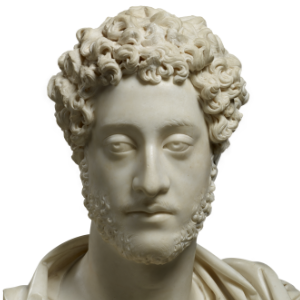
Roman emperor traditionally regarded as the first ruler initiated into the Mysteries of Mithras.
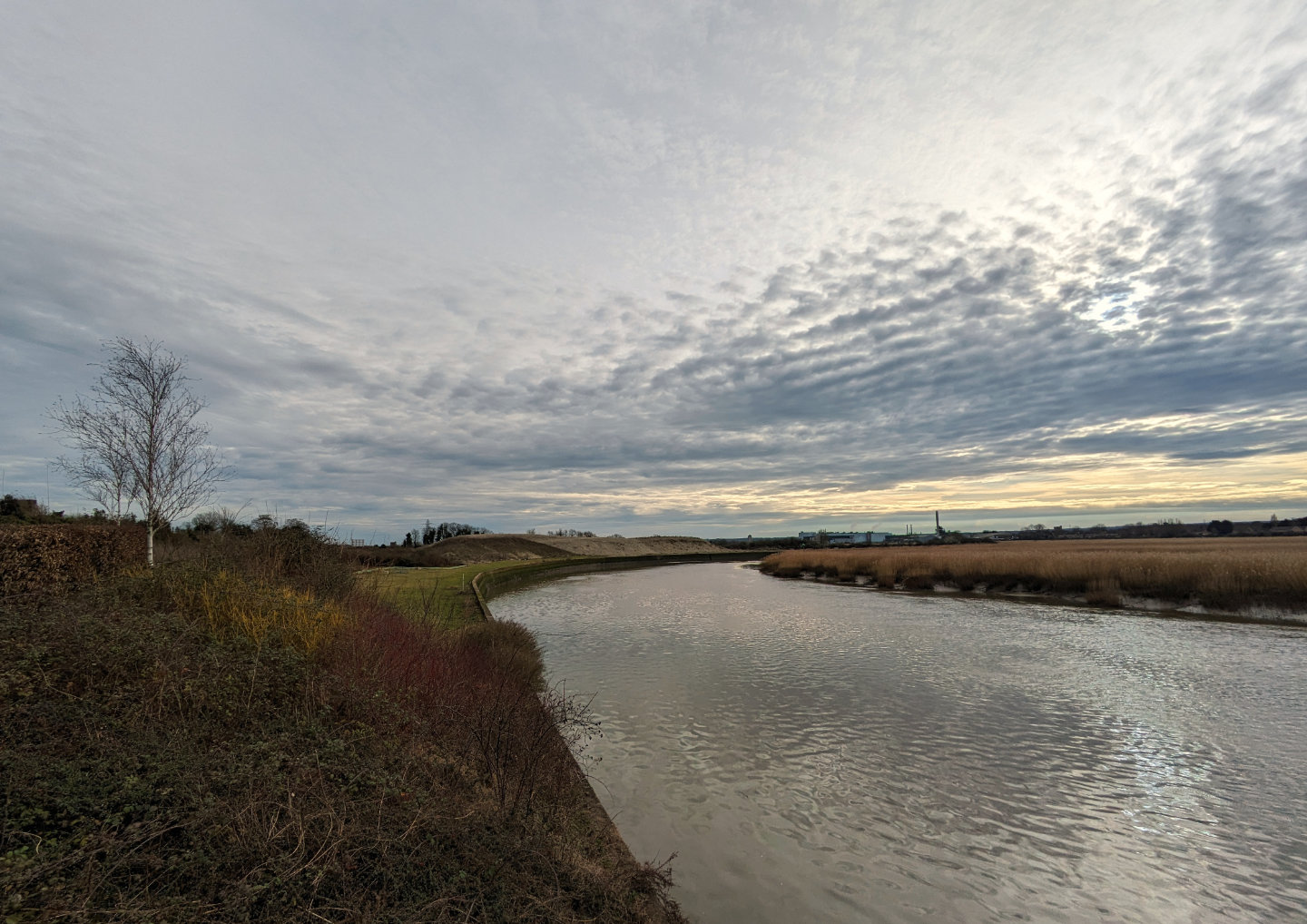
To date, there is no evidence that the so-called Mithraeum of Burham was ever used to worship the sun god.
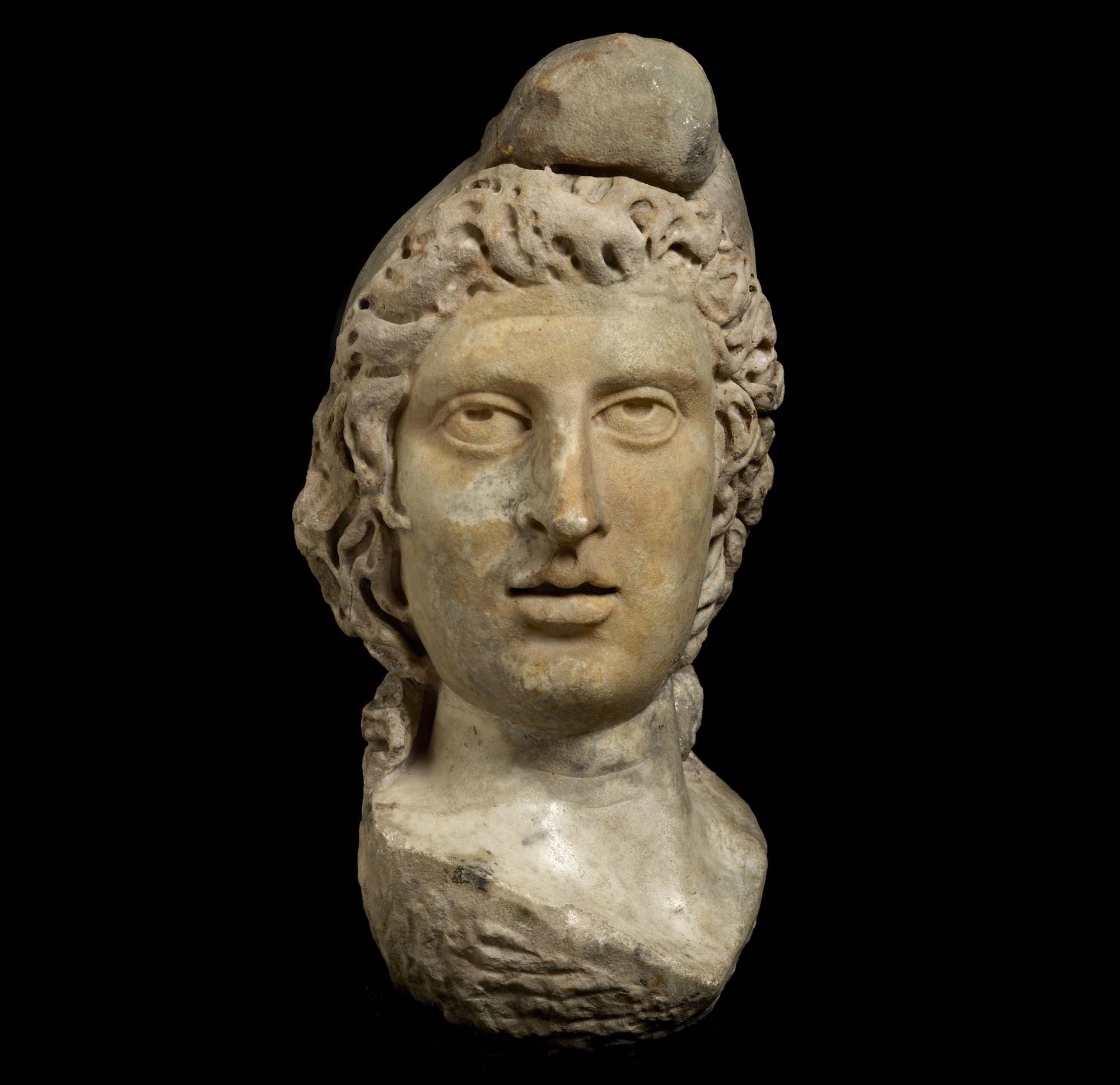
The Mithras's head of Walbrook probable belonged to a life-size scene of the god scarifying the bull.
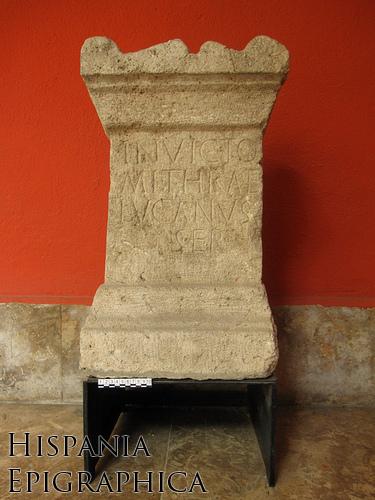
This altar found in Benifaió, València, was erected by a slave called Lucanus.

Small Mithras relief found in the upper layer of the tophet at Carthage by Cintas in 1949.
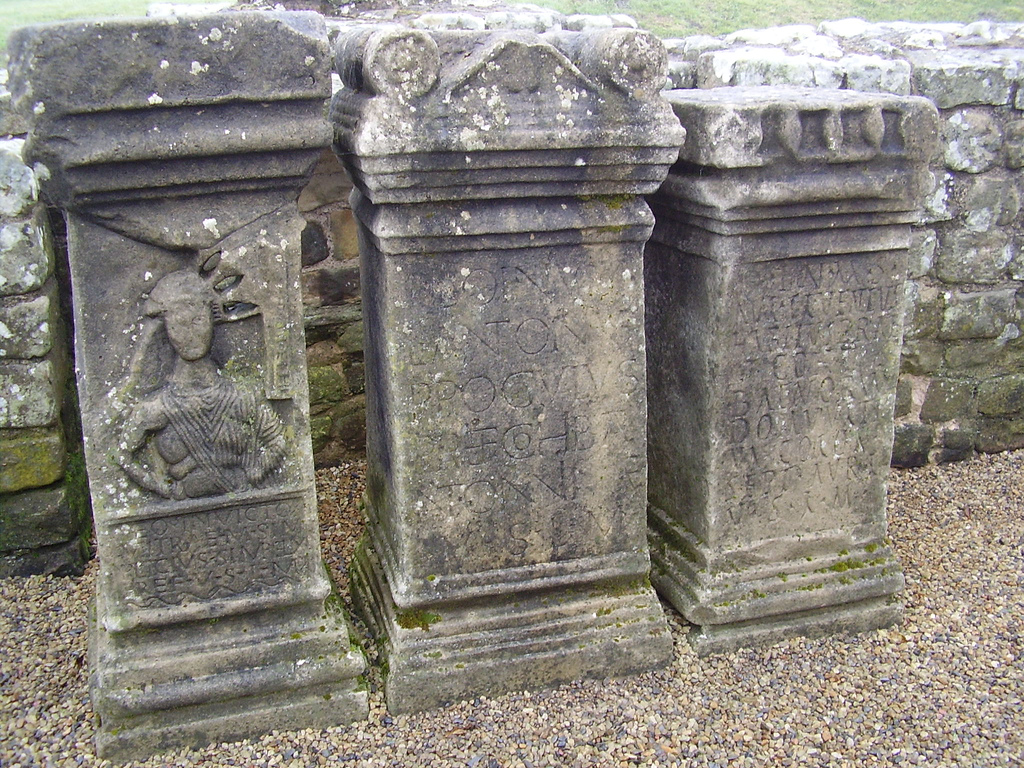
One of the altars from the Carrawburgh Mithraeum depicts the bust of Mithras or Sol.
Small altar found in the foundations of a school building in the Piraeus, near Athens, dedicated to Helios Mithras.
Third-century sepulchral inscription from near Philippi, Macedonia, studied for its Mithraic content in the upper lines of the text.
Fragmentary inscription from Dolni Vadin, Thracia, preserving only the word sancto — probably part of a dedication to Deo sancto invicto.
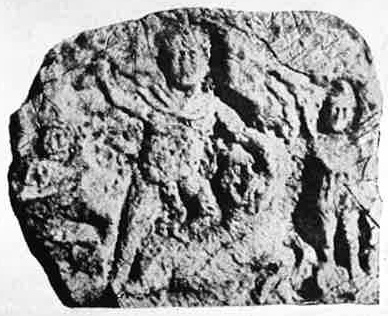
Rough relief from Gaganica, Thracia, depicting Mithras as bull-slayer in an unusual frontal attitude, wearing only a shoulder-cape and holding the dagger upwards; with dog, serpent, scorpion, and a non-cross-legged Cautes.
Limestone altar from Tropaeum Traiani, Moesia Inferior, dedicated in honour of the Domus Divina to Soli invicto sacrum by Quintus Lucilius Piscinus, centurion of Legio I Italica.
Altar from Kokardscha near Adam Klissi, ancient Tropaeum Traiani in Moesia Inferior, dedicated to Deo invicto for the welfare of Emperor Marcus Antoninus Verus by Annius Saturninus, centurion of Legio XI Claudia.

Sandstone tauroctony relief with pediment from the Mithraeum at Tirgușor, Moesia Inferior, depicting the bull-slaying with two cross-legged torchbearers both holding their torches upraised and Sol and Luna busts in the upper corners; no dog or scorpion.
Small Mithraic sanctuary discovered in 1958 in the grotto called Adam near Tirgușor, Moesia Inferior, about 30 km from Constanța; the monuments are remarkable for their Greek inscriptions.
Yellowish marble tauroctony relief from Acbunar, Moesia Inferior, depicting Mithras killing a bull described as unusually buffalo-like; the god looks back at the raven on the grotto's border.
Archaeological context at Acbunar (Mircea Vodă) near Troesmis, Moesia Inferior, where twelve marble pieces, pottery, lamps, and a coin were found 30 metres from a Roman building, suggesting the presence of a Mithraeum.
Limestone altar from the Territorium Troesmense, Moesia Inferior, dedicated to Invicto Mithrae sacrum by Lucius Valerius Fuscus, centurion of a legion.
Limestone altar fragment from the apsidal construction at Ulmetum, Moesia Inferior, bearing a partially preserved inscription mentioning fonte dei — the spring of the god; the Mithraic attribution is uncertain.
Limestone altar from Oescus, Moesia Inferior, dedicated to Deo invicto by Tettius Plotus, veteran of Legio IIII Flavia Fidelis and pater sacrorum — one of the clearest grade attributions from Moesia Inferior.
Large marble altar from Ghighen, ancient Oescus in Moesia Inferior, dedicated to Deo invicto Mithrae by Marcus Titius Maximus, duumviralis of the Colonia, with Aelianus as scribe.
