Your search San Valentino in Abruzzo Citeriore gave 587 results.

Sandstone shell from Mithraeum III at Carnuntum, Pannonia Superior, probably mounted on a base and serving as a cult water basin.
Triple-part sanctuary at Saalburg whose Mithraic interpretation remains uncertain despite serpent-vases and possible Aion fragments.
Relief in red sandstone originally standing on a base in Mithraeum I at Heddernheim, ancient Nida, featuring the bull-slaying scene.

Italica was an ancient Roman city in Hispania; its site is close to the town of Santiponce in the province of Seville, Spain.
Carsulae was a Roman municipium in the region of Umbria, now preserved as an archaeological site, about 4 km north of the small town of San Gemini. Its foundation dates back to 220 BC with the construction of the Via Flaminia.
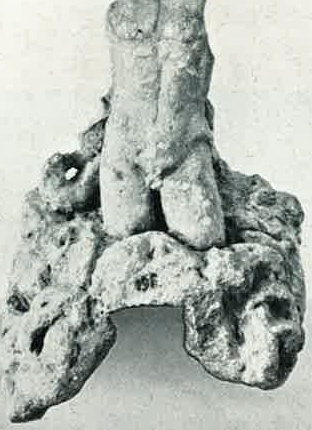
Sandstone petrogenesis from Petronell-Carnuntum (Lower Austria), depicting Mithras emerging from the rock, preserved from the knees upwards.
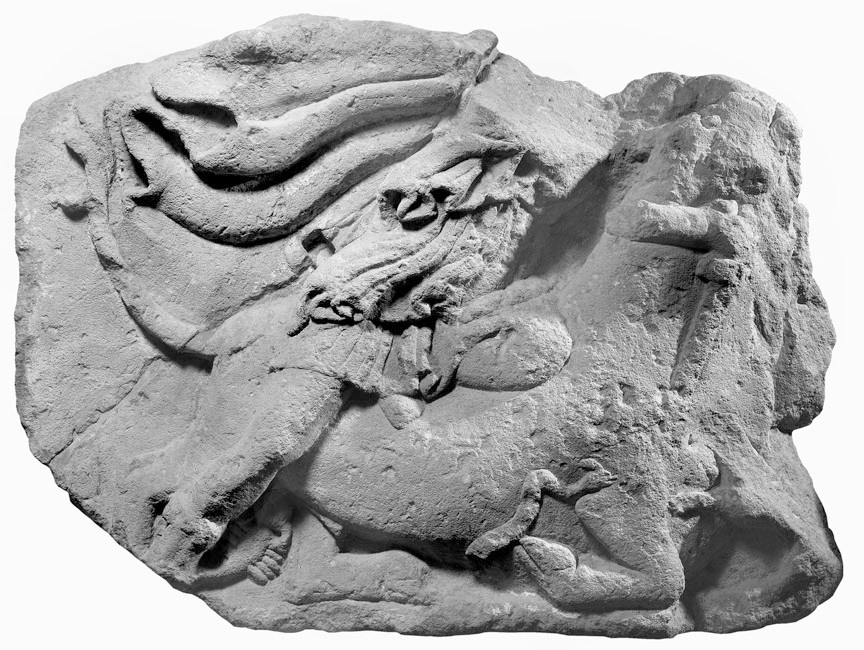
Sandstone relief of Mithras killing the bull, broken in two parts and partly restored, with dog, serpent and scorpion preserved; formerly in Vienna, now on loan to the Museum Carnuntinum.
A fragmentary red sandstone relief preserves the upper part of three-headed Hekate holding a long object in her left hand.
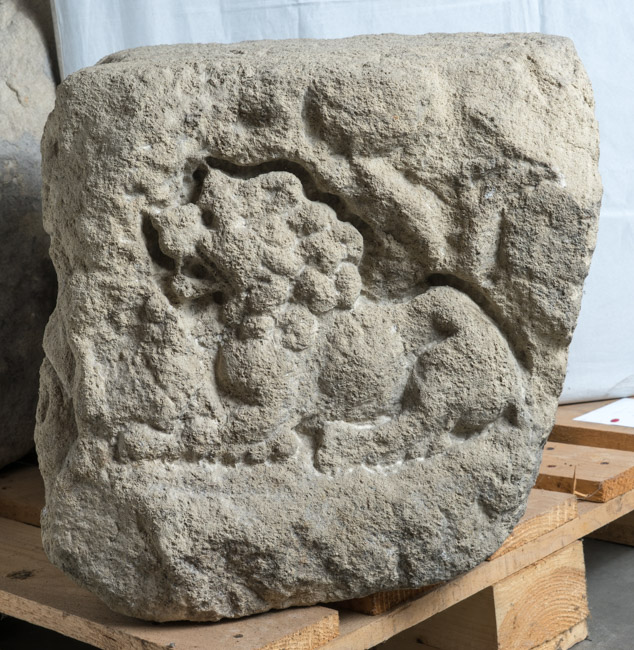
Sandstone base carved on two sides, with a head of Medusa framed by acanthus leaves and a reclining lion holding a head between its forelegs.
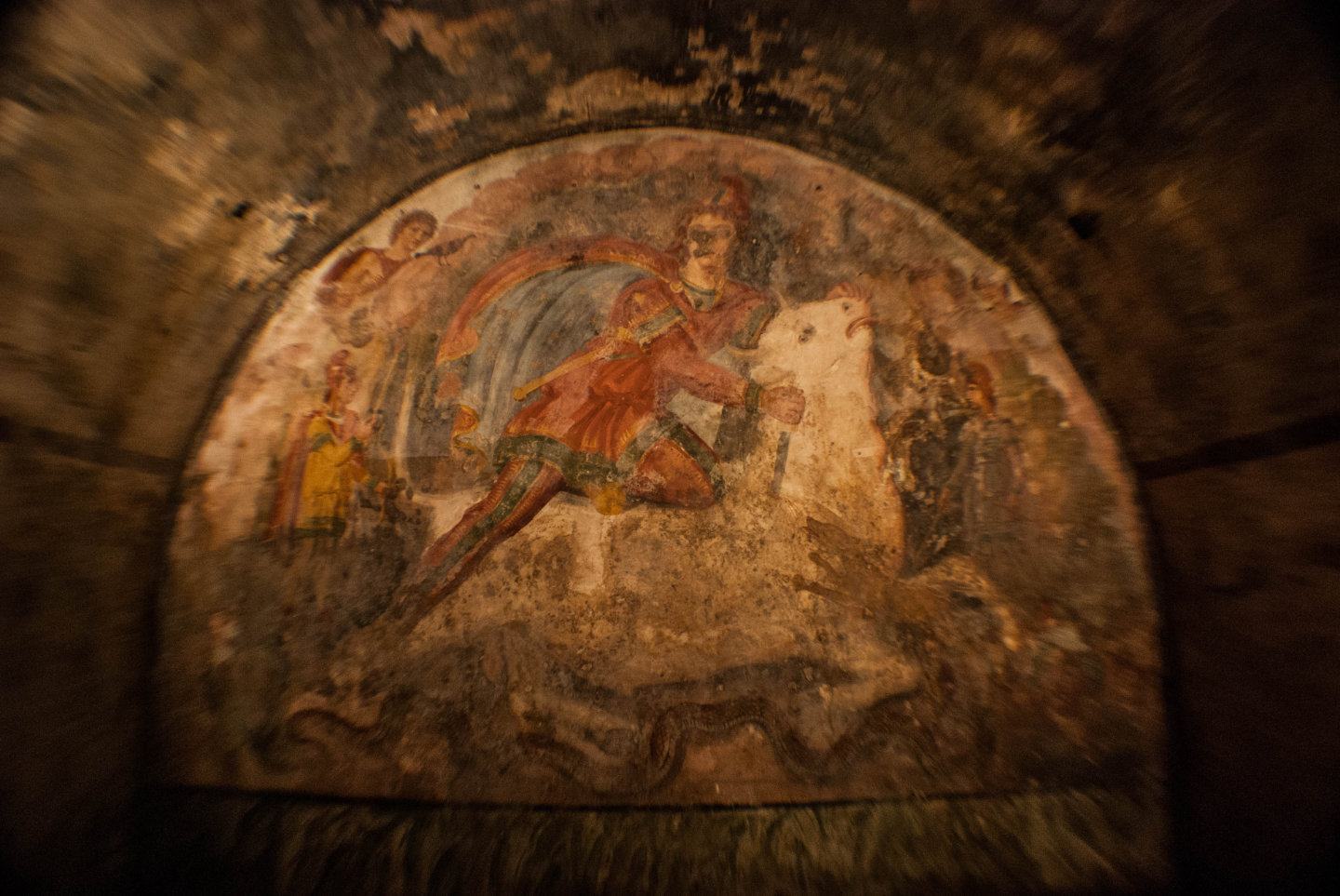
This article revisits the Mithraeum of S. Maria Capua Vetere, one of the most complete and artistically refined Mithraic sanctuaries in the Campanian region, situating it within its archaeological, iconographic, and ritual-historical contexts.
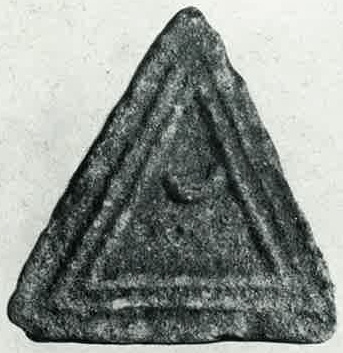
Triangular relief in yellow sandstone showing a crescent in relief.
Red sandstone altar from Stockstadt, featuring a square cavity in the front that contained a fragment of crystal and a small lamp.
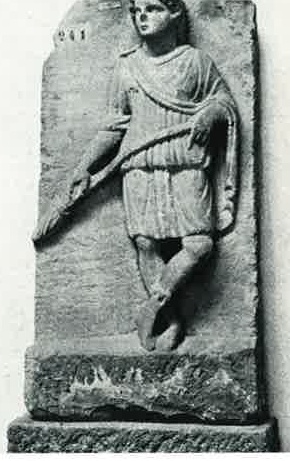
Sandstone base from Vetera (Xanten), Germania Inferior, with a relief of Cautes in Oriental dress holding a long burning torch.
Sandstone relief depicting the god Aion, standing with wings, a staff and a key, accompanied by a lion and a serpent-entwined vessel.
Sandstone statue of Cautopates holding two downward-pointing torches, from the Ober-Florstadt Mithraeum.
Fragmentary sandstone relief from Rückingen showing a male figure walking right and holding a kantharos. Traces on the chest may indicate a torques or shoulder-cape.
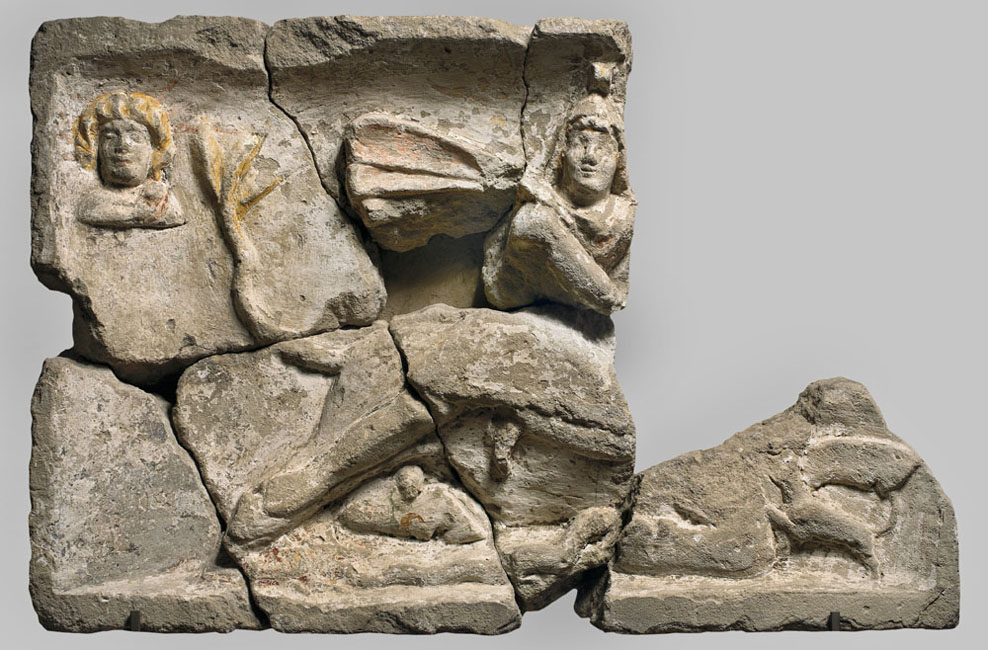
Sandstone relief of Mithras as bull-slayer, found at Petronell in 1932, with dog, serpent and scorpion, traces of polychromy preserved, now in the Museum Carnuntinum.
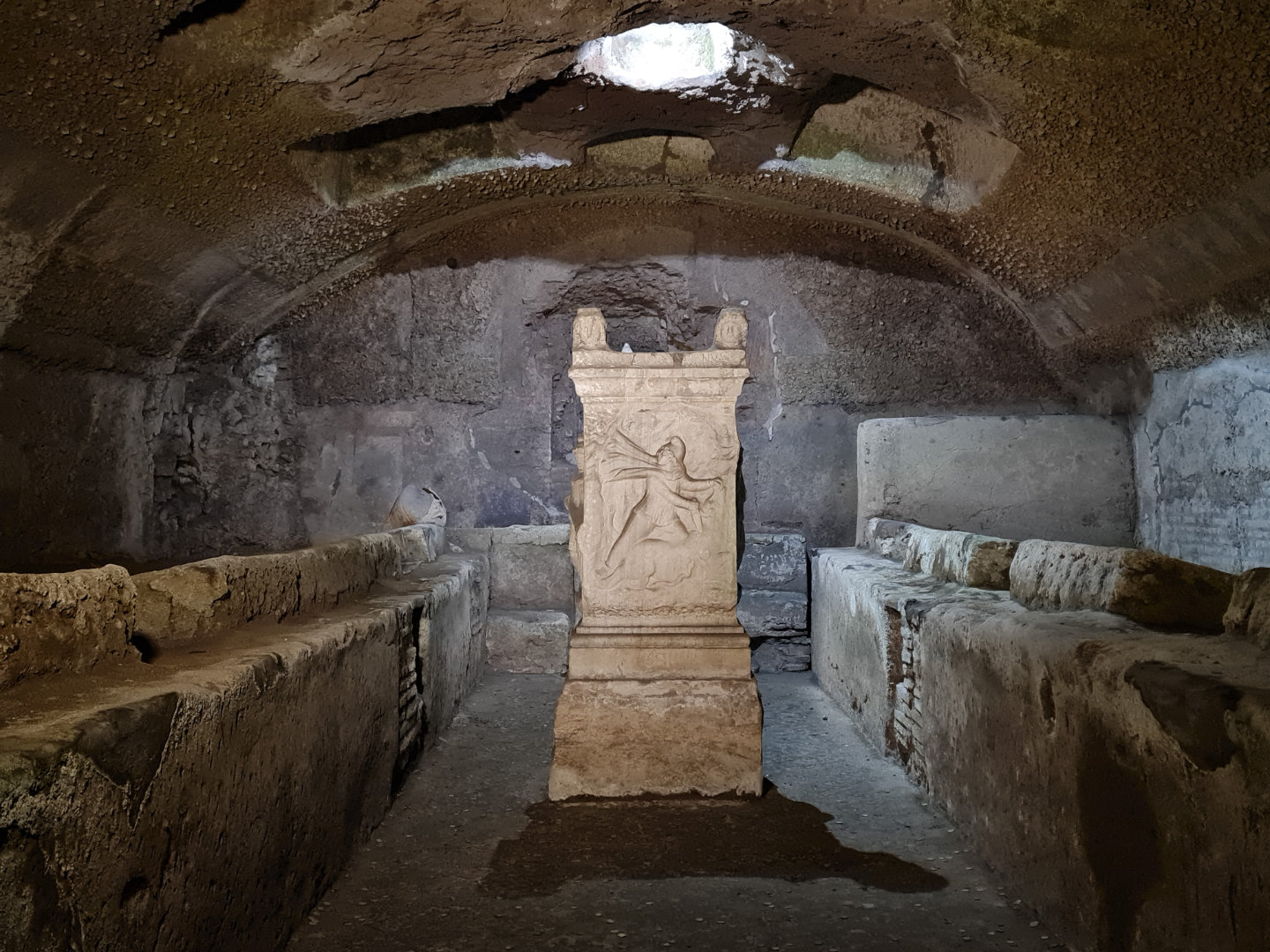
The Mithraeum under the Basilica of San Clemente made part of a notable Roman house.
This cylindrical marble altar was dedicated by the same Pater Proficentius as the slab, both monuments found in the Mithraeum beneath the Basilica of San Lorenzo.

For the launch of our YouTube channel, we chat with the author, poet, essayist and friend Peter Mark Adams about the Sola-Busca tarot, a Renaissance masterpiece, uncovering ties to the Mithras cult.
