Your search Sankt Johann im Pongau gave 1046 results.
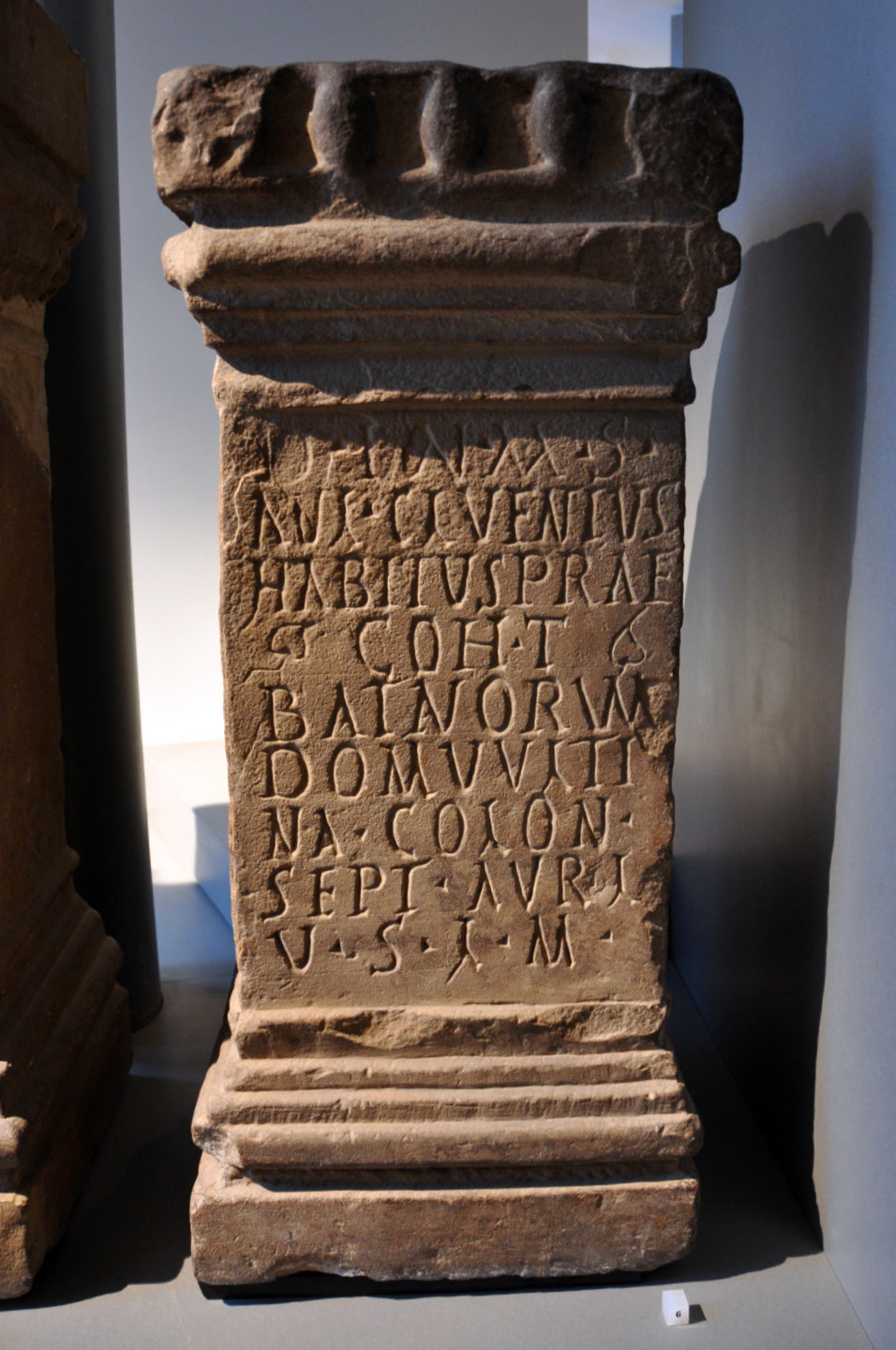
One of the three altars to Mithras found at the Mithraeum of Carrawburgh fort.
.jpg)
This limestone statue of Cautes is now exposed at Great North Museum of Newcastle.
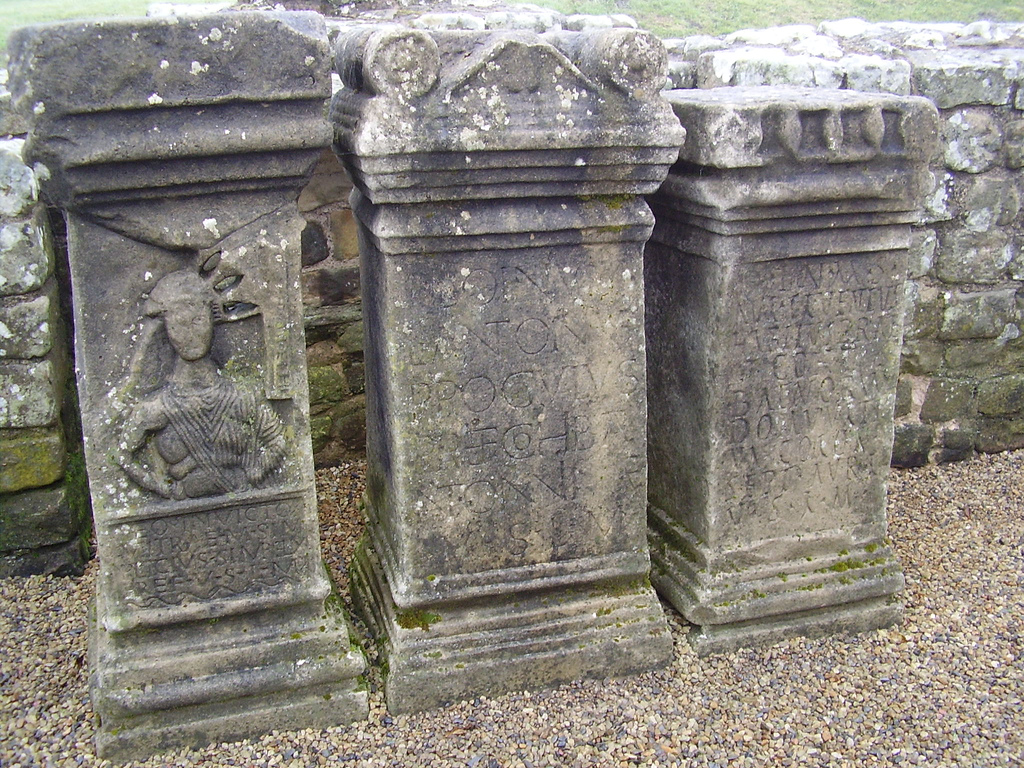
One of the altars from the Carrawburgh Mithraeum depicts the bust of Mithras or Sol.

Limestone keystone dedicated to the invincible Sun by Peticius Pastor and preserved at Lepcis Magna.
Limestone stele recording endowments for the feast of the Mithrakana by Antipater and his son Gaios, found at Amorium (modern Hisarköy), Phrygia.
Limestone tauroctony relief from Virovsko near Vratsa, Thracia, depicting Mithras killing the bull with dog and raven, flanked by torchbearers, with Sol and Luna busts in the upper corners.
Limestone altar from Tropaeum Traiani, Moesia Inferior, dedicated in honour of the Domus Divina to Soli invicto sacrum by Quintus Lucilius Piscinus, centurion of Legio I Italica.

Sandstone tauroctony relief with pediment from the Mithraeum at Tirgușor, Moesia Inferior, depicting the bull-slaying with two cross-legged torchbearers both holding their torches upraised and Sol and Luna busts in the upper corners; no dog or scorpion.
Inscription from Constanța, ancient Tomis in Moesia Inferior, recording a dedication to Deo Soli for the welfare and victory of Emperors Diocletian and Maximianus invicti Augusti; a significant tetrarchic dedication from this region.
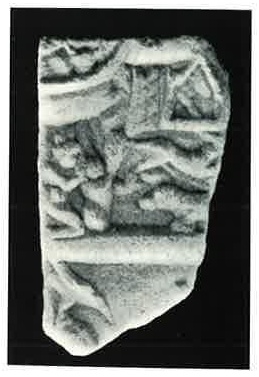
Two fragments of a yellowish marble tauroctony from Acbunar, Moesia Inferior, divided into three registers by two horizontal rims; the upper registers carry subsidiary Mithraic scenes.
Limestone altar from the Territorium Troesmense, Moesia Inferior, dedicated to Invicto Mithrae sacrum by Lucius Valerius Fuscus, centurion of a legion.
Rough limestone tauroctony relief probably from Troesmis, Moesia Inferior, depicting the standard bull-slaying with the greater part of the bull's head lost.
Limestone tauroctony relief from Iglița, ancient Troesmis in Moesia Inferior, found in 1882, depicting the standard bull-slaying with serpent, scorpion, and a partial dog; the raven is lost.
Inscription from Ulmetum, Moesia Inferior, preserving only the opening of a dedication to Deo bono invicto.
Damaged limestone tauroctony relief fragment from near Utum, Moesia Inferior, of disputed exact provenance — either Utum or Chemlievo — depicting part of the standard bull-slaying scene.
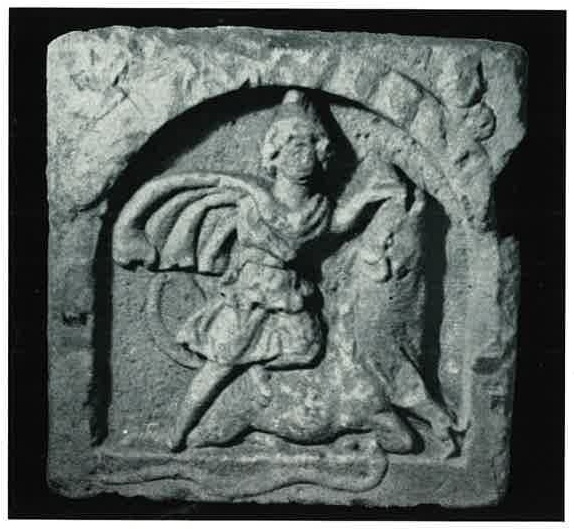
Limestone tauroctony relief from Bechli, 8 km from Ghighen, ancient Oescus in Moesia Inferior, depicting the standard bull-slaying scene in a grotto.
Limestone altar from Oescus, Moesia Inferior, dedicated to Deo invicto by Tettius Plotus, veteran of Legio IIII Flavia Fidelis and pater sacrorum — one of the clearest grade attributions from Moesia Inferior.
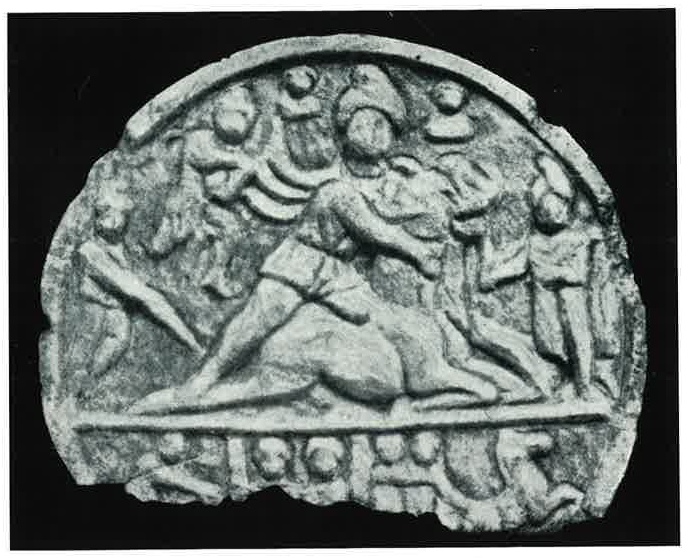
Small circular marble tauroctony relief from Kadine-Most in the Küstendil district, Moesia Superior, divided into two parts by a horizontal rim, with the bull-slaying in the upper and a figure or inscription in the lower.
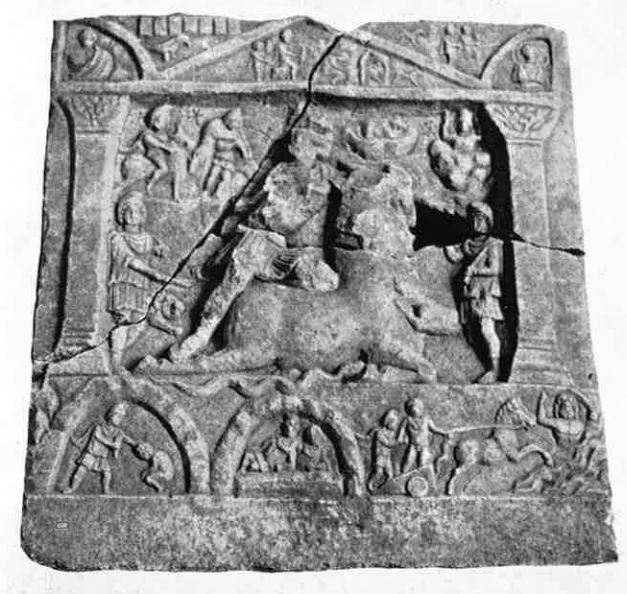
Large marble tauroctony relief from near Tavalicavo, Moesia Superior, with the shape of a temple façade: two columns supporting a pediment, the capital decorated with a head of Medusa, and the tauroctony in the central field.
Upper portion of a limestone altar from Kule-Mahata, ancient Almus in Moesia Superior, dedicated to the invictus — possibly but not certainly Mithras — by Caius Plotius Maro for himself and his family.
