Your search Sidi Ali Belkacem (سيدي علي بلقاسم) gave 1194 results.

As this short inscription indicates, Aemilio Epaphorodito was both Pater and priest of the Mithraeum of the Seven Spheres.
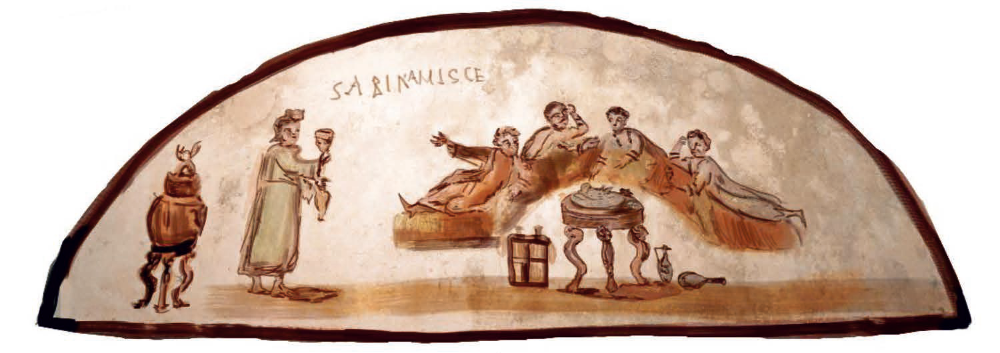
A dinner scene with Sabina from the Catacombe dei Santi Marcellino e Pietro, near Rome, may have been commissioned by a follower of Mithras.
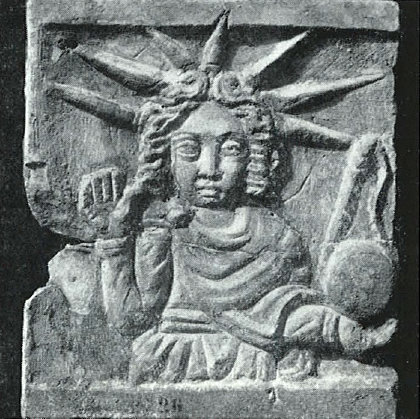
The relief of Sol was found during the construction of Piazza Dante in Rome in 1874.
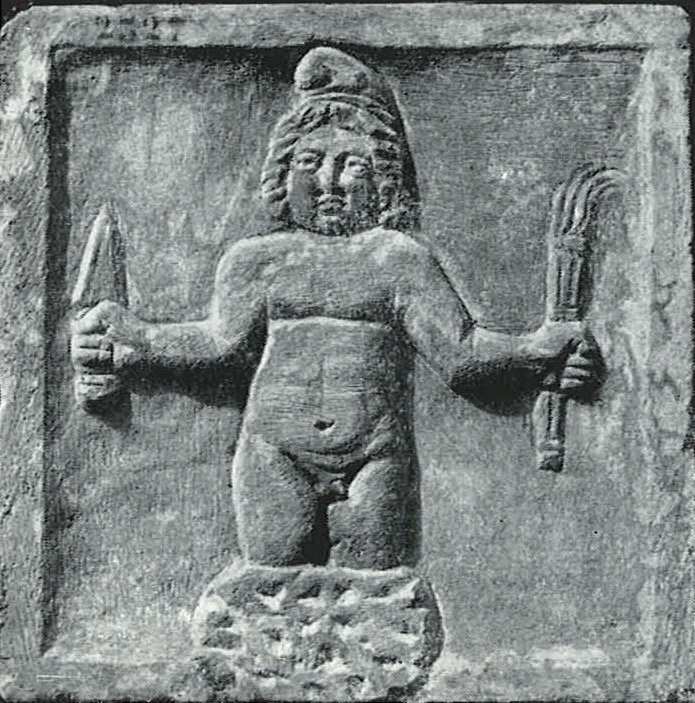
The relief of Mithras being born from the rock of the Esquiline shows the young god naked, as usual, with a torch and a dagger in his hands.
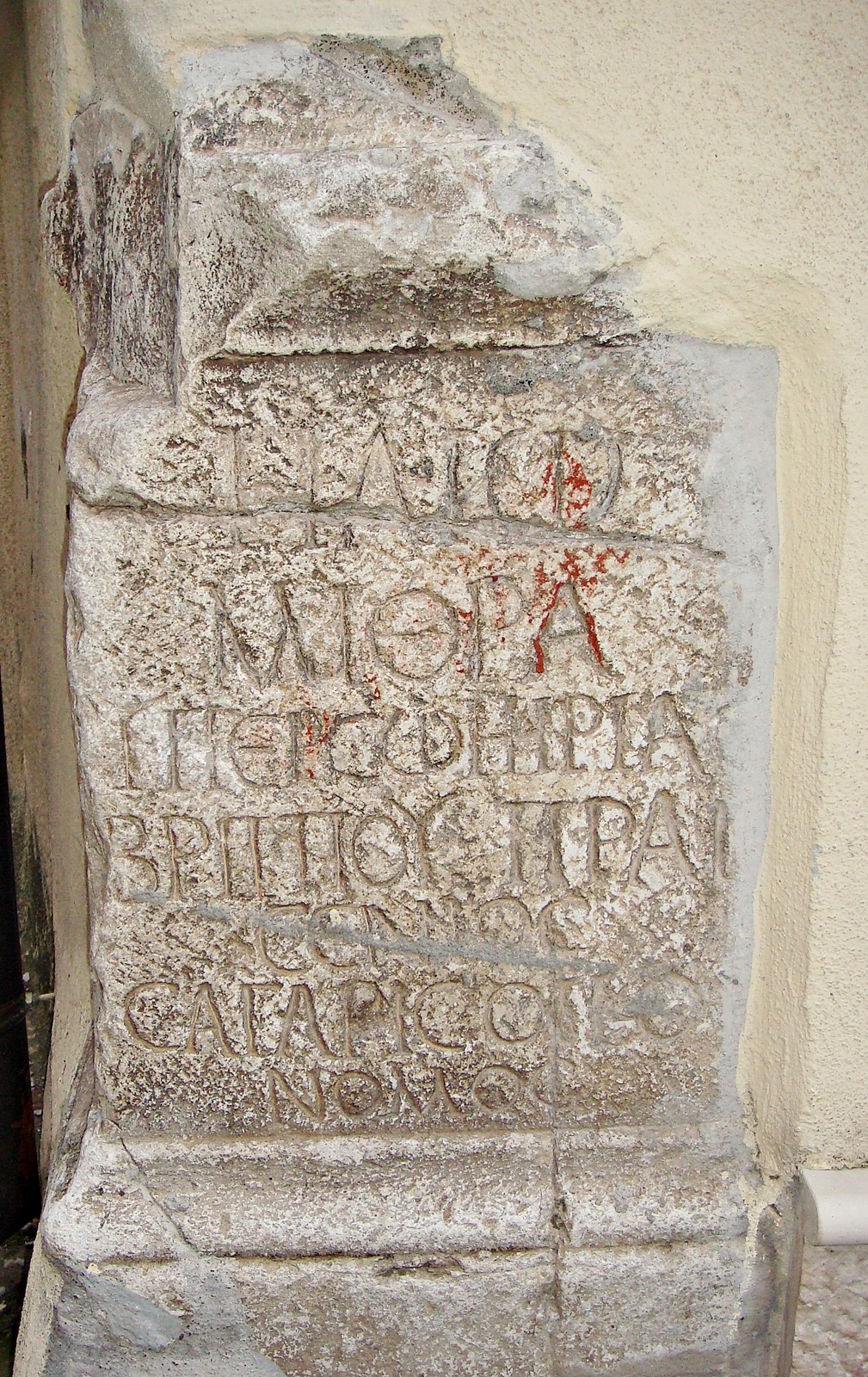
This altar dedicated to Helios Mithras by a certain Sagaris was repurposed in the masonry of Palazzo Bagnoli, Venosa, Italy.
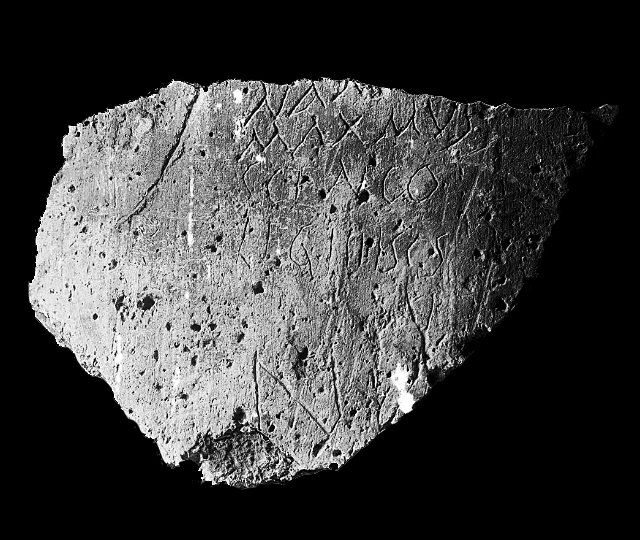
A certain Maximus from the Legio IV Scythica engraved his name in one of the columns of the Mithraeum of Dura Europos.
Solis invicti Mithrae studiosus astrologiae who was at the same time ’caelo devotus et astris’.
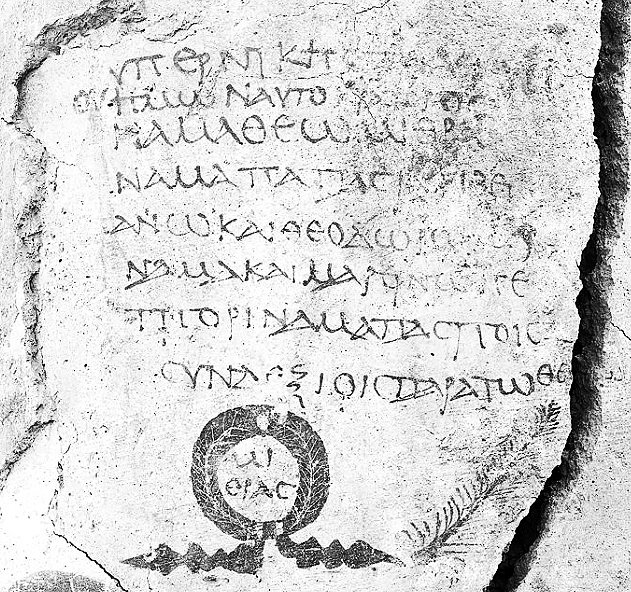
The inscription pays homage to the emperor, probably Caracalla, to Mithras, the fathers, the petitor and the syndexioi.
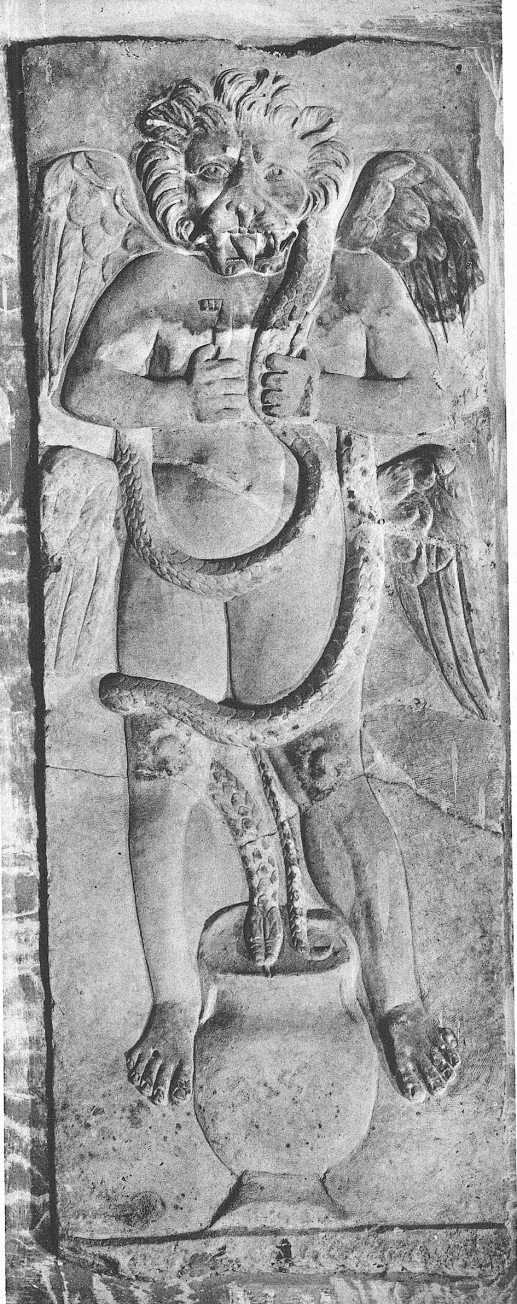
This white marble relief depicting a lion-headed figure from Ostia is now exposed at the Musei Vaticani.
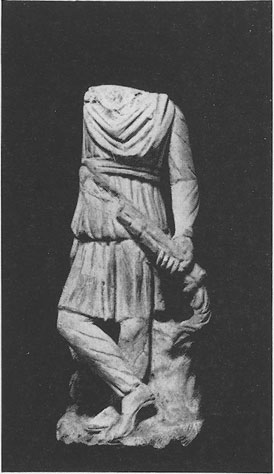
White marble statue of Cautopates with crossed legs, accompanied by an owl beside a tree trunk.
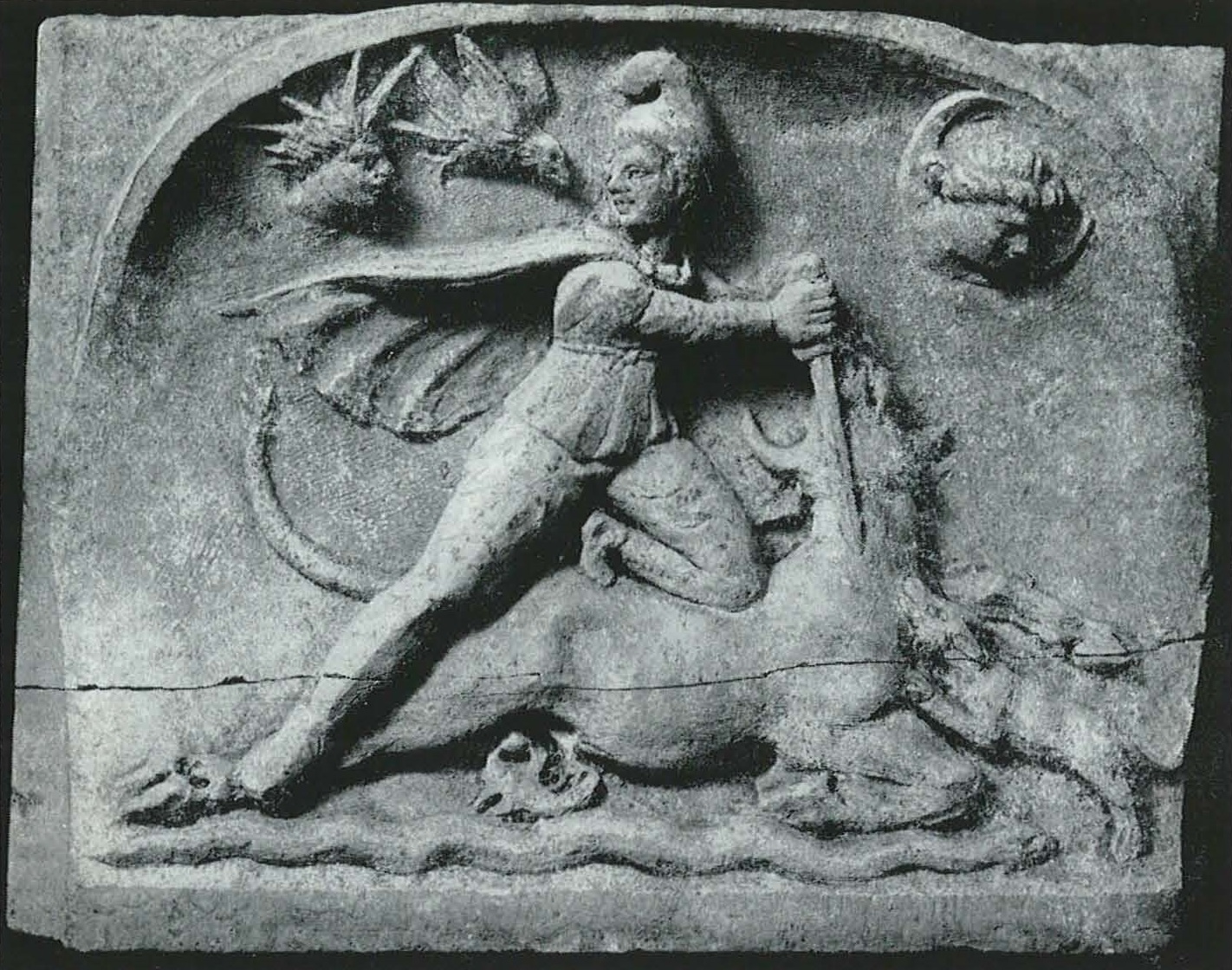
This simple relief of Mithras killing the bull without his companions Cautes and Cautopates was found in the so-called Mithraeum of the Esquilino, Rome.


This bronze arm, with stars and a swastika, was once thought to be part of a Mithras statuette but has since been dismissed as unrelated to the Mithras cult.

White marble statue of Mithras killing the sacred bull preserved in the Museo Nacional Romano.

Partial relief of a Giant with snake-feet found in the Mithraeum of Santa Prisca.
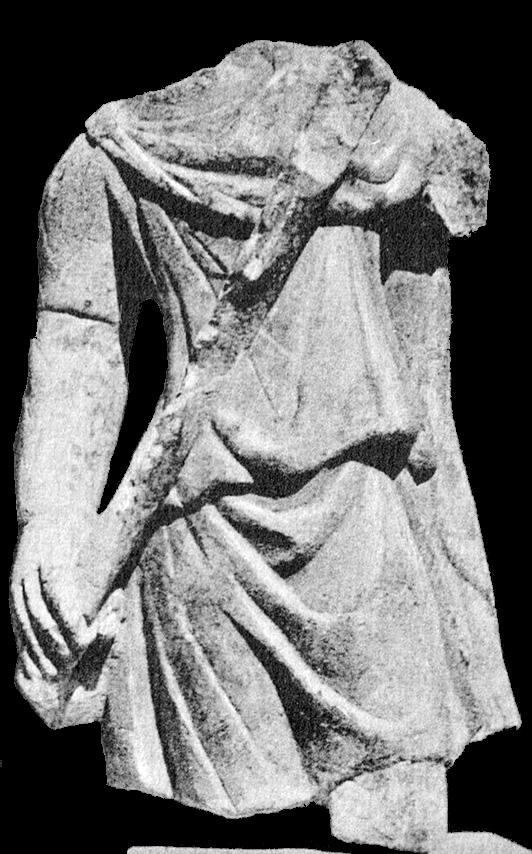
Marble statue of Cautes, found at Ostia. The head, one arm and the legs are missing. The figure wears a short tunic and raises the torch in the canonical upward gesture.
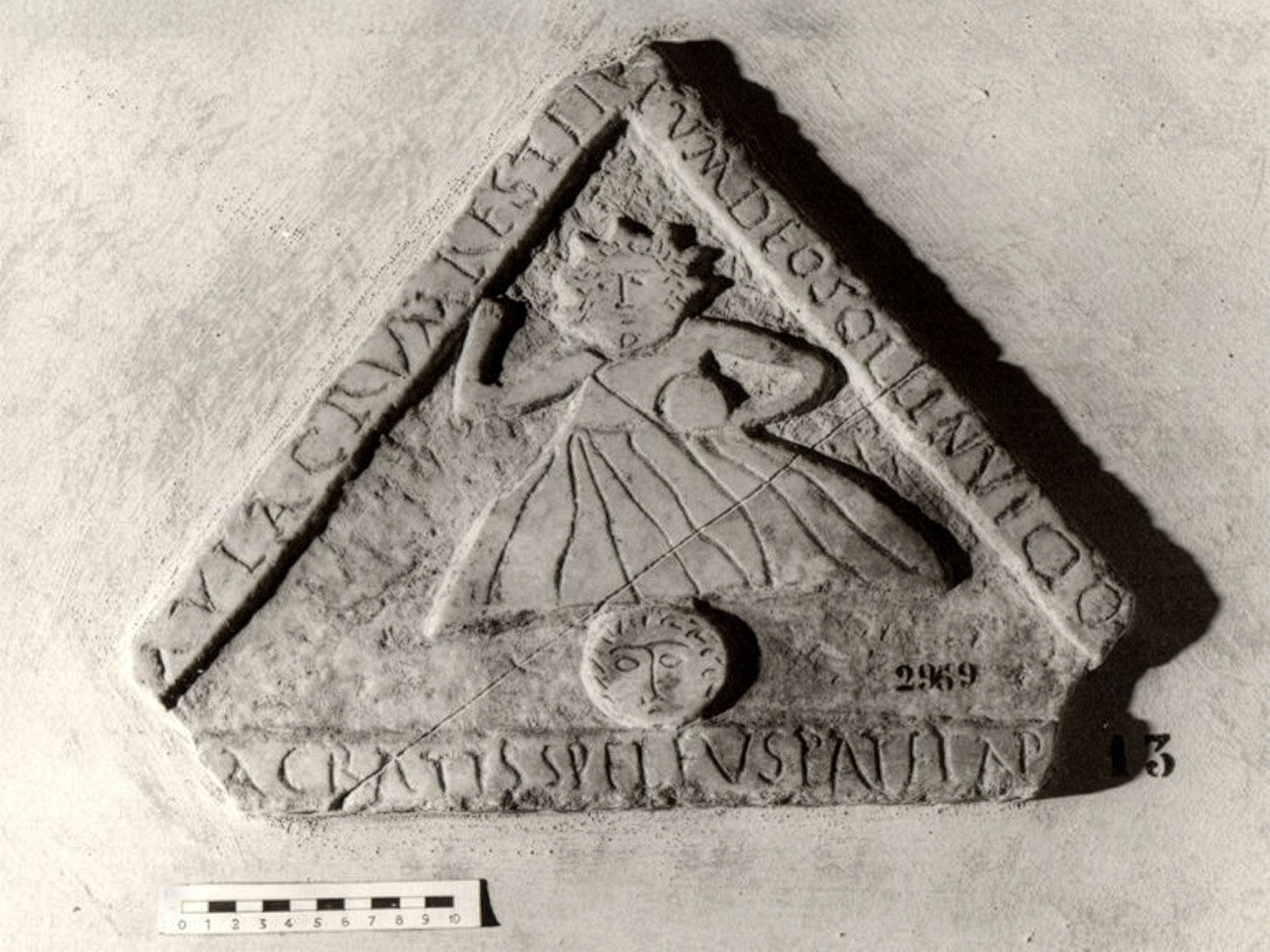
Small triangular slab bearing a Latin inscription referring to Sol Invictus and to a sacred cave, probably dating to the 4th century AD.
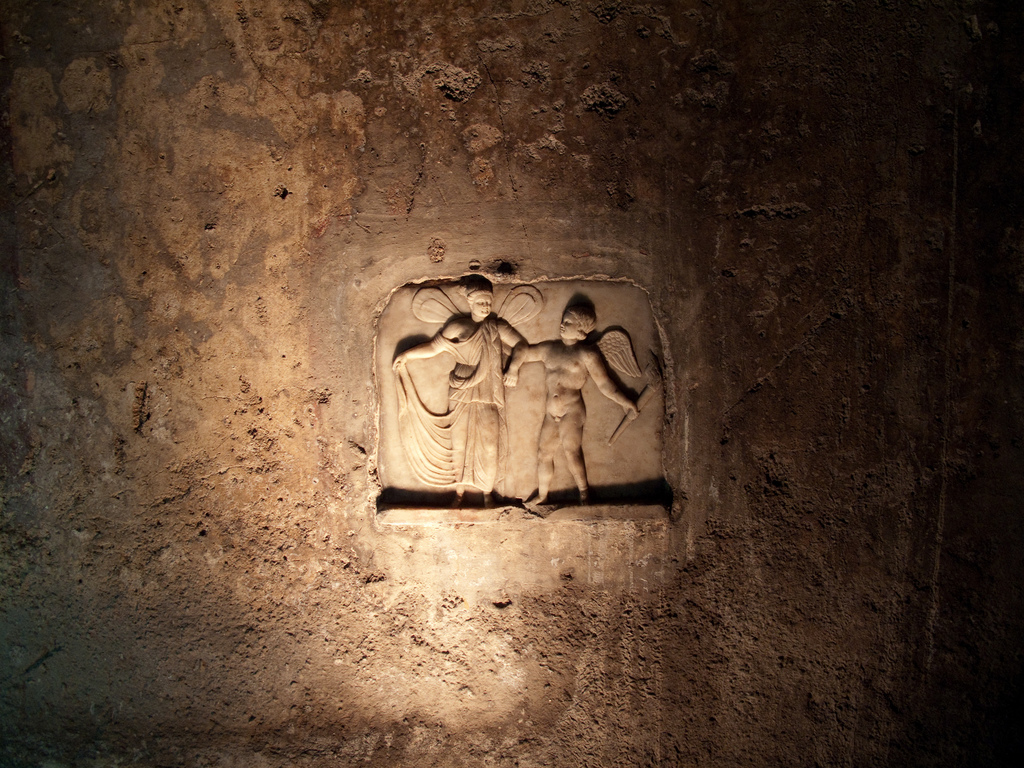
The Mithraeum of Santa Maria Capua Vetere includes a marble relief depicting a child Eros guiding Psyche through the dark.

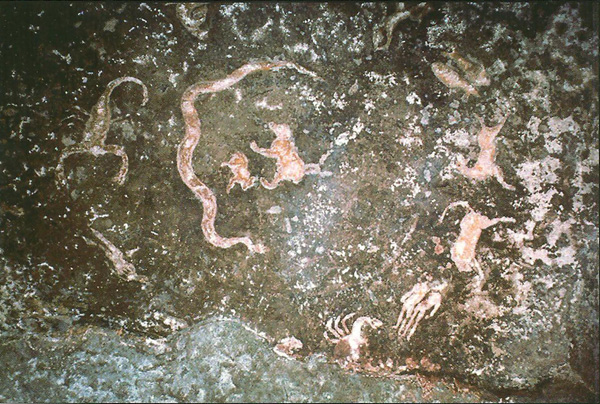
The importance of the Mithraeum of Marino lies in its frescoes, the most significant of which is that of Mithras slaying the bull, surrounded by mythological scenes.
