Your search Soriano nel Cimino gave 119 results.
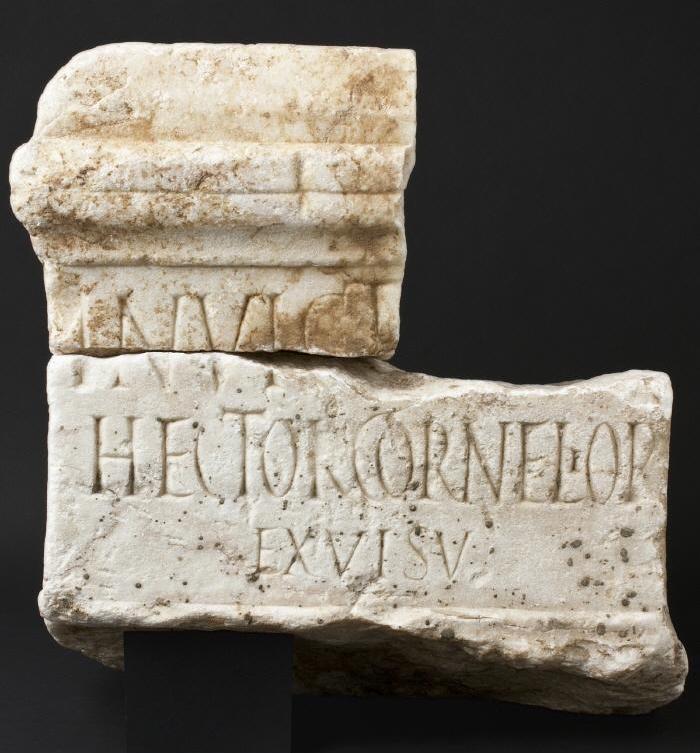
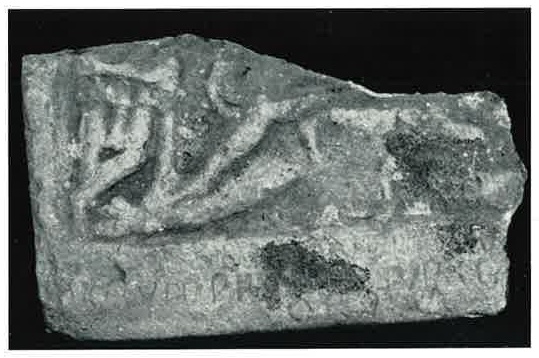
This fragmented altar was found in two pieces that Ana Osorio Calvo has recently brought together.


White carnelian with red stripes, reportedly acquired at Epidaurum, depicting what may be Mithras as bull-slayer before a burning altar surmounted by a crescent and a nine-rayed star.

Yellow lenticular carnelian gem probably from Aquileia, now in Udine, depicting a Mithraic scene nearly identical to the Florence jasper.
Altar from Durostorum, Moesia Inferior, dedicated to Invicto Mithrae by Cornelius Faustus, centurion of Legio XI Claudia.
Small bronze statuette in Phrygian cap from Catunele de Motru, Dacia, possibly a torchbearer; the Mithraic attribution is not certain as no torch survives.
Inscription from Sarmizegetusa, Dacia, dedicated to Soli invicto Mithrae by Cornelius Cornelianus ex voto.
Altar from Salona, Dalmatia, found in 1884, dedicated by Sextus Cornelius Antiochus to Soli deo, who donated both a star and a fructifera — interpreted as Sol and Luna — following a vision.
Altar from Aquincum, Pannonia Inferior, dedicated to Soli invicto deo for the welfare of Cornelius Fructus by Aurelius Crispus.
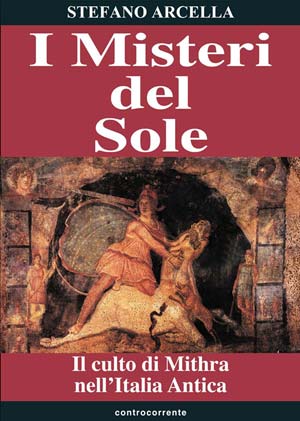
A study of Roman Mithraism that combines historical evidence with a symbol-centred interpretive approach, exploring Mithraic iconography, ritual experience, and the cult’s encounter with Christianity in the Late Empire.

Aphrodisius, probably of Greek origin, must have been a slave of the Cornelii.

A funerary cippus, dated to the 2nd–3rd century, commemorating Publius Anthius Logus, pater sacrorum, and erected by Cornelia, daughter of Lucius, found at Sextantio near modern Montpellier in Narbonensis.

Mithraeum III found in the west part of Petronell near Hintausried in August 1894 by J. Dell and C. Tragau.
Fragment of a marble tauroctony relief found between Sinitovo and Tatar-Bazardjik, Thracia, preserving only the upper portion with the busts of Sol and Luna; the Greek inscription in the border names the dedicant.
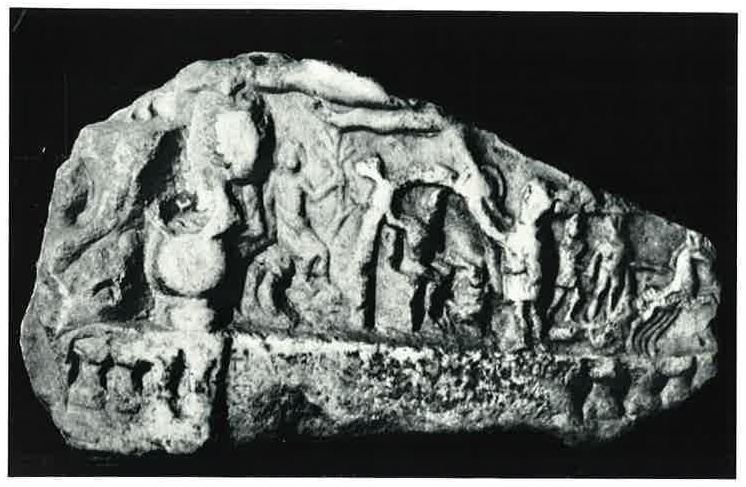
Lower part of a marble tauroctony relief from Sinitovo, Thracia, found walled into a well, depicting the lower portion of the bull-slaying scene; the Greek inscription in the lower border records a thanksgiving to Helios Mithras invictos.
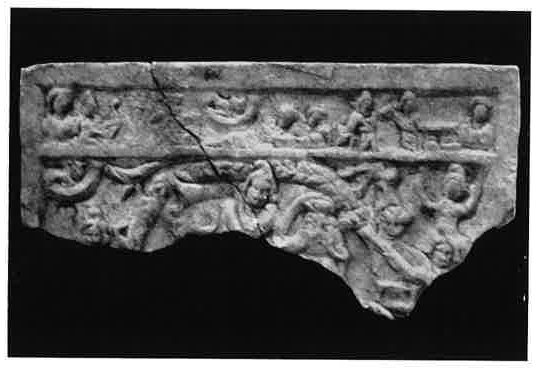
Upper portion of a yellowish marble tauroctony in two fragments from Acbunar, Moesia Inferior, preserving the divine busts of Sol and Luna in the upper register.
Marble relief from Mithraeum II at Ptuj, ancient Poetovio, preserving the lower part of the tauroctony with a bull in full extension, the scorpion, and a serpent with upraised head, together with Cautopates behind the bull.

Carnuntum was a Roman legionary fortress and headquarters of the Pannonian fleet from 50 AD. After the 1st century, it was capital of the Pannonia Superior province. It also became a large city of 50,000 inhabitants.
