Your search Spittal an der Drau gave 1495 results.

Three marble parts from the Mithraeum at Sarmizegetusa, Dacia, preserving part of Mithras's shoulders and the bull's tail ending in corn-ears.
Marble fragment of a border from the Mithraeum at Sarmizegetusa, Dacia, with the fragment of a small altar visible.
Marble fragment from the Mithraeum at Sarmizegetusa, Dacia, preserving a head of Mithras in Phrygian cap; a small elevation at the side may be the shoulder of a torchbearer.
White marble relief fragment from the Mithraeum at Sarmizegetusa, Dacia, preserving part of an arched border below which a head in Phrygian cap, possibly Mithras, above a small building.
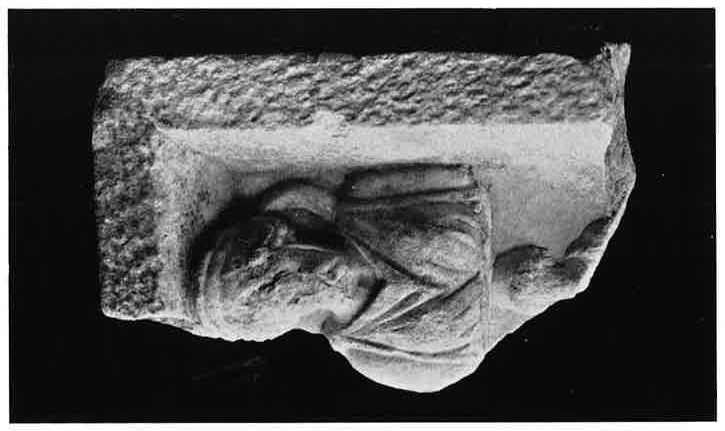
Right upper corner of a white marble bordered tauroctony relief from Salona or its surroundings, Dalmatia, with framing elements and part of the bull-slaying iconography.
Marble relief fragment from Mithraeum II at Ptuj, ancient Poetovio, preserving the raven perched on the grotto's border with only two rays of Sol visible above.
Square bronze plate from Mithraeum III at Heddernheim, ancient Nida, probably a cult tessera bearing barely legible engraved letters
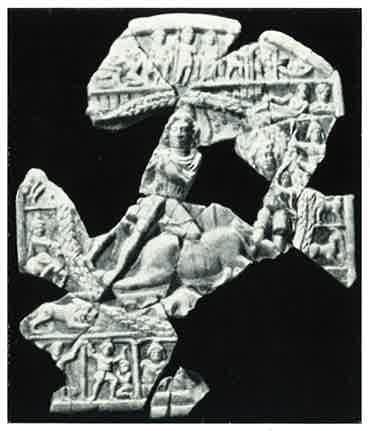
Fragments of a white marble arched tauroctony from Mithraeum III at Heddernheim, ancient Nida, showing Mithras killing the bull in a leaf wreath
Two sandstone altars with voluted tops from Mithraeum III at Heddernheim, ancient Nida, possibly used to support a partition bar across the cult niche
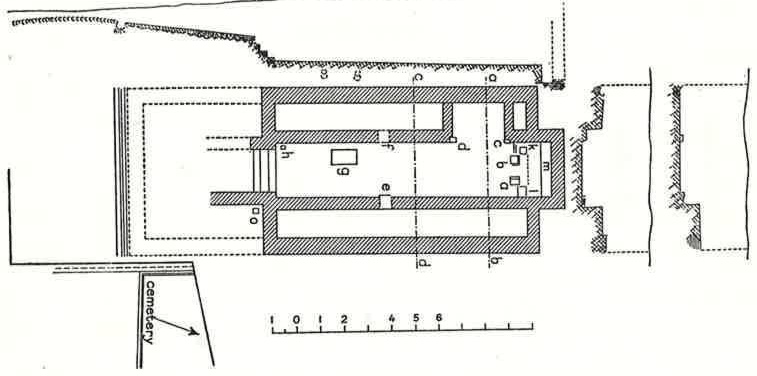
Third Mithraic sanctuary found north-west of the cemetery at Heddernheim, ancient Nida, in 1887 and fully excavated by G. Wolff in 1890
Two sandstone reliefs from Vibbel, found in a pit at Heddernheim, ancient Nida, in 1884, probably lost during the Second World War
Votive sandstone altar from Mithraeum I at Heddernheim, ancient Nida, dedicated by Caius Lollius Crispus, centurion of Cohors XXXII Voluntariorum
Unusual hexagonal sandstone altar from Mithraeum I at Heddernheim, ancient Nida, with six decorated sides of cult significance
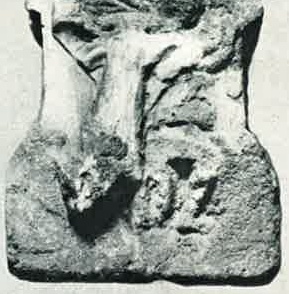
Small sandstone altar from Mithraeum I at Heddernheim, ancient Nida, bearing a snake and cult imagery consistent with Mithraic worship
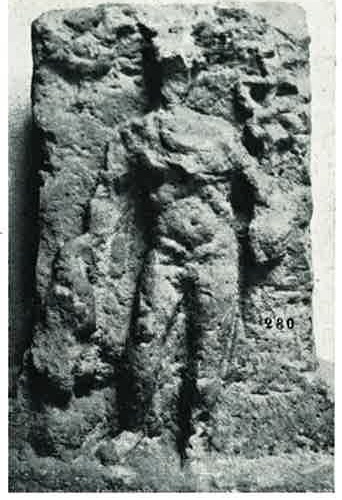
Weathered sandstone relief from Mithraeum I at Heddernheim, ancient Nida, showing a standing Mercury whose body is covered by a shoulder cape
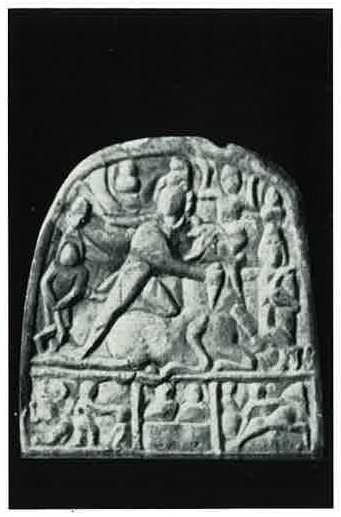
Small tauroctony relief in white marble, preserved in five fragments, from Mithraeum I at Heddernheim, ancient Nida

The lion-headed statue of Hedderneheim is a reconstruction from fragments of two different sculptures.
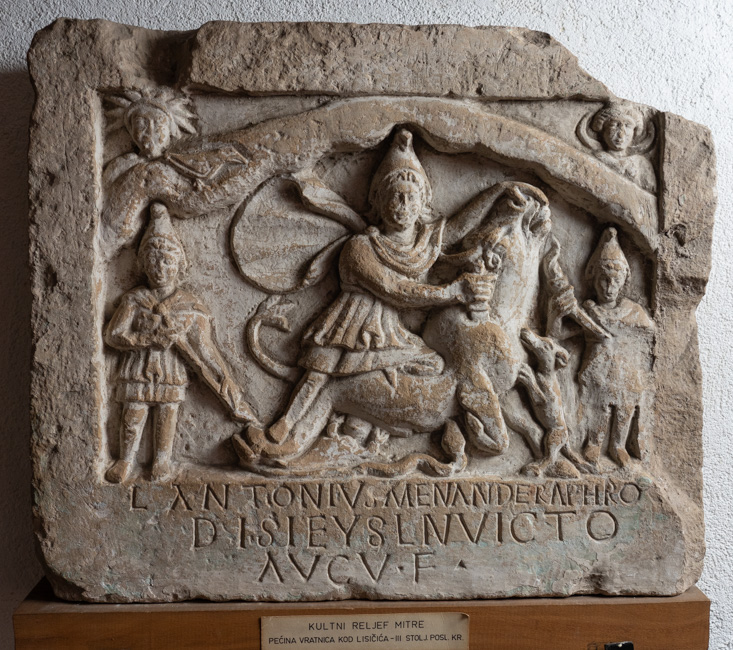
This relief of Mithras as a bullkiller found at Vratnitsa, near Lisicici in northern Macedonia, was signed by a certain Menander Aphrodisieus.
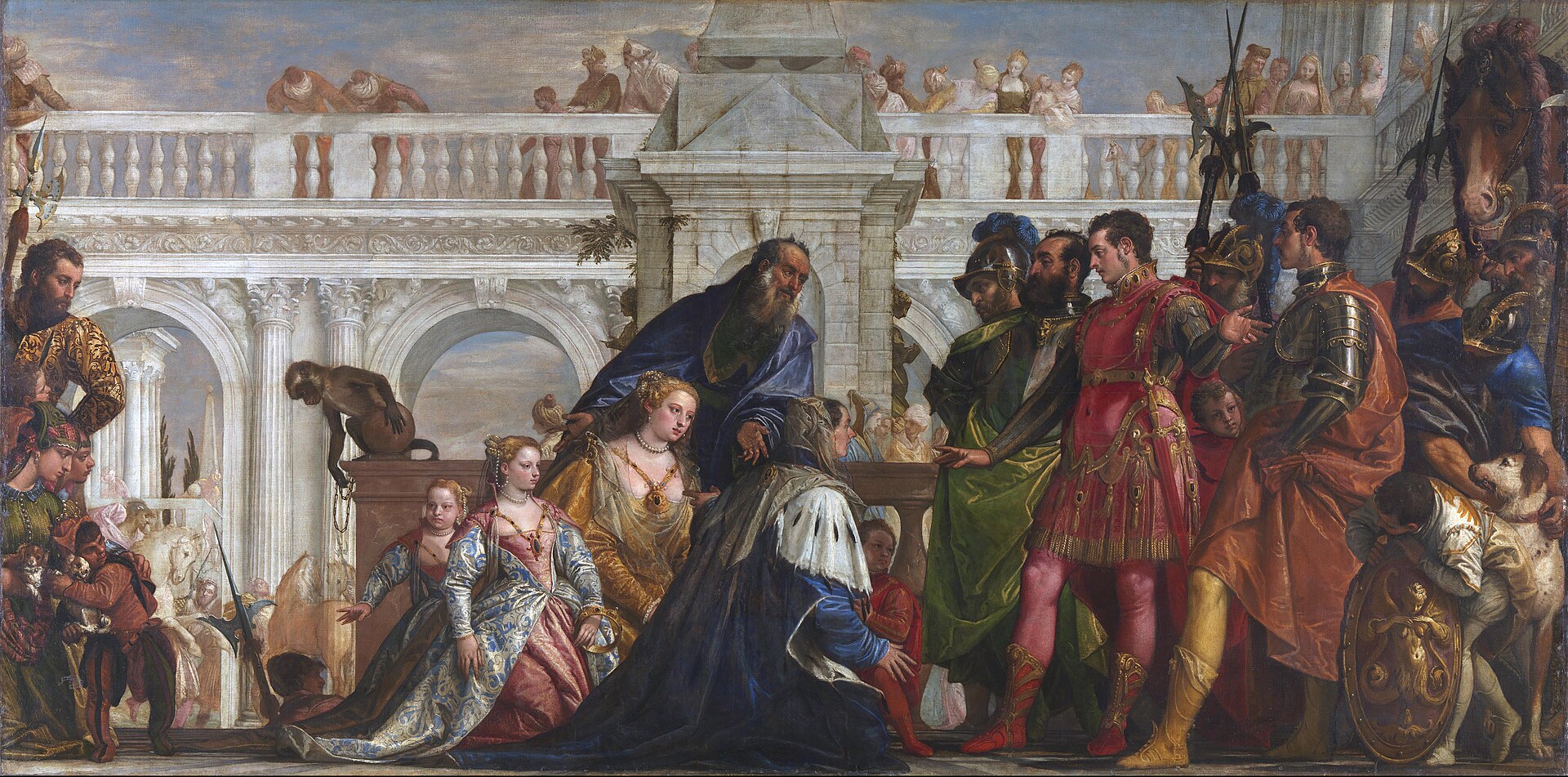
Late antique legendary biography of Alexander the Great (c. AD 300), where history, myth, and imperial ideology merge around figures of divine kingship and solar power.

In Plutarch’s Life of Alexander, the grieving Darius binds the eunuch Tireus by the light of Mithras to reveal the truth about his captive wife Statira, a solemn appeal that leads to unexpected praise for Alexander’s honor and restraint.
