Your search Stockstadt am Main gave 1175 results.
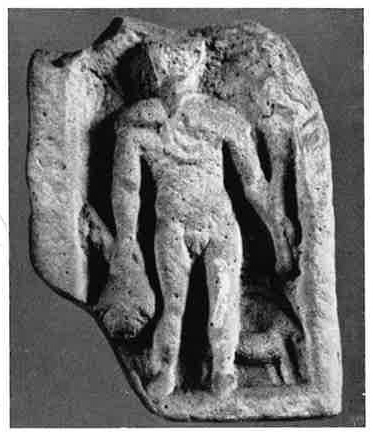
Sandstone relief from the Mithraeum at Gimmeldingen depicting a standing Mercury with caduceus and purse, accompanied by a ram and a cock; the head and upper caduceus are damaged.

Lance point, key, bronze lamp, and pottery and brick fragments from the Mithraeum at Neuenheim
Miscellaneous objects from the Rückingen Mithraeum including stone balls, cult-vase fragments, lamps, and two candlesticks
Fragmentary Latin inscription from Rückingen recording a dedication to a goddess whose name is only partially preserved
Miscellaneous cult objects from Ober-Florstadt including pottery, lamps, legionary stamps, coins, animal bones, and a bone flute fragment
Fragmentary inscription possibly connected to Sol or Mithras, though attribution remains uncertain.
Limestone base with remains of a torchbearer and an inscription to Mithras by Lucius Pervincius Sequens.
Assemblage of altars, lamps, coins and ritual objects discovered in the sanctuary.
Group of altars and a base indicating the existence of a Mithraeum near the Roman camp of Vetera.
Colonia Ulpia Traiana Augusta Dacica Sarmizegetusa was the capital and the largest city of Roman Dacia, later named Ulpia Traiana Sarmizegetusa after the former Dacian capital, located some 40 km away. The city was destroyed by the Goths.
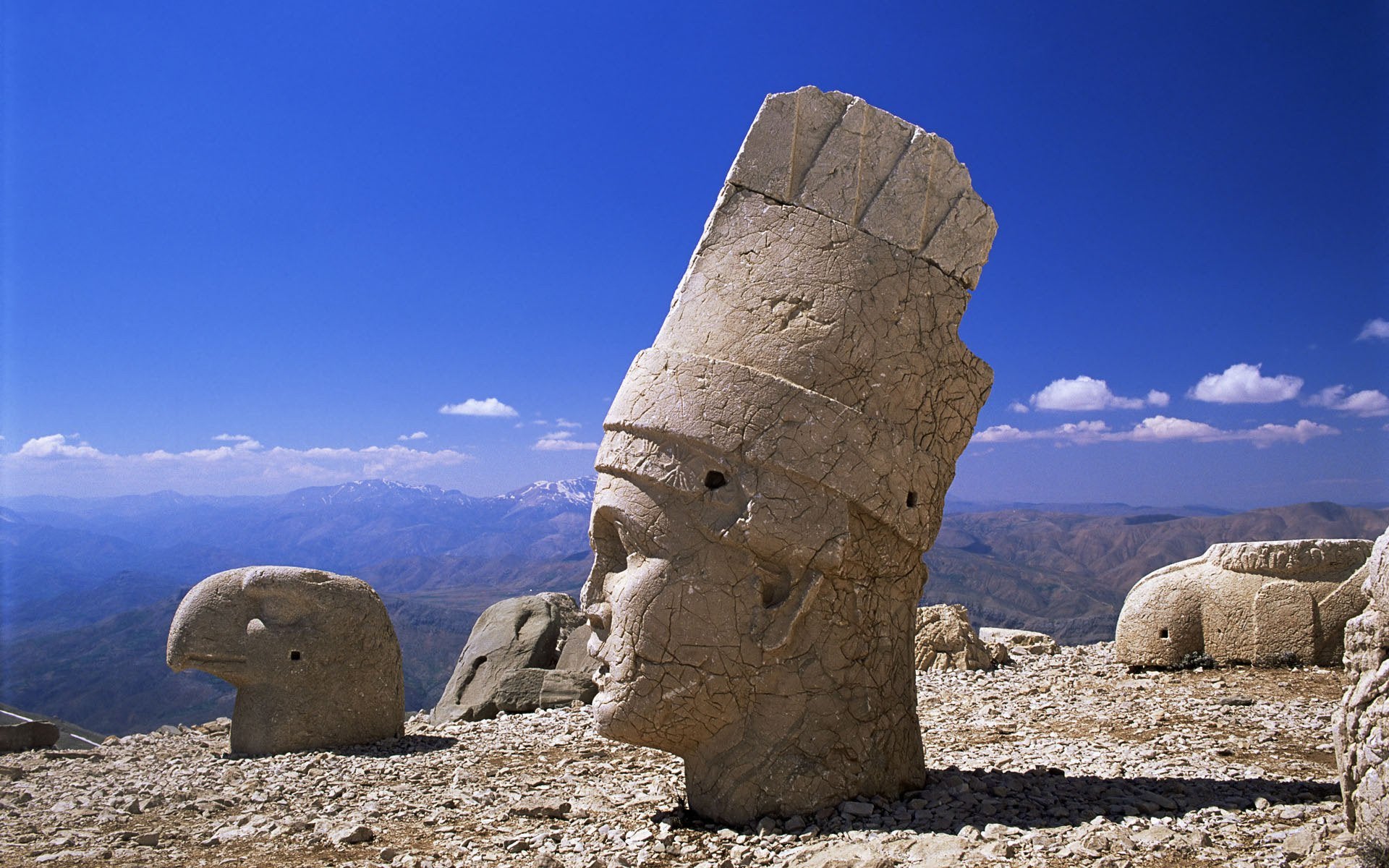
The colossal head has been identified as a solar god, Apollo-Mihr-Mithras-Helios-Hermes.
Painted Parthian inscription on a ceramic sherd possibly referring to Mithras as a bull-slayer.

Large apsidal hall with podium discovered at Uruk-Warka, once interpreted as a possible Mithraic sanctuary.
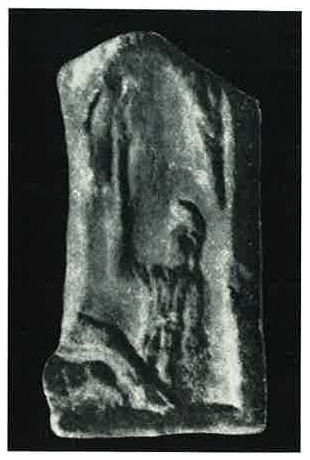
The site of Ay-Todor in Crimea revealed a Roman camp, a temple with votive offerings, and a Mithraeum.
Ancient region of the Crimean Peninsula associated with the Greek colonies and Roman presence in Taurica.
Fragmentary Greek graffito from Dura-Europos recording the prices of everyday goods such as wine, meat, wood and lamp wicks.
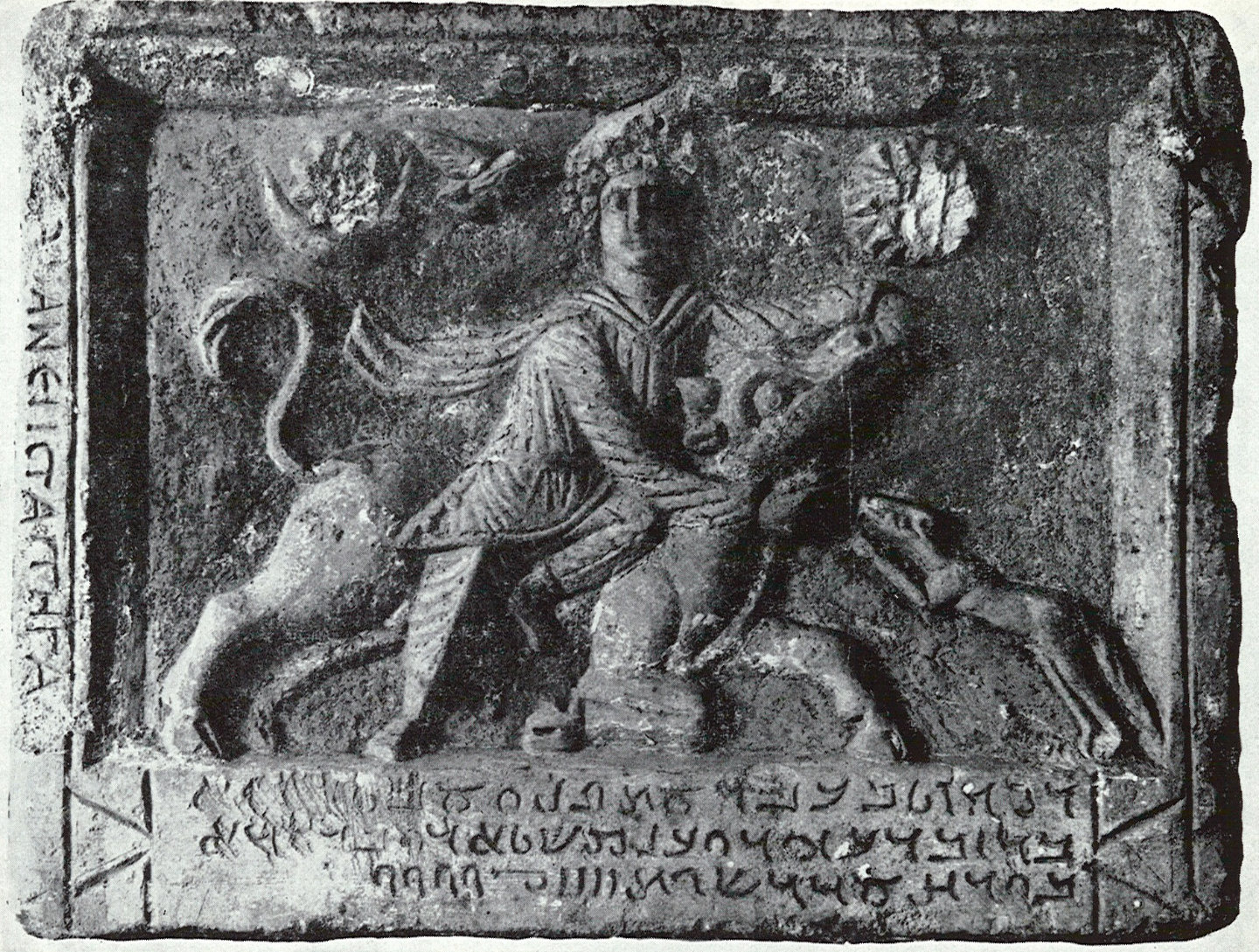
One of the reliefs of the Dura Europos tauroctonies includes several characters with their respective names.

Administrator, probably a slave of Pater Alfius Severus, who dedicated the main altar of the Mitreo di Marino.
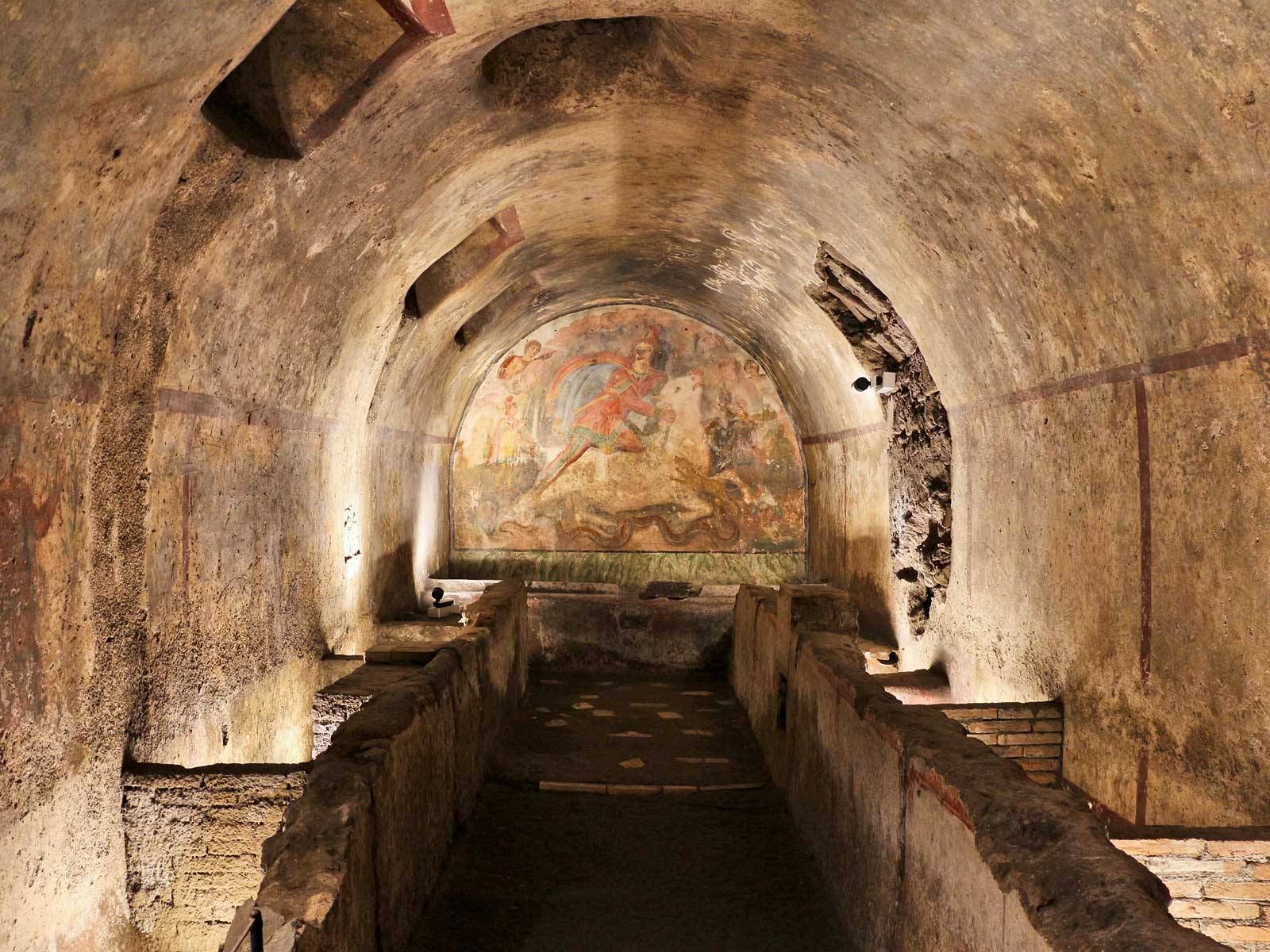
One of Roman Italy’s most important Mithraic sanctuaries, the Mithraeum at S. Maria Capua Vetere preserves a remarkable painted cycle of initiation scenes, offering rare visual evidence for the ritual life of Roman Mithaism.
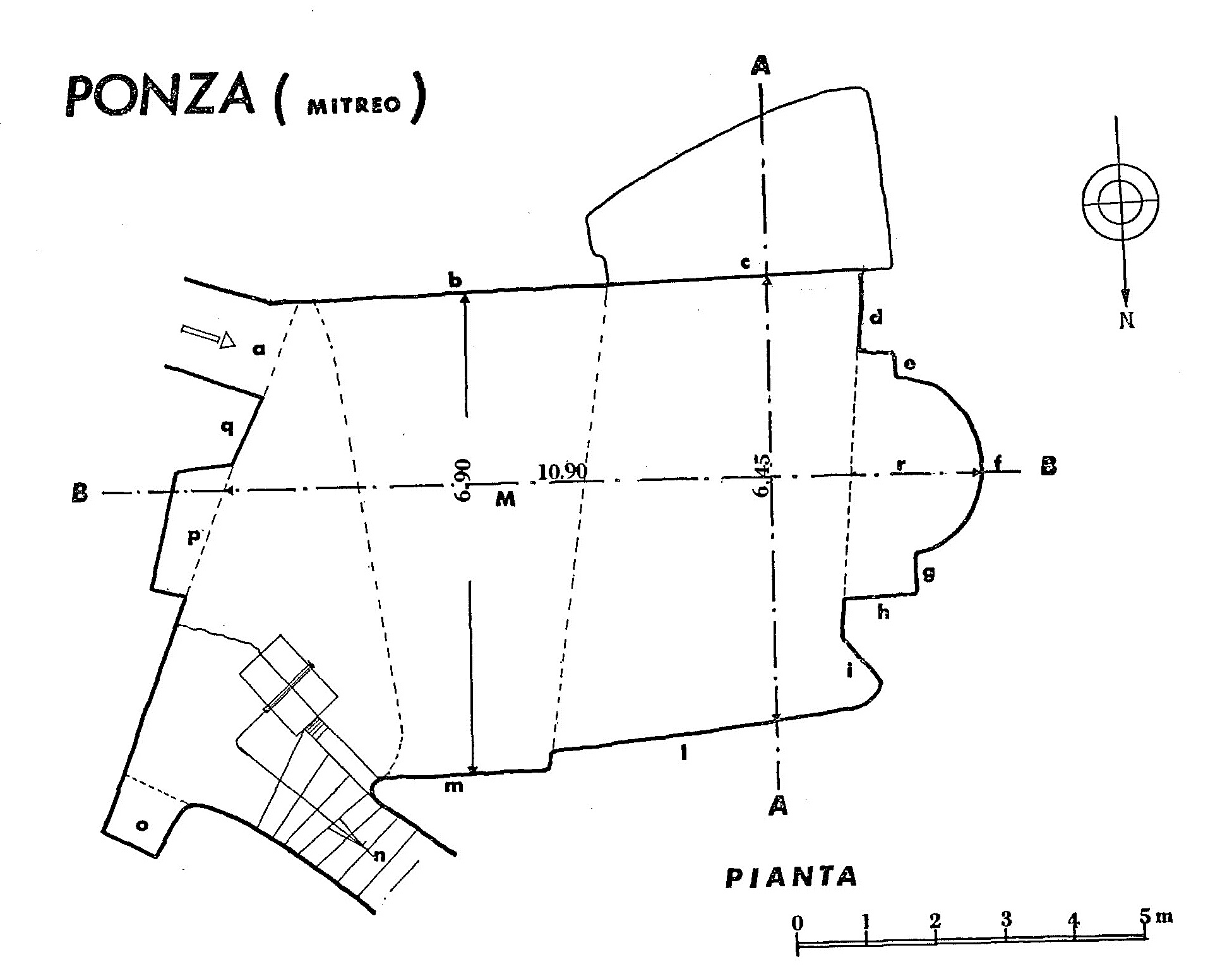
This Mithraic shrine on the island of Ponza is renowned for its exceptional stucco zodiac and astral symbolism linked to Roman Mithaism.
