Your search Tal hal Hariri / Es-Sâlihiyeh / As Salhiyah gave 3730 results.

Gold coin from Bactria depicting ΜΙΙΡΟ (Mithras) with radiate crown and military attributes.

This dedicatory inscription by Aurelius Seleucus, found in Cilicia, aligns with Plutarch’s account of Cilician pirates performing foreign sacrifices and secret rites of Mithras.
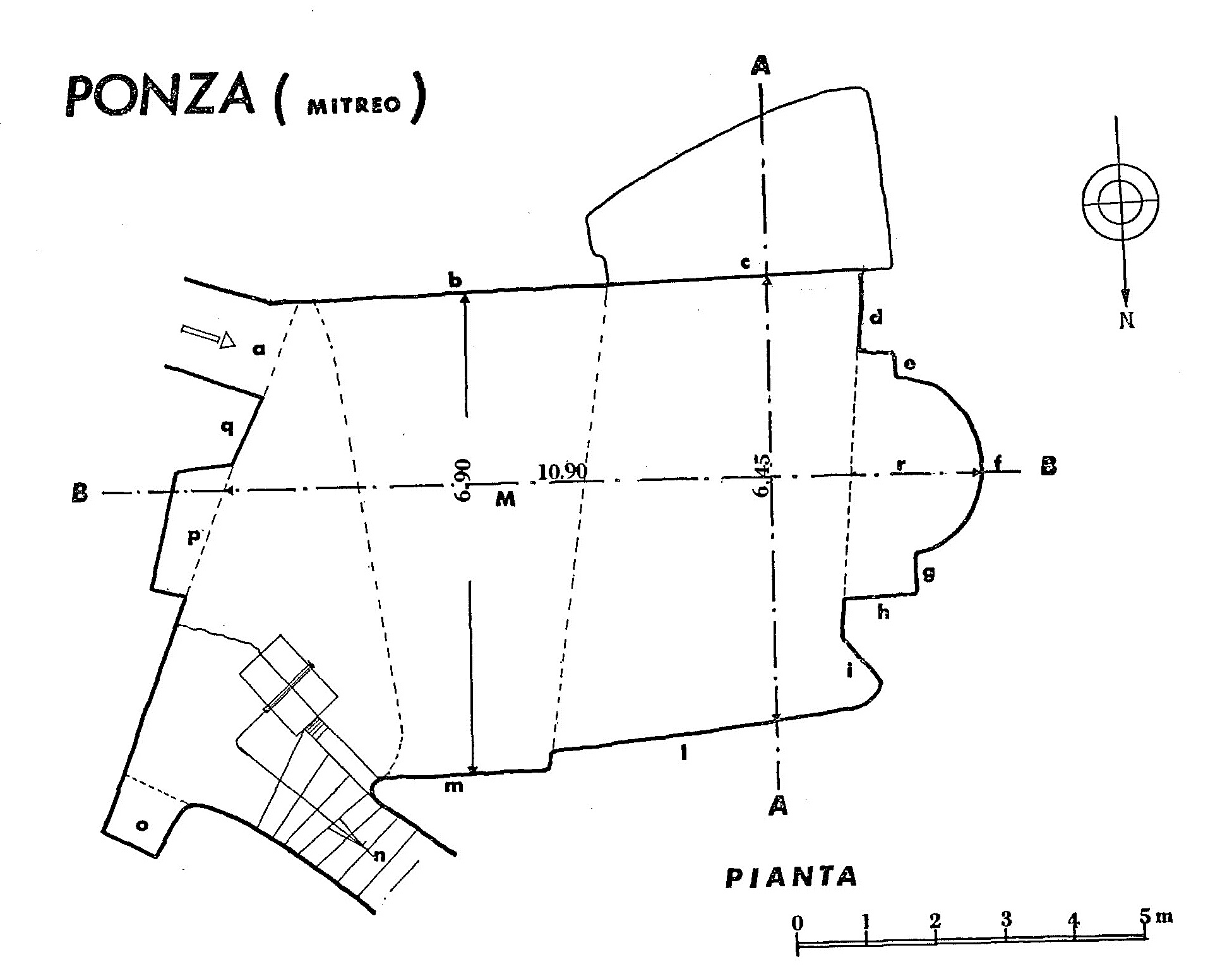
This Mithraic shrine on the island of Ponza is renowned for its exceptional stucco zodiac and astral symbolism linked to Roman Mithaism.
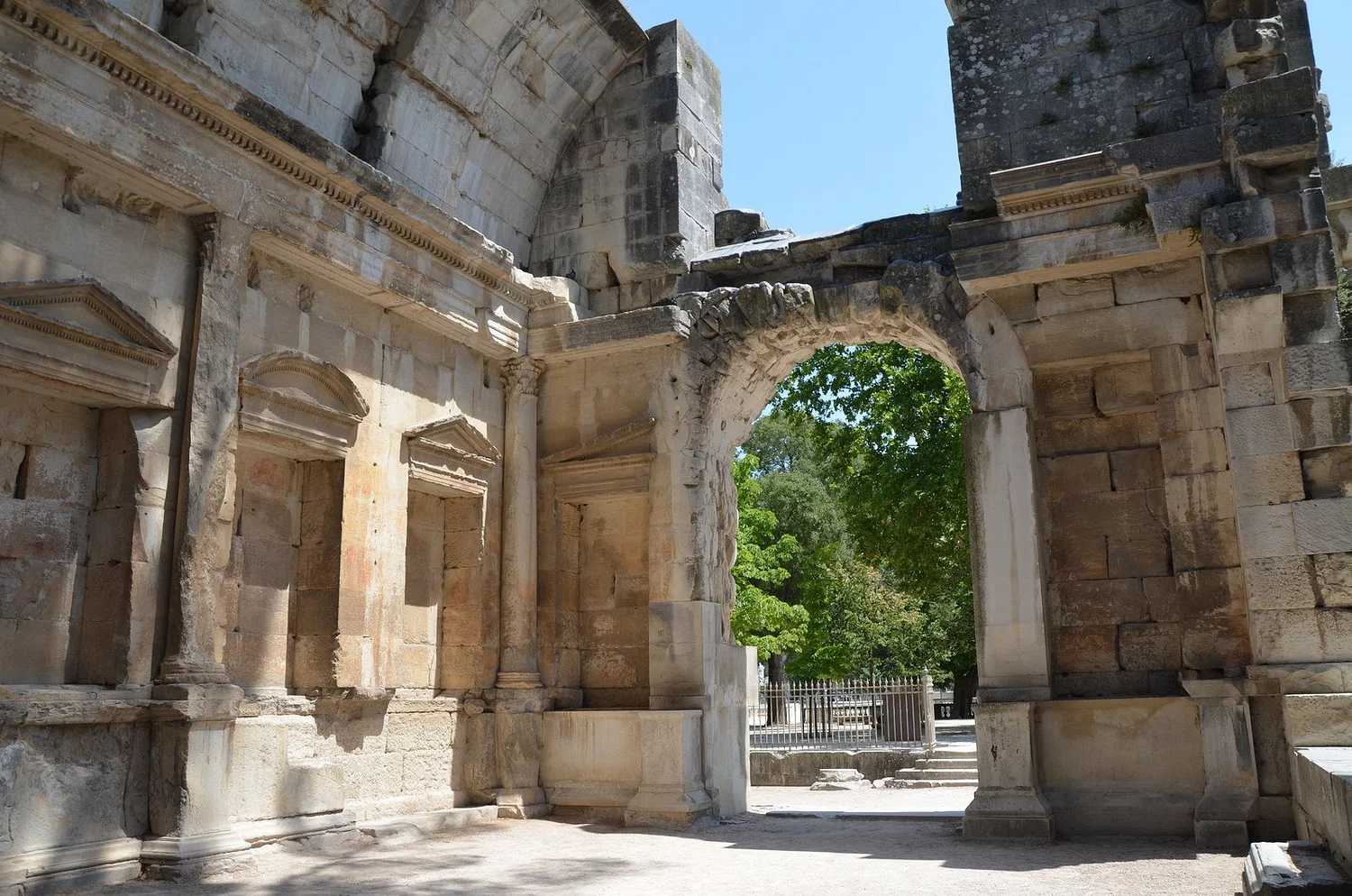
Roman Gallia preserves one of the largest and most geographically diverse corpora of Mithraic evidence in the western empire.

Pisa is a city and comune in Tuscany, central Italy, straddling the Arno just before it empties into the Ligurian Sea.
Dijon is the prefecture of the Côte-d'Or department and of the Bourgogne-Franche-Comté region in eastern France. The earliest archaeological finds within the city limits of Dijon date to the Neolithic period.
Zuccabar was an ancient town in the Roman province of Mauretania Caesariensis.
Puteoli, the great commercial harbour of Roman Italy, preserves evidence of the cosmopolitan maritime environments through which Mithraic cults circulated across the Mediterranean world.
Madauros was a Roman-Berber city in Numidia, in present-day Algeria, renowned in antiquity as an important intellectual and educational centre of Roman North Africa.
Bologna is the capital and largest city of the Emilia-Romagna region in northern Italy.
Vetera was the name of the location of two successive Roman legionary camps in the province of Germania Inferior near present-day Xanten on the Lower Rhine.
Founded on the east bank of the Tigris, Sumere is mentioned in Roman sources as a fortified settlement during the Persian campaign of Julian in 363 CE, notably by Ammianus Marcellinus.
Founded on the site of ancient Byzantium and refounded in 330 CE, Constantinopolis became an imperial residence in the eastern Roman Empire. In the 4th century, it was a key setting for interaction between traditional cults and Christian authority.
Vicus Baudobriga was a Roman settlement on the left bank of the Rhine, founded during the conquest of Gaul. Its development reflects the Rhine’s shifting role as frontier, trade route, and fortified border before Roman withdrawal.
Epizephyrian Locris, also known as Locri Epizephyrii or simply Locri, was an ancient Greek city in Southern Italy.
Carrara is a town and comune in Tuscany, in northern Italy, of the province of Massa and Carrara, and notable for the white or blue-grey marble quarried there.
Apt is a commune in the Vaucluse department in the Provence-Alpes-Côte d'Azur region in southeastern France.
Leptis or Lepcis Magna, also known by other names in antiquity, was a prominent city of the Carthaginian Empire and Roman Libya at the mouth of the Wadi Lebda in the Mediterranean.
Chemtou or Chimtou was an ancient Roman-Berber town in northwestern Tunisia, located 20 km from the city of Jendouba near the Algerian frontier. It was known as Simitthu (or Simitthus in Roman period) in antiquity.
Venosa is a town and comune in the province of Potenza, in the southern Italian region of Basilicata, in the Vulture area.
