Your search Tal hal Hariri / Es-Sâlihiyeh / As Salhiyah gave 3725 results.
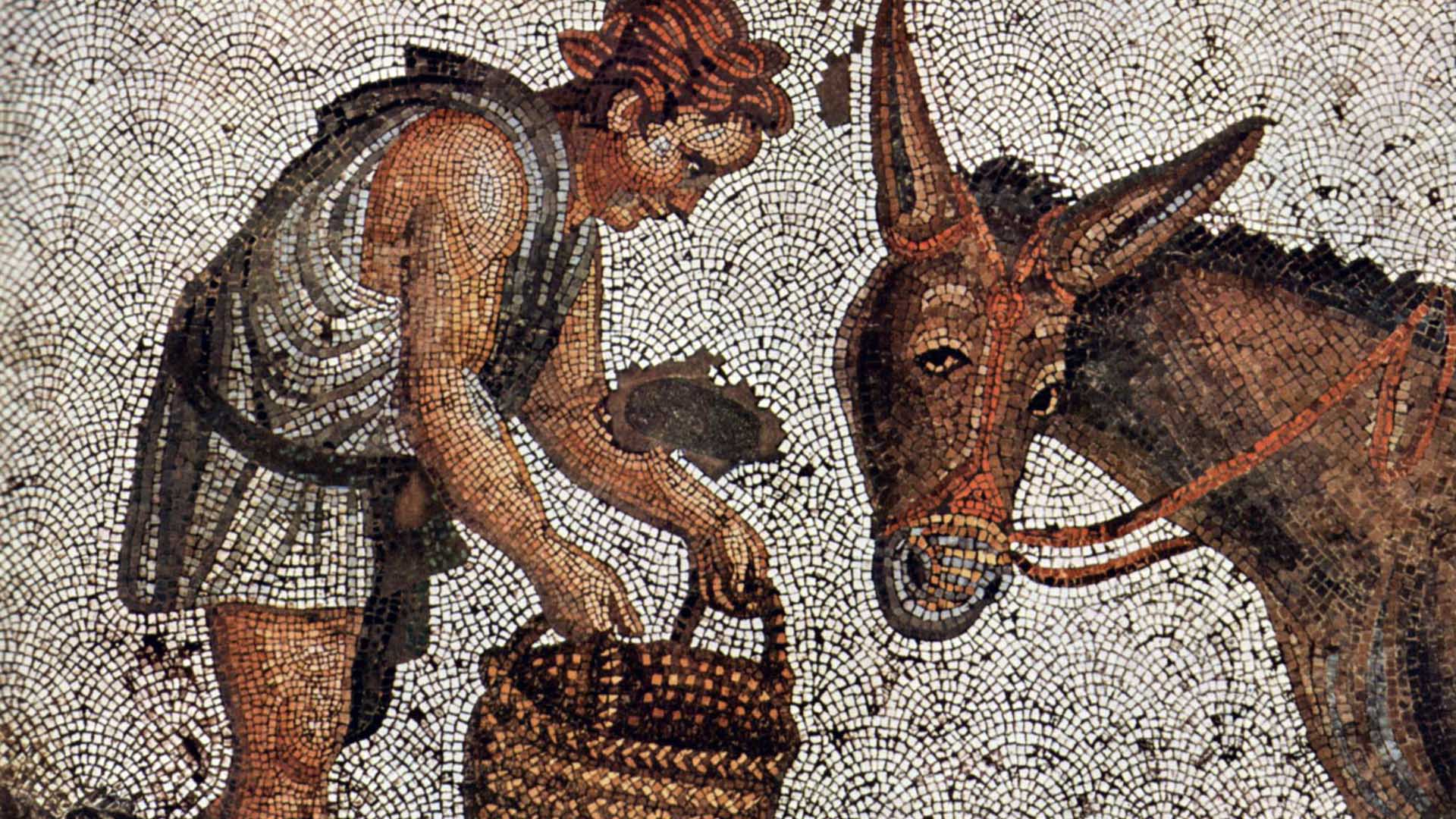
The concluding book of Apuleius’ Golden Ass (or Metamorphoses), where Lucius, the story’s protagonist, undergoes initiation into the mysteries of Isis and Osiris.
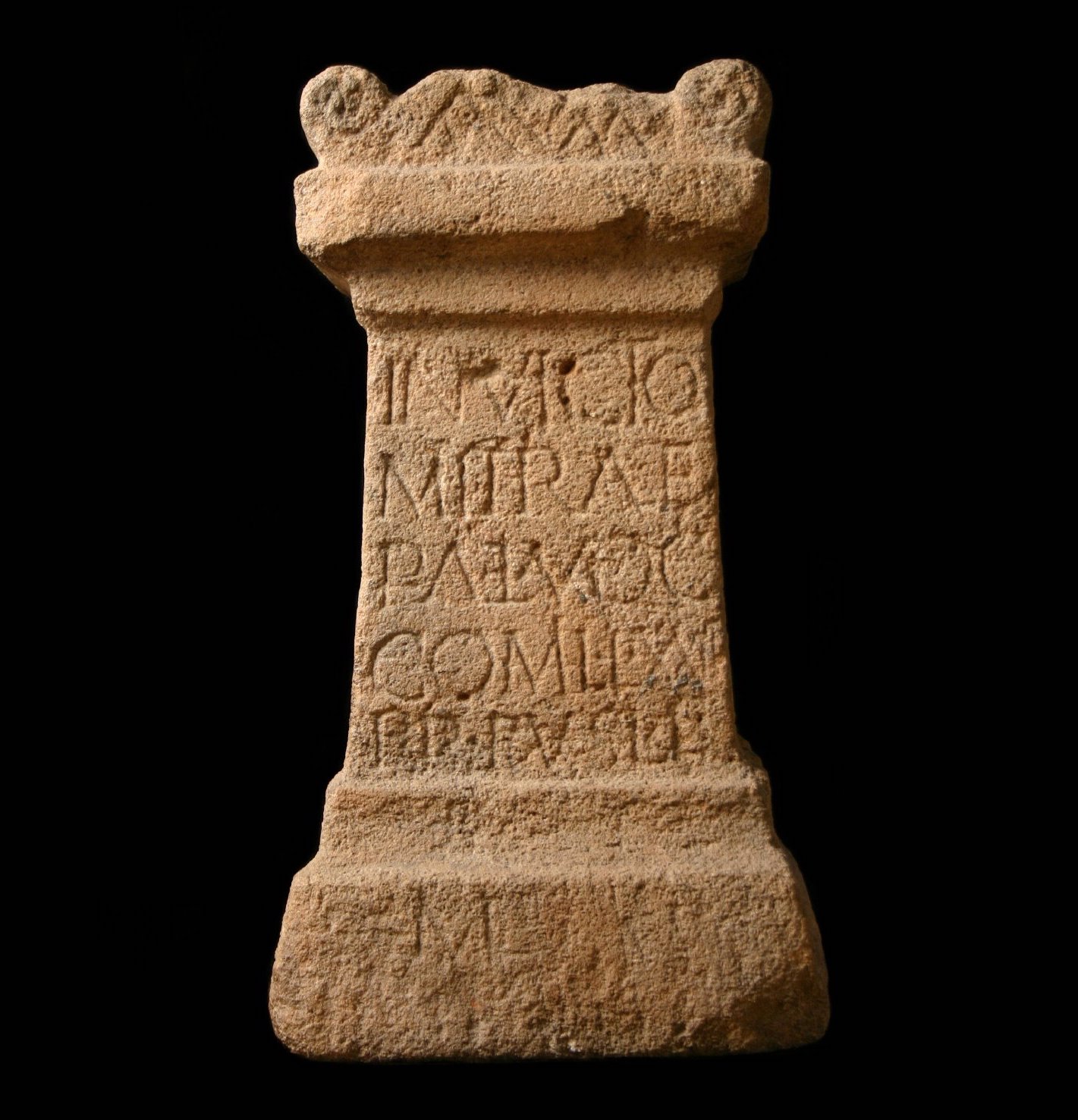
This monument was erected by a certain Publius Aelius Vocco, a solider of the Legio XXII Primigenia Pia Fidelis stationed in Mainz.

On the occasion of the discovery of a Mithraeum in Cabra, Spain, we talk to Jaime Alvar, a leading figure in the field of Mithraism. With him, we examine the testimonies known to date and the peculiarities of the cult of Mithras in Hispania.
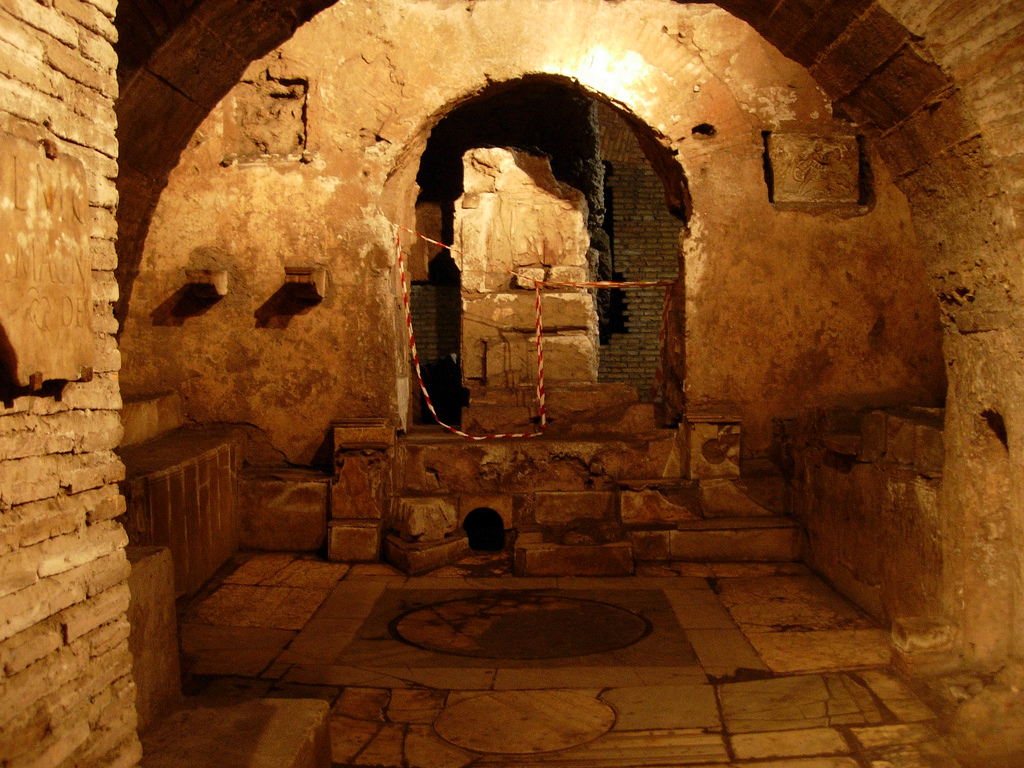
The Mithraeum of the Circus Maximus was discovered in 1931 during work carried out to create a storage area for the scenes and costumes of the Opera House within the Museums of Rome building.
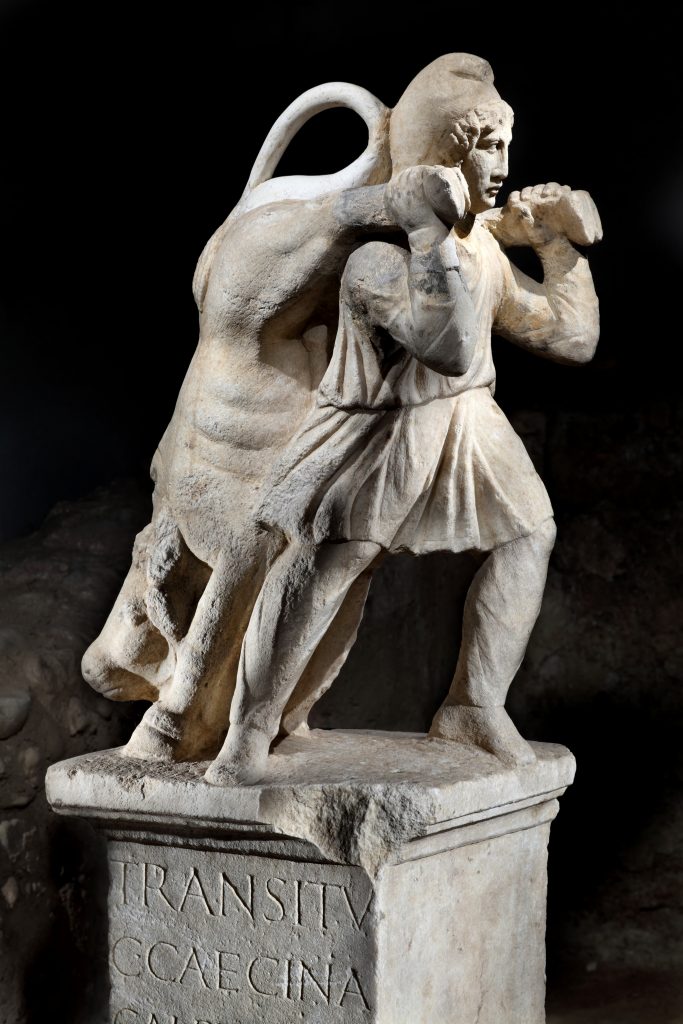
The sculpture of Mithras carrying the bull includes an inscription on its base.

Dutch historian, born in 1918 and deceased in 1985. He was a specialist in the history of religions, especially the Eastern cults in the Roman Empire. A prolific writer, best known for his Corpus inscriptionum et monumentorum religionis Mithriacae.
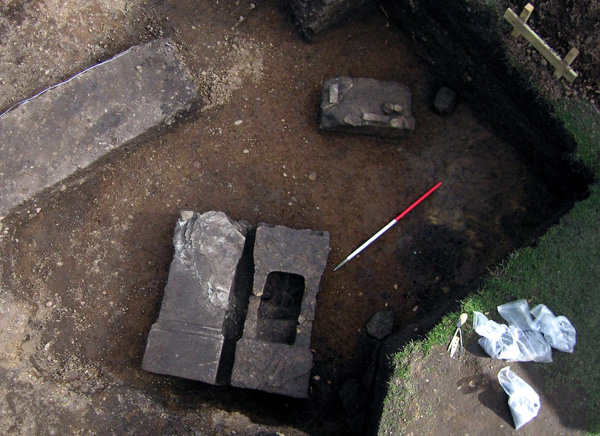
The Mithraeum of Inveresk, south of Musselburgh, East Lothian, is the first found in Scotland, and the earliest securely dated example from Britain.

Curator of Greek and Roman Antiquities, Royal Museum of Mariemont (Belgium). Research fields: Archaeology of the Oriental cults in the Roman Empire.
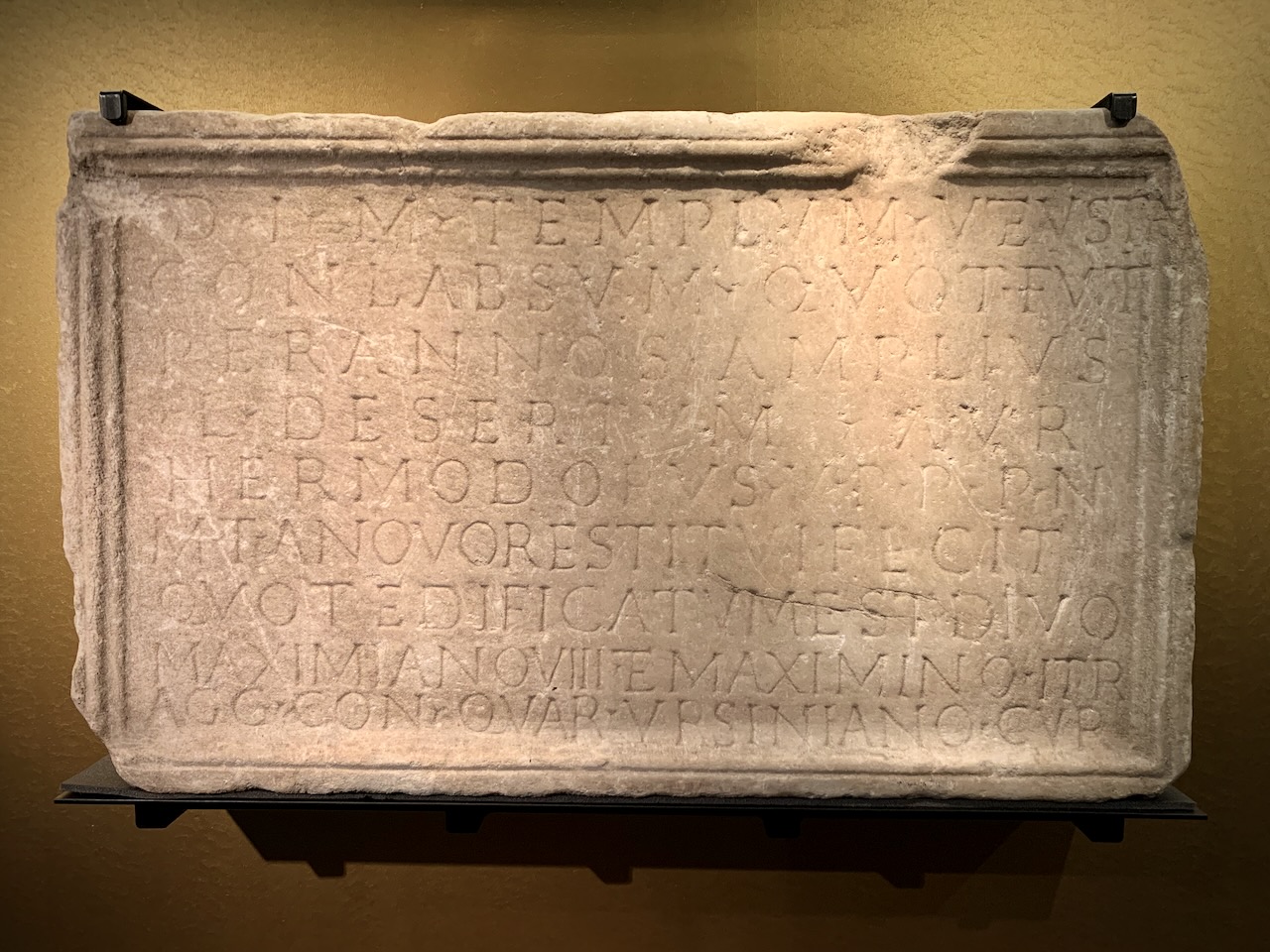
This marble gives some details of the reconstruction of the Virunum Mithraeum.

This monument to the invincible god Mithras was inscribed on the façade of the church of Aiello deil Friuli, Aquileia.
This altar to Mithras is dedicated by a certain Gaius Iulius Castinus, legate prefect of the emperors.
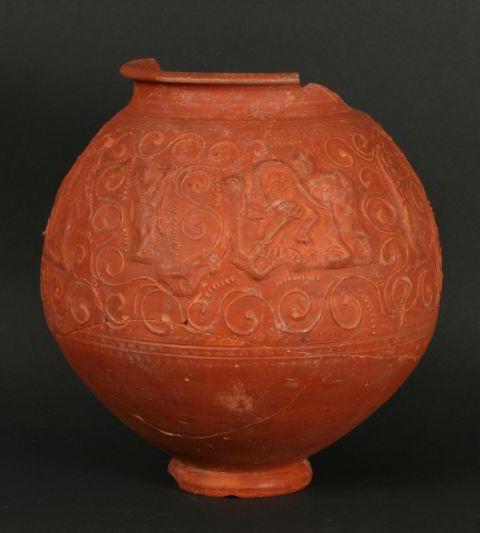
This terracotta vase features prolific decoration, including Mithras Tauroctonos, Fortuna, Cautes, a dog and Pan playing a syrinx.
Sandstone altar with patera from the rock sanctuary at Kreta, Moesia Inferior, bearing a Greek inscription of uncertain reading, possibly a thanksgiving to Mithras.
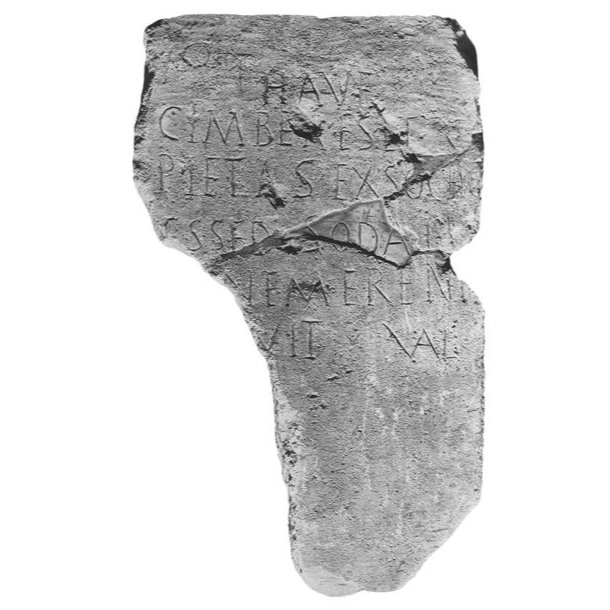
This monument with an inscription by two individuals was found in the first mithraeum of Cologne, Germany.

Preliminary readings of the painted Mithraic texts later revised after additional research and restoration.

This remarkable Greek marble relief of Mithras killing the bull was discovered in 1705 and remained in private collections until it was bought by the Louvre.
