Your search Tal hal Hariri / Es-Sâlihiyeh / As Salhiyah gave 3730 results.

Fragmentary marble statue of a woman from the Mithraeum delle Sette Porte.
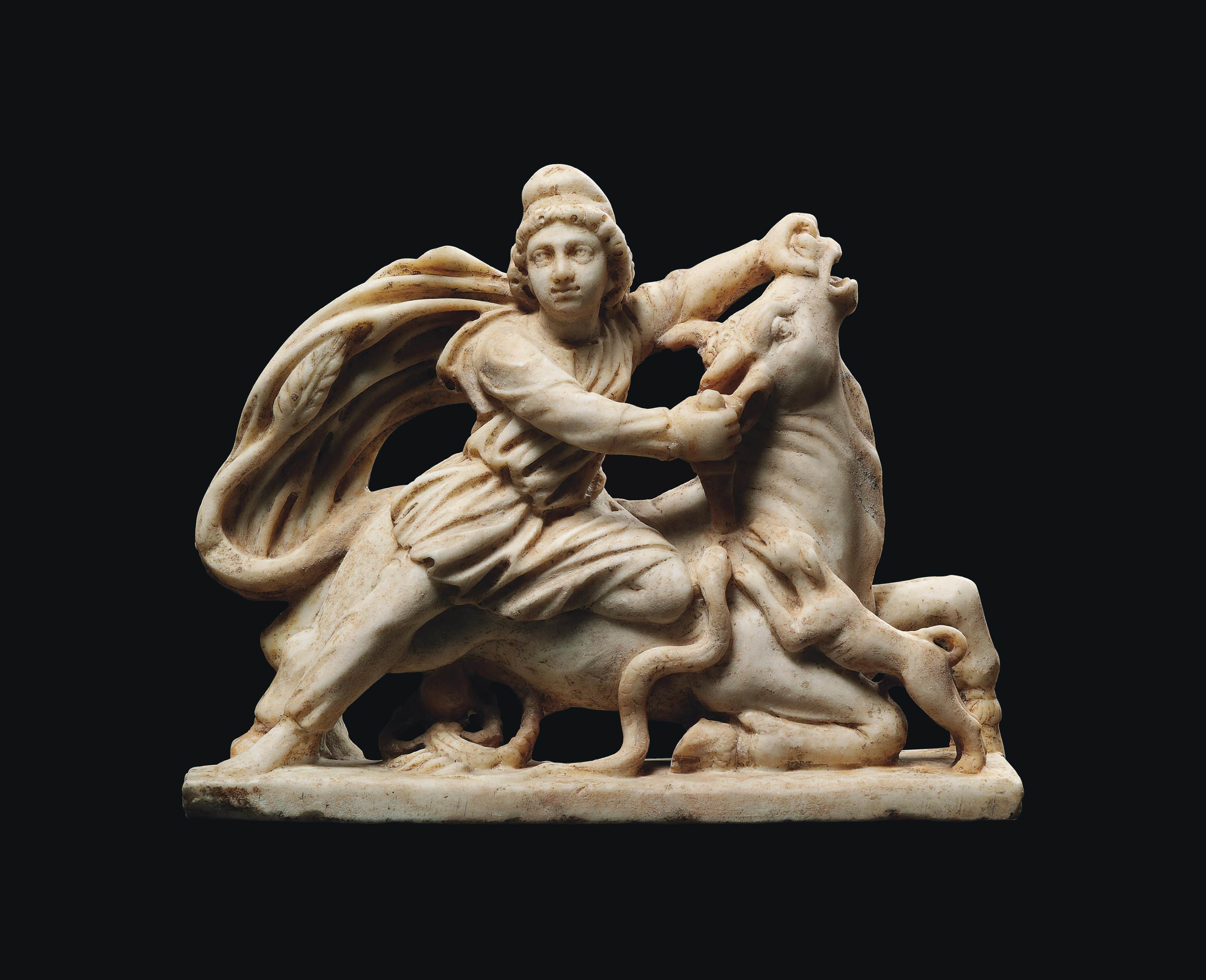
Marble group of Mithras slaying the bull, formerly sold by Antiquarium Ltd., New York.

Beheaded Cautopates in limestone found on the podium of the Jajce Mithraeum, Bosnia and Herzegovina.
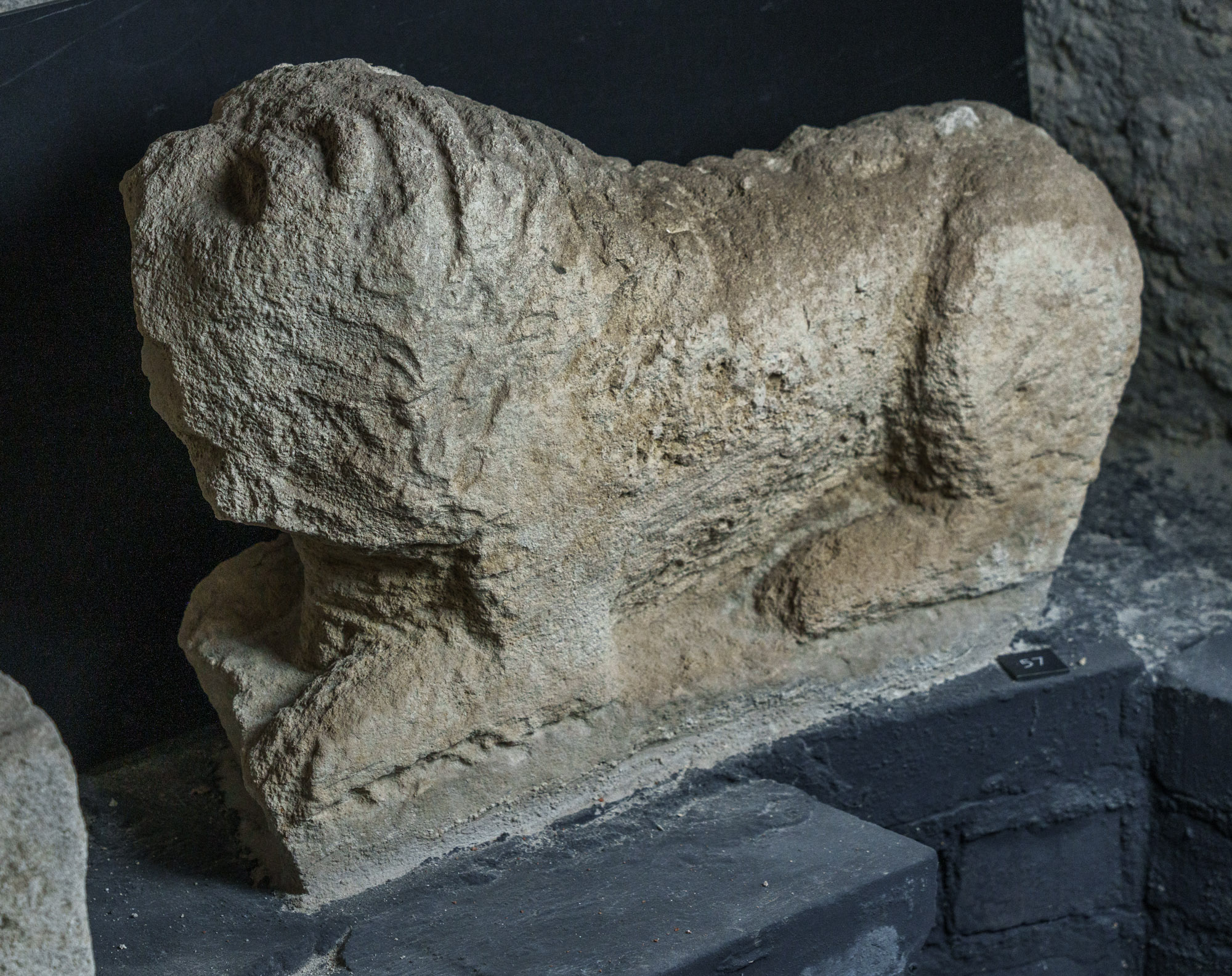
Two limestone sculptures depicting a recumbent lion and a lioness stood near the entrance of the Mithraeum of Fertőrákos, positioned at the threshold of the sanctuary.
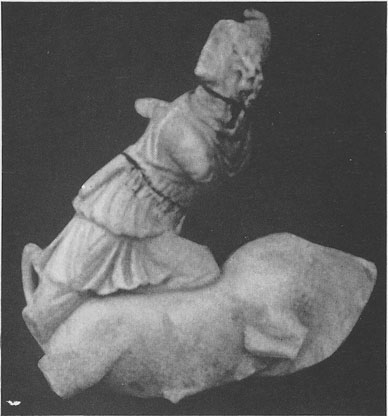
Fragment of a white marble statue of Mithras killing the bull from Rusicade, today Skikda, Algeria.
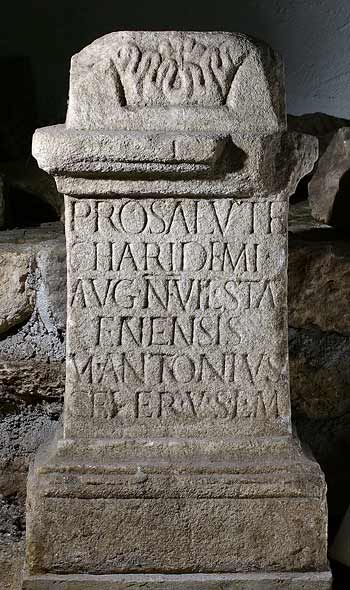
Marble votive altar with inscription to Mithras, featuring coiled, fan-like motifs above the text and associated with the statio Enensis.
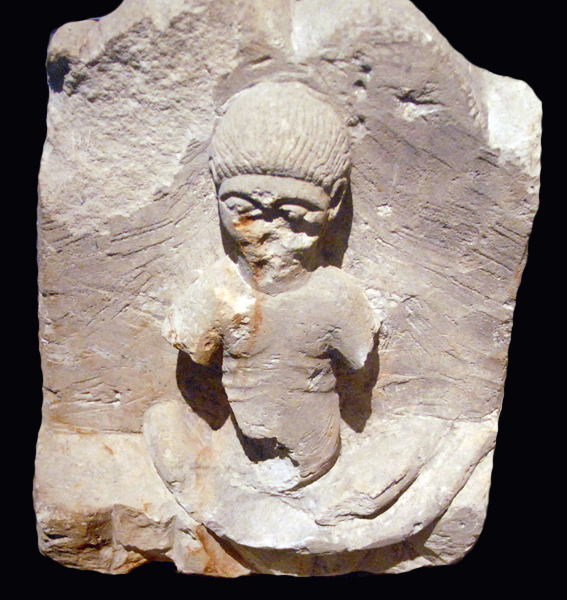
A serpent emerging from a umbilicus at the side of the stele coils over Mithras naked body.
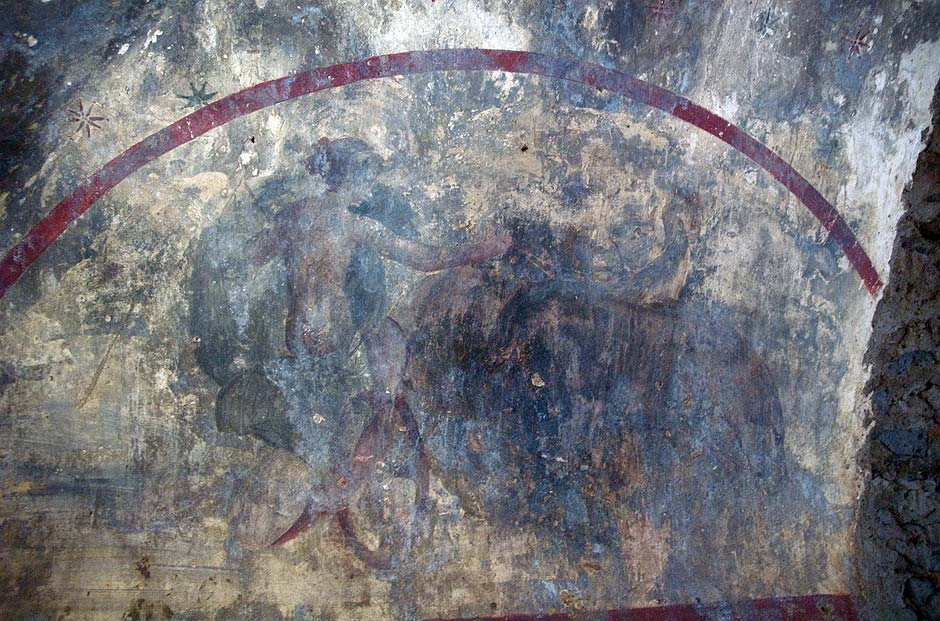
Luna riding a biga in the Mithraeum of Santa Capua Vetere.

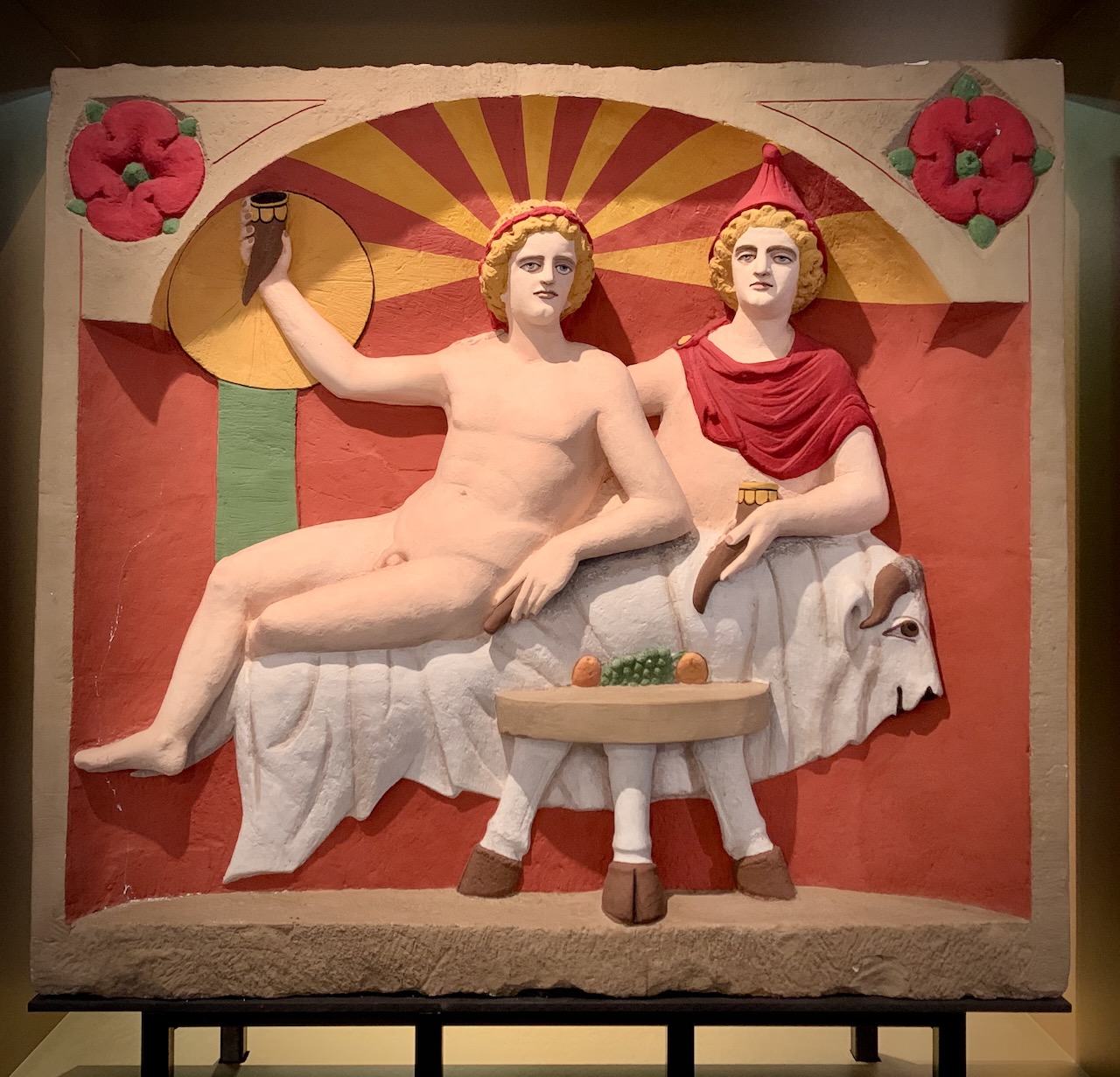
Bas-relief depicting a naked Sol leaning over his fellow Mithras while raising a drinking horn during the sacred feast.
Sandstone statue of Cautopates holding two downward-pointing torches, from the Ober-Florstadt Mithraeum.
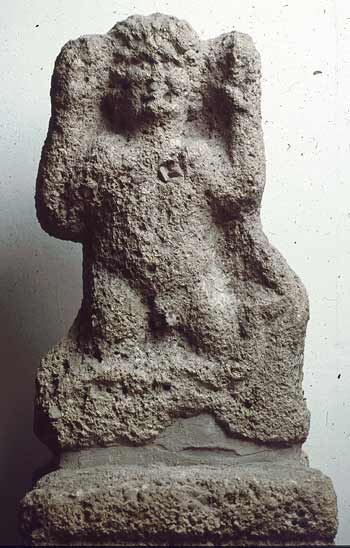
Conglomerate statue of the birth of Mithras, found in a burnt layer, showing the god nude emerging from the rock with raised hands and a snake.
Standing stone statuette of Cautopates, the downward-torch bearer, found at Bordeaux and kept in the city’s museum of antiquities (musée d’Aquitaine ?).