Your search Terme di Caracalla gave 2863 results.

Group of Mithraic finds distributed across different localities named San Zeno along the Verona–Brenner route.
Second-century Mithraeum discovered in the lower storey of the Curia complex at Cosa.
Marble inscription discovered near the Via Cupa mentioning an offering to the invincible Mithras by Apollonius Tetes Syras of Marcianopolis.
Series of small bronze plaques depicting zodiac signs and planetary figures discovered in Ostia and possibly connected with the decoration of a Mithraic sanctuary.
Inscription from Viminacium, Moesia Superior, dedicated to Deo invicto Mithrae by a decurio and aedilis of the Colonia Viminacii ex voto.
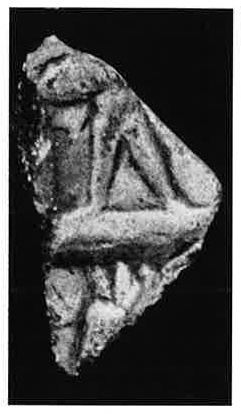
Marble fragment from the Mithraeum at Sarmizegetusa, Dacia, preserving a standing figure in shoulder-cape (possibly Sol) and below it a burning altar.
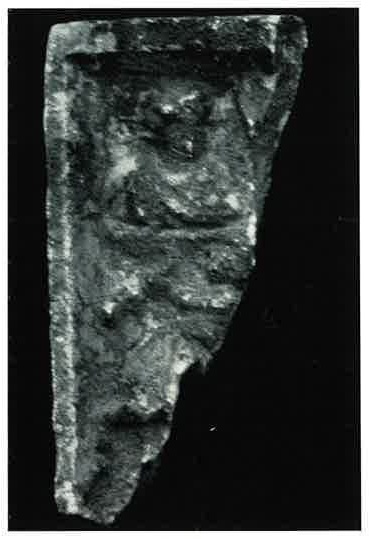
Fragment of a yellowish marble relief from the Mithraeum at Sarmizegetusa, Dacia, preserving the left upper corner with the bust of Sol and below it Mithras riding the bull.
Marble fragment from the Mithraeum at Sarmizegetusa, Dacia, preserving a standing person in a tunic; head, arms, and legs are lost.
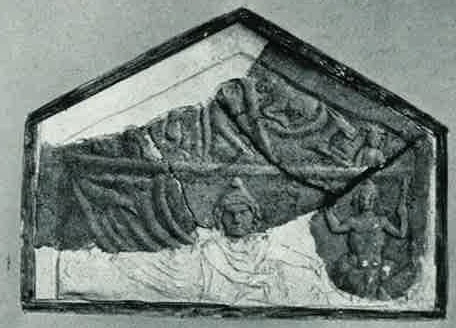
Four fragments of a bluish marble tauroctony relief from the Mithraeum at Sarmizegetusa, Dacia, depicting the central bull-slaying with partially preserved subsidiary scenes.
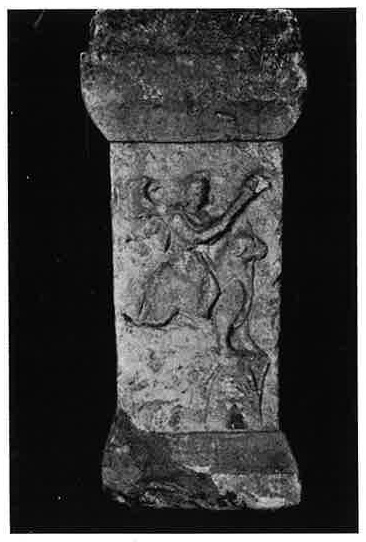
Limestone base from Apulum, Dacia, decorated on the front with Mithras riding the bull to the right while holding an upraised torch — the tauriphoros riding type, distinct from the tauroctony.
Altar from Apulum, Dacia, dedicated to Iovi optimo maximo by Claudius Niger; included in the Mithraic corpus by proximity to other monuments from the same context.
Limestone capital reused as an altar at Apulum, Dacia, its top scraped off, bearing a dedication to Soli Mithrae by Aelius Gordianus.
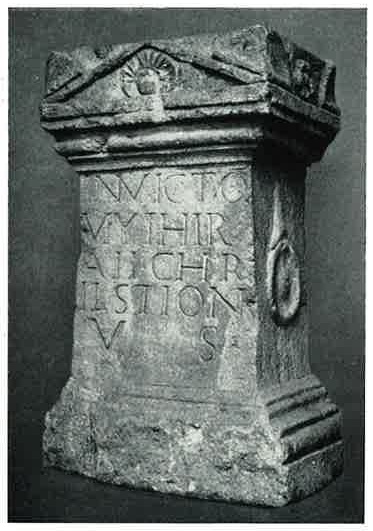
Limestone altar from Partoș or Mureș Port, Dacia, found in 1852, with a triangular pediment containing the head of Sol in a twelve-rayed crown and nimbus, flanked by a patera on the right and a jug on the left.
Oval relief fragment from the outskirts of Split near ancient Salona, Dalmatia, preserving two zodiacal signs — probably from a border decoration of a Mithraic monument.
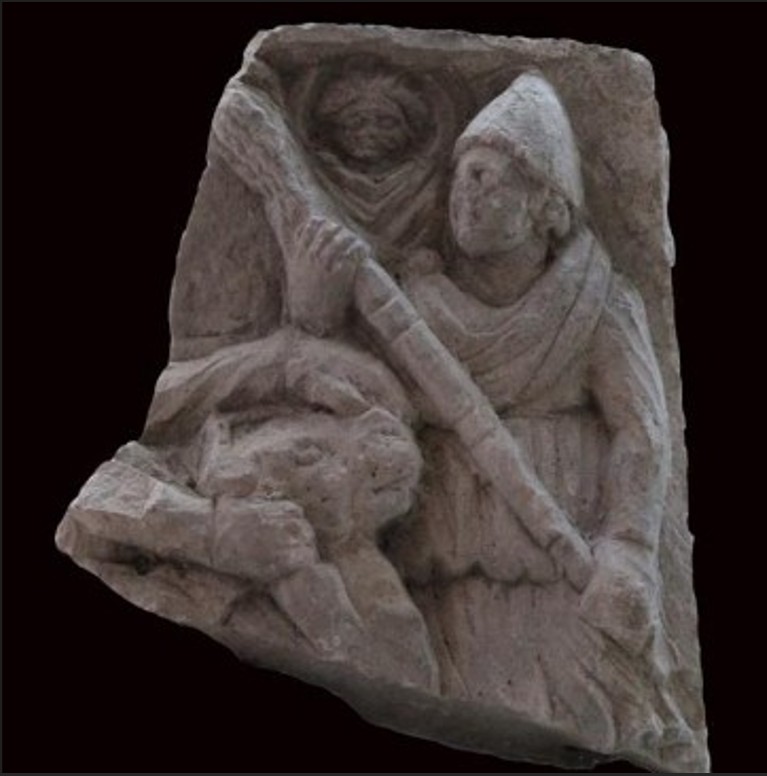
Right upper portion of a limestone relief from Salona or its surroundings, Dalmatia, depicting a standing figure — probably a torchbearer or divine attendant.
Fragmentary inscription from Salona, Dalmatia, preserving only the phrase impendio suo — probably recording a building act.
Inscription from Mithraeum III at Ptuj, ancient Poetovio, dedicated to Invicto Augusto sacrum by an imperial slave serving as hereditatum tabularius — an officer for death-duties — one of the rarer administrative titles attested in Mithraic epigraphy.
Marble relief fragment from Mithraeum II at Ptuj, ancient Poetovio, depicting a standing woman holding her right hand above an altar and a palm branch in her left; the lower body and base are lost.
Inscription from the area of the castellum at Sisak, ancient Siscia, recording that Iucundus, imperial dispensator of Pannonia Superior, built a portico and an aparatorium for Deo invicto Mithrae ex voto.
White marble slab from the Zollfeld at Virunum, Noricum, dedicated to Deo invicto Mithrae by Diadumenus, arcar(ius) of the imperial dispensator Nicolaus for the kingdom of Noricum.
