Your search Terme di Caracalla gave 2881 results.
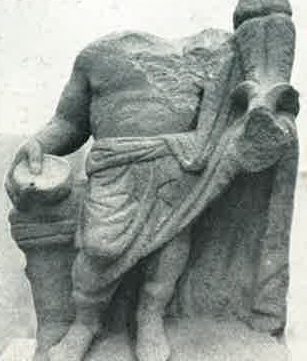
Yellow sandstone statue from the Mithraeum at Dieburg showing a genius with a double cornucopia, a mantle, and a leafy crown

Votive altar from the Mithraeum at Dieburg inscribed by Hermapiostor, dedicated ex iussu
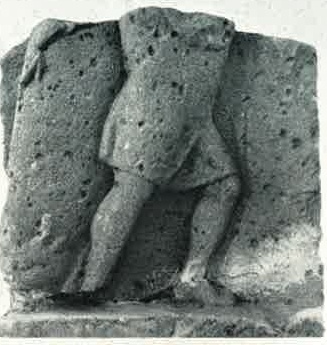
Red sandstone relief from the Mithraeum at Dieburg showing Mithras in Oriental dress carrying the bull on his shoulders
Red sandstone statue of Mithras naked being born from the rock, found in a pit near the entrance of the Mithraeum at Dieburg
Inscription dedicated to Sol Invictus at Lambaesis, of uncertain Mithraic attribution.
Altar inscription dedicated to Kautopates by Eutyces, a freedman serving the two emperors, found at Mascula (modern Khenchela).
Inscription on a clepsydra dedicated to Sol Invictus Augustus by C. Amulius Pultarius, found on the site of the Mosque Sidi Biri Narze at Cirta.
Oolitic stone statuette of the torchbearer Cautopates discovered in Drury Lane, Londinium.
Major Mithraic sanctuary in the City of London with east-west orientation, multiple building phases and rich sculptural finds.
Group of nearby religious dedications associated with soldiers of the Legio III Augusta and the wider sacred landscape around the Mithraeum.
Reworked limestone altar dedicated by the governor of Numidia during the period of the Diocletianic persecutions.
Dedication for the safety of the provincial governor erected by an actarius and notarius within the Mithraic sanctuary of Lambaesis.
Limestone altar dedicated to Sol Invictus Mithras by the governor and military commander Marcus Valerius Maximianus.
Marble plate from the Mithraeum at Serdica, Thracia, bearing a cryptic inscription whose letter sequence has not been satisfactorily explained.
Greek inscription from Serdica, Thracia, dedicated to the invincible god by Caius Iulius Maximus for himself and his children.
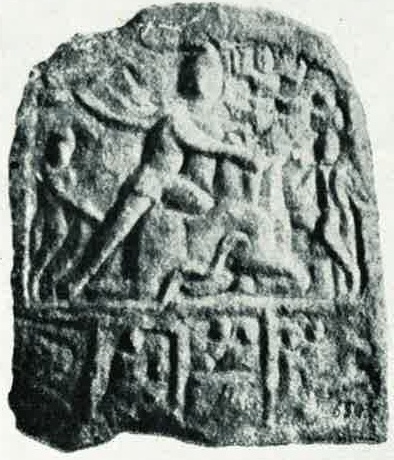
Small arched marble tauroctony relief from Philippovtsi near Sofia, Thracia, divided into two parts by a horizontal rim.
These twin inscriptions found in the Mithraeum of Tazoult were dedicated by the legate Marcus Valerius Maximianus.
Many of the inscriptions and sculptures of the site were kept in a museum which has been destroyed.

This dedicatory inscription by Aurelius Seleucus, found in Cilicia, aligns with Plutarch’s account of Cilician pirates performing foreign sacrifices and secret rites of Mithras.
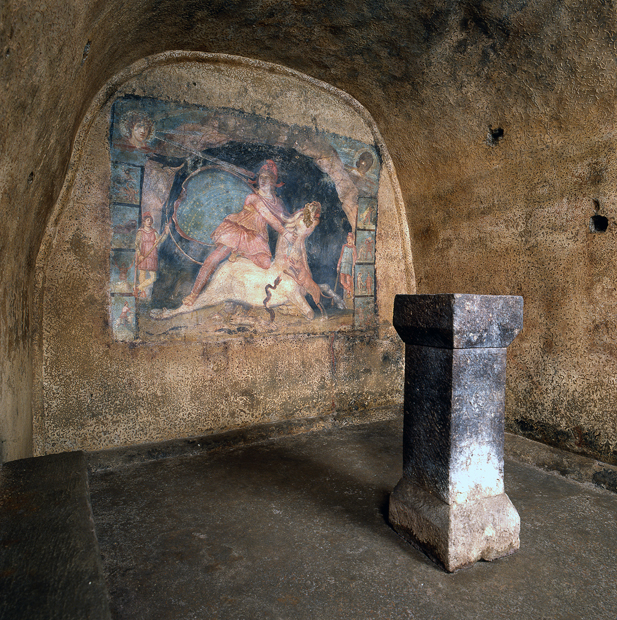
The Marino Mithraeum preserves one of the most elaborate painted cycles of Mithras’ myth, combining the tauroctony, planetary symbolism and scenes from the god’s sacred narrative.
