Your search Tulln an der Donau gave 577 results.
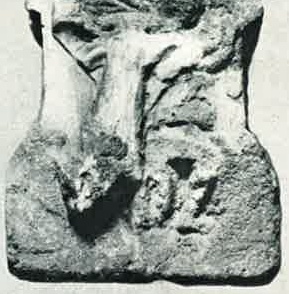
Small sandstone altar from Mithraeum I at Heddernheim, ancient Nida, bearing a snake and cult imagery consistent with Mithraic worship
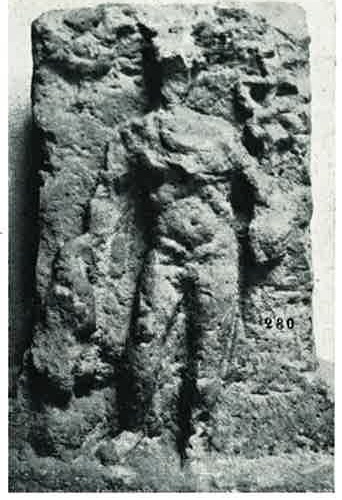
Weathered sandstone relief from Mithraeum I at Heddernheim, ancient Nida, showing a standing Mercury whose body is covered by a shoulder cape
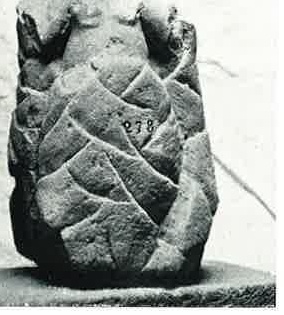
Red sandstone statue from Mithraeum I at Heddernheim, ancient Nida, depicting the young naked Mithras with curly hair being born from the rock
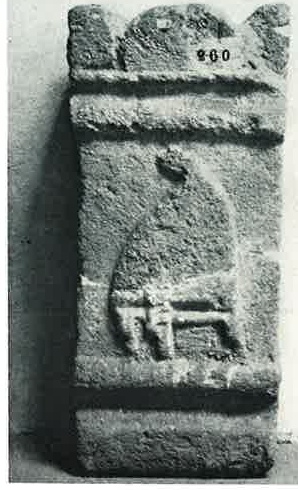
Sandstone altar from Mithraeum I at Heddernheim, ancient Nida, decorated on one side with the representation of a Phrygian cap
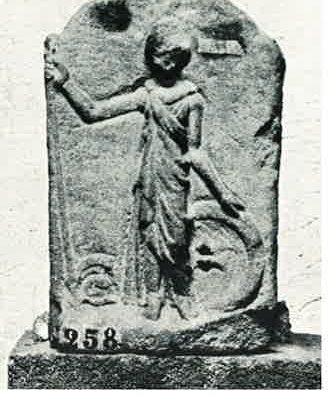
Sandstone relief from Mithraeum I at Heddernheim, ancient Nida, depicting a standing Minerva resting her left hand on a shield while holding a lance
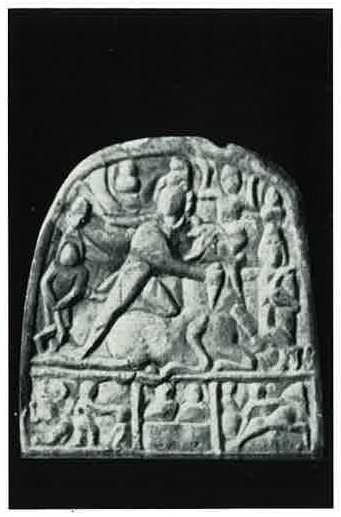
Small tauroctony relief in white marble, preserved in five fragments, from Mithraeum I at Heddernheim, ancient Nida

The lion-headed statue of Hedderneheim is a reconstruction from fragments of two different sculptures.
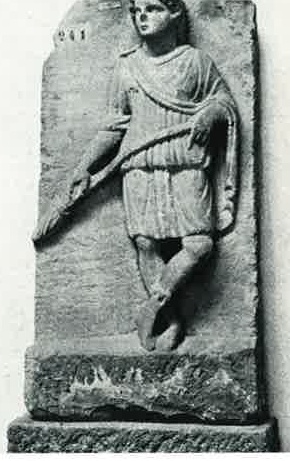
Relief in red sandstone originally standing on a base in Mithraeum I at Heddernheim, ancient Nida, featuring the bull-slaying scene.
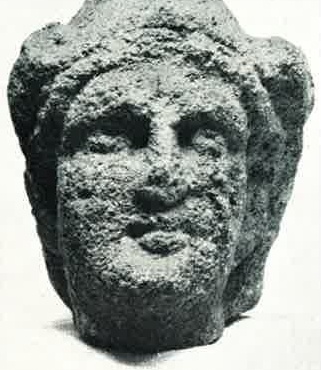
Sandstone fragment from Mithraeum I at Heddernheim, ancient Nida, probably the damaged head of a torchbearer, often misidentified as Mercury.

Gimmeldingen is a village, part of the town of Neustadt an der Weinstraße, Germany. Its origins, along with the village of Lobloch (which used to be connected), can be traced back to Roman settlements in 325 AD.
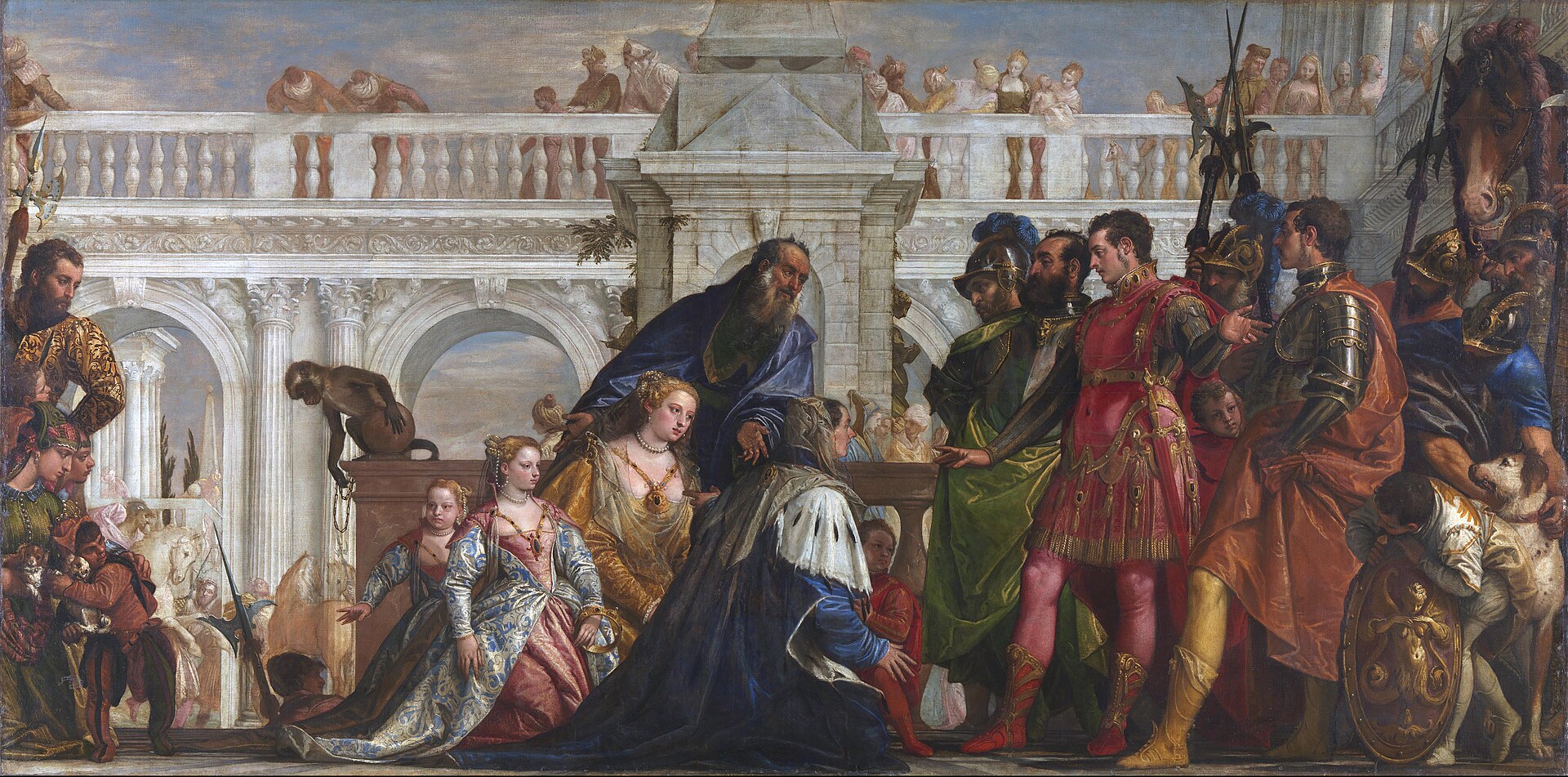
Late antique legendary biography of Alexander the Great (c. AD 300), where history, myth, and imperial ideology merge around figures of divine kingship and solar power.

Employing all the available data & survivals of the historic Persio-Roman Mithraics. Embodying versions of Zoroastrian Scriptures; Combining the religions of all races & times...

The present volume reconstructs the history of the mithraea of Güglingen. In addition, rich finds provide insight into hitherto unknown areas of the liturgical practice of the cult of Mithras.