Your search Val di Non gave 2351 results.

Val di Non is an Alpine valley in Trentino associated with Roman-period finds.

A double-sided limestone relief found near Meclo in Val di Non in 1895, now in the Museo Nazionale at Trento, with a raven and altar scene on the obverse and scenes on the reverse showing a figure attacking a kneeling Phrygian-capped person and Mithras as a bull-carrier…
Group of Mithraic finds distributed across different localities named San Zeno along the Verona–Brenner route.

Name: Dr. Hadi Valipour Date of Birth: August 26, 1983 Place of Birth: Iran Current Position: Assistant Professor of Eastern Religions, specializing in An

India, beyond all other countries on the face of the earth, is preeminently the home of the worship of the Phallus—Linga puja. It has been so for ages and remains so still.
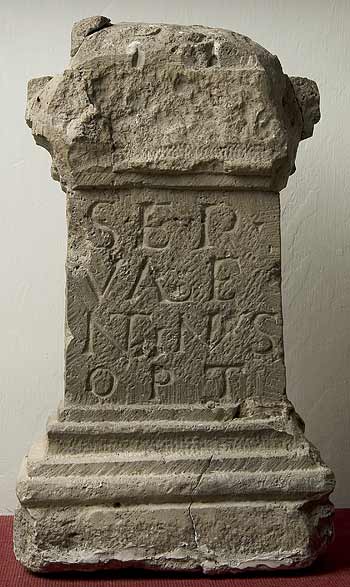
Limestone altar dedicated to Cautes by the Roman optio Septimius Valentinus, discovered in the Mithraeum of Sárkeszi in Pannonia Inferior.
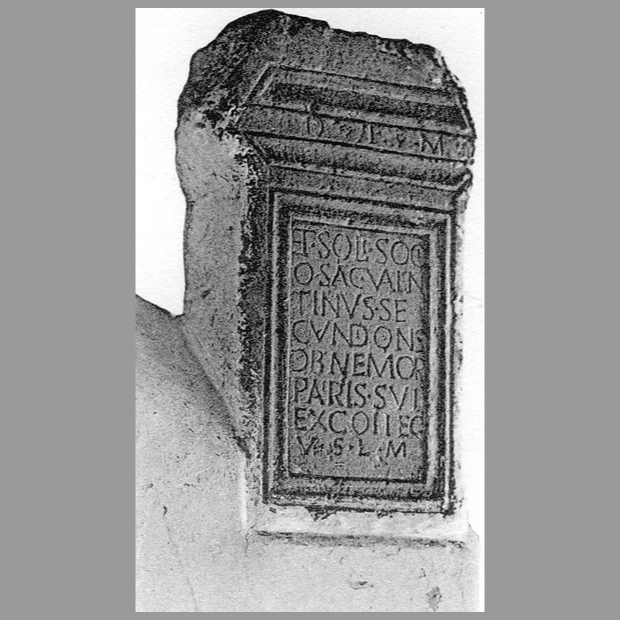
This monument, now lost, was discovered in the 16th century, probably on the site of Sublavio statio.

Inscription recording the transmission of the leontica grade by Nonius Victor Olympius and Aurelius Victor Augentius at the Mithraeum of Piazza S. Silvestro in Capite, dated to 359 and 358 A.D.
Inscription CIL VI 750 recording the transmission of the Persica and Heliaca grades by Nonius Victor Olympius and Aurelius Victor Augentius at the Mithraeum of Piazza S. Silvestro in Capite, dated to 358 A.D.

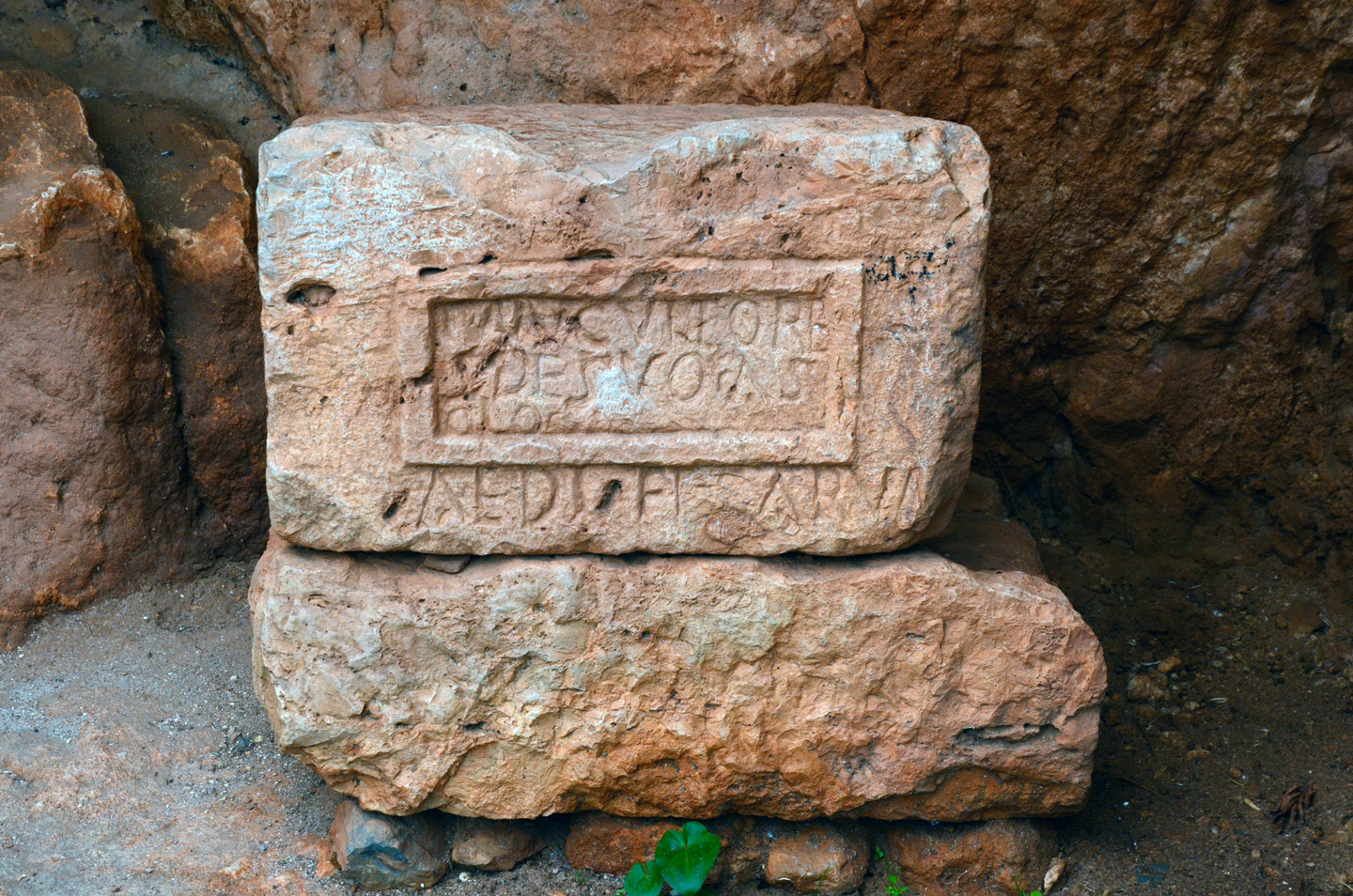
Inscription recording the dedication of a mithraeum at Tiddis by a group of cultores who built the sanctuary at their own expense.

Found in Illmitz, Austria, in 1959, this altar was dedicated to the unconquered god Mithras by a certain Aelius Valerianus.
A black marble cippus from Val Camonica with clear but inelegant lettering, dedicated to Cautopates by G. Munatius Tiro, a duovir iure dicundo, and his son G. Munatius Fronto.
San Zeno is a locality near Tuenno in the Val di Non, where Mithraic material attributed to Roman Raetia was discovered.
Large marble slab found in 1648 near S. Silvestro in Capite, inscribed with a Latin dedicatory poem forming a cypher-acrostic for TAMESIUS and AUGENTIUS, with records of leontica and chrysos initiations, dated to 362 A.D.
Limestone altar dedicated to Sol Invictus Mithras by the governor and military commander Marcus Valerius Maximianus.