This site uses cookies to offer you a better browsing experience.
Find out more on how we use cookies in our privacy policy.

 
Support The New Mithraeum The New Mithraeum is an independent, non-profit project dedicated to Mithraic studies, ancient religions and classical culture. Developed and maintained independently since 2007, the site exists without advertising, paywalls or institutional funding. If you have found value in its articles, interviews, photographs or database, please consider supporting the project with a contribution. Every contribution helps keep The New Mithraeum open, free and alive. Thank you.
Support us →
Quaere

The New Mithraeum Database

Find news, articles, monuments, persons, books and videos related to the Cult of Mithras

Your search Val di Non gave 3037 results.

Monumentum

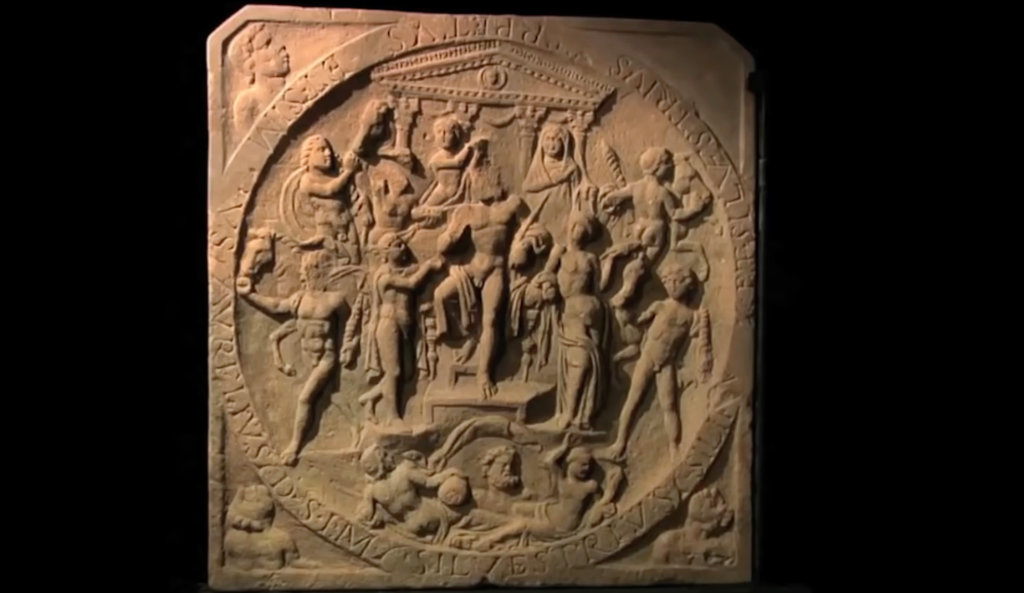
Dedication to Sol Invictus from Lambaesis

Limestone slab dedicated to the invincible Sun by the governor Marcus Aurelius Decimus near the temple of Aesculapius.

Monumentum

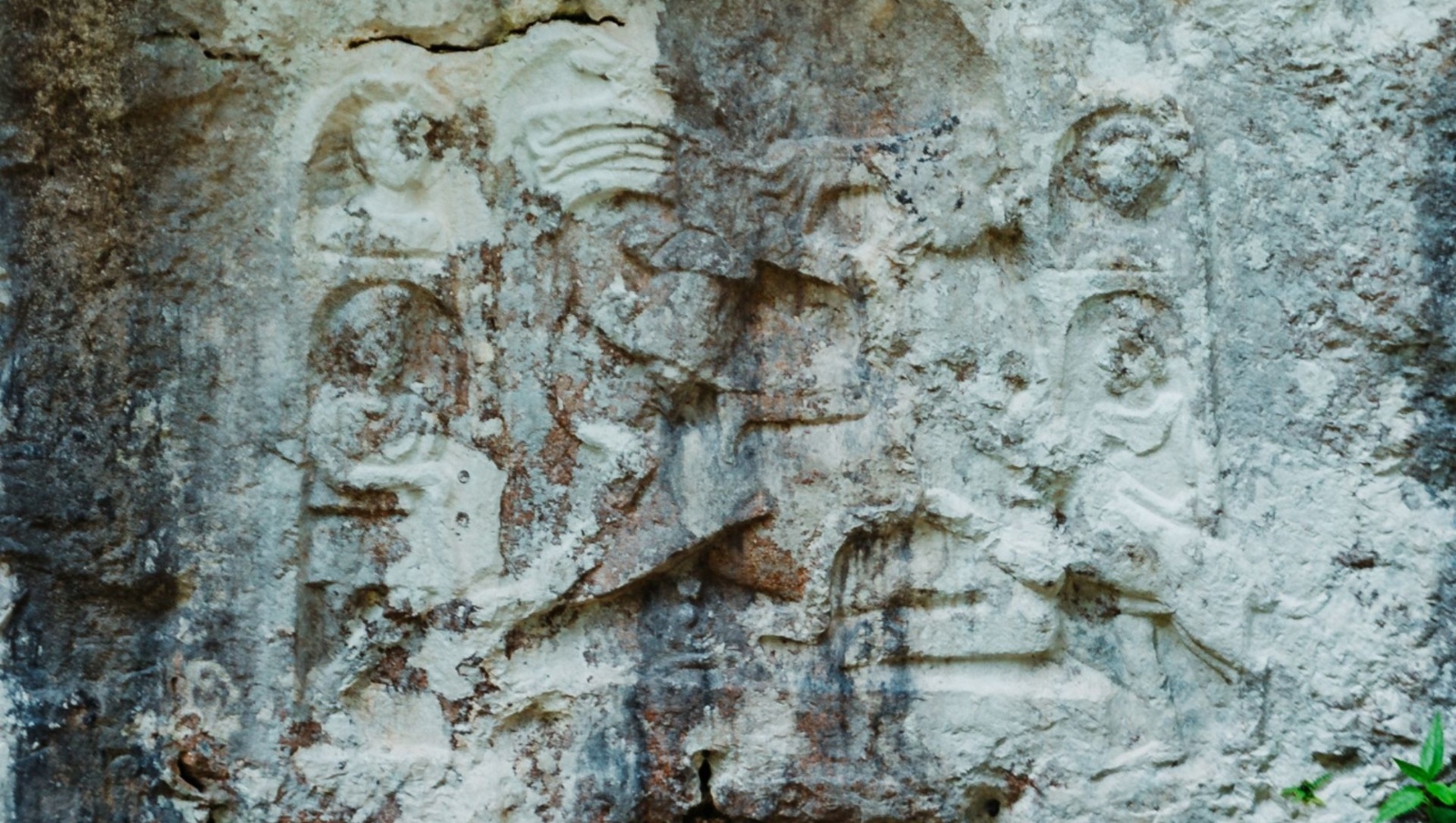
Three-part tauroctony from Serdica

Arched marble tauroctony relief in two fragments from Sofia, ancient Serdica in Thracia, divided into three parts, with Mithras killing the bull in the centre and subsidiary scenes on either side; the weathered surface limits identification.

Monumentum

Architectural remains and coins from Serdica

Architectural and numismatic finds from the Mithraeum at Serdica, Thracia, comprising a door cornice, a capital fragment, two pilaster pieces, a stone water-basin, and two coins of Arcadius deposited when the sanctuary was reused as a cellar.

Monumentum

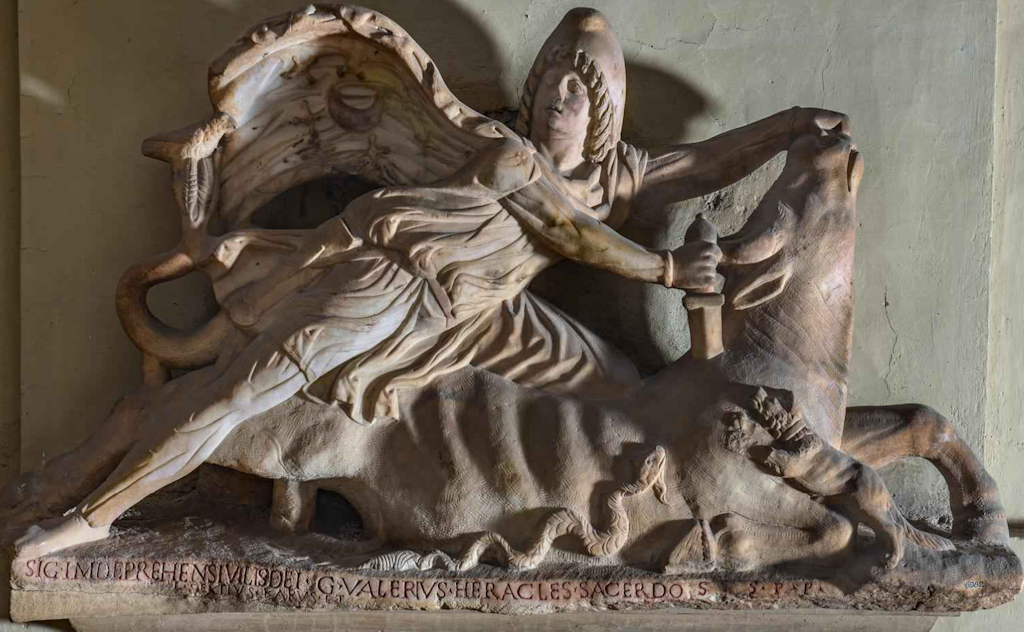
Tauroctony relief from Serdica

White marble tauroctony relief from Sofia, ancient Serdica in Thracia, found near the Church of St. Kral, depicting the standard bull-slaying with the full iconographic programme.

Monumentum

Mithraeum of Lambaesis

The Mithraeum of Tazoult / Lambèse is one of the best preserved Mithras’s temples in Africa.

Monumentum

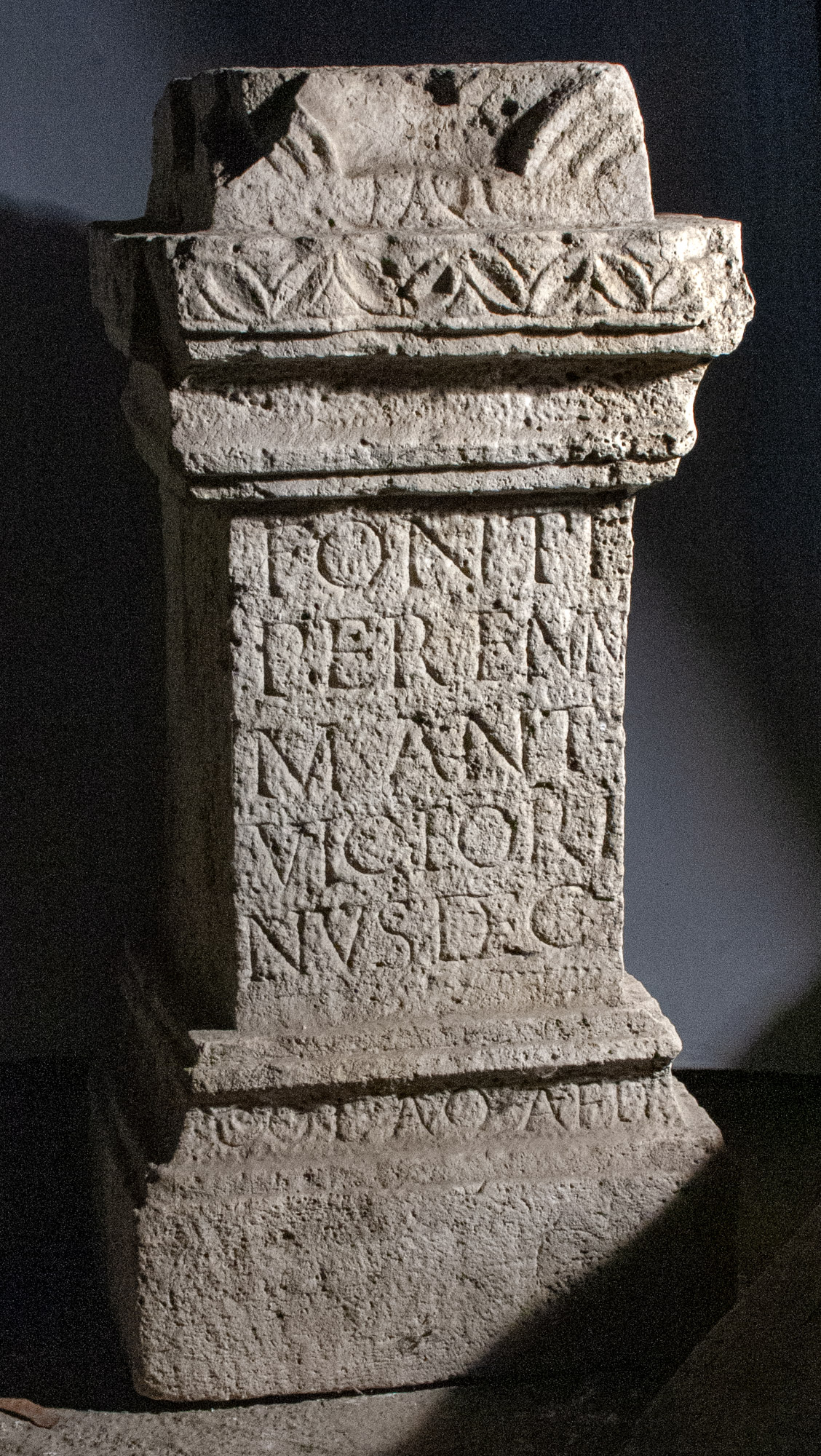
Altar from Lambaesis by Aurelius Sabinus

This altar to the god Sol invicto Mithra was erected by a legate during Maximin’s reign in Lambaesis, Numidia.

Monumentum

Mitreo di Ponza

This Mithraic shrine on the island of Ponza is renowned for its exceptional stucco zodiac and astral symbolism linked to Roman Mithaism.

Locus

Serdica (Sofia)

Serdika or Serdica is the historical Roman name of Sofia, now the capital of Bulgaria. Currently, Serdika is the name of a district located in the city.

Monumentum

Zodiac stucco of Ponza

Solis invicti Mithrae studiosus astrologiae who was at the same time ’caelo devotus et astris’.

Monumentum

Mithraic slab from the catacombs of Vibia

This inscription was commissioned by a family of priests of the invincible god Mithras.

Monumentum

Mitreo delle Pareti Dipinte

The House of the Mithraeum of the Painted Walls was built in the second half of the 2nd century BC (opus incertum) and modified during the Augustan period.

Cohors

Black Sun

Tradition, symbolism, and radical critique.

Liber

I Misteri del Sole. Il culto di Mithra nell’Italia Antica

A study of Roman Mithraism that combines historical evidence with a symbol-centred interpretive approach, exploring Mithraic iconography, ritual experience, and the cult’s encounter with Christianity in the Late Empire.

Textum

Carmen ad Antonium

An anonymous late-antique Christian poem, traditionally attributed to Pseudo-Paulinus of Nola (Poema 32, vv. 109–111), that ridicules pagan cults and presents Mithras, Isis, and Serapis as gods of concealment, contradiction, and unstable forms rather than light…

Liber

Quand les dieux voyagent. Cultes et mythes en mouvement dans l'espace méditerranéen antique

Ce livre présente les religions de la Méditerranée ancienne – grecque, romaine, phénicienne et punique, hébraïque et juive, mésopotamienne, égyptienne – en mouvement. Au fur et à mesure de ces histoires de dieux en voyage…

Liber

The Mithraeum at Caesarea Martima. The joint expedition to Caesarea Maritima excavation reports, volume II

This monograph presents the findings from Robert J. Bull's 1973 excavation of the Mithraeum in Caesarea Maritima, Israel, including stratigraphic analyses, studies of frescoes and and insights into the site's historical significance.

Back to Top