Your search Villa Albani gave 151 results.

Vratnica is a small village and community located in the Jegunovce Municipality of North Macedonia.
Skelani (Serbian Cyrillic: Скелани) is a village in the municipality of Srebrenica, in the Republika Srpska entity of Bosnia and Herzegovina.
Burham is a village and civil parish in the borough of Tonbridge and Malling in Kent, England.
Klečevce is a village in the municipality of Kumanovo, North Macedonia.
Nicopolis ad Istrum or Nicopolis ad Iatrum was a Roman and Early Byzantine town. Its ruins are located at the village of Nikyup, 20 km north of Veliko Tarnovo in northern Bulgaria. The site was placed on the Tentative List for consideration as a Wo
Marino has been inhabited by Latin tribes since the 1st millennium BC. During the Roman Republic it was a summer resort for Roman patricians who built luxurious villas in the area.
Lambaesis, Lambaisis or Lambaesa, is a Roman archaeological site in Algeria, 11 km southeast of Batna and 27 km west of Timgad, located next to the modern village of Tazoult.

Garlic merchant, probably from Lusitania, who dedicated an altar to Cautes in Tarraconensis.
Campania preserved a vibrant urban and maritime environment closely connected to the commercial life of Roman Italy.
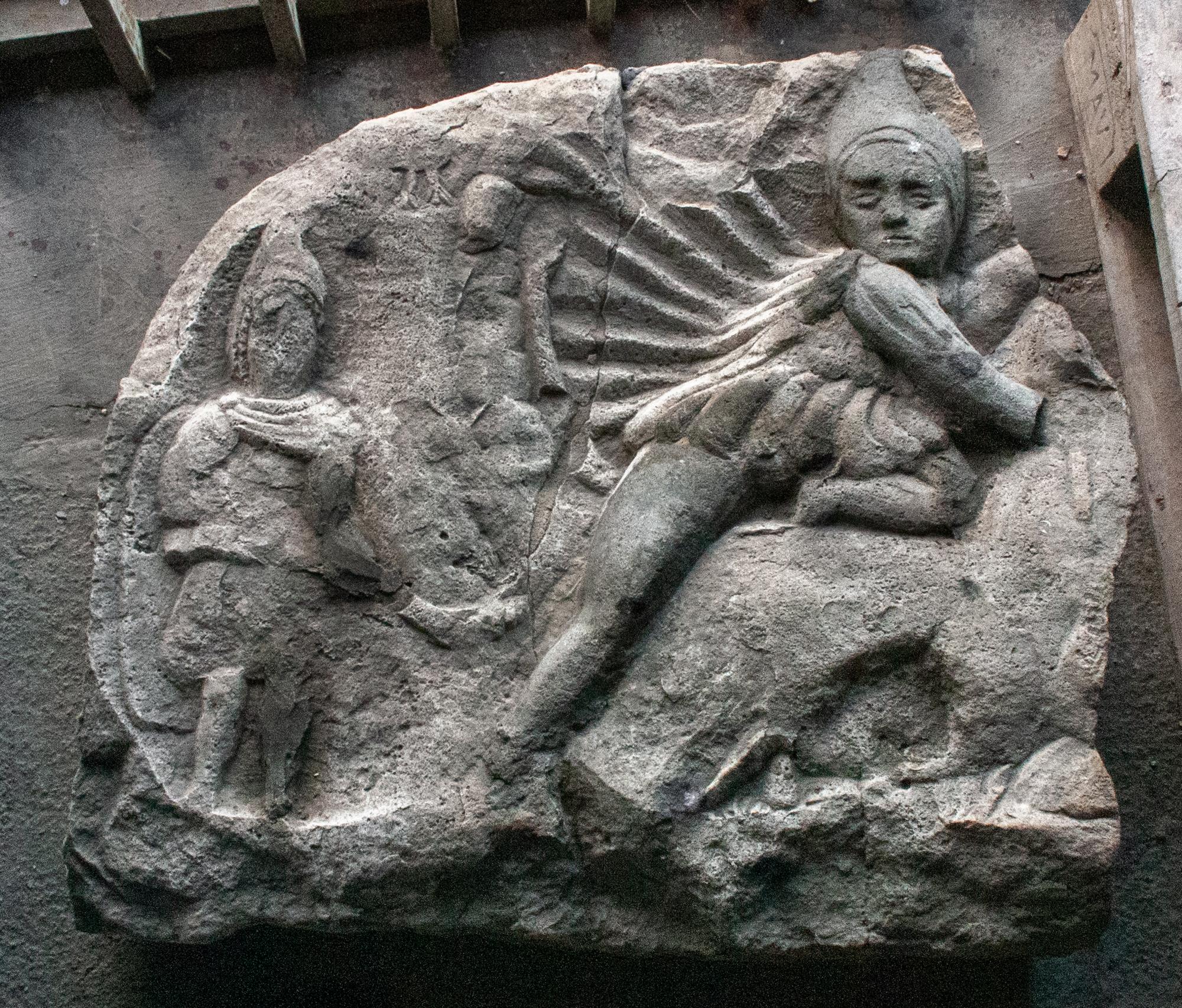
This limestone tauroctony from Aquincum preserves Mithras slaying the bull together with Cautopates, the serpent, the scorpion, and the legs of the raven.
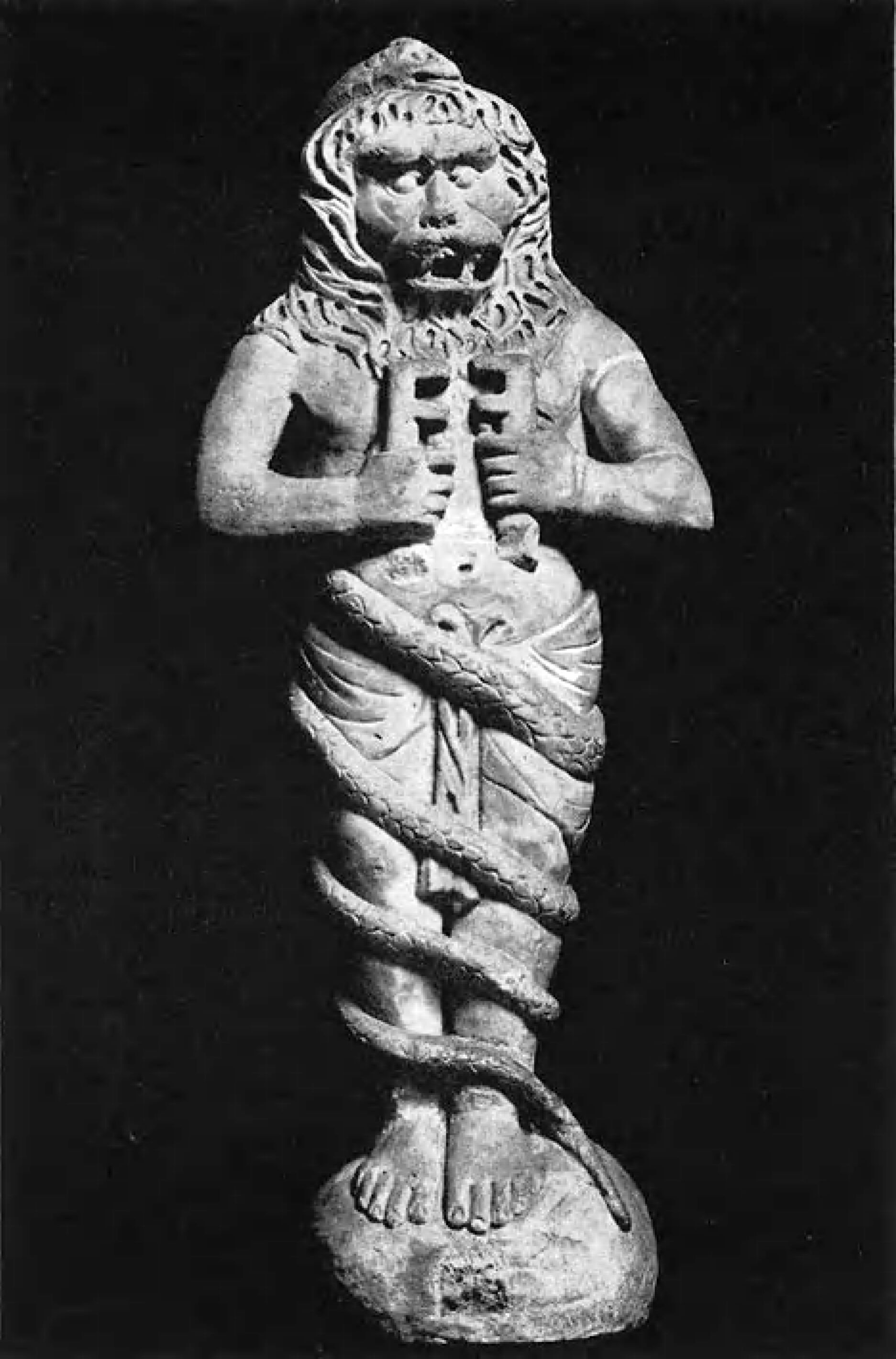
The lion-headed marble from Muti's gardens has a serpent entwined in four coils around his body.
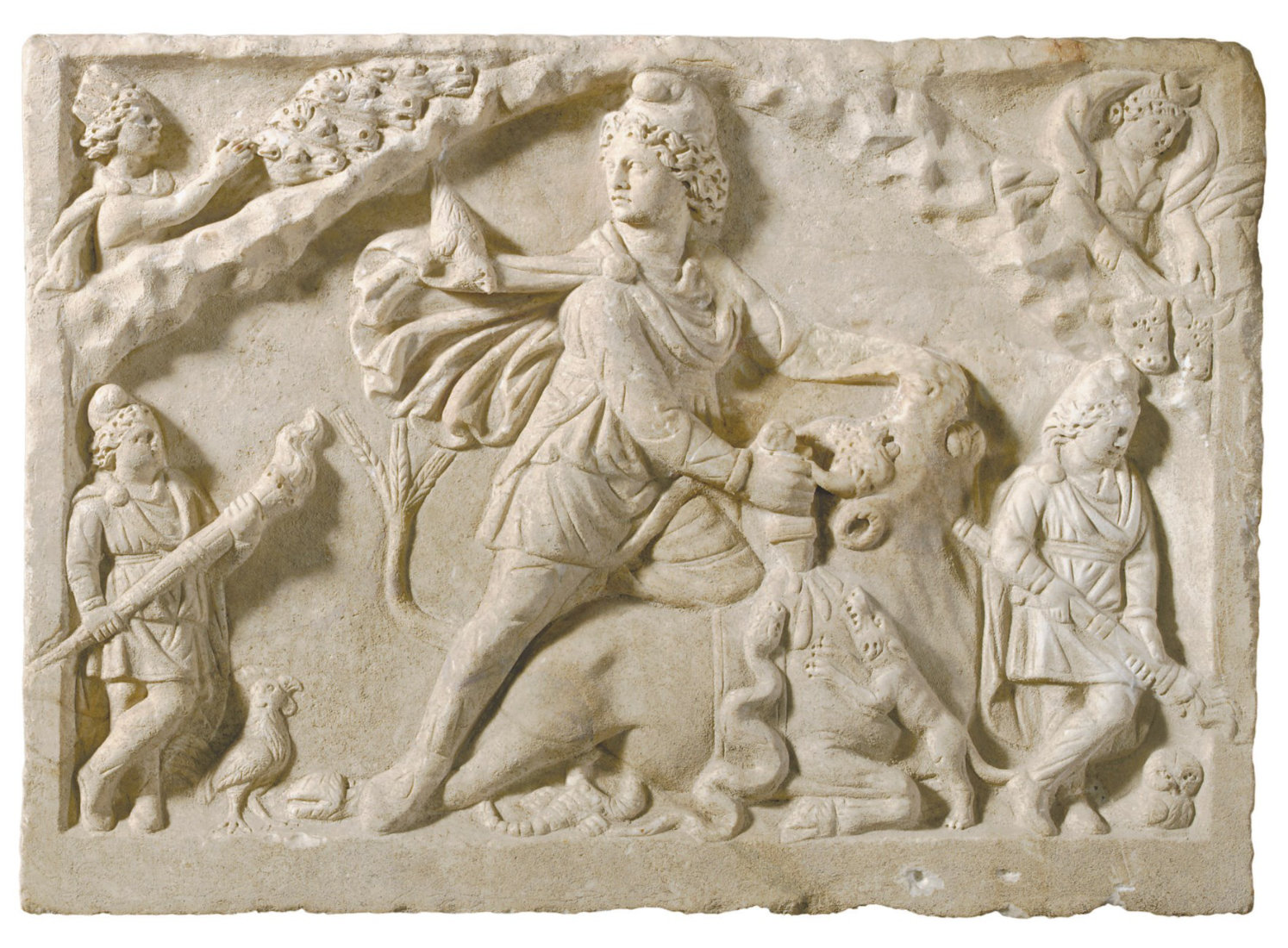
This relief of Mithras killing the bull includes an unusual owl at the feet of Cautopates and a cock next to Cautes.
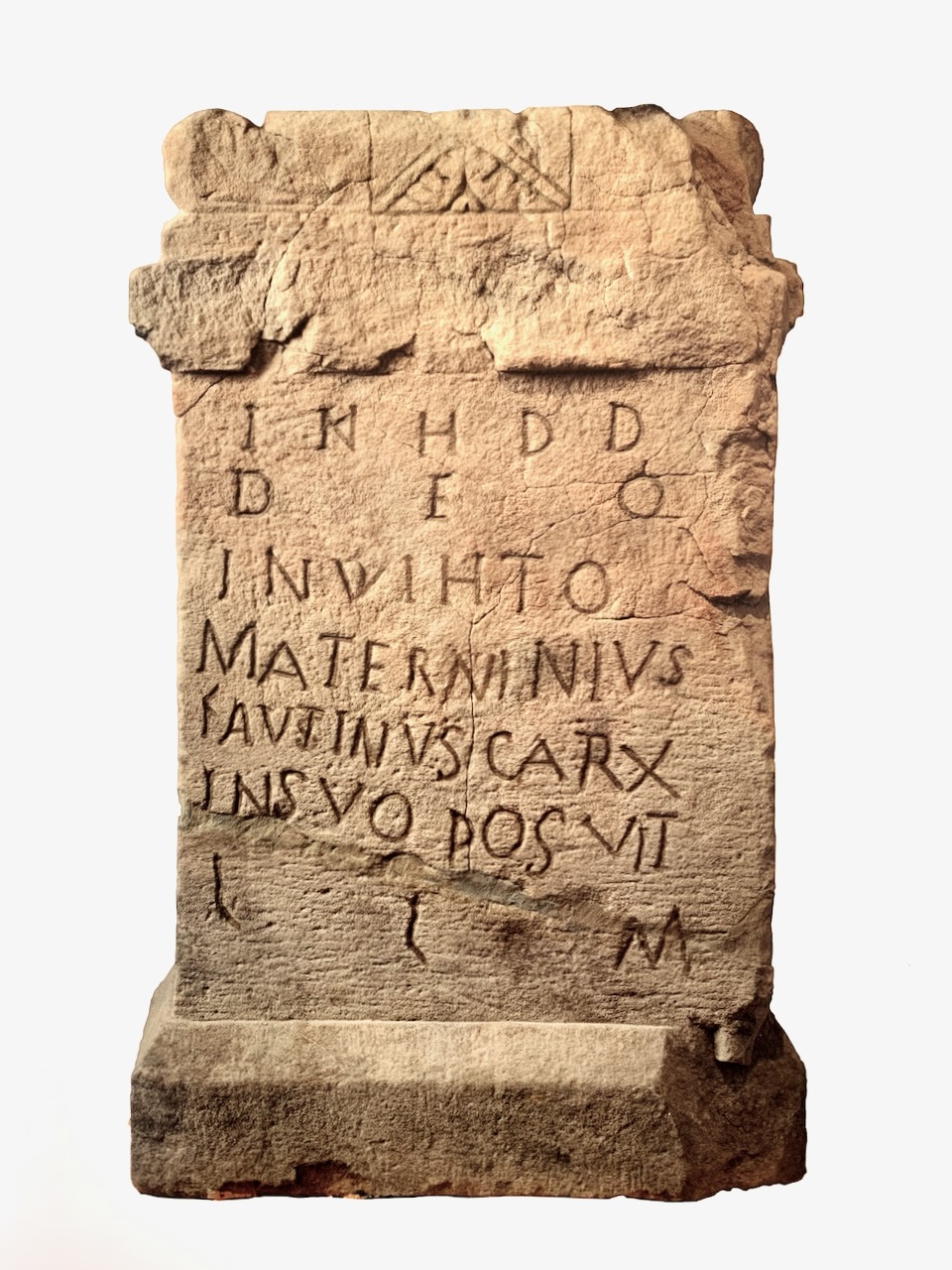
Corax Materninius Faustinus dedicated other monuments found in the same Mithraeum in Gimmeldingen.
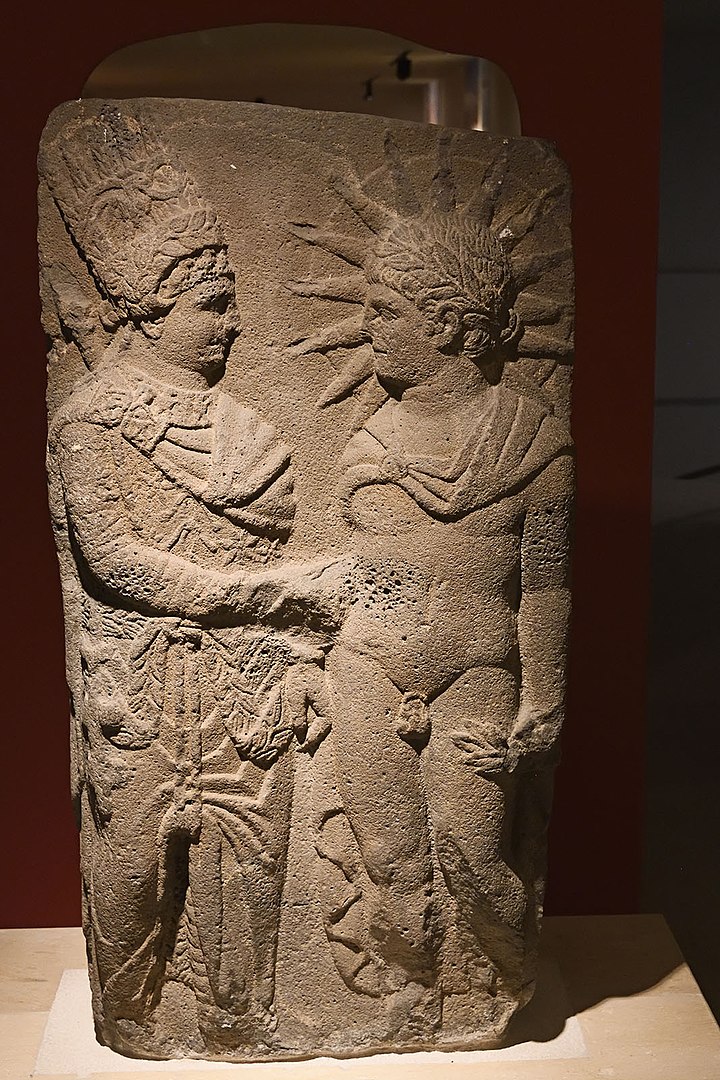
Stele representing Apollo-Mithras-Helios in a Hellenistic nude fashion, shaking hands with Antiochus I.
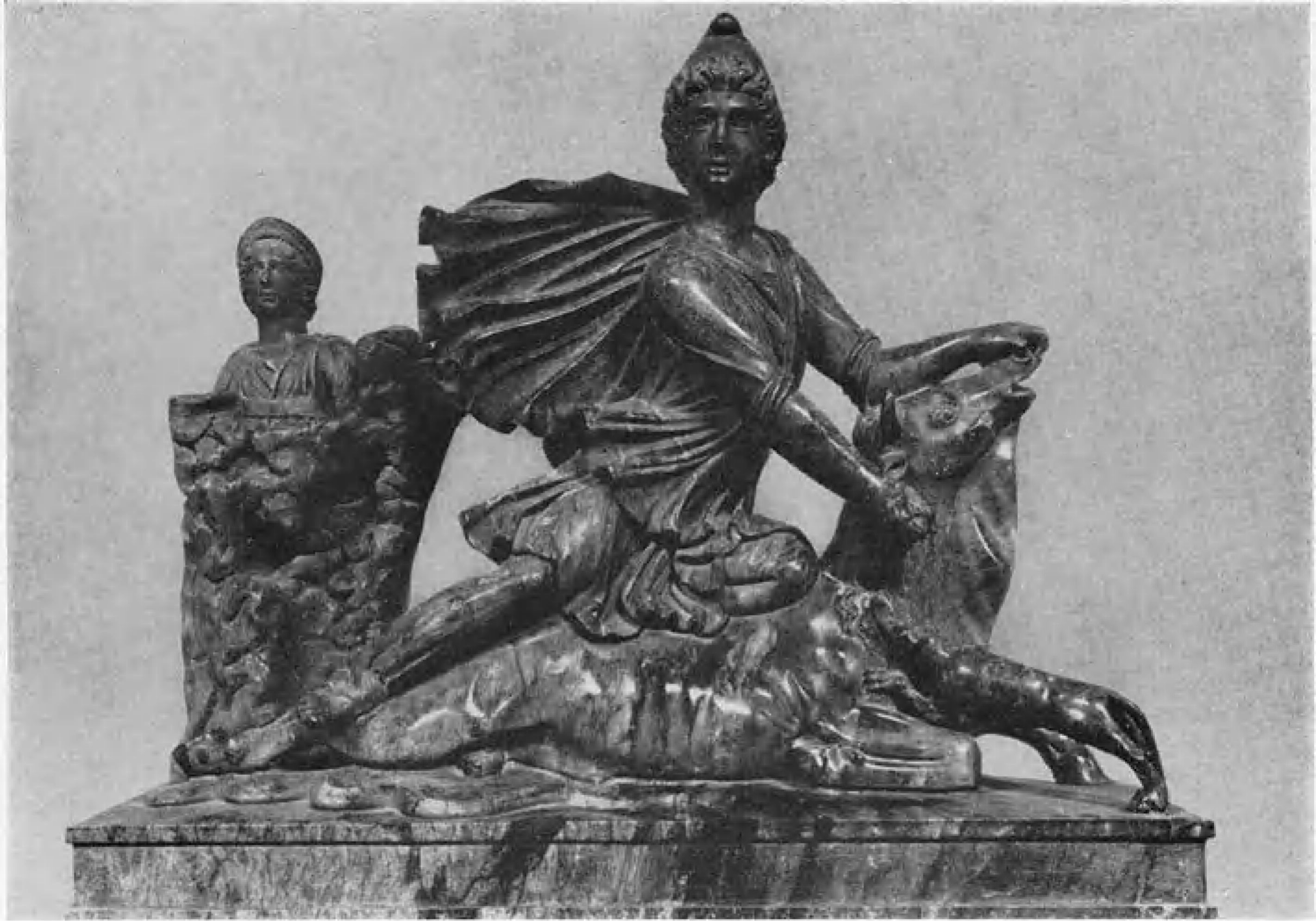
This black marble of Mithras killing the Bull has belonged to the sculptor Carlo Albacini.
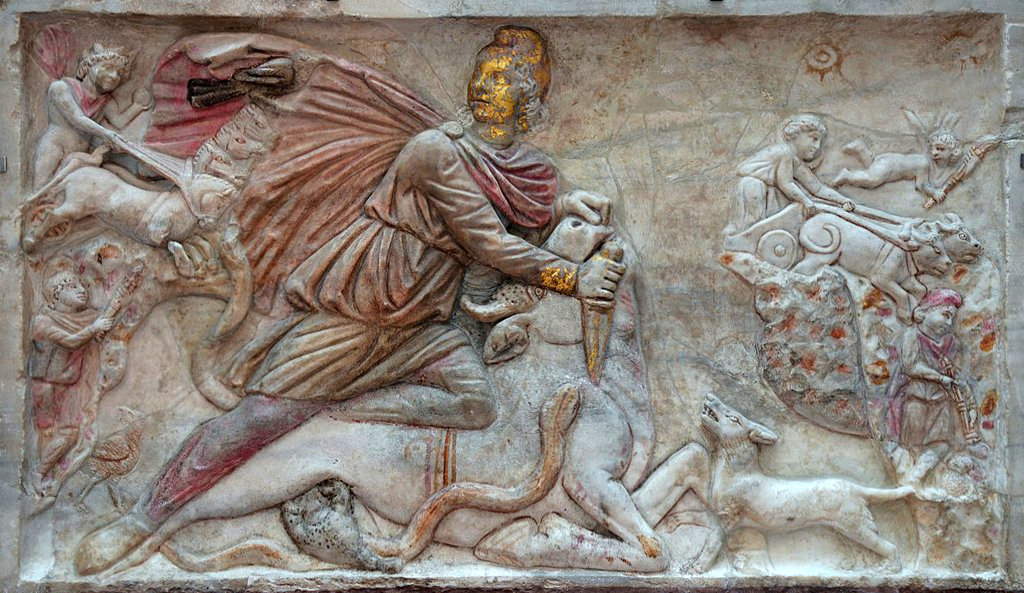
The relief of Mithras killing the bull of Stefano Rotodon preserves part of his polycromy and depicts two unusual figures: Hesperus and an owl.
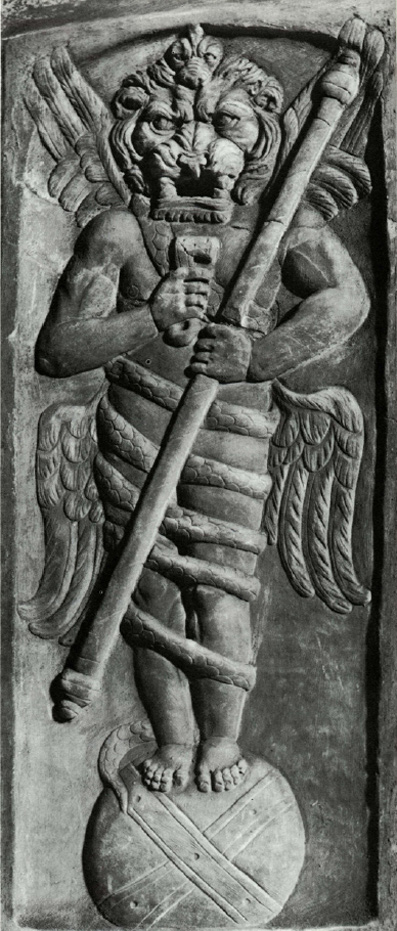
The lion-headed god is standing on a globe encicled by two crossed bands on which five pearls.
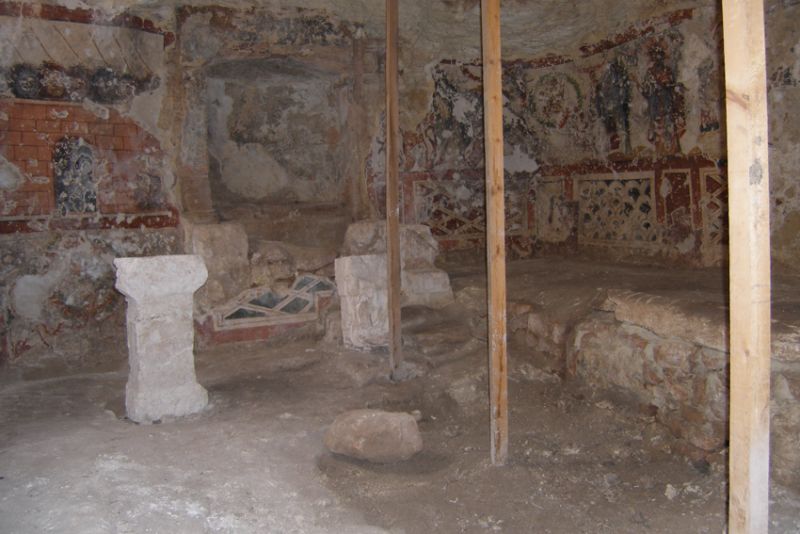
The Mithraeum of Hauarte or Hawarte, which preserves colourful frescoes, it’s the latest know and used.
