Your search Villa of Domitian at the Castel Gandolfo gave 3663 results.

This altar to Mithras is dedicated by a certain Gaius Iulius Castinus, legate prefect of the emperors.
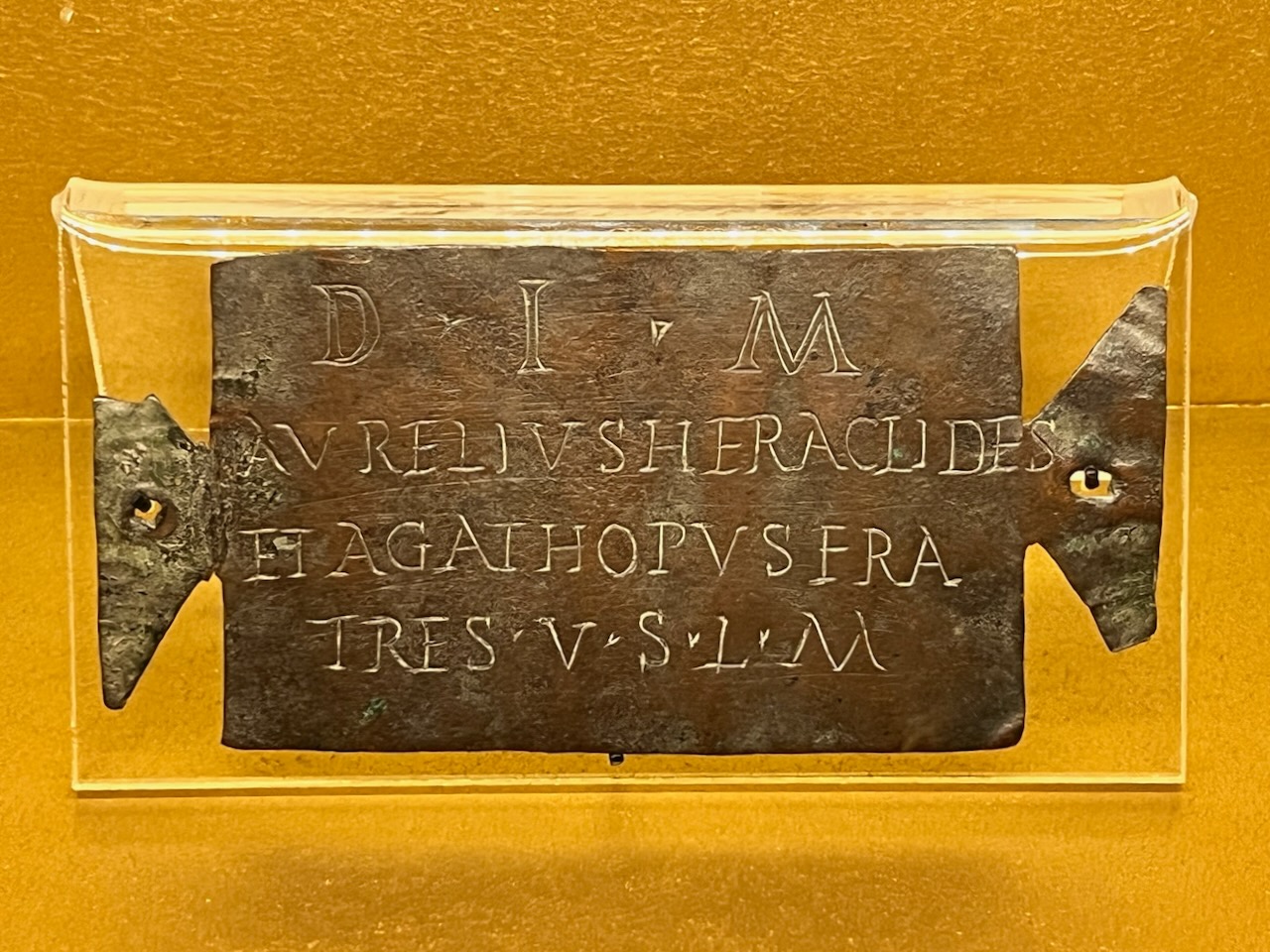
This small bronze tabula ansata was dedicated to Mithras by two brothers, probably not related by blood.
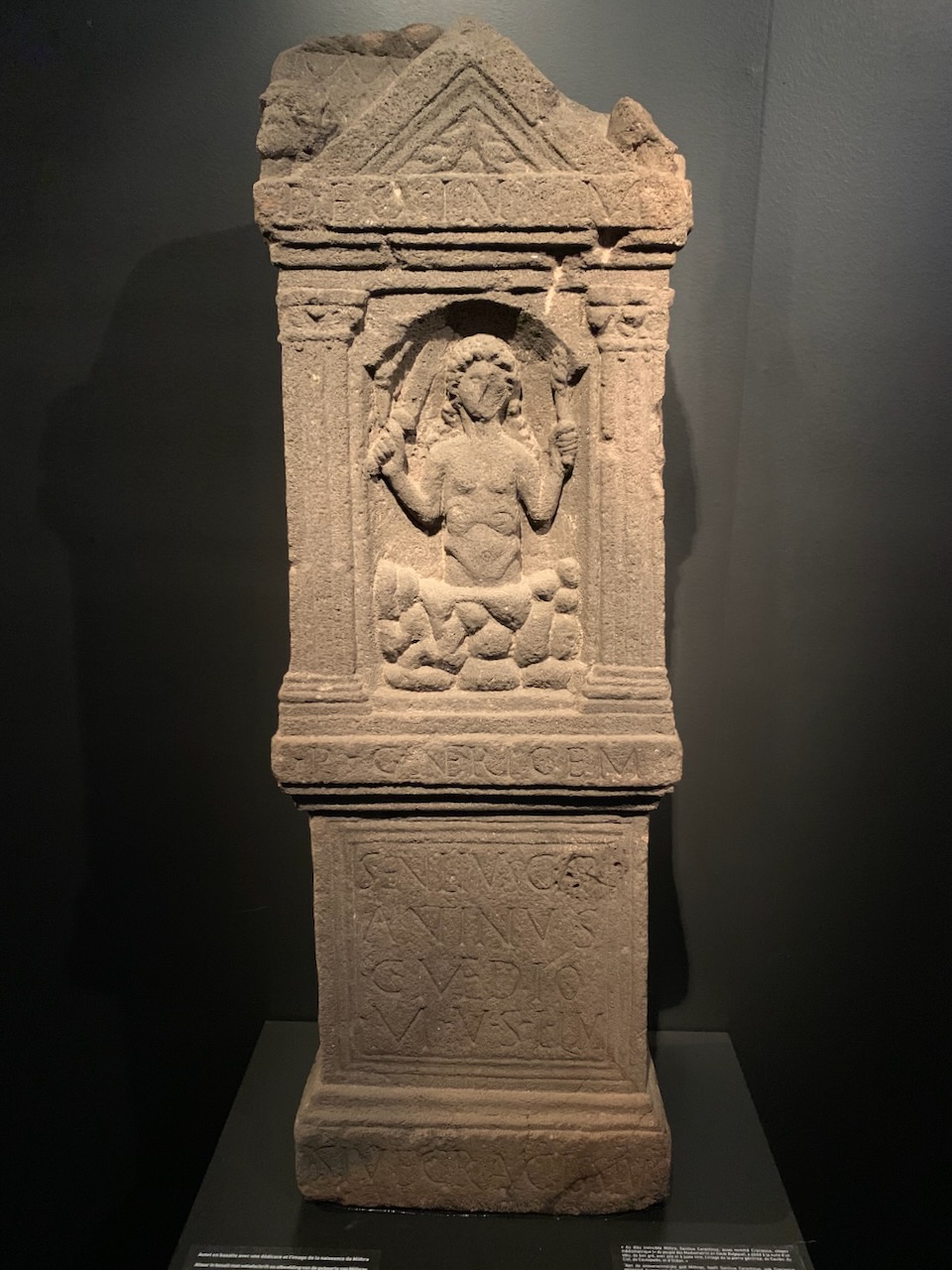
The Mithraic stele from Nida depicts the Mithras Petrogenesis and the gods Cautes, Cautopates, Heaven and Ocean.
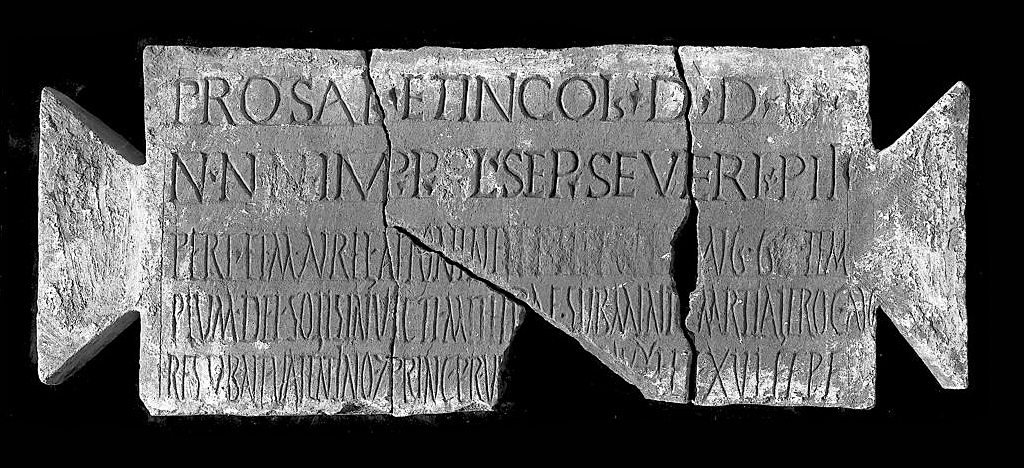
Antonius Valentinus, centurio, made this plaque for the salut des empereurs Septimus Severus and Marcus Aurelius.
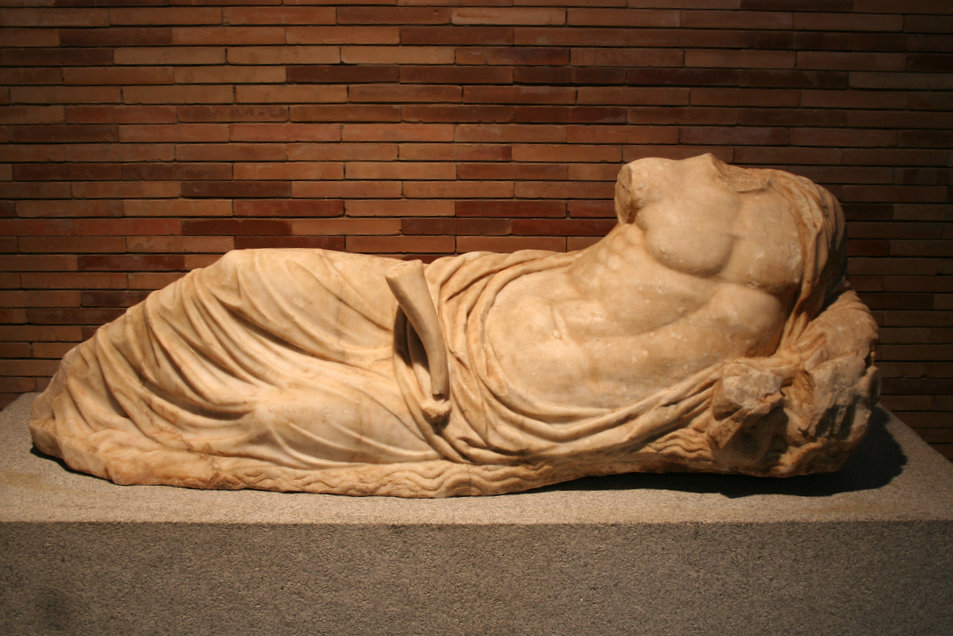
The sculpture of Oceanus in Merida bears an inscription by the Pater Patrorum Gaius Accius Hedychrus.
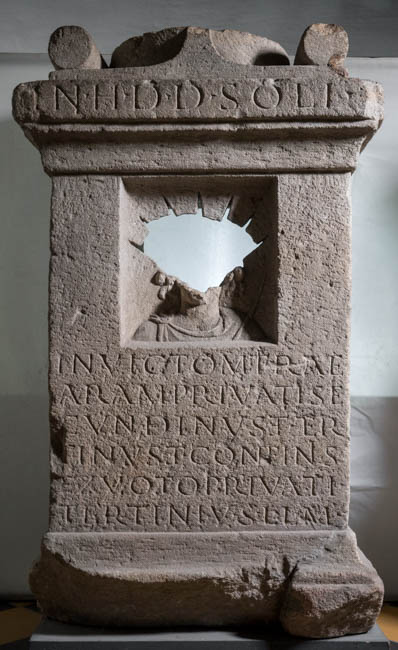
The altar of the Sun god belongs to the typology of the openwork altar to be illuminated from behind.
At about a mile's distance from the village of Mit-Rahine near Memphis a Mithraeum has been discovered, which itself has not yet been described.

Schlatten lies within the southeastern Alpine settlement landscape of Roman Noricum.
Paternion formed part of the Alpine settlement landscape of southern Noricum.
Lopata lies within the inland territory historically associated with Moesia Superior.
Catina occupied a strategic position on the eastern coast of Sicily beneath Mount Etna.
Athenae remained one of the foremost intellectual and cultural centres of the eastern Mediterranean under Roman rule.
A dedication to the unconquered and propitious Sol Invictus Mithras, made by a priest named M. Pompeius on behalf of the divine house, the most sacred council, and the devout inhabitants of the colony of Elusatium (modern Eauze) in Aquitania.
A badly damaged tauroctony relief carved in peperino, fixed high into a wall of the old farm known as Le Capanacce on the Via Cassia near Vicus Matrini in Etruria, showing Mithras as a bullkiller in a vaulted cave with serpent, the head and left arm of the god lost…
A marble slab reused as a tombstone in Comodilla's catacombs near the Via Ostiense in Rome, originally inscribed by Titus Flavius Eutychus as a gift to the Invincible and Holy god.
A marble dedication tablet found in the Vigna Curtii Palloni outside the Porta Sant'Agnese near the Praetorian Camp in Rome, recording the construction of a sacrarium dedicated to Sol Invictus by Q. Pompeius Primigenius, pater and sacerdos, under Septimius Severus and Caracalla…
A marble funerary cippus from the Vigna Dionigi at Torre Pignatara outside Rome, dedicated to Sextineius Restitutus as most indulgent pater sacrorum by his children and mother, with a crown carved to the left of the final line.
A funerary inscription found in the Vigna Nari outside Rome in 1734, set up by Iunia Thallusa for her husband Equitius Arescon, who held the rank of pater sacrorum in the Mithraic mysteries.
A tauroctony statue once in the Collection Santa Croce near the Piazza Giudea in Rome, showing Mithras as bullkiller with a broad belt around the bull's body, the arms of the god and the bull's horns broken off.

Roman Mithraic relief illustrated in figure 171 of Vermaseren’s catalogue.
