Your search Villa of Domitian at the Castel Gandolfo gave 3678 results.
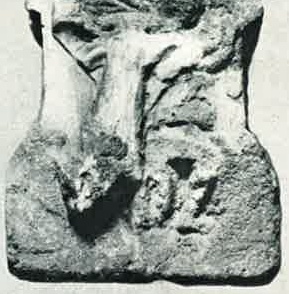
Small sandstone altar from Mithraeum I at Heddernheim, ancient Nida, bearing a snake and cult imagery consistent with Mithraic worship

Large quartzite tauroctony relief with torchbearers, zodiacal imagery and traces of ancient red paint from the Friedberg Mithraeum.
Fragmentary inscribed altar dedicated to Mercury from the Saalburg sanctuary area.
Decorative bronze candlestick discovered near the entrance of the supposed Mithraic sanctuary.
Sandstone basin from the pronaos of the sanctuary originally mounted on a short column.
Fragmentary inscription possibly connected to Sol or Mithras, though attribution remains uncertain.
Limestone base with remains of a torchbearer and an inscription to Mithras by Lucius Pervincius Sequens.
Mithraic altar inscription set up by the centurion Marcus Iulius Martius in 189 CE.
Decorated altar with rosettes and an inscription panel from the Mithraic sanctuary at Vetera.
Limestone relief from Ragasch near Philippopolis, Thracia, cited in MMM without further details.
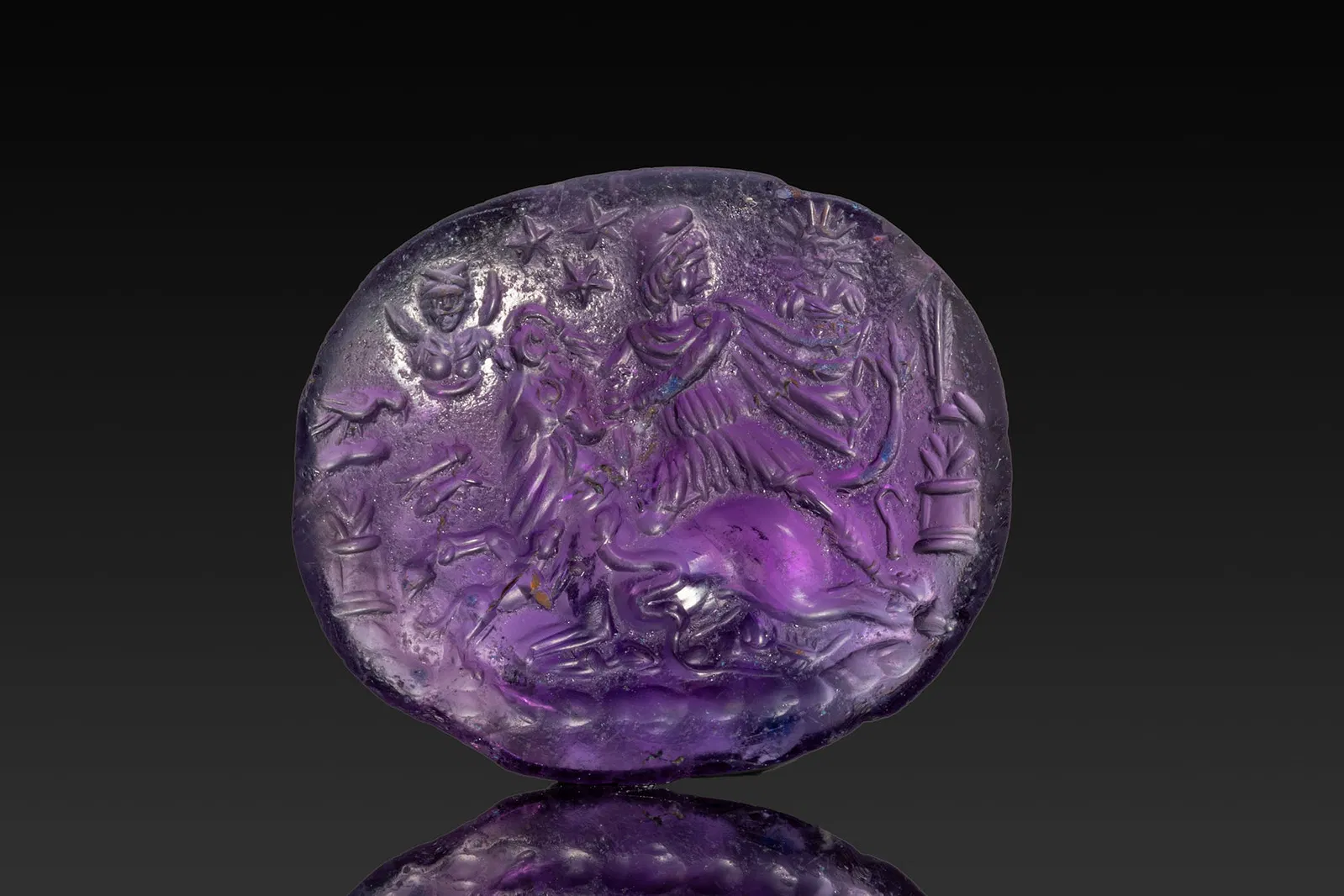
Amethyst intaglio engraved with Mithras slaying the bull, accompanied by Sol, Luna and other canonical Mithraic symbols.
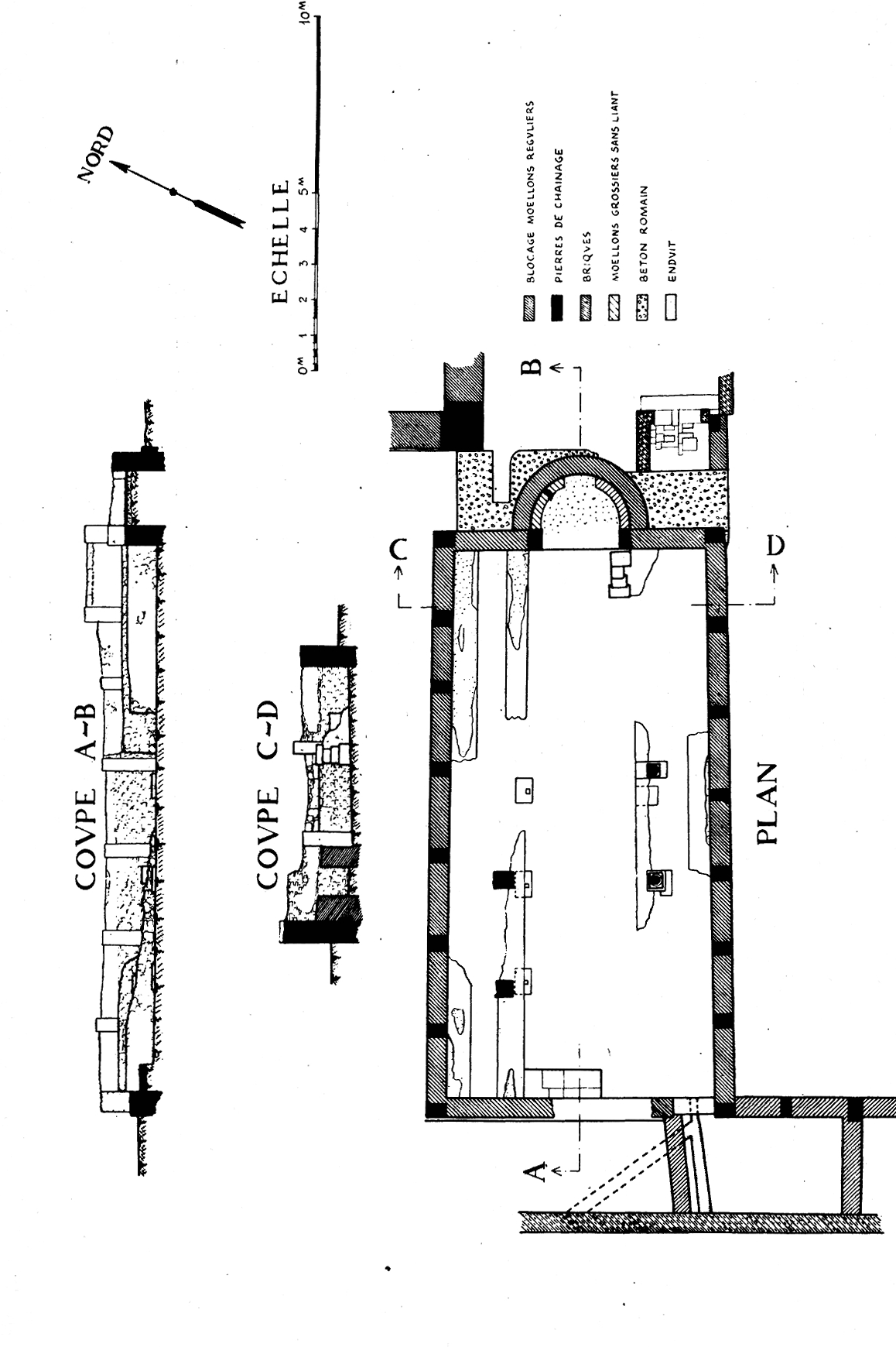
The Mithraeum of Tazoult / Lambèse is one of the best preserved Mithras’s temples in Africa.
Many of the inscriptions and sculptures of the site were kept in a museum which has been destroyed.
Small surviving fragment depicting Mithras as bull-slayer together with the torchbearer Cautes.
Scene from a bull-slaying relief preserving the dagger of Mithras, the dog and the raised torch of Cautes.

My research explores the emergent area of Digital Civics. I formulated the first definition, critical underpinning, and pedagogical model for this concept.
This inscription by a certain Numidius Decens was found in the Forum of Lambaesis, now Tazoult تازولت in Algeria.

Painted Parthian inscription on a ceramic sherd possibly referring to Mithras as a bull-slayer.

Uruk, the archeological site known today as Warka, was an ancient city in the Near-East or West-Asia, located east of the current bed of the Euphrates River, on an ancient, now-dried channel of the river in Muthanna Governorate, Iraq.

This votive silver plaque depicting Mithras was found at the site of Pessinus, Ballıhisar, in Turkey.
